Sale of the Seattle Seahawks could become the NFL’s largest transaction. A team merchandise store in the city was robbed of $50,000 worth of gear. The Seattle Mariners lift local blackout restrictions and unveil a new uniform.
Sale of the Seattle Seahawks: end of an era and a record deal
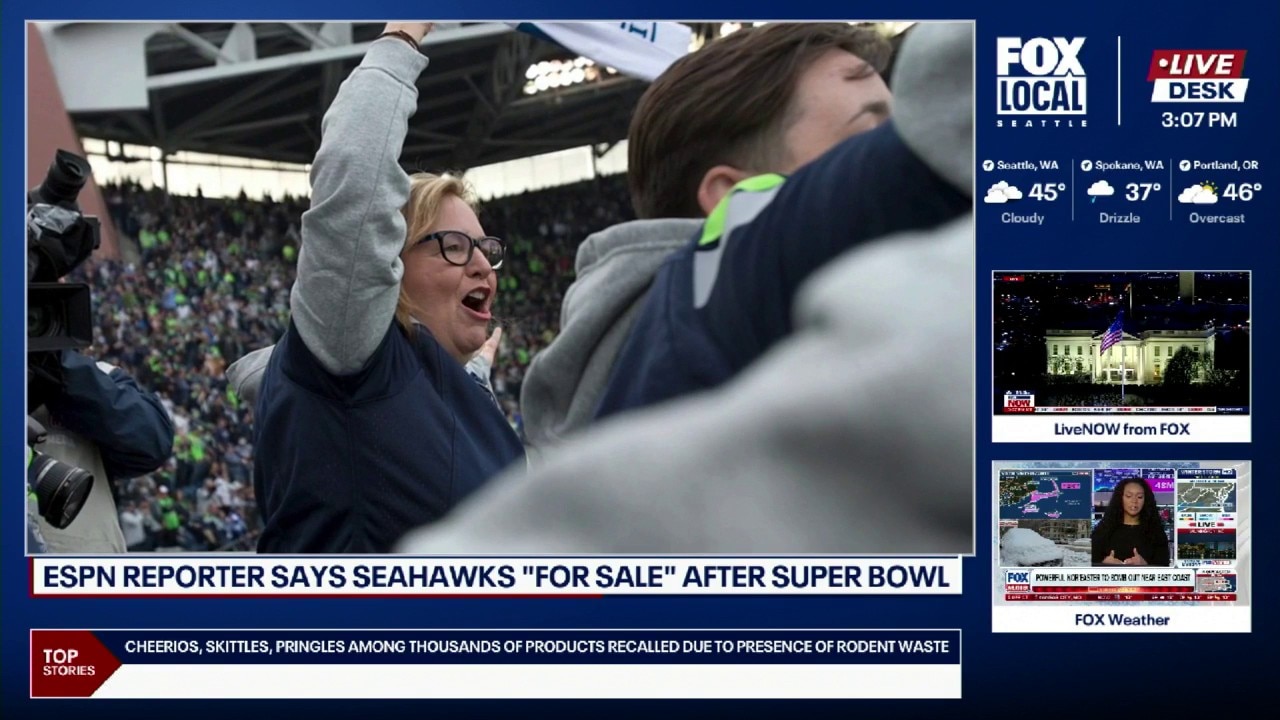
After years of rumors and speculation following the death of owner Paul Allen in 2018, the fate of the NFL’s Seattle Seahawks has been decided. According to a new ESPN report, the team will be put up for sale after Super Bowl LX, which takes place on February 8, 2026. This will end nearly 30 years of franchise ownership by the Paul Allen trust, which bought the team in 1997 for $194 million. The decision to sell fulfills the wishes of the late billionaire, who wanted the bulk of his estate directed to philanthropy, and his sister Jody Allen, who has managed the assets throughout that time.
The timing of the planned sale is strategic. ESPN reports the sale is scheduled for after May 2024, when a special provision requiring 10% of the sale price to be paid to the state of Washington expires. That significantly increases the deal’s attractiveness to prospective buyers. While a club spokesperson and the NFL declined to comment, sources close to the owners confirm discussions about a sale have been underway for at least the past week. A statement from the Paul Allen estate, published after the leak, emphasized that the team is "not for sale" and that the focus remains on winning the Super Bowl and completing the parallel sale of the Portland Trail Blazers, which is expected to go to an investor group led by Tom Dundon for more than $4 billion.
The estimated value of the Seahawks is staggering and could set a new NFL record. Sportico currently values the team at $6.59 billion (14th in the league), but ESPN reports that one club executive believes the actual sale price could reach $7–8 billion. For comparison: the Denver Broncos sold for $4.65 billion in 2022, and the Washington Commanders for $6.05 billion in 2023. Thus, since Paul Allen’s purchase, the franchise’s value has risen nearly 24-fold in 25 years, vividly illustrating the phenomenal growth in sports asset prices. Earlier, in 2022, there were rumors of a $2 billion offer from Nike founder Phil Knight and Los Angeles Dodgers co-owner Alan Smolinisky, but Jody Allen then categorically denied any negotiations, telling FOX 13 Seattle that estates of that size and complexity “can take 10–20 years to settle.”
The sale of the Seahawks marks not just an ownership change but the end of an era for the city and its fans. Paul Allen, Microsoft co‑founder, not only kept the team from potentially relocating but invested in its development, leading to a Super Bowl XLVIII victory in 2014. His management philosophy—focused on long-term success and community connection—left a deep imprint. Now, under his will, proceeds from the sale will be directed to large philanthropic projects, adding a socially significant dimension to the deal. For the NFL, this potentially record-setting sale reaffirms the league’s status as North America’s most lucrative sports enterprise, attracting massive investment. For fans, the main question is whether a new owner will preserve the team’s identity, commitment to Seattle, and the competitive spirit cultivated under Allen. For now, as the estate’s statement says, all attention is on the primary goal — winning the Super Bowl.
Major theft of Seattle Seahawks merchandise from a Seattle sports store
A brazen robbery occurred in Seattle in which a sports merchandise store lost a large amount of goods. The incident not only caused material damage but also dampened the celebratory atmosphere surrounding the local team’s success.
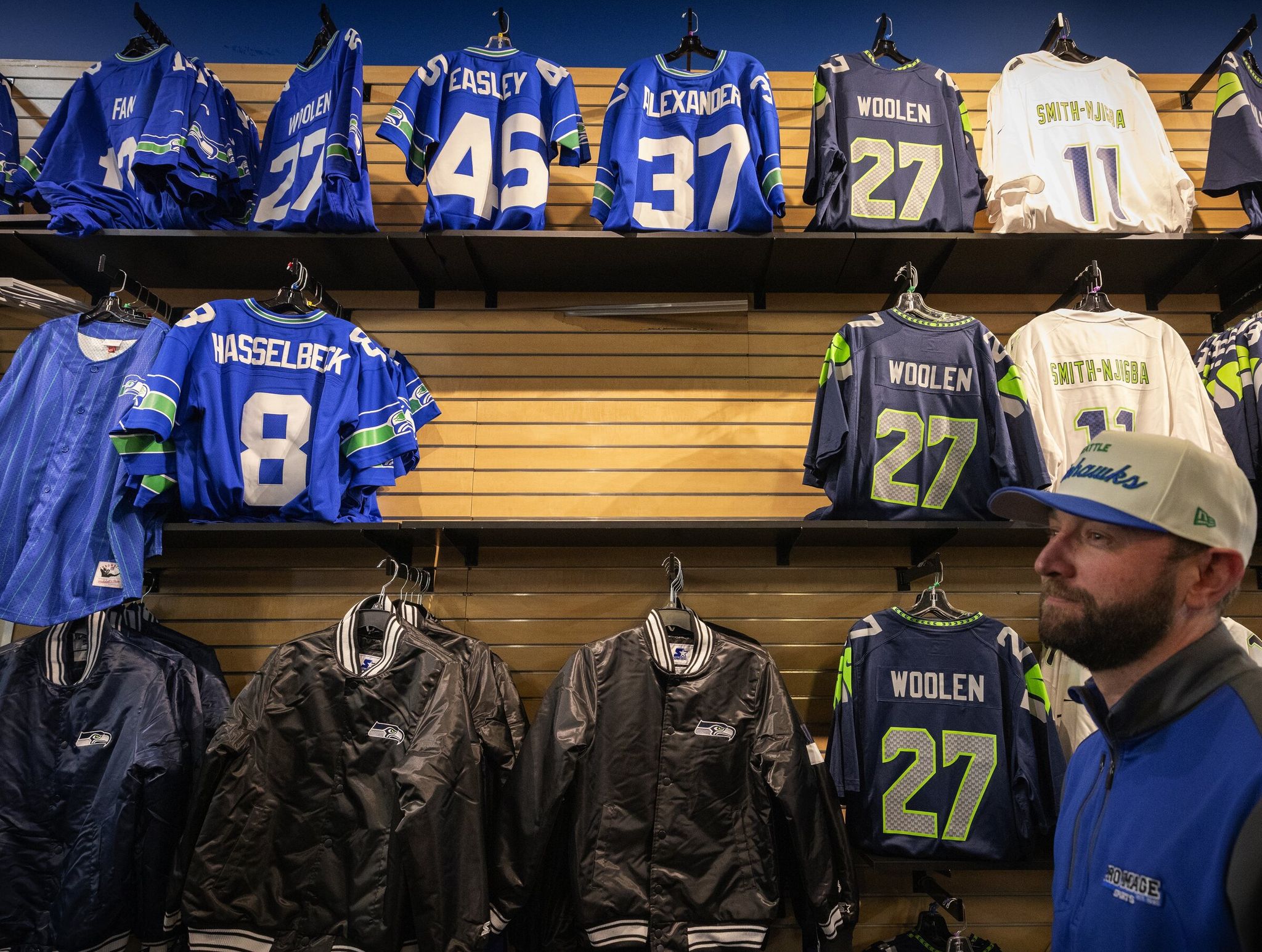
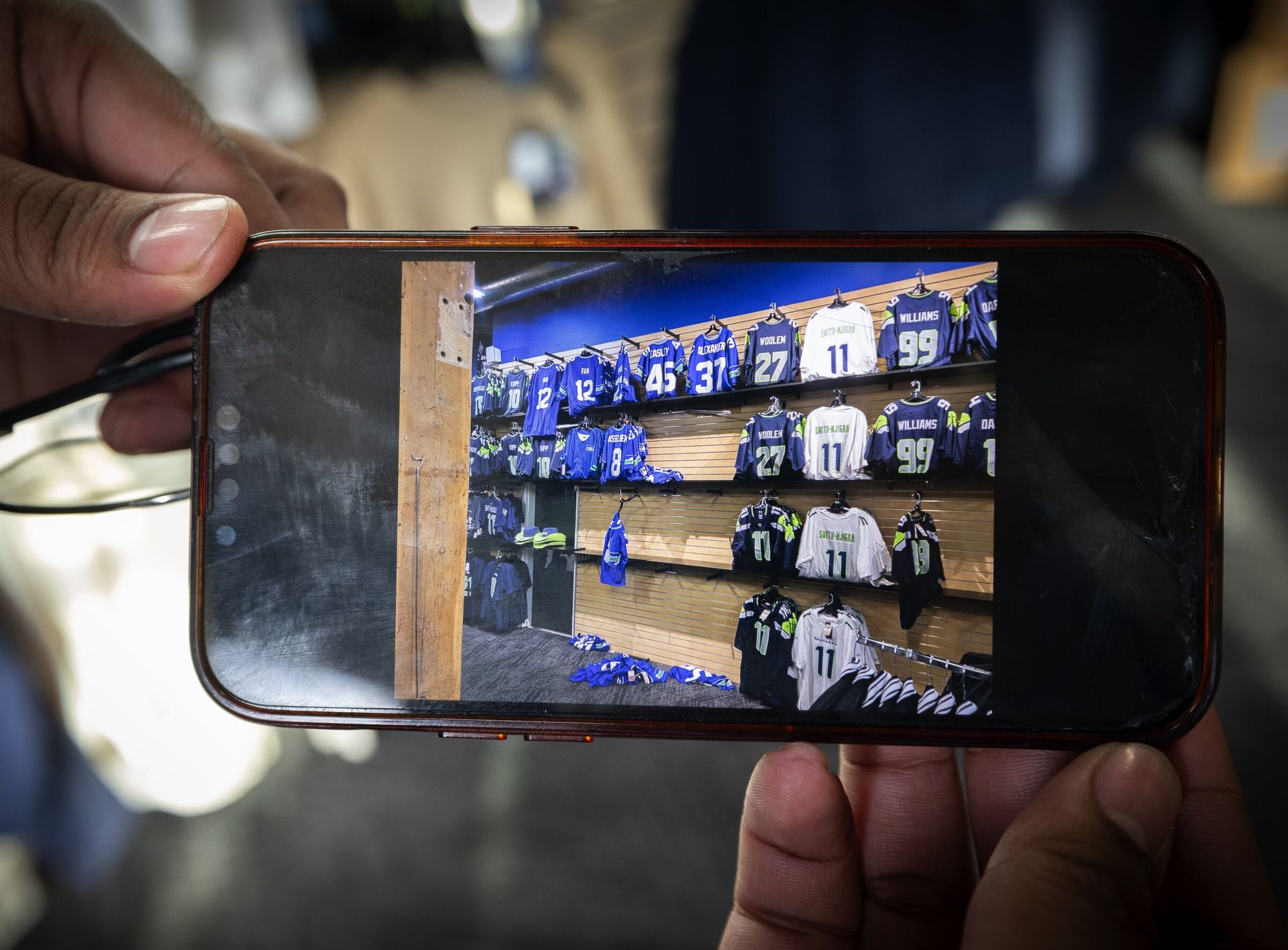
Early Sunday morning, around 4 a.m., three masked men dressed in black broke into Pro Image Sports, located near Lumen Field. The Seattle Times reports that the entire operation took the thieves no more than two minutes, as captured on security cameras. Their haul consisted of Seattle Seahawks–branded merchandise totaling about $50,000. According to Pro Image senior manager Tyres Trower, the perpetrators targeted the jersey wall, ripping down as many jerseys as possible. They damaged part of the wall in the process. The stolen jerseys included names from different eras: from the legendary Steve Largent to current standout Jackson Smith-Njigba, from Kenny Easley to Tariq Woolven. Trower noted the robbers did not stand out except by footwear: he recognized one pair of Nike Air Max 90s and two pairs resembling Air Force 1s or Dunks. Despite the loss, the manager is trying to stay positive, focusing on Seattle’s sports successes rather than the store’s losses. Indeed, the surge of interest around the team’s appearance in Super Bowl LX (the 60th Super Bowl) has driven record sales of merchandise across the city. Seattle police ask anyone with information about the theft to call the non‑emergency line at 206-625-5011. Trower also mentioned seeing Instagram posts about Seahawks jerseys for sale in Burien, but that has not been independently verified. The incident was an unwelcome episode amid widespread sporting celebration, highlighting local businesses’ security concerns.
A new take on baseball: Seattle Mariners lift local blackouts and introduce a heritage uniform
Ahead of the season opener, the Seattle Mariners announced two major initiatives that will change the fan experience both at home and on screens. The team has overhauled its media strategy—offering unprecedented viewing access—and unveiled a new game uniform that honors an important chapter of Seattle’s baseball history.
A central element of the new broadcast strategy, according to an announcement on king5.com, is the launch of a streaming service, Mariners.TV. This locally transformative move will allow fans in Washington, Oregon, Idaho, Alaska, Montana, and Hawaii to watch all Mariners games live throughout the season without local blackouts. For context, local blackouts are a long‑standing, often criticized practice in North American sports where games are not shown live in certain territories to protect regional TV rights and encourage stadium attendance. Lifting those restrictions responds directly to longstanding fan requests. Subscriptions to the service open on February 10 at $99.99 for the full season or $19.99 per month. Mariners.TV will operate alongside MLB.TV, which will continue to serve viewers outside the team’s home region. Games will also remain available on cable and satellite television following the shutdown of ROOT Sports last year. Broadcasts will air on a dedicated Mariners channel on Comcast Xfinity, DirecTV, and YouTube TV, accompanied by short pre‑ and post‑game shows. Exact channel numbers will be announced closer to the March 26 season opener.
The second major announcement is the introduction of a new game uniform. The Mariners will be the first Major League Baseball club to regularly use a Negro Leagues team’s uniform as part of its primary rotation. For Sunday home games at T-Mobile Park, the team will wear Seattle Steelheads uniforms, honoring the namesake 1946 team. The Negro Leagues were professional baseball leagues that operated during the era of racial segregation in which African American and dark‑skinned Latin American players competed without access to MLB until 1947. This is more than an aesthetic gesture: the club is also establishing the Steelheads Community Fund with an initial contribution of $500,000. Those funds will support local baseball and softball programs led by Black organizers, as well as other community initiatives. Details on fund distribution are being finalized, and the fund is slated to launch in early summer.
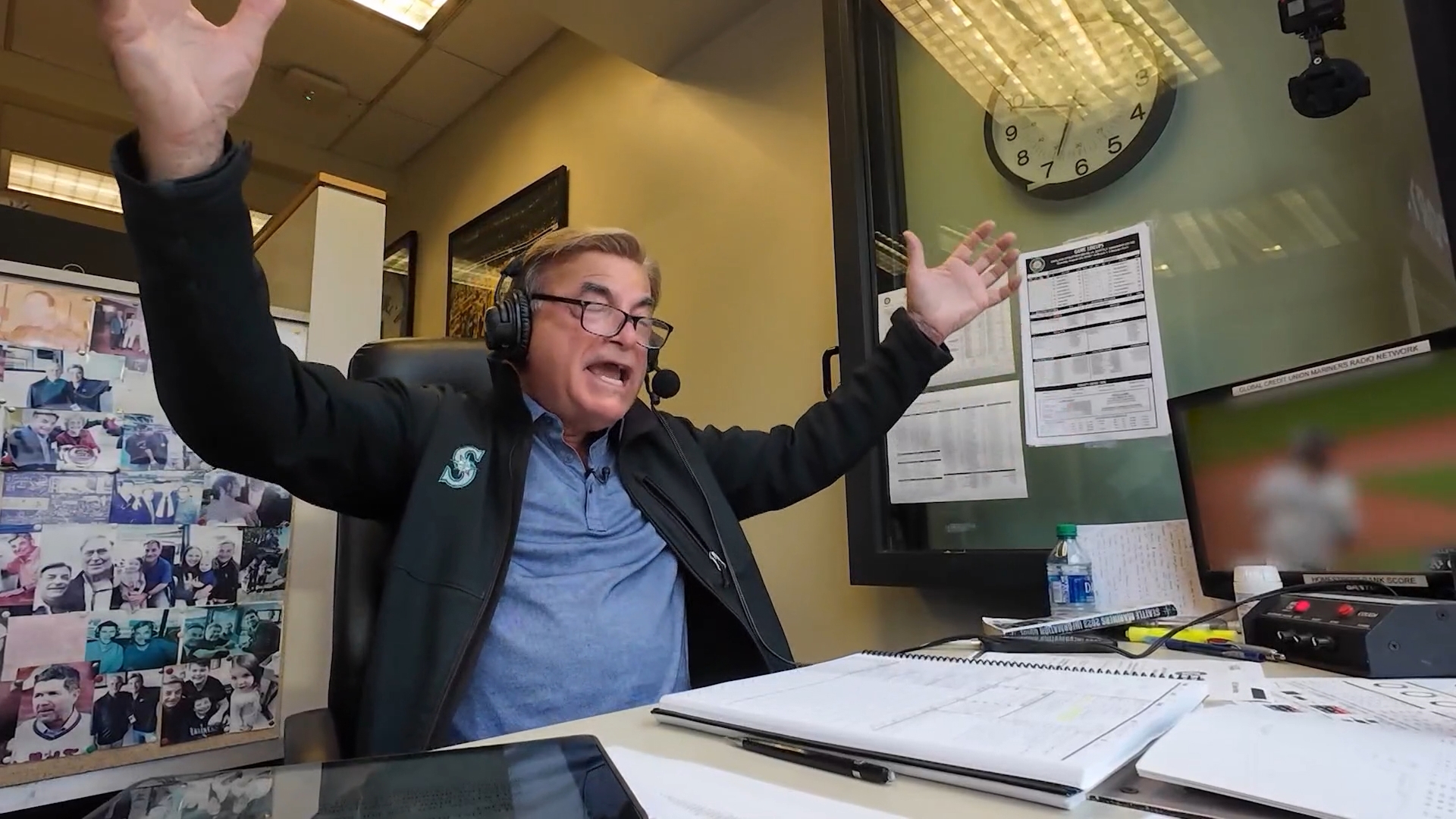
The club also confirmed its broadcast roster for the season. Aaron Goldsmith will serve as the primary TV play‑by‑play announcer, with Angie Mentink, Ryan Rowland‑Smith, Jay Buhner, and Dave Valle appearing as game analysts on select broadcasts. Brad Adam will host the pre‑ and post‑game shows. On radio, Rick Rizzs will return; he previously announced the upcoming season will be his final one as lead broadcaster, and Gary Hill Jr. will increase his on‑air presence.
These moves show the Mariners’ comprehensive approach to fan engagement. On one hand, the club uses digital technology to remove viewing barriers and provide maximum flexibility—particularly important in an era of cord‑cutting. On the other, through uniforms and social programs, the team strengthens ties to local history and community, highlighting its role as more than a sports franchise but also a cultural institution. Launching its own streaming service could set a trend for other MLB clubs facing similar regional broadcast challenges.