Today’s digest: the Seattle Kraken selected defenseman Chase Reid in the first round of the NHL draft, continuing to strengthen the defensive line. A FIFA World Cup match between Egypt and Iran in Seattle turned into a scandal over a “Pride Match” and protests. The Mariners retained utility player Miles Mastrobuoni, sending him to Tacoma to maintain roster depth.
Defenseman Chase Reid: the new Kraken first-round pick and his surprising climb
At the NHL Draft 2026 in Buffalo, the Seattle Kraken made its first-round selection, choosing right-shot defenseman Chase Reid, who played for the Ontario Hockey League (OHL) club the Soo Greyhounds. The pick was historic for the franchise: Reid is the first defenseman the Kraken have ever selected in the first round. A native of Chesterfield, Michigan, at age 18 he is showing impressive production: last season he put up 48 points (18 goals and 30 assists) in 45 games, the second-highest scoring output among all OHL defensemen.
What’s especially notable about Reid’s story is the incredible path that brought him to the top of hockey. He was released from the USHL (the league that precedes the major junior leagues) and sent down to the second tier of junior hockey in North Dakota. Still, talent and persistence helped him stick: the Greyhounds selected him only in the seventh round of the OHL draft, and from there he climbed step by step until he became one of the most promising big men of his age group. “Obviously, I had a long and tough road, but I wouldn’t want it any other way,” Reid said after his name was called on draft night.
To put it in context: the USHL is the top junior league in the United States, while the OHL is one of the three Canadian leagues that make up the CHL, where players aged 16 to 20 compete. The fact that Reid began in a lower-tier league and then was taken in the seventh round of the OHL draft (widely considered a very low draft position) speaks to his phenomenal determination and development. For the Kraken—who in recent years had not taken defensemen in the first round—that choice is a step toward strengthening the blue line. Reid is a right-handed defenseman, making him even more valuable in a market where right-shot defenders are scarce. In his interview on NHL.com, the club emphasizes that it was Reid’s high scoring and ability to operate effectively on the power play that made him a priority.
Key takeaways: the Kraken are betting on long-term development by picking a player with a unique history of overcoming obstacles, not a ready-made superstar rookie. Even with Reid leading the scoring among OHL defensemen, he still needs work on defensive skills. But his ability to fight his way from scratch into the major junior ranks—and then earn the attention of scouts—is a strong signal to fans. Over the next couple of years, he will either finish in the OHL or get a chance in the AHL, and then—most likely—make his NHL debut. Reid’s selection shows that Seattle is looking not only for physical strength, but also for intelligence, the ability to create chances, and leadership from the back end of the attack. It’s a step toward a new wave of defenders who will combine reliability with creativity.
Football and politics collide: Egypt vs. Iran at the World Cup in Seattle ends in scandal
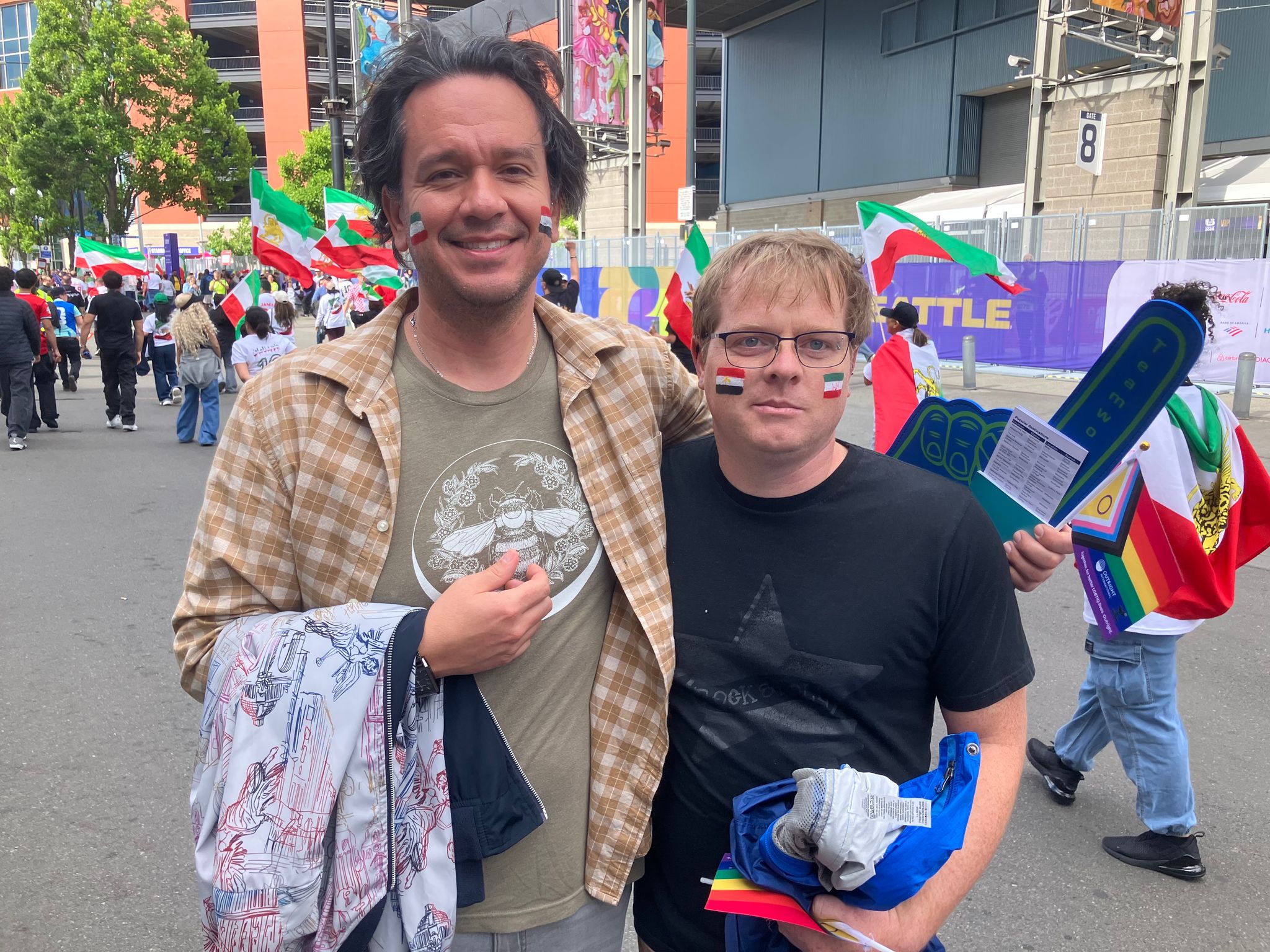
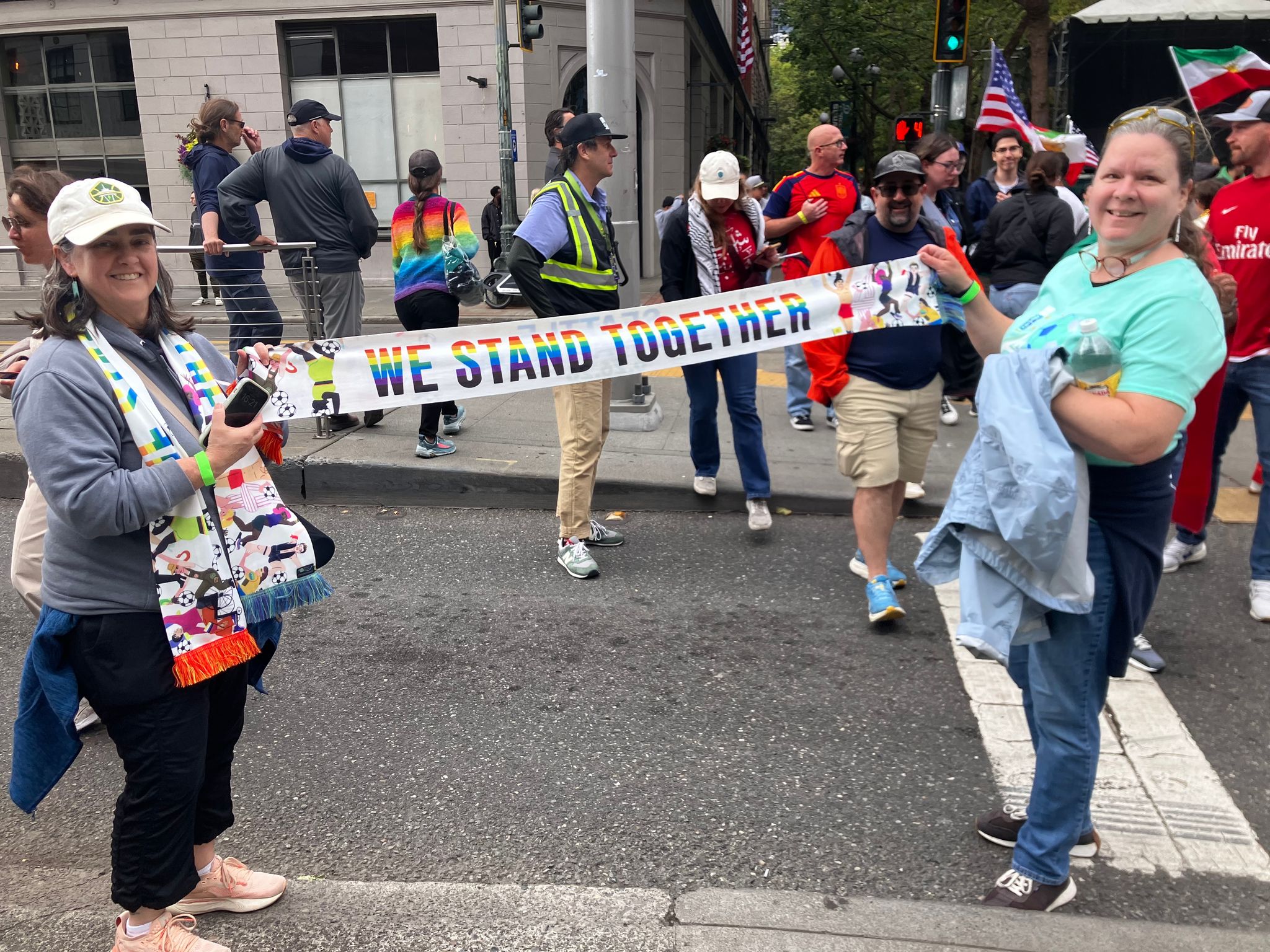
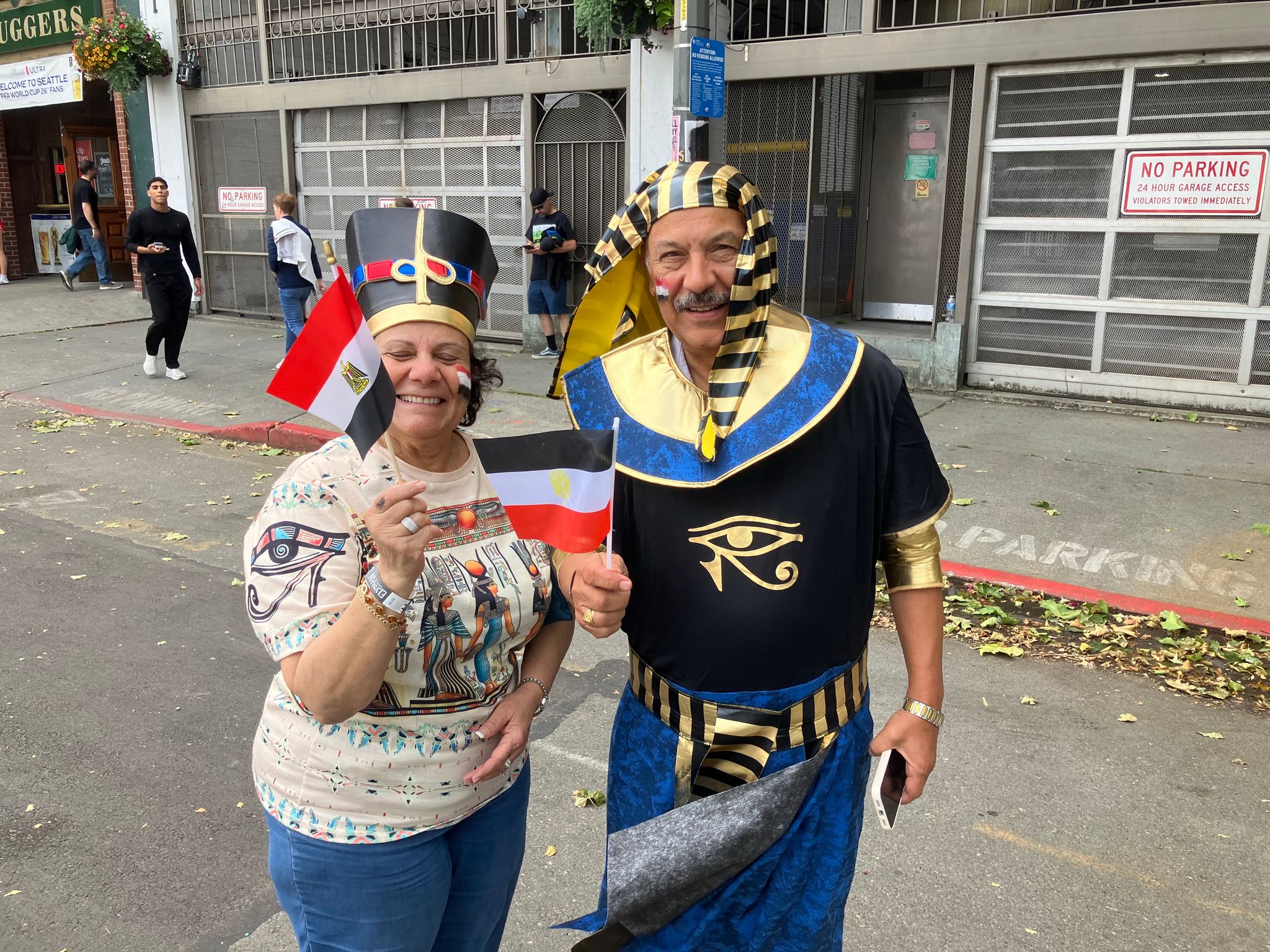
At Seattle Stadium on Friday evening, the fourth of six men’s FIFA World Cup matches hosted by the city took place. Egypt and Iran faced off, and local organizing committee officials had labeled the match a “Pride Match,” in honor of the city’s Pride Week celebrations by the LGBTQ+ community. However, that “dedication” was met with sharp rejection from both teams. In Egypt and Iran, same-sex relationships are criminalized, and the football federations of both countries publicly opposed having their teams associated with such themes. Still, the celebratory events around the stadium went ahead as planned.
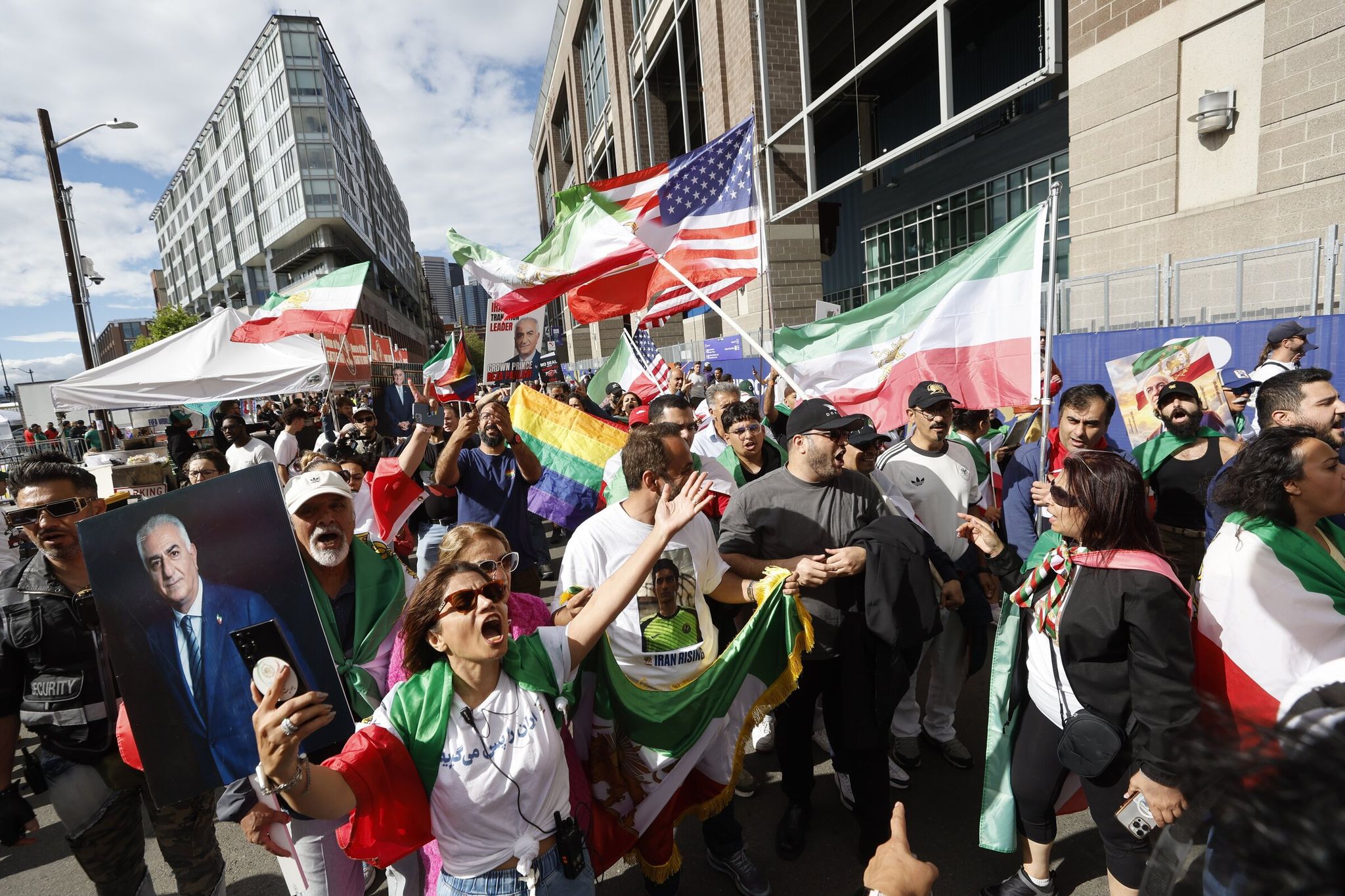
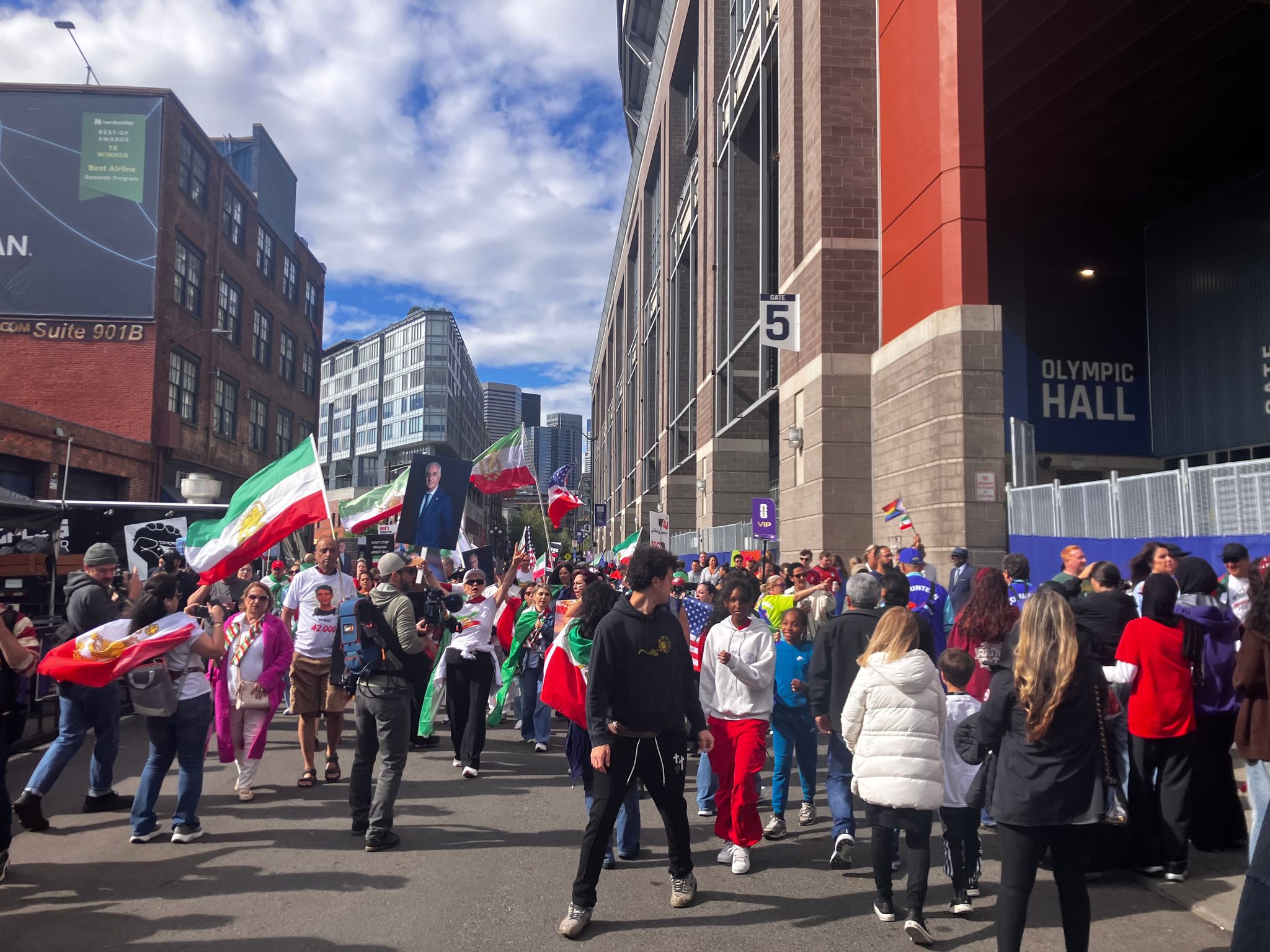
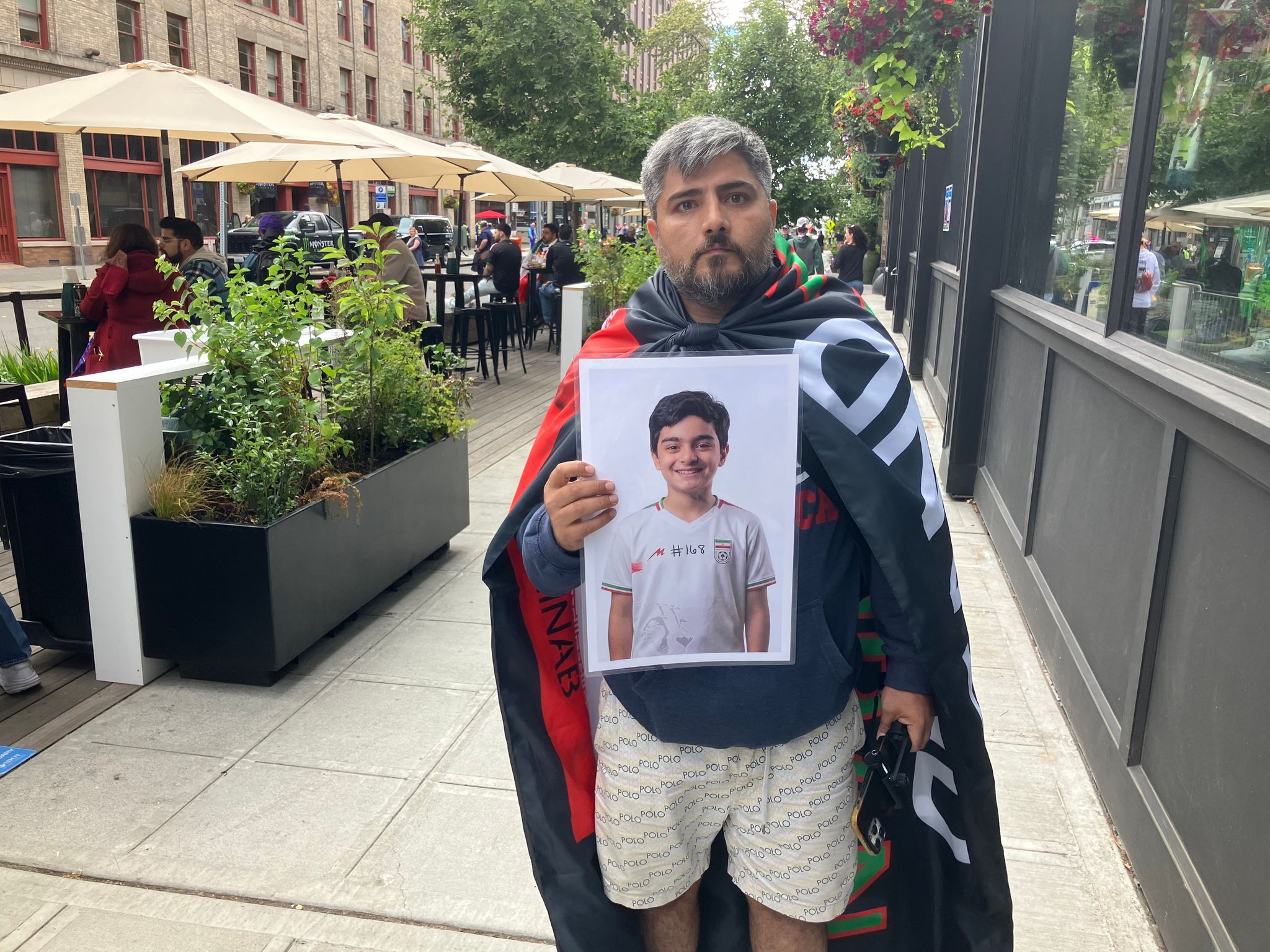
Alongside the ideological conflict, the Iranian delegation also ran into serious logistical and bureaucratic difficulties due to the continuing war between Iran and the United States. That inevitably left its mark on the team’s preparations for the match. Just hours before kickoff, protest groups gathered at Occidental Square—some critical of the Islamic regime and others expressing support for it. The atmosphere escalated to a breaking point.
On the field, the tension was just as intense. For Iran, a win was all that was needed to advance to the playoffs—a draw would very likely have left the team without a path forward. Egypt, by contrast, had essentially already secured a spot in the next round, so its main motivation was improving its seeding ahead of the draw. That said, a Friday win meant an additional match for Egypt in Seattle on July 1 in the Round of 32. As noted in an article by The Seattle Times, the game could be watched on television, and city transit—set to set ridership records this summer—ran on a special schedule.
The match was a vivid example of how sport can collide with sharp social and political issues. The “Pride Match” design in a city known for its progressive stance ran up against the laws of the participating countries. For context: in Iran, same-sex relationships can be punished up to and including the death penalty; in Egypt, they carry prison sentences. As a result, rainbow symbolism on the stadium grounds was viewed by players and fans from those countries as a direct provocation. The organizers, meanwhile, insisted that it was simply part of a citywide celebration of inclusivity that was not being forced on the teams. Nevertheless, the incident exposed a deep divide between the host side’s values and the cultural norms of its guests. At the same time, the protests at the square showed that Seattle’s Iranian diaspora is also split: some marched with demands for freedom, while others held portraits of leaders. All of this unfolded against the backdrop of a real war that complicated the Iranian national team’s trip. In other words, one evening at the stadium contained both the fight for advancement and broader global human conflicts.
Seattle Mariners keep a utility reserve: an analysis of the Miles Mastrobuoni situation
The Seattle Mariners decided not to lose veteran utility player Miles Mastrobuoni, who had been placed on DFA (designated for assignment) last week. As reported in an article by Seattle Sports, the 30-year-old cleared waivers and was claimed by no other MLB team. As a result, he was outrighted to the Triple-A affiliate Tacoma Rainiers, while also leaving both the 40-man expanded roster and the active 26-man roster.
This move was possible because of the specifics of Mastrobuoni’s contract. Even though he has used up his options for sending to the minor leagues (out of minor league options), he is not eligible to be outrighted directly to Triple-A without his consent because his MLB service time is under three years, and he has never been through that process before. For the Mariners, that means they retain roster depth: a utility player who can handle multiple positions remains available to be called up if needed.
Reminder: Mastrobuoni was placed on DFA on June 19, when the Mariners called up veteran Weston Wilson from Tacoma in his place, with Wilson batting right-handed. That decision was driven by roster imbalance: Seattle had too many left-handed batters, and Mastrobuoni, as a lefty, didn’t solve that problem. The player spent much of the season on the injured list due to a calf strain he suffered while playing for Italy during the World Baseball Classic in March. After recovering, he went on a full month-long rehab assignment with Tacoma, then returned to the Mariners in mid-June.
In eight games with the big club, Mastrobuoni got time at four positions: first base, second base, third base and left field. His batting line over that short stretch was 5 hits in 23 at-bats (a .217 batting average). Last season, when he played a career-high 76 games for the Mariners, his numbers were modest: .250/.324/.296 with 1 home run and 4 doubles. Still, versatility remains his biggest asset, and now he can continue building his form with Tacoma, where the next game is Friday against the Round Rock Express.
To understand what’s happening, it helps to clarify a few terms. “Designated for assignment” (DFA) is a temporary status under which a club must, within seven days, either trade the player or place him on waivers. If another team claims him on waivers, it takes over his contract. If nobody claims him, the player can be outrighted to Triple-A, provided he meets certain service time and prior option/outright criteria. “No minor league options” means the player can’t be sent down to the lower leagues without his consent—but in Mastrobuoni’s case, consent isn’t required because he hasn’t yet accumulated three years of service time. That gives the Mariners flexibility: they can keep him in Tacoma as a reserve option in case of injuries or if someone in the everyday lineup struggles.
For now, Seattle (41-41) is preparing for a three-game series in Cleveland against the Guardians (42-39), who share the lead in the AL Central Division. First pitch is Friday at 4:10 p.m. Pacific time. While the team is fighting for first place in the AL West, keeping depth like Mastrobuoni’s could prove useful over the long haul of the season—especially since experienced utility players who can cover multiple positions are highly valued.