In today’s roundup: Randy Arozarena makes the MLB All-Star Game for the third time, showing a more mature approach; the United States men’s soccer team received a special send-off at Seattle’s Mariners Stadium ahead of the Round of 16 match at the 2026 World Cup against Belgium; ticket prices for the game swung sharply, dropping to $1,423 before bouncing back slightly.
Randy Arozarena: a third All-Star Game and a mature approach to hitting
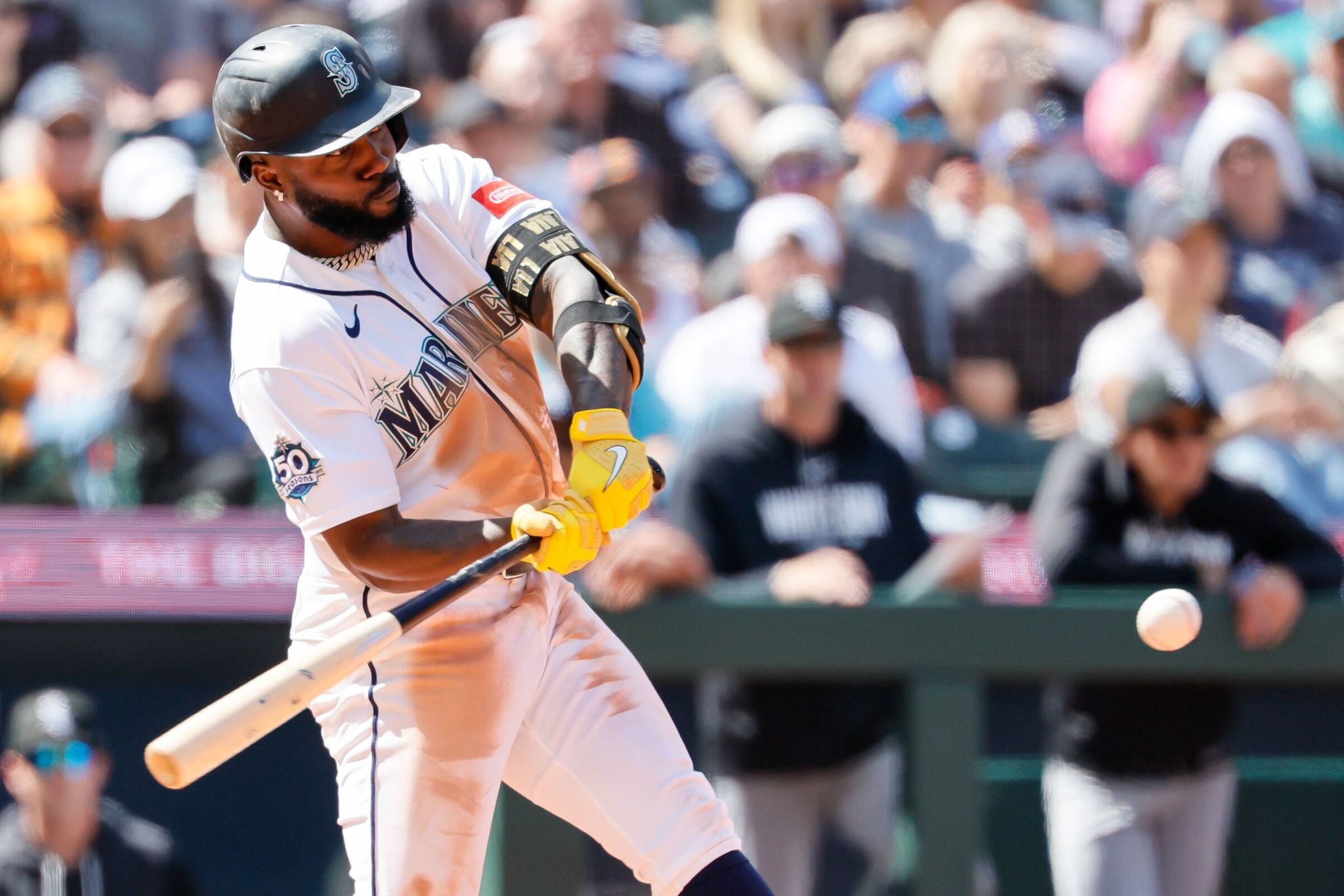
When, on Saturday morning, the Seattle Mariners held a team meeting and announced that Randy Arozarena would be the team’s only representative at the upcoming MLB All-Star Game in 2026, he took the field and immediately validated the selection. That same day, the Cuban outfielder hit a grand slam, collected three hits in four at-bats, drove in a double, and delivered four RBIs in a lopsided 11–0 rout of the Toronto Blue Jays. For Arozarena, it is his third All-Star selection in his career and his second straight as a member of the Mariners. Speaking to a correspondent for The Seattle Times (source: Seattle Times), he said each invitation is meaningful, but this one is “a little more significant,” because it reflects discipline, hard work, and the support of fans.
At 31, Arozarena is putting up impressive numbers: in 82 games this season, he has a .287/.376/.453 line—often referred to as a “slash line” (batting average, on-base percentage, and slugging average). His totals include 54 runs, 21 doubles, one triple, nine home runs, 41 RBIs, 32 walks, and 19 stolen bases. This is his final season before he hits the free-agent market, and he’s playing at the highest level—making him one of the most intriguing right-handed hitters of the coming offseason. The player himself attributes his progress to a more mature approach: he is no longer trying to hit home runs at all costs, and instead aims to be a more complete hitter, using the whole field. He has been working on that strategy under the guidance of a trio of hitting experts for the Mariners—legendary Edgar Martínez, Kevin Seitzer, and Bobby Magallanes.
Arozarena was never considered a top prospect; he made it to the majors through the St. Louis Cardinals system. His journey from a virtually unseen rookie to the owner of a record postseason hit streak with the Tampa Bay Rays—and now a three-time All-Star—is a story of persistence. He recalls that as a child he didn’t even dream of the Major Leagues, but now he treats every All-Star invitation like a small acknowledgement of everything he has earned along the way. Being able to share a locker room with the league’s best players matters to him, as does getting to experience the moment with his family and feeling that the hard work pays off.
Notably, because of injuries to many outfielders in the American League, Arozarena could even make the All-Star starting lineup. At the Mariners, they also hope that if any of the selected players withdraw, the next invitation could go to second baseman Cole Young or one of the starting pitchers, such as Bryce Miller. For now, all eyes remain on Arozarena, who is proving that hard work and the ability to adapt can turn a player no one talked about into a star of baseball’s main summer spectacle.
U.S. team send-off in Seattle: a football celebration ahead of a historic World Cup match
Ahead of the Round of 16 match at the FIFA World Cup in which the United States will face Belgium, an unusual ceremony took place in Seattle. Members of the U.S. national team were guests at a baseball game between the Seattle Mariners and the Toronto Blue Jays at T-Mobile Park. The event coincided with the celebration of U.S. Independence Day and turned into a true sports celebration. As reported by KOMO News, each U.S. player was officially introduced to a packed crowd, with the highlight being the ceremonial first pitch thrown by the team’s head coach Mauricio Pochettino. The pitch was caught by Mariners manager Dan Wilson. The crowd erupted with applause and chants of “USA!”
That gesture wasn’t just entertainment—it symbolized the deep connection between the city and the national team. Team captain Tim Ream said Seattle always “goes all-in” for its sports teams, and the overlap with baseball is a great example. Midfielder Tyler Adams added that the team is lucky to have such incredible support, and he especially called out Seattle’s hospitality, where Americans had previously won against Australia. Returning to a familiar setting right before the biggest match of his career, he said, gives the team confidence and energy.
The match against Belgium is being called the biggest in the history of American soccer. It’s a chance to reach the quarterfinals—something the U.S. hasn’t achieved in 24 years. And the fact that the deciding game will be played in Seattle, which the squad has chosen for its home matches, adds to that belief. The city, already proven itself on the national sports stage, is now stepping onto a global level. The celebration at T-Mobile Park felt like a mix of pre-match hype, Independence Day festivities, and a send-off for a historic run. Seattle, according to the article’s authors, gave the team exactly the feeling of being at home that could become a deciding factor on the field.
Ticket prices for the 2026 World Cup Round of 16: US vs Belgium crashed, then bounced back slightly
One week before the historic meeting between the United States and Belgium in the 2026 World Cup Round of 16, ticket prices at the Seattle stadium saw dramatic swings. According to TicketData.com, the lowest available entry price for the game initially spiked to nearly $4,000 on June 1, but then unexpectedly plunged. By midweek, on Tuesday, it had fallen to $1,549. However, after the Americans’ confident 2–0 win over Bosnia and Herzegovina, which secured their place in the knockout stage, the price jumped to $2,836. It seemed as if the hype would only grow—but the market behaved differently.
In the following days, the price dropped again, reaching $1,423 on Saturday afternoon—32% lower than three days earlier. But closer to evening, by 6:00 p.m. ET (23:00 GMT), the minimum cost of a ticket rebounded to $1,635, moving the United States–Belgium match from fourth to second place among all eight Round of 16 games in terms of expense. Only the Mexico vs. England match in Houston was more expensive, with an entry price of $3,574.
Interestingly, the drop in demand for Seattle’s game looks paradoxical given the tournament’s geography. Belgium’s base camp is just 16 kilometers south of the stadium—at the Seattle Sounders training facility. It’s also the third match in Seattle for the “Red Devils”: earlier, they drew Egypt (1–1) in the group stage and then earned a dramatic come-from-behind win over Senegal (3–2) in the Round of 16. Still, the pricing dynamics suggest that the market’s initial overheating after the U.S. advanced to the Round of 16 was replaced by a more sober assessment from fans.
According to the same service, among the other Round of 16 matches, the cheapest ticket was for the Canada vs. Morocco game ($721), which—incidentally—ended with Canada routing Morocco 3–0 and being eliminated from the tournament. Three days before that match, the price for it had fallen 14%—from $838 to $721. That supports the idea that ticket prices are influenced not just by opponents’ profiles, but also by current team results, as well as how close the stadium is to where the squads are staying. A report by Al Jazeera notes that the drop in price for the United States–Belgium match is, in part, surprising given the location of Belgium’s base.
For anyone unfamiliar with the terminology of the secondary ticket market, it’s important to clarify that the “get-in price” is the minimum price at which you can buy a ticket for a specific match at that time. It constantly changes based on supply, demand, and fans’ expectations. Big swings up and down are common for top matches—especially when teams haven’t yet guaranteed a spot in the next round. In this case, it seems the market overestimated interest in the game after the U.S. reached the Round of 16, and then corrected downward—possibly due to a large number of resold tickets that sellers are now trying to move at a discount. Such volatility is a perfect illustration of how emotion and pragmatism collide in the ticket marketplace for the world’s biggest football tournament.