
Seattle is trying to work through about 5,000 criminal cases in which the City Attorney’s Office has yet to decide whether to file charges or dismiss them. City Attorney Erika Evans and City Councilmember Dionne Foster have proposed a one-time allocation of $1 million in the 2027 budget to pay for temporary staff and contracts with local law firms. Cases involving domestic violence, elder abuse, assault and harassment would be prioritized.
The backlog is more than an administrative statistic. Behind every police report are victims, witnesses and defendants who can go months, sometimes years, without knowing whether a case will go to court. Evans says some victims have waited up to two years for a decision on whether charges will be filed. That kind of pause is especially disruptive in domestic-violence cases: legal uncertainty can coincide with someone’s attempt to leave a dangerous partner, find housing, obtain a protection order or rebuild their daily life.
The Seattle City Attorney’s Office handles misdemeanors and gross misdemeanors—that is, less serious crimes usually handled by the King County Prosecuting Attorney’s Office. Its cases include driving under the influence, minor assaults, domestic violence, theft and trespassing. The Municipal Court can impose up to 364 days in jail and a $5,000 fine for a gross misdemeanor. That is why the word “minor” can be misleading in this part of the justice system: domestic violence or stalking may be classified as a misdemeanor, but that does not make their consequences any less serious for victims.
According to the City Council, about 1,700 cases in the current backlog, or roughly a third, involve allegations of domestic violence. Another 830 are criminal traffic violations, including DUI cases; 715 involve stalking and harassment. Not every case results in charges: prosecutors must assess whether there is sufficient evidence, whether deadlines have been met, and whether victims and witnesses can be contacted. But the longer a case sits without a decision, the greater the risk that a witness will move away, memories will fade and evidence will become harder to use.
The problem did not begin in a single election cycle. According to data from the City Attorney’s Office, the backlog began growing before August 2019, shifted during pandemic-related court closures, and rose sharply by early 2022. Former City Attorney Ann Davison’s administration introduced an expedited review policy for new cases to keep them out of the general backlog and launched special projects to address older cases. But the office’s transition to a new case-management system in 2025 made the work difficult again: data migration and information-sharing disruptions sent some cases back into the “awaiting review” pile.
The current figure of 5,000 also reflects how the backlog is counted. Evans’ administration includes cases for which no decision has yet been made—whether to file charges or decline them. In previous years, cases such as DUI offenses awaiting toxicology results may have been excluded from those statistics. That does not diminish the scale of the delay, but it helps explain why figures from different administrations are not always directly comparable.
Foster’s proposed $1 million is not yet an approved expenditure; it is an amendment to Seattle’s two-year 2027–28 budget. It calls for a short-term push, paying for outside attorneys, paralegals, interns and other temporary resources under the City Attorney’s Office. Meanwhile, several councilmembers have proposed a different approach: permanent funding for four new assistant city attorneys, at a cost of about $562,000 in 2027 and $715,000 in 2028. A separate proposal would allocate $277,000 annually for toxicology testing and witness travel, since delays in lab results particularly slow DUI cases.
In the coming days, the debate will be less about whether the backlog exists than about how to address it: with a one-time effort or by expanding permanent staffing. The Council’s budget committee has begun discussing the amendments; on November 4, the committee chair is expected to present a consolidated package of decisions, with public hearings scheduled for November 5. Meanwhile, Evans’ office is reorganizing its domestic-violence work so that one prosecutor handles each case from initial review through sentencing, and is creating a separate DUI team. These measures do not promise to make 5,000 cases disappear overnight, but they set a more modest and important goal: that waiting for a decision no longer becomes a punishment in itself—for victims or defendants.
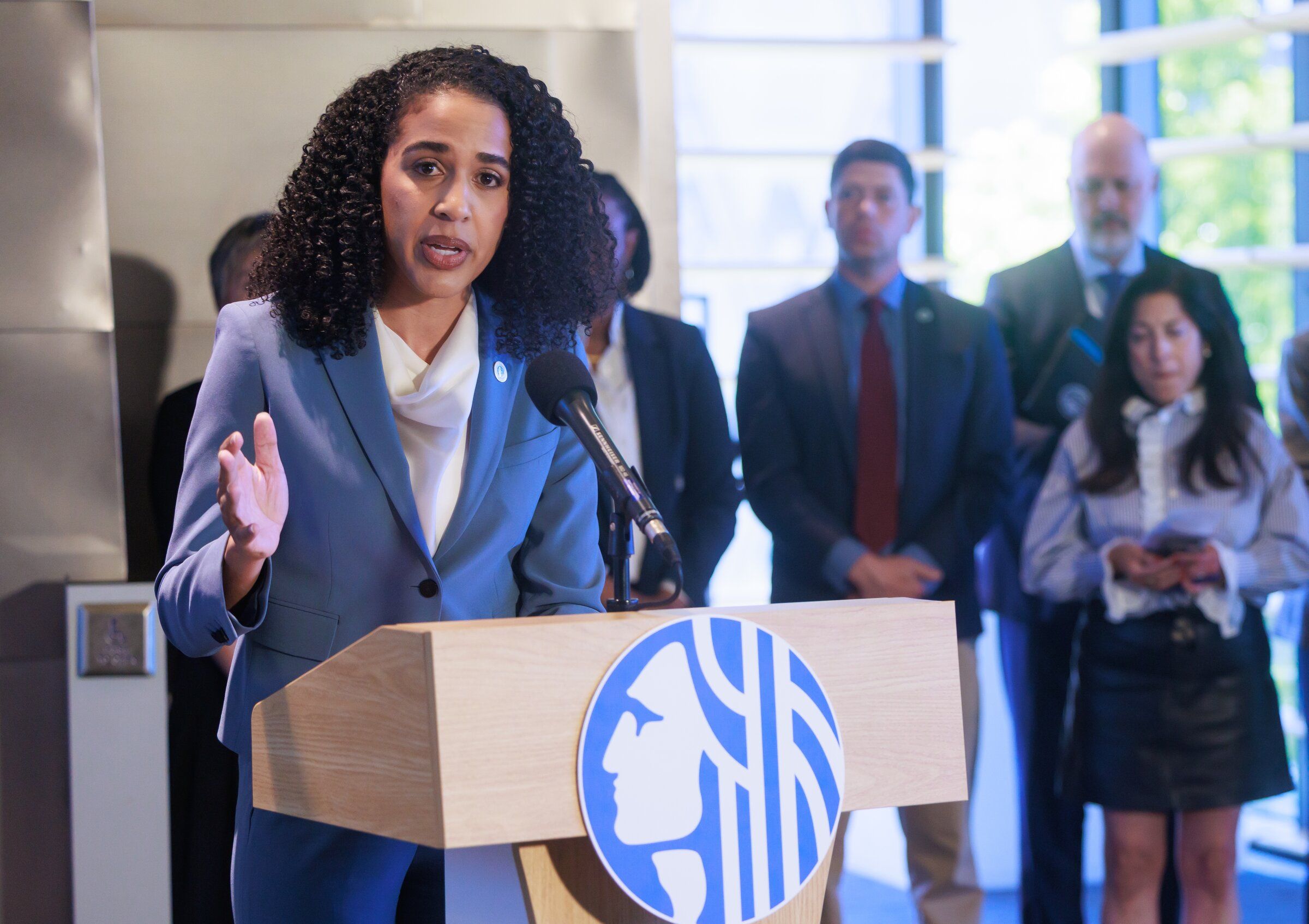


Based on: Proposals seek to wipe out Seattle city attorney’s 5,000-case backlog