Residents of Seattle are calling for action after riots on Alki Beach on Independence Day. The city is wrapping up the FIFA World Cup and is planning new tournaments. The region’s only public film studio is saved thanks to a nonprofit organization.
Riots at Alki Beach on Independence Day: Seattle residents demand meeting with mayor and police chief
July 4 on Alki Beach in West Seattle turned into a full-blown nightmare: large crowds stayed well after the official closing, setting off fireworks that, according to eyewitnesses, were flying directly into the crowd—toward homes and even toward first responders. Locals describe what’s happening as “complete anarchy” and “bedlam,” stressing that it is not a one-off incident but a recurring problem year after year. In an article on KOMO News, Charlotte Stark, president of the Alki Community Council, said videos filmed by residents show “complete anarchy” and “a real uprising”: arson, assaults, and fireworks launched at police and firefighters. She said unequivocally that the city cannot allow everyone to do whatever they want, whenever they want.
Residents say the Seattle Police Department simply didn’t put enough personnel on patrol at the beach: according to them, that night there were too few officers in Alki and across West Seattle to respond adequately to the massive crowd. One neighbor, who asked not to be named, said young people were firing at each other with “mortars”—large fireworks capable of exploding with significant force—and watched as they set dry areas on fire, apparently without consequence. Although the police confirmed that they made no arrests related to the riots, some residents believe the city’s resources were stretched thin due to the FIFA World Cup events taking place in Seattle, which they say allowed the nighttime crowds to get out of control.
This chaotic celebration was the continuation of a string of violent incidents in the area in recent months, including multiple shootings and a carjacking involving a weapon. Locals had previously asked authorities to take action before summer began, warning that late-night gatherings traditionally end in crime, reckless driving, and shooting. In response, the Seattle Police Department launched so-called directed patrols—assigning two officers to night shifts at Alki, adding additional lighting, and introducing a closure of the beach and boat dock at 10:30 p.m. But neighbors say these measures were not enough.
As a result, the Alki Community Council wants to secure a meeting with Mayor Katie Wilson, Police Chief Sean Barnes, and City Councilmember Rob Saka to discuss immediate investments in public safety. Residents want officials to understand the scale of violence and the disruption of public order, and to prevent a repeat of similar incidents at future summer events. Proposals include increasing the number of officers for the South Precinct, rolling out new technologies, and legislative changes aimed at tackling organized riots, arson, and repeat offenders who coordinate their actions through social media. For now, Alki residents say they feel left to handle things themselves and are demanding decisive action from the city.
What’s next for Seattle after the FIFA World Cup?
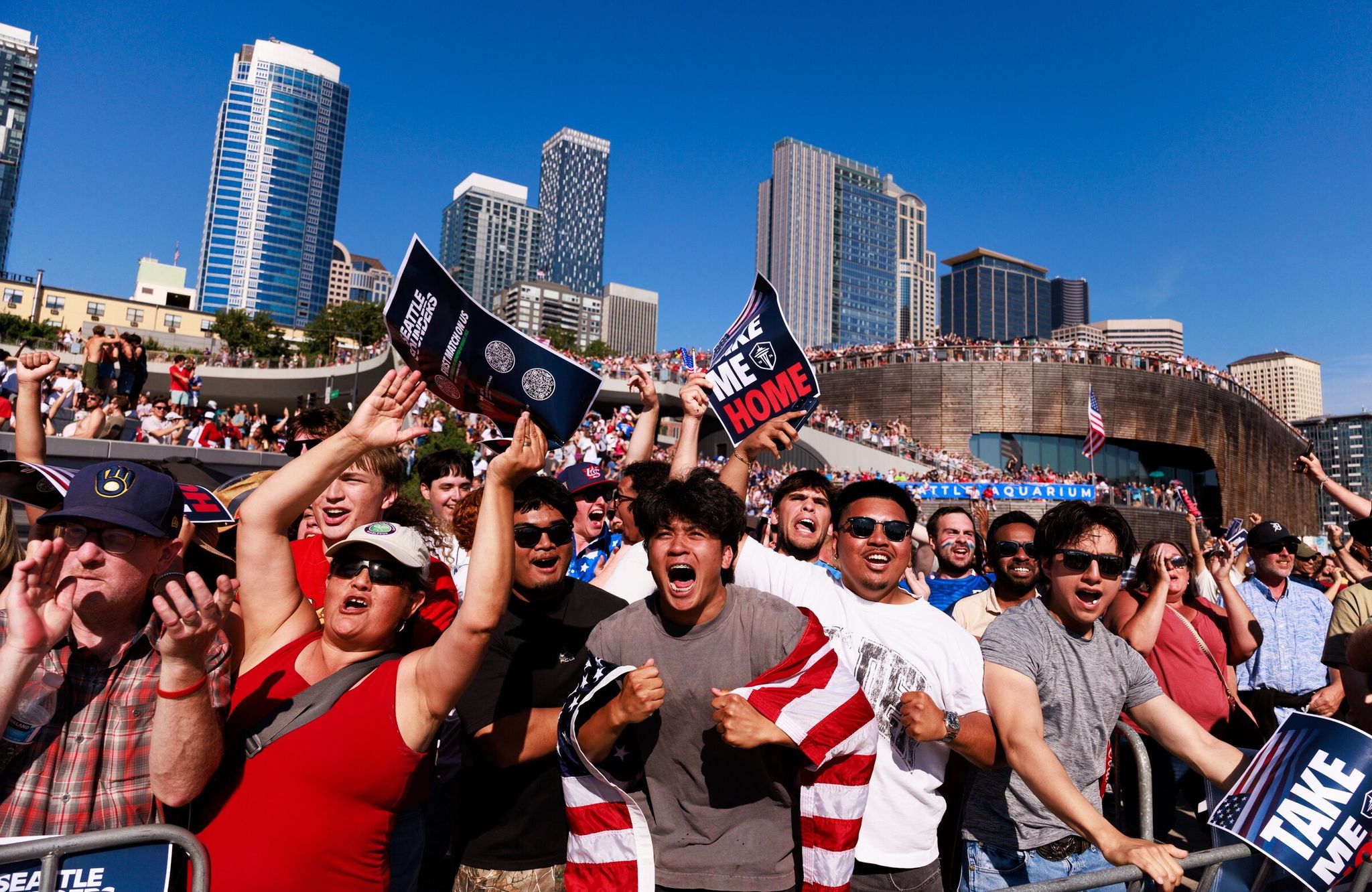
Seattle shined with six men’s FIFA World Cup matches in 2026, and now city leaders are already looking ahead, aiming to host other major global sports events, including the 2031 Women’s World Cup. In an article by The Seattle Times (https://www.seattletimes.com/business/whats-next-for-seattle-as-the-fifa-world-cup-winds-down-in-the-city/), the publication details how the city handled the influx of fans, what economic benefits it gained, and what lessons it drew.
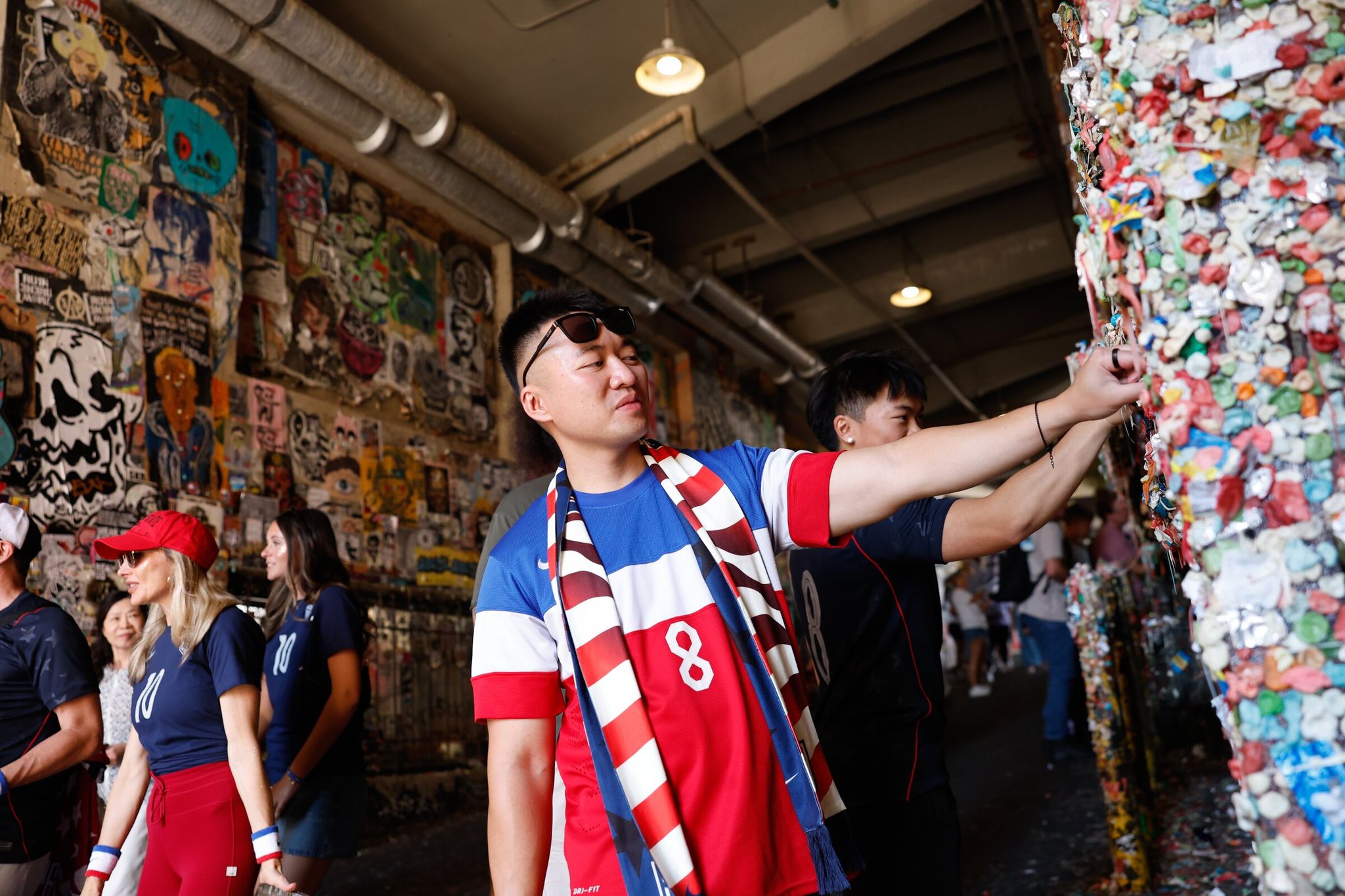
Organizers are confident. Peter Tomodzawa, executive director of the local organizing committee, said they are “100%” focused on a bid for the 2031 women’s tournament. In his view, it would be a huge mistake not to try to win that right. The event turned into a real celebration for the city: the summer atmosphere charmed tourists, downtown saw a significant economic boost, and the matches proceeded without any incidents.
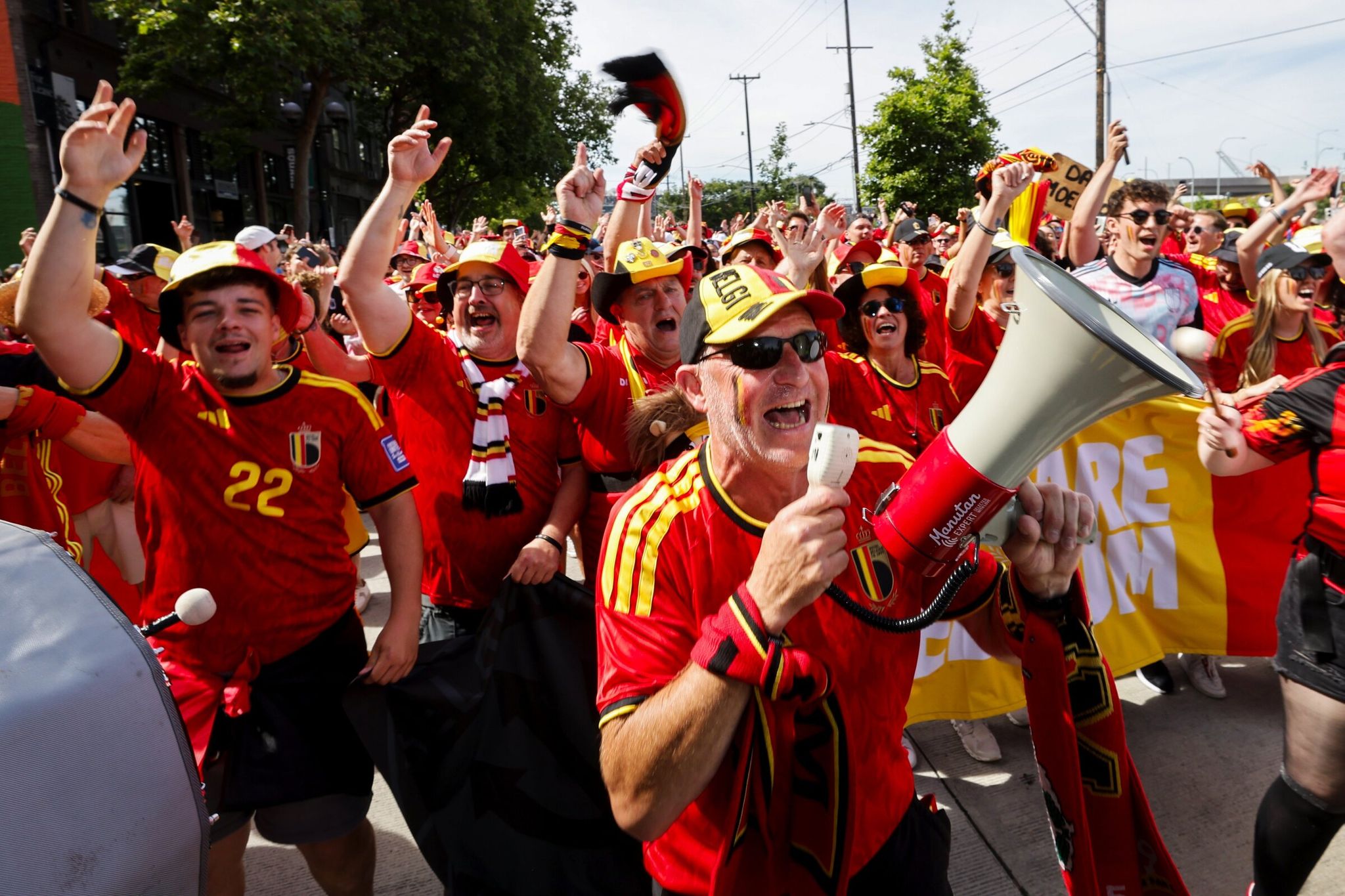
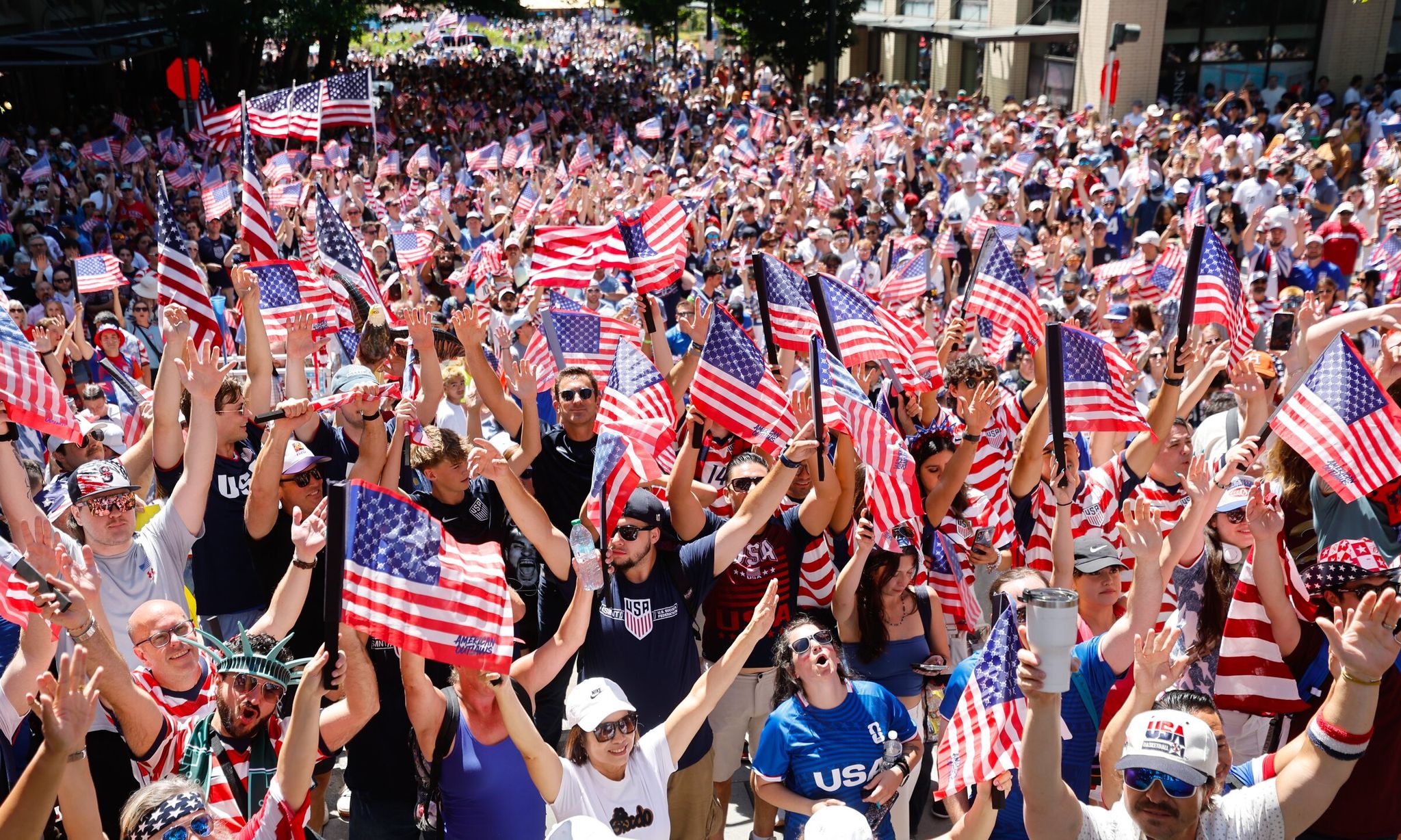
Six games held at Lumen Field (renamed Seattle Stadium during the tournament) began on June 15 with Belgium vs. Egypt and ended on June 31 with the U.S. team’s elimination by Belgium in the round of 16. Organizers say the biggest takeaway was not the sporting results, but record attendance at the fan zones and overall safety. For example, on the day the U.S. played Australia, more than 580,000 people visited downtown, and 25,000 fans took part in a march supporting the U.S. national team. Hotels set a daily revenue record on June 18, and over the week revenues rose by 40% compared with the previous year.
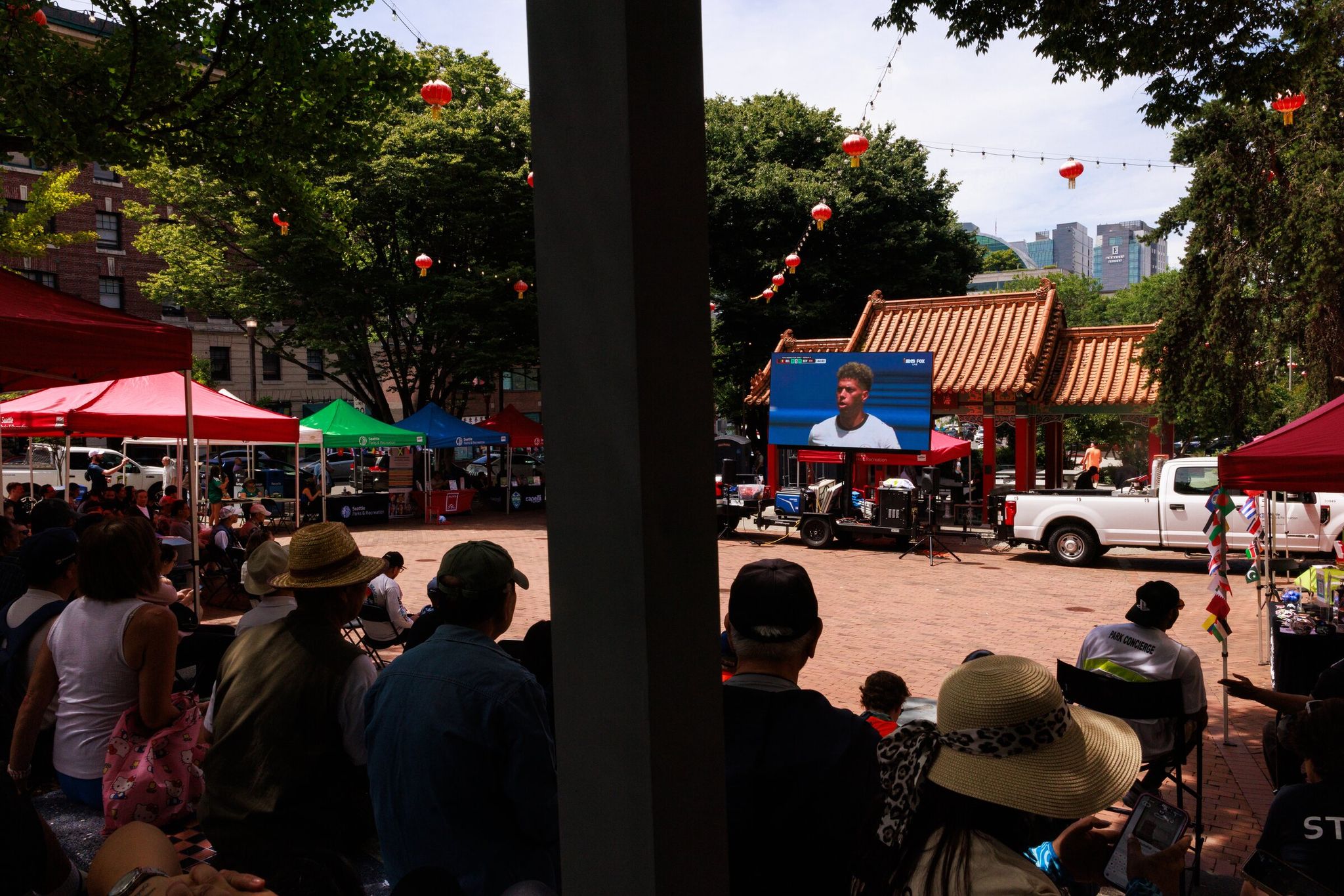
Particular emphasis is placed on the lack of serious incidents despite the tense Egypt–Iran match, which took place during Pride days. The head of security, a former Seattle police chief, John Diaz, received high marks. At the same time, some areas—such as Chinatown—felt overlooked, and organizers acknowledged that fan zones should have been set up there earlier. About 2,500 people attended a match watch party at Hing Hay Park.
Now Bet Knox, president of the Seattle Sports Commission, is leading a campaign to have the city added to the list of hosts for the 2031 Women’s World Cup. She expects FIFA to name host countries by the end of this year, and the U.S. together with Mexico, Costa Rica, and Jamaica have already submitted a joint bid. In addition, other “mega-events” are also being considered: NCAA championships, international youth tournaments, the 2028 Olympic torch relay, golf tournaments, and even the Rugby World Cup. However, Knox warns that such events require substantial financial investment: the city must cover hosting costs. Still, Seattle leaders are confident the city passed the test and is ready for new challenges. “We aced it,” Tomodzawa summed up, calling the tournament the moment he is most proud of.
Harbor Island Studios saved thanks to a local nonprofit
Funding for the only public film studio in the Seattle region was put in jeopardy after the King County Council nearly voted to eliminate it in November 2025. However, as The Seattle Times reports, the situation was turned around thanks to the involvement of a local nonprofit organization. Harbor Island Studios got a lifeline on Tuesday, when an annual lease agreement was signed between the nonprofit CREATE48 Media Network and the county council. The executive director of King County, Geirmay Zahila? (spelled as in the release), said in a press release that the deal gives the studio some breathing room.
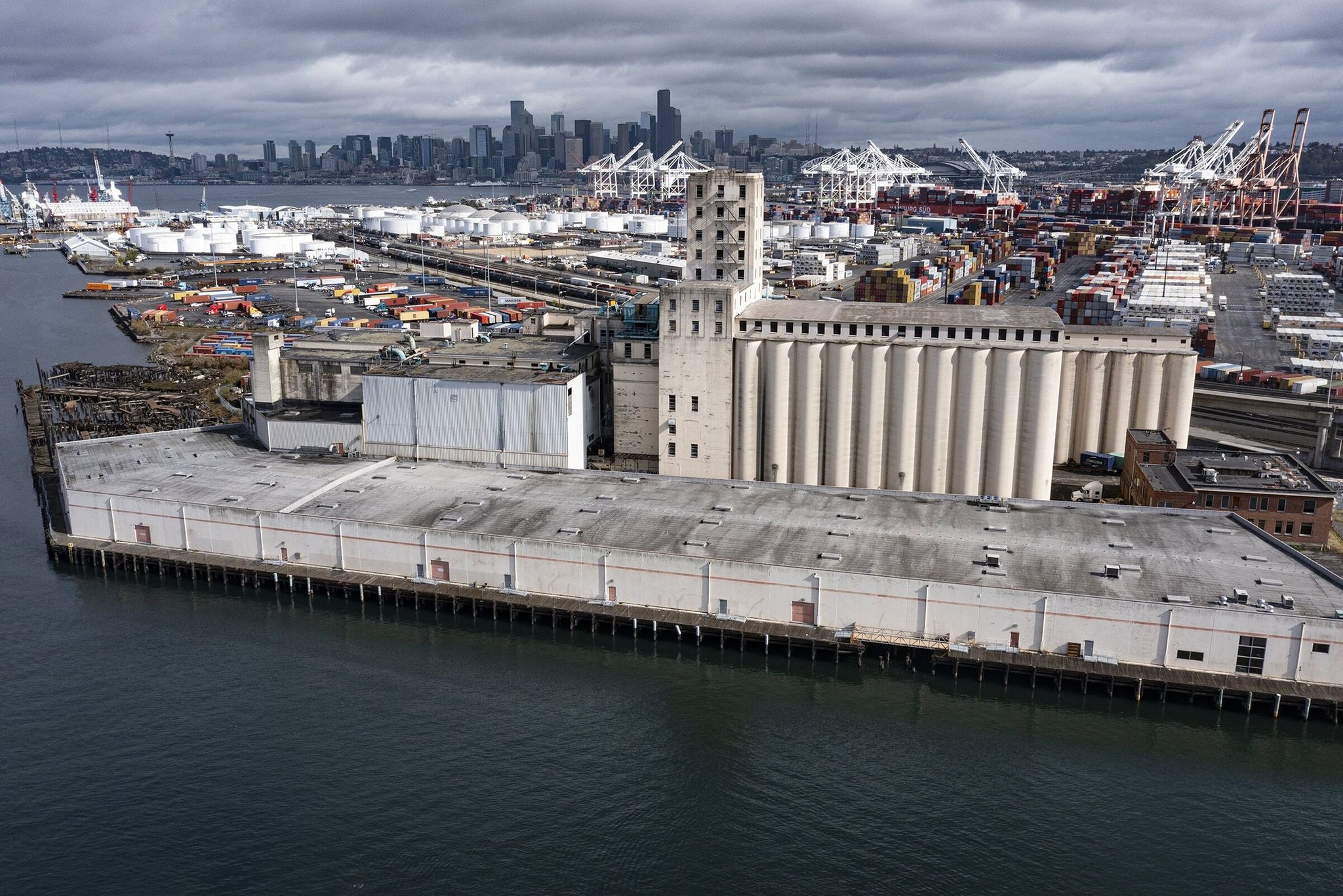
Harbor Island Studios is the only publicly owned soundstage in the region, spanning about 89,000 square feet. The site includes two soundstages, a green-screen room, a dressing room and art rooms, a sewing shop and costume workshop, as well as a carpentry shop and offices. Before it opened in 2021, the building was an unused flour mill. Over its operating period, the studio has welcomed 160 projects from giants such as Amazon, HBO, Netflix, and Paramount, including independent shorts, feature films, commercials, and music videos. In 2023, a season of the reality show “Love Is Blind” was filmed there as well.
Zahila? emphasized that the studio is a unique public asset that supports the film industry and the creative economy in King County. He said he was pleased to find a nonprofit partner that will continue supporting the community while a long-term strategy is developed to ensure there is accessible space for filming and production. In November, 67 members of the film community spoke in favor of the studio at a county council meeting after its funding was cut.
CREATE48 Media Network executive director Kirk Nordenström said this is about preserving a valuable public asset that must remain accessible and meet the needs of the region’s creative economy. He noted that the studio can serve both professional productions and the local creative community, and that their goal is to provide practical, mission-driven management at the next stage. Immediately after taking office, CREATE48 announced its first public event at the studio: the “Seattle 48-Hour Film Project.” On Friday at 5:00 p.m., filmmakers will gather at Harbor Island Studios to, over two days, go through the full process from writing the script to delivering a finished film.
For those unfamiliar with the terminology: a soundstage is a soundproofed room designed for filming movies and TV shows, where lighting and audio can be controlled. The green-screen room is used to composite special effects and backgrounds. The “48-Hour Film Project” is a competition in which teams of filmmakers must create a short film within 48 hours, which requires high organization and creative ingenuity.
This case vividly illustrates how public-private partnerships can save important infrastructure when public budget funding is scaled back. For filmmakers in the region, keeping Harbor Island Studios isn’t just about a building with equipment; it’s an accessible space that many independent projects could not otherwise make. The long-term strategy Zahila? mentions will likely include finding stable funding and expanding the number of partners so that similar crises don’t recur.