
Four Seattle residents, including Capitol Hill homeowner Elizabeth Forsyth, are challenging extra charges from Seattle Public Utilities for allegedly leaving garbage bags beside their bins. Their dispute concerns not only the relatively small amounts on individual bills, but also a system in which a contractor’s driver records “extras,” and the charge may then appear on the third page of a combined water, sewer and waste collection bill.
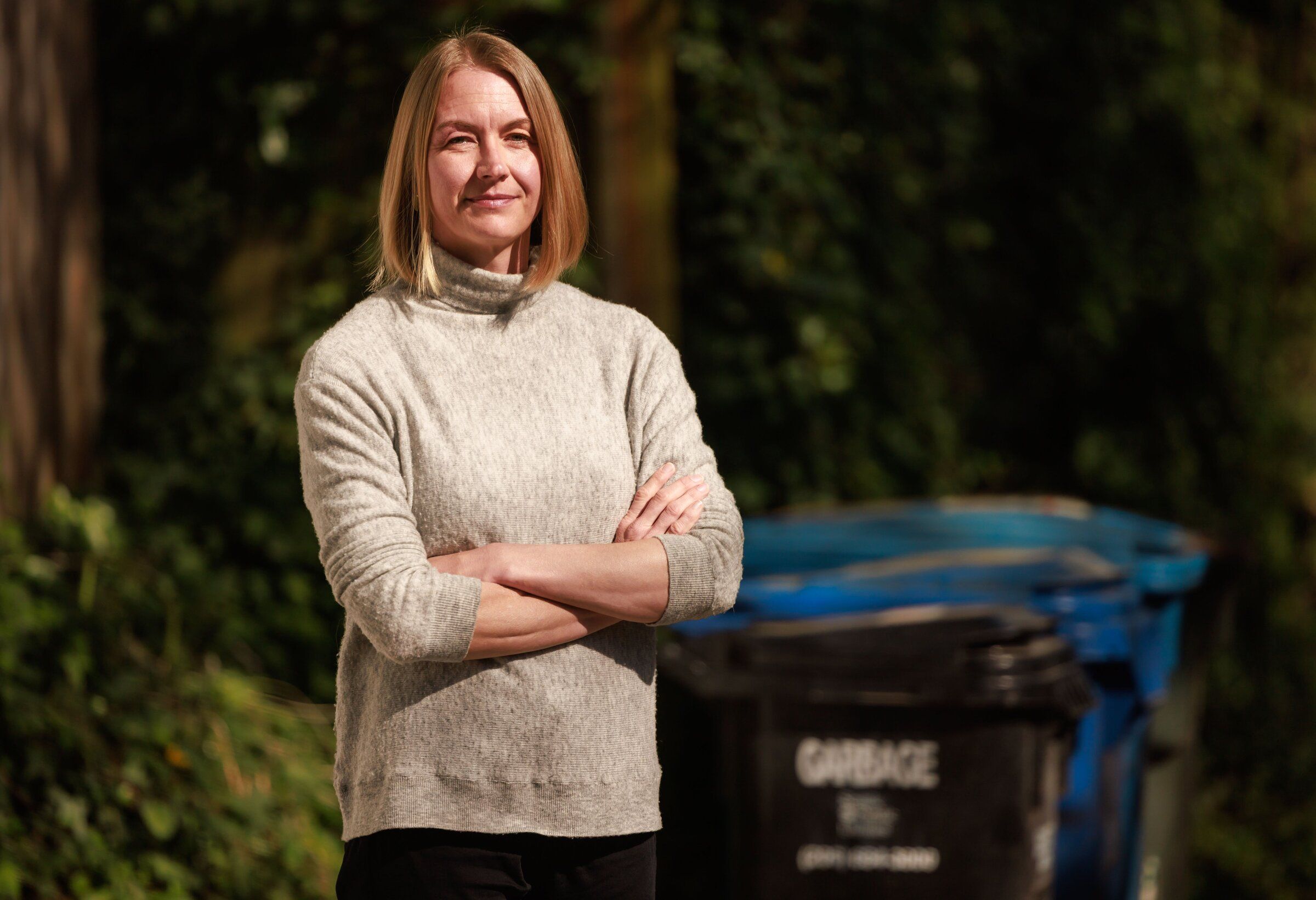
In everyday city life, a garbage bin usually attracts notice only once a week, when it is wheeled to an alley or curb. But for Forsyth, that familiar routine became a reason to review her Ring camera footage. Her February 18 bill included a $27.90 charge for two extra bags. She says video from that day shows the bins closed beside the garage, with no garbage next to them. Forsyth says similar line items had appeared on her bills before; at times, the total charges for “extra garbage” reached $70.
Forsyth says her neighbors faced the same issue. One found about $350 in such charges over five billing periods. It was this recurring pattern—not a one-off mistake, but a series of easily overlooked line items—that prompted several residents to file complaints with Seattle Public Utilities, the city utility known as SPU. The city does not formally acknowledge fraud or widespread erroneous billing in its system, but it does recognize customers’ right to request a review.
The rule itself is not new and appears straightforward: a separate fee applies to garbage beyond the amount covered by the customer’s service. An extra item is a bag, bundle of waste or container of up to 32 gallons weighing no more than 60 pounds. An overfilled bin—including one with garbage sticking above the rim or a lid that cannot close—may also be counted as an “extra.” At the time of the disputed February charge, each such bag cost $13.95; the rate rose to $14.40 on April 1, 2026.
But between the rule and the bill is human labor. Under the city’s contract with its hauler, the driver must record the address and number of extra items, then submit that information to the city’s billing system each day. The contract provides that, if disputes persist at a particular address, the city may require the contractor to photograph the “extras.” The documents also describe an even stricter option: if an account holder repeatedly refuses the extra-waste collection service, the hauler may be instructed not to pick up the waste again. Forsyth says she complained repeatedly but received no photographs to substantiate the charges.
SPU says billing accuracy is essential to the department and urges customers to contact it about any charge they do not understand. Agency spokesperson Sally Hulsman said the city has collected an average of about $8 million a year for extra-waste collection over the past five years. After Forsyth’s story became public in May, SPU specifically reminded residents that these charges appear on the third page of the bill and promised to review the documentation and correct errors. But the department continues to insist that it does not believe the extra charges are generally incorrect.
The dispute is also awkward for the city because earlier reviews had already identified vulnerabilities in the way utility billing is handled. In 2022, the city auditor noted that some procedures for adjusting household waste charges were inadequately documented and that certain controls needed strengthening. The audit did not find that Forsyth or other residents had been charged in error, but its conclusion underscored an obvious point: a complicated bill requires not only technical accuracy but also a clear way to show customers where every figure came from.
So far, the dispute has not become a court case or led to an announced citywide reform. Its practical outcome is more modest, but more important: residents have to scrutinize their bills as carefully as they review street-camera footage. In a system where one extra bag costs less than $15, trust is worth more than the charge itself—especially when proof that the bag was actually beside the bin is left somewhere between the garbage truck’s cab and the third page of the bill.


Based on: Seattle residents allege city charged fraudulent garbage fees for years