
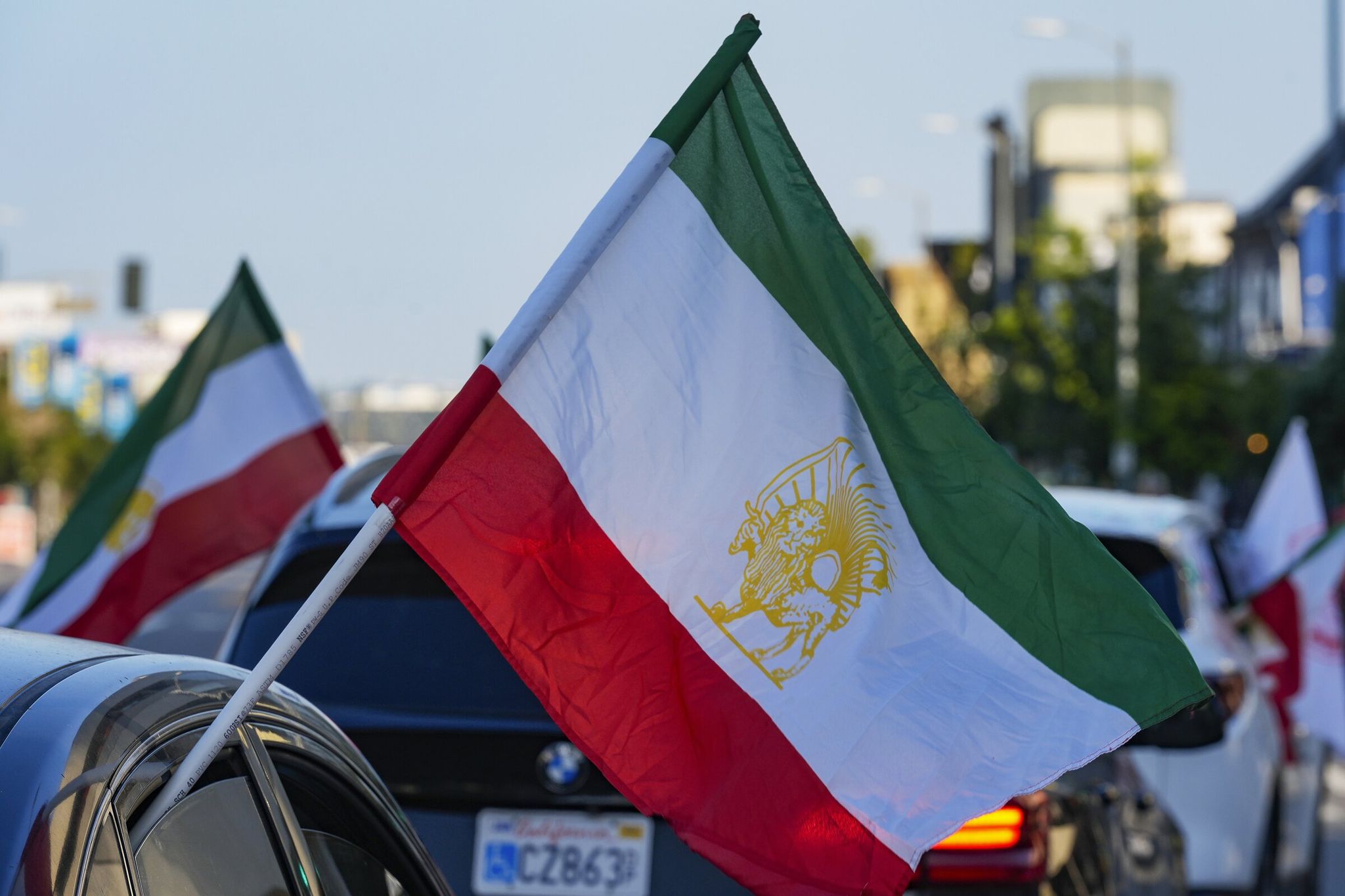
Seattle authorities have opposed a potential FIFA ban on the use of the prerevolutionary Iranian flag bearing the lion and sun during the World Cup 2023 match between Iran and Egypt. Rebecca Cohen, head of the civil division of the city attorney’s office, said city laws protect peaceful political expression and that FIFA will not get the mayor’s office’s support in enforcing such a ban. Mayor Bruce Harrell and City Attorney Ann Davison are united on this position. Seattle is historically known for its tolerance of street protests and its defense of free speech: the city is remembered for the large-scale demonstrations against the WTO in 1999, the Occupy Seattle movement in 2011, and the creation of the Capitol Hill Autonomous Zone (CHOP) in 2020. Seattle authorities have traditionally taken a more liberal stance, supporting civil liberties and the right to peaceful assembly enshrined in the First Amendment to the U.S. Constitution.
The lion-and-sun flag was Iran’s official symbol until the Islamic Revolution of 1979. After the overthrow of the previous regime it became an opposition symbol, banned by the current Islamic government. According to The New York Times, FIFA included this flag on a list of “political” items prohibited from stadiums, although the organization has not yet issued official confirmation.
Activists have already begun a legal fight. Iranian-American attorney Yasmin Whitmer demanded clear clarification of policy from FIFA and the cities hosting matches. In addition, the California nonprofit Freedom Voices Institute filed a lawsuit against FIFA in the Los Angeles County Superior Court seeking “immediate judicial relief” to protect free speech.
The local Iranian community has reacted with mixed feelings. Many Iranian expatriates who previously supported the national team are now experiencing moral dilemmas. Football coach Mahyar Sajjadi, who moved to Washington state in 2012, said that because of the regime’s repression he plans to skip the games. Instead, he and other activists are preparing protests outside the stadium, waving the banned flag.
The conflict underscores the depth of political divides: for many Iranians abroad, this flag has become a symbol of resistance to the regime, not merely a historical artifact. Seattle’s stance defending the right to peaceful protest could set a precedent for other cities and raise questions about the boundaries between FIFA’s sporting neutrality and fundamental human rights.
Based on: Seattle opposes FIFA ban on prerevolution Iranian flag