A group led by Vinod Khosla buys the Seattle Seahawks for a record $9.6 billion. Sound Transit sets a ridership record during World Cup matches. The Seattle Mariners suffer a fifth straight loss due to a systemic offensive crisis.
A synopsis of failure: the Mariners can’t win, with the offense in deep crisis
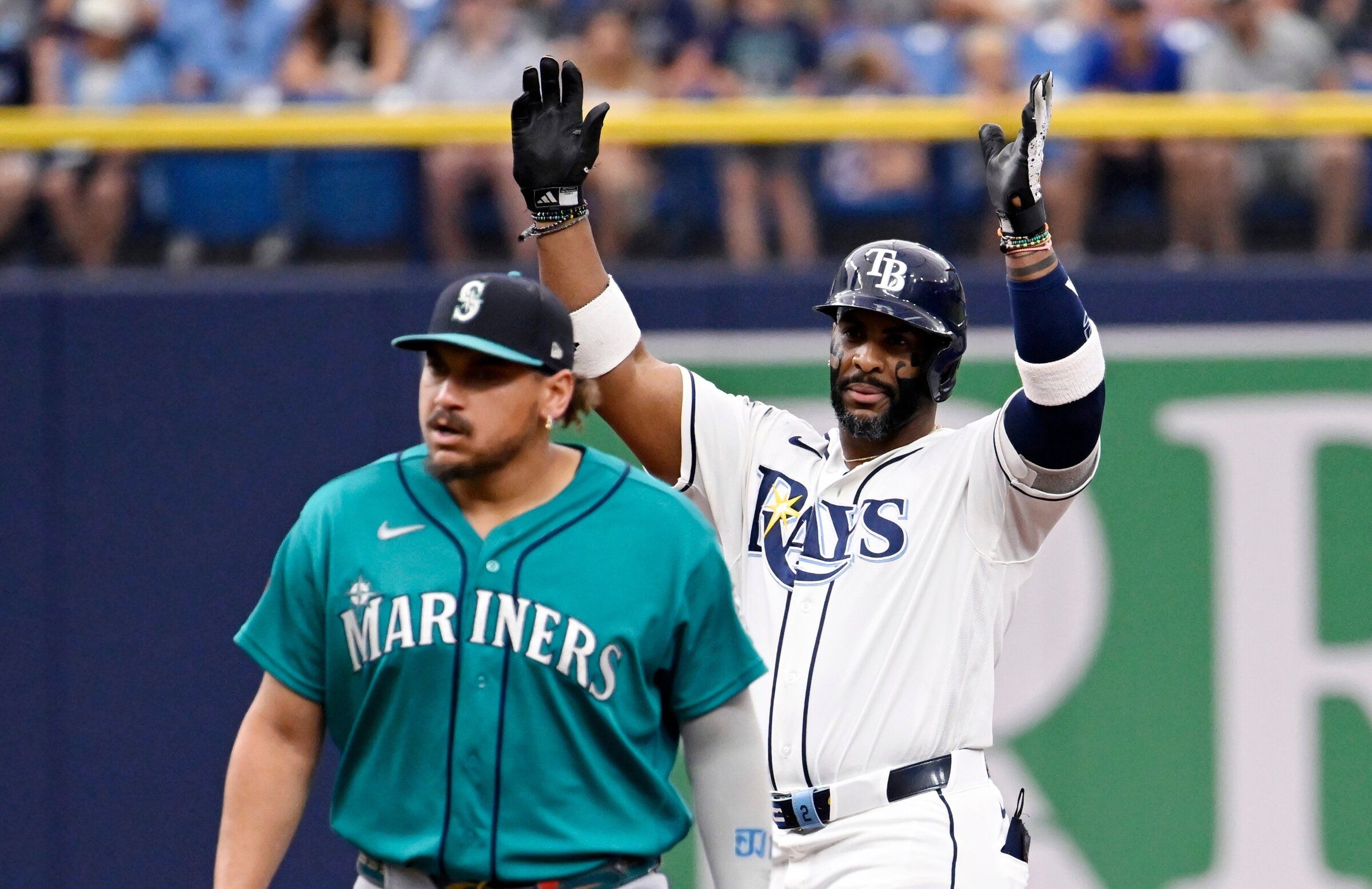
St. Petersburg, Florida. It looks as if the Seattle Mariners have effectively started their All-Star break early—so hopeless has their play looked in recent days. Another loss, 1-6 to the Tampa Bay Rays, was their fifth straight, and the entire Florida road trip threatens to end with six losses out of six. The only thing that somewhat softened the evening for pitcher Logan Gilbert was that he recorded his 1,000th career strikeout, receiving applause from his family and friends. But that individual success couldn’t outweigh the team’s overall helplessness, especially on offense.
The Mariners’ main pain right now is their absolute inability to generate hits when runners are in scoring position. Over their last four games, they have managed not a single such hit—0 for 27. This isn’t just bad luck; it’s a systemic slump that turns any attack into a farce. Saturday’s game was a clear example: in the first inning, Seattle loaded the bases, but two strikeouts followed, and the inning ended without a run. Manager Dan Wilson, usually restrained, didn’t find words after the game: “It’s another disappointing day. We’re hitting the ball, but it’s going right into the opponents’ hands.” His comments are cited by The Seattle Times.
On the entire trip, the Mariners left 34 runners on base—and with them went any real hopes of winning. The only run they scored came in the second inning thanks to a double, a sacrifice, and a fly ball—that is, without a proper, full hit. And when a double play cut off another rally in the third inning, the hopelessness in the dugout became almost palpable. It seems the players themselves don’t believe in success. “Our hitting coaches put a lot of effort in, but so far nothing is working,” Wilson added.
It’s especially painful that the loss wasn’t a blowout. Until the seventh inning, the Mariners were only down 1-2, and they had a chance to swing the game. But instead, a lefty Gabe Speier, coming in for Gilbert, gave up a three-run home run on the first pitch he saw from pinch-hitter Ryan Vilade. Speier is known for an aggressive style, but today it worked against him. After that, the score became 5-1, and the team’s will finally collapsed. Even if not for that explosion, statistics suggest the Mariners probably still wouldn’t have been able to come back—their offense has stopped producing the timely hits that matter.
What does that mean for the team? The feverish situation on offense could grow into a full-blown crisis. The Mariners are on the verge of slipping out of the playoff race unless they find a way to overcome the mental block soon. Their only hope right now is their Sunday starter Emerson Hancock, who may give the defense a chance and allow the hitters to catch their breath. But to win, you need more than good starting pitching—you need timely punches with runners on base. Those hits haven’t come—and that is the most alarming trend of the entire season.
Seattle sets a record for metro ridership during its last World Cup match
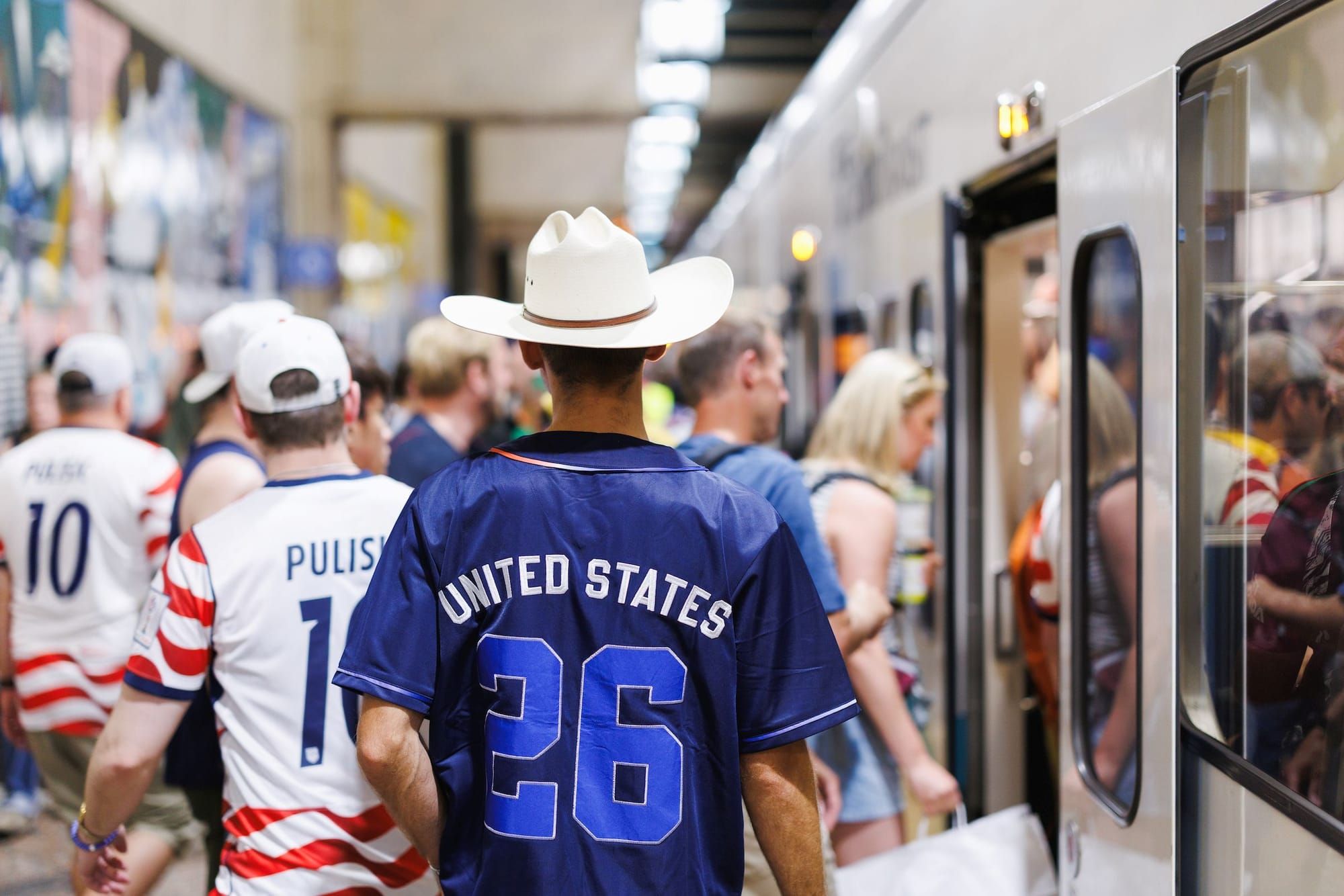
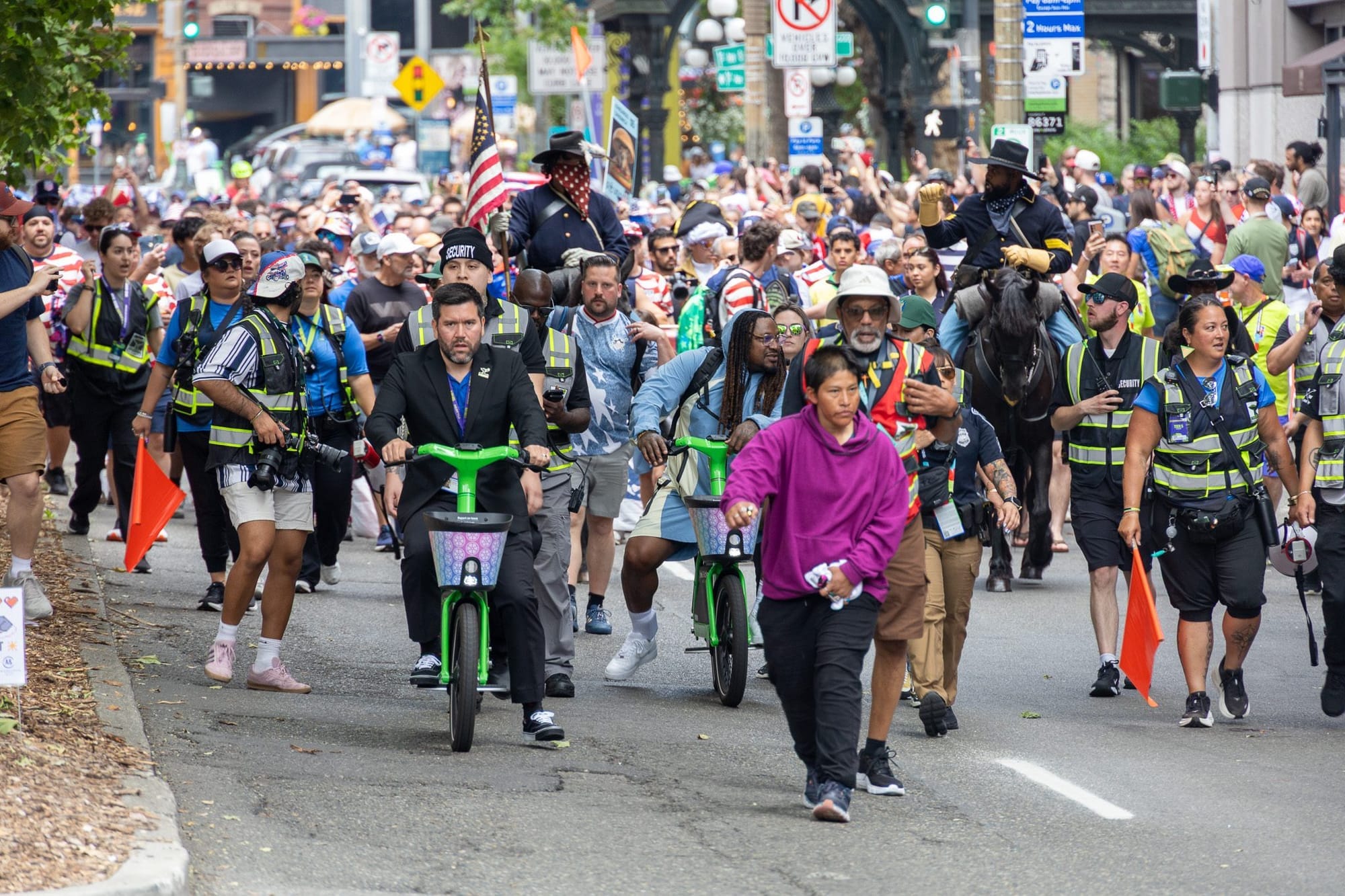
Sports events on the scale of the FIFA World Cup become not only a celebration for fans, but also a serious test for a city’s infrastructure. Seattle, which hosted six matches of the tournament, showed how well-organized public transportation can handle enormous loads. The final match featuring the United States against Belgium, held on July 6, led to a new historic record: Sound Transit’s light rail carried 309,000 passengers in a single day. That number far surpassed the previous record of 280,000, set just two weeks earlier on June 19, during the United States vs. Australia match. In this way, the city’s transit system proved its effectiveness and readiness for world-class events.
Preliminary figures indicate that June as a whole became a record month for Sound Transit, exceeding 5.4 million trips. In a statement, Sound Transit CEO Dow Constantine emphasized that the figures are an “unequivocal endorsement of the value of light rail to the region and quality of life.” He noted that the system not only serves major festivals and celebrations, but also changes the everyday routes of residents, making trips around the city more convenient. On World Cup match days, ridership consistently exceeded the 200,000-trip mark, indicating high reliability and planning. The most impressive growth came on Seattle’s final match—309,000 trips, nearly 30,000 more than the second-highest attendance game.
However, it wasn’t without technical difficulties. On July 7, the day after the record, a major disruption occurred: due to damage to an overhead contact wire near the Husky station in Montlake, service had to be partially shut down for 15 hours. For passengers, officials organized a bus route between Capitol Hill and Northgate station, which became overcrowded during rush hour. Fortunately, the incident did not happen in the middle of matches. Leadership assured that the problem was localized and unlikely to repeat, since the cause had been isolated. It’s a reminder that even the most modern infrastructure isn’t immune to sudden breakdowns.
Alongside record light-rail ridership, a surge was also seen in micromobility services—rental electric scooters and bikes. Lime reported that four of its top five busiest days in Seattle in its history fell on World Cup days. On July 6, users made more than 78,000 trips on Lime scooters and e-bikes, only slightly behind the 83,000 trips record set on June 19. From June 1 to July 7, more than 1.7 million trips were recorded in total. Lime representative Parker Dawson said that this success was made possible by months of coordination with city authorities and partners. As part of a safety promotion, the company gave away 3,300 helmets for free and also offered a special “fan pass” for 90 minutes of rides for $12.99, valid through the tournament’s final on July 19.
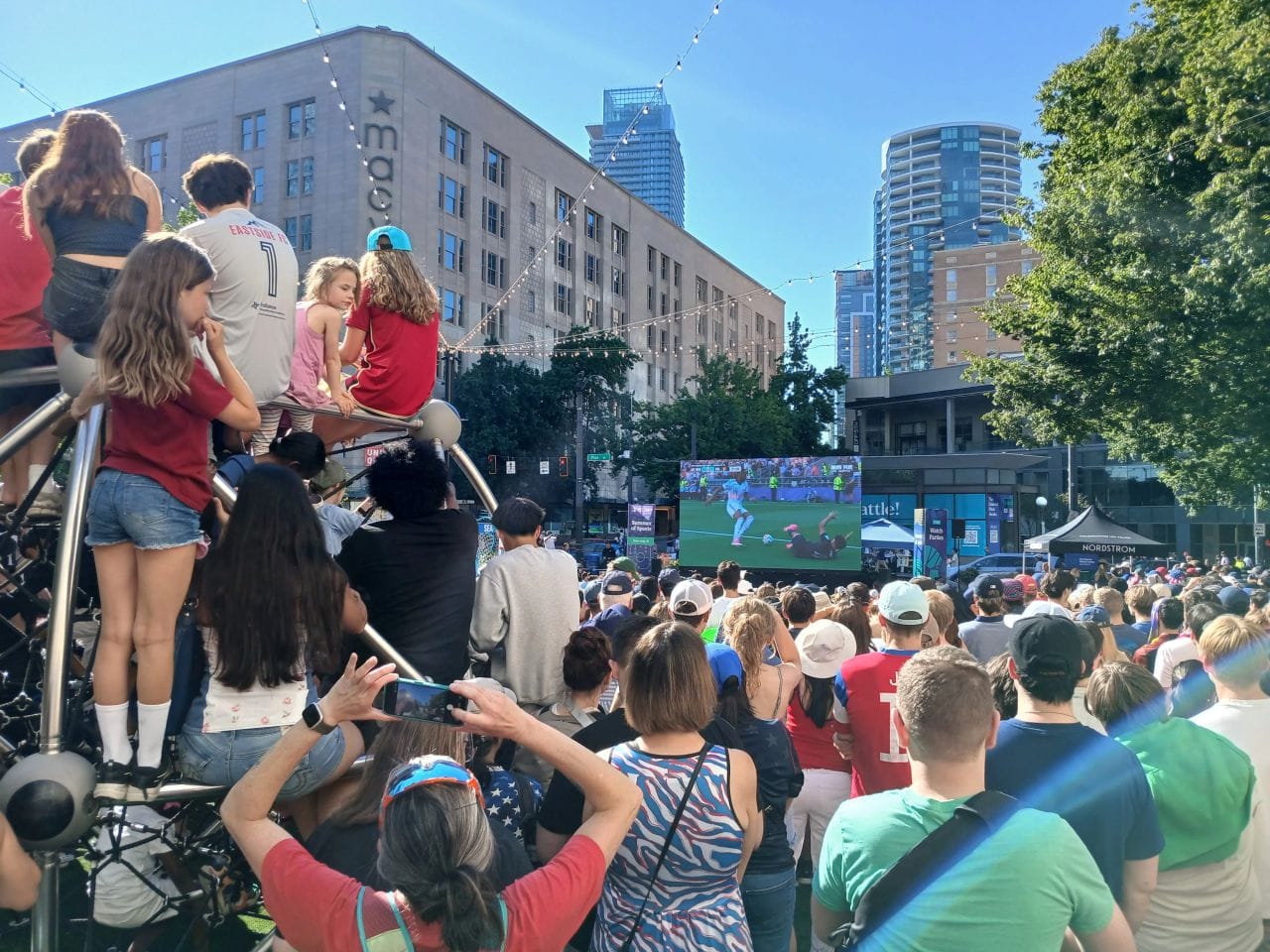
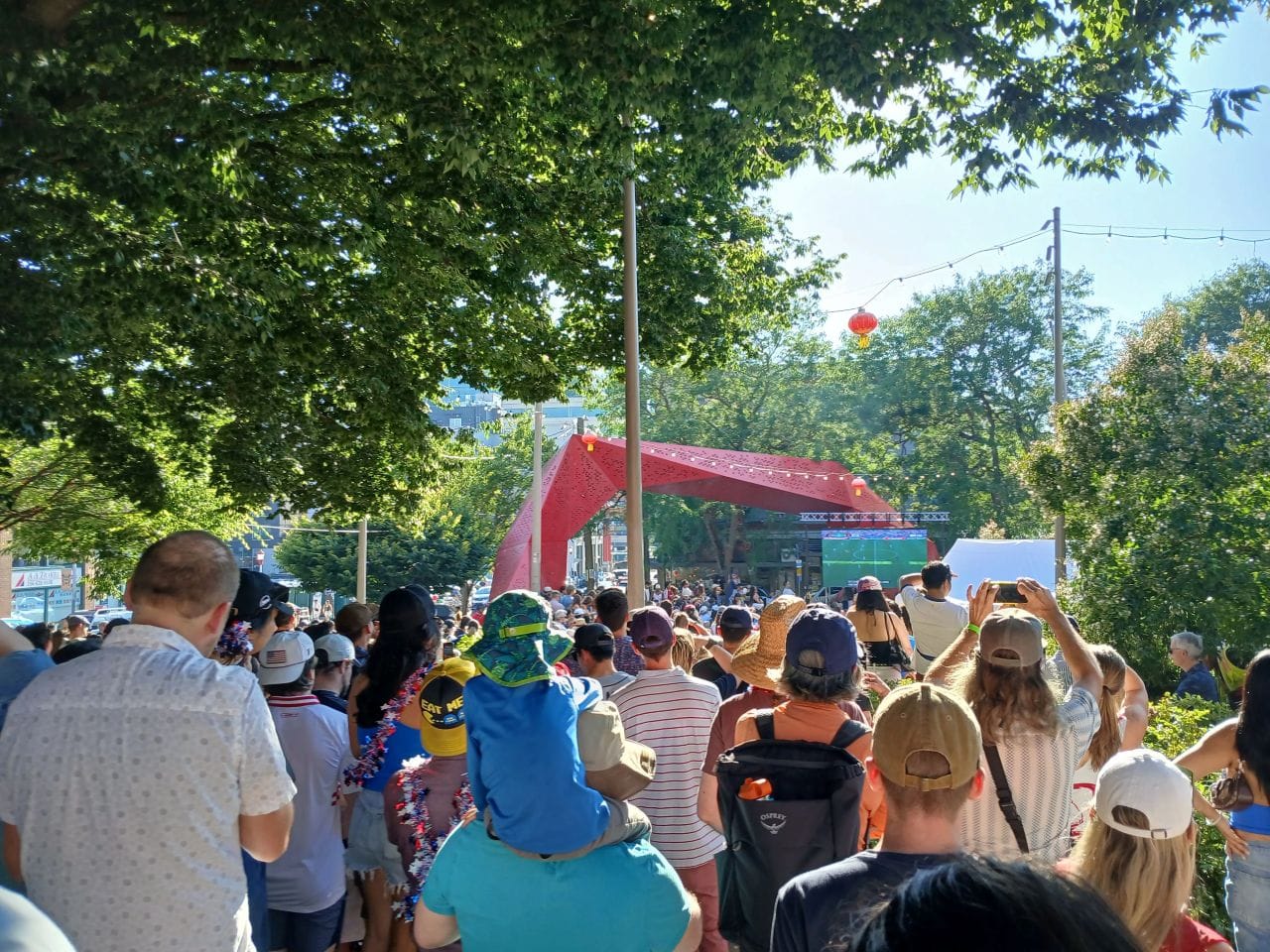
This experience vividly demonstrates how major sports events can act as a catalyst for public transport development. As noted by The Urbanist, Sound Transit now likely operates at a new, higher baseline ridership level, making it one of the busiest light-rail systems in the United States. With the opening of a second line crossing Lake Washington and increased service frequency to every four minutes during peak hours on the segment from Chinatown to Lynnwood, the city has built a strong transit framework capable of handling both everyday commutes and major events. On Sunday, July 19, Seattle is preparing for the World Cup final, and organizers are inviting everyone to a free screening in Lake City, hoping the transport system performs no worse than during the record days.
Record deal: Vinod Khosla’s group buys Seattle Seahawks for $9.6 billion
A group of investors led by Vinod Khosla, who previously owned a minority stake in the San Francisco 49ers, has reached an agreement to acquire the Seattle Seahawks. The announcement was made officially on Saturday. The transaction amount hasn’t been disclosed, but according to people familiar with the situation, the price will be $9.612 billion—an absolute franchise record for the National Football League. To complete the purchase, approval from the owners of other NFL teams is required; sources say a special meeting has been scheduled for late August, and owners have already been asked to reserve that date.
Speaking on behalf of the Khosla family, Vinod Khosla said: “We’re proud to be entrusted with becoming the next stewards of the Seattle Seahawks. We look forward to continuing the winning legacy created by Paul Allen and earning the trust of the Seahawks organization and fans around the world.” As part of the deal, the Khosla family must give up its stake in the 49ers, since NFL rules prohibit owning shares in two clubs at the same time. The family will become the controlling owner of the Seahawks.
The sale traces back to the death of Microsoft co-founder Paul Allen in 2018. Since then, the club has been run by his sister Jody Allen as trustee, and under her brother’s will, she was required to sell the Seahawks—and also the basketball Portland Trail Blazers—directing the proceeds to charity. Paul Allen bought the team in 1996 from Ken Bering, and the deal, which took effect in 1997, saved the franchise from a possible move to Southern California. Today, the Seahawks are one of the most successful teams in the league: over the past ten years, they have made the playoffs seven times. Their home arena, the legendary Lumen Field, is considered one of the most difficult for visiting teams, and recently nearly $20 million was allocated for renovations ahead of the 2026 FIFA World Cup. In addition, the club has one of the best combinations of general manager and head coach—John Schneider and Mike Macdonald.
Vinod Khosla is the founder of the early-stage venture capital firm Khosla Ventures, which invests in companies such as OpenAI, DoorDash, and Instacart. According to Forbes, his net worth is estimated at $13.8 billion. In 2025, he became a co-owner of the 49ers, buying 3.1% of the team at a total valuation of more than $8.5 billion. Now, acquiring the Seahawks, Khosla has broken the previous NFL record: in 2023, the Josh Harris group bought the Washington Commanders for $6.05 billion, and a year earlier Walton-Penner acquired the Denver Broncos for $4.65 billion. The most expensive deal among all American sports franchises was signed in 2025, when Mark Walter bought a controlling stake in the Los Angeles Lakers for $10 billion. At this time, it’s not known who else is in the Khosla investment group.
According to sources cited in an ESPN report, the sale happened after the Seahawks beat the New England Patriots in the Super Bowl this year—though this likely contains an inaccuracy, since the team’s most recent Super Bowl win dates to 2014. Still, the deal marks a new chapter for the club, moving from Paul Allen’s charitable trust to private owners ready to invest in the team’s development and preserve its legacy.