In Seattle, a park named for Cesar Chavez is being renamed amid allegations against him, a long-awaited light rail line across Lake Washington has opened, and the NBA may vote to bring the SuperSonics back to the city.
Renaming a Seattle park: Cesar Chavez's legacy questioned
Seattle and King County officials have moved to immediately rename a park that bore the name of the well-known labor rights activist Cesar Chavez. The decision was made in response to recently published allegations of sexual abuse against the historical figure and reflects a broader trend of reassessing public memorials across the country.
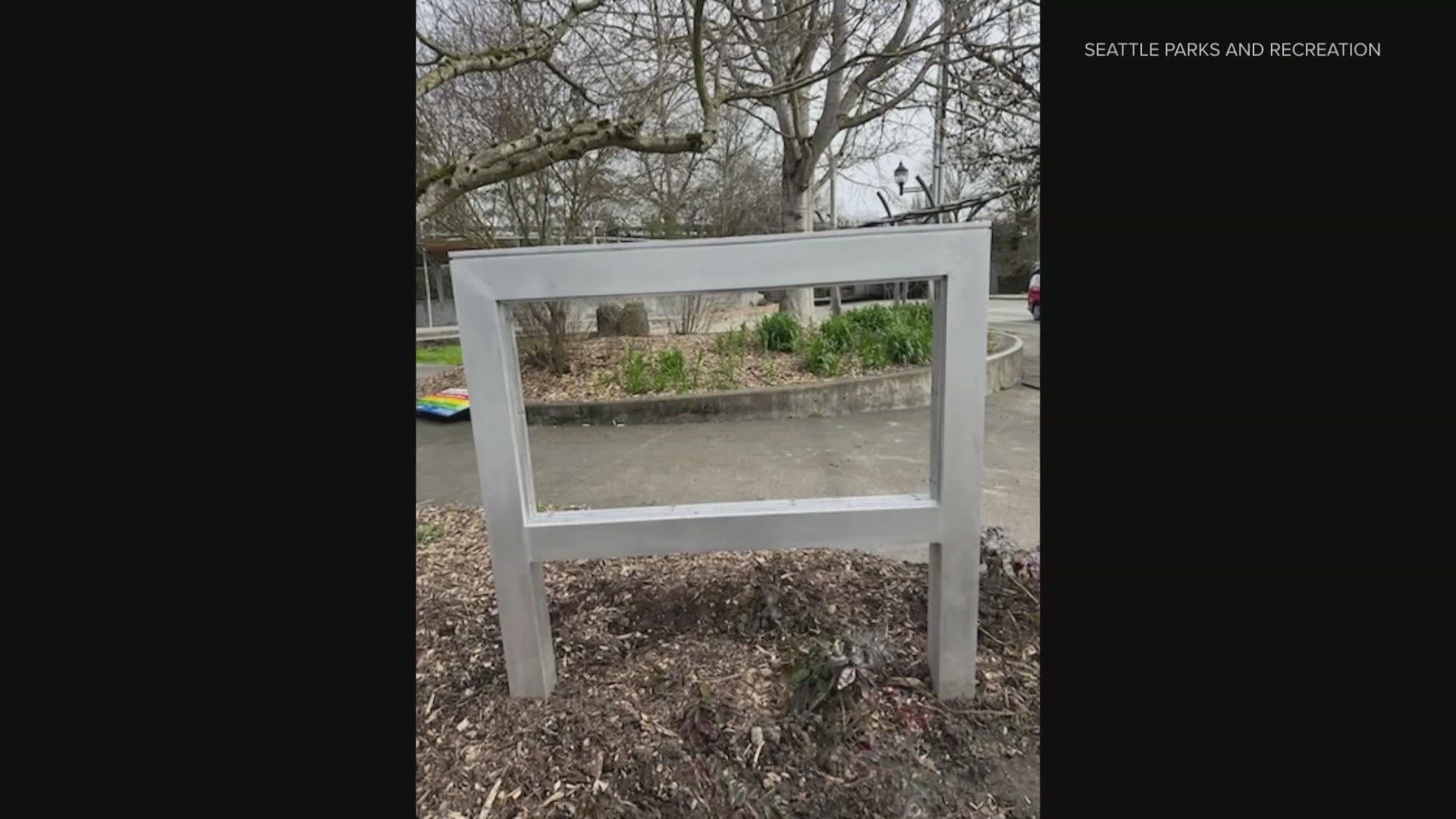
The park in the South Park neighborhood had its Chavez name sign removed on Monday, and a new name is expected to be announced this week. City and county officials, including Seattle Mayor Kshama Sawant, said the action is intended to support survivors of violence and ensure public spaces reflect values of dignity, safety and justice. “Parks are public spaces, and every visitor should feel welcome there,” Mayor Sawant said. “When a name causes pain, we are obligated to act.” The decision was initiated by Seattle City Council member Alexsandra Mercedes Rink and County Councilmember Teresa Mosqueda. Officials pledged to engage local residents and organizations in an inclusive process to select a new name for the park.
This step in Seattle is part of a larger wave of reactions across the United States. As reported by KING5.com, after The New York Times published an investigation on March 20 presenting evidence of “grooming” and sexual abuse of underage girls involved in Chavez’s movement, many institutions began re-evaluating his legacy. For example, a statue of Chavez at California State University, Fresno, has been covered, and a bronze bust in Denver has been removed from a park that will also be renamed. Washington State Governor Bob Ferguson announced the state will no longer observe Cesar Chavez Day on March 31. According to the Associated Press, more than 130 places in 19 states are named for Chavez, including schools, boulevards and libraries, and their fates may now be in question.
To provide context, the term “grooming” refers to the process of establishing an emotional connection with a child or adolescent to lower their defenses for subsequent sexual exploitation. Such allegations—especially when leveled against an icon of social struggle—force society to balance recognizing a person’s historical achievements with condemning personal actions that caused harm. Seattle officials’ decision demonstrates a growing priority on supporting survivors and reevaluating public space through the lens of contemporary values. This is not merely a change of a plaque but a symbolic gesture aimed at healing pain and affirming that no contribution to history can excuse personal violence. The process of choosing a new name for the South Park site will test the community’s capacity for dialogue and for finding an identity that unites people in a post-heroic era.
A new route across the lake: how light rail linked Seattle and the Eastside
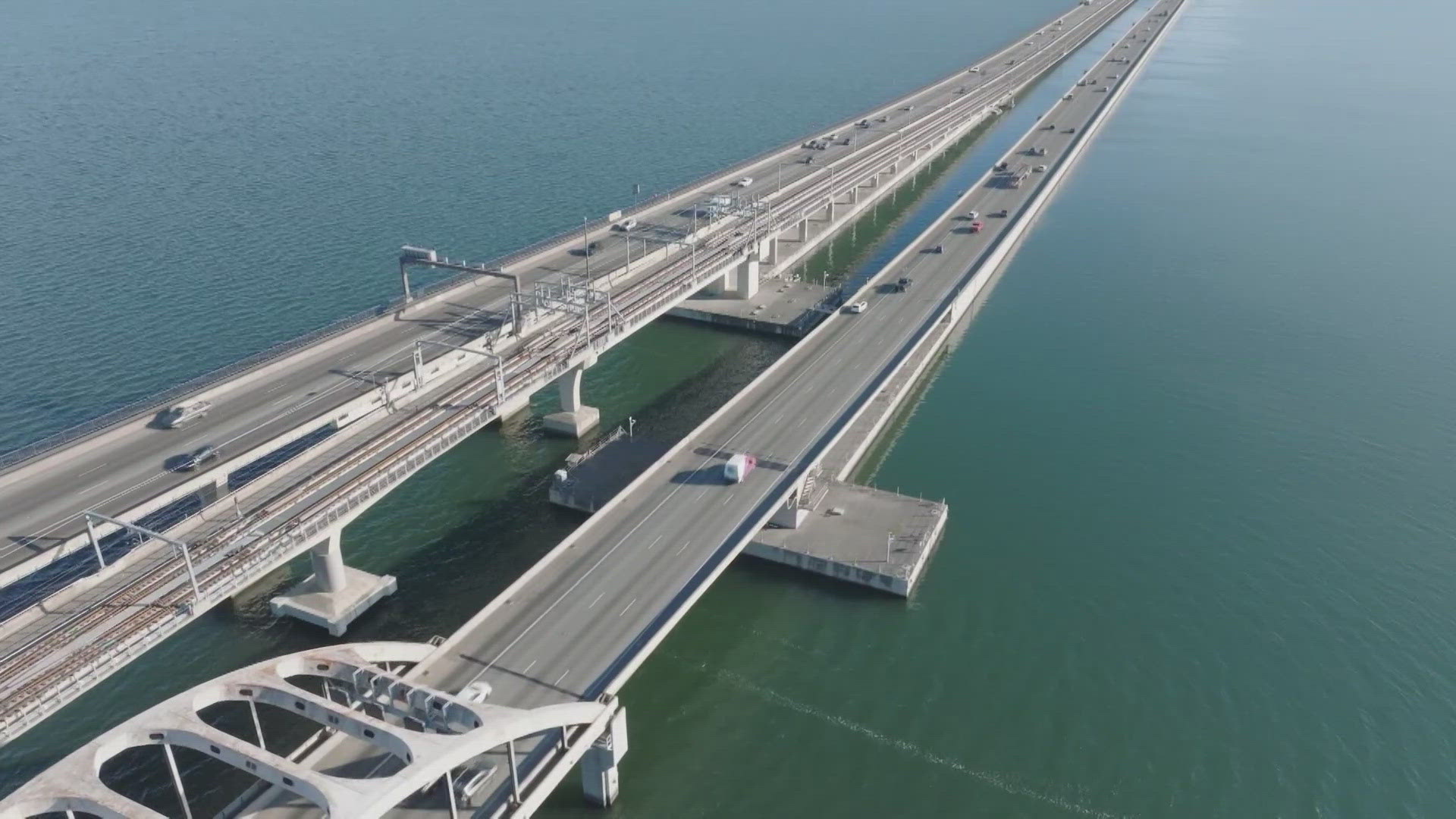
After many years of waiting and numerous delays, a landmark event finally occurred in the Puget Sound region: this weekend, service began on a new light rail line that for the first time directly connects Seattle with its eastern suburbs, known as the Eastside. The project, called the Crosslake Connection, fulfills a dream voters approved nearly two decades ago. According to KING5.com, Line 2 began operating, allowing passengers to cross Lake Washington in just minutes from Mercer Island to downtown Seattle.
For locals and the thousands of daily commuters, this is more than a new transit route — it’s a long-awaited solution to a persistent accessibility problem. “I’m glad the light rail is finally here. We’ve been waiting a long time,” said Jesse Pittman, who works on Mercer Island. The line is expected to carry about 50,000 riders daily, with trains running as frequently as every eight minutes during peak hours. The new route includes stops on Mercer Island and in the Judkins Park area, providing Eastside residents a fast and reliable alternative to congested bridge traffic. “This is the right way to go, so it’s very important,” said Steve Couch, an Eastside resident. “I can’t wait for it to be running at full capacity with more riders on the trains.”
Construction of the multibillion-dollar project faced a series of major challenges: the COVID-19 pandemic, a concrete suppliers’ strike, and contractor and quality control issues. Despite the obstacles, the build was completed. The line’s opening carries not only transit but also economic prospects for adjacent neighborhoods. Local business owners, such as Jackie Wong, manager of Valhalla Sandwiches on Mercer Island, hope the new transit option will increase customer flow and make life easier for employees. “Soon we’ll find out whether the wait was worth it,” Wong said. “We have employees who commute by bus, and now that light rail is here, it’s easier for them — it’s definitely good for us.”
It’s worth clarifying that in the Seattle context, the “Eastside” refers to a group of affluent suburbs east of Lake Washington, such as Bellevue, Redmond and Kirkland, home to many technology company headquarters. For a long time, these areas connected to Seattle primarily via overloaded bridges, creating serious transportation problems. The new “crosslake” route is intended to fundamentally change that situation.
Alongside the enthusiasm, some residents voice cautious concerns that improved transit access could alter the quiet character of Mercer Island. But Jackie Wong is more optimistic: “I wouldn’t call it a ‘riffraff’ problem or anything. I definitely think a different demographic group will find the island more accessible. I don’t know if that will cause problems per se.” Opening ceremonies are scheduled for Saturday at 10 a.m. at the Judkins Park and Mercer Island stations, marking the start of a new era in regional public transit. This project is more than new tracks and vehicles; it’s an important step toward a more integrated, mobile and environmentally friendly metropolis.
Return of a legend: how NBA expansion could bring back the Seattle SuperSonics and what it means for the league
After nearly two decades of waiting, Seattle basketball fans may finally breathe a sigh of relief: the NBA appears poised to take a decisive step toward returning the legendary Seattle SuperSonics. Insider Chris Mannix told Seattle Sports’ “Bump and Stacy” show that the league’s Board of Governors is set to vote this week to begin an expansion process aiming to add two new teams — in Seattle and Las Vegas. This could be a turning point not only for the city still reeling from the Sonics’ departure in 2008, but for the entire National Basketball Association, which must weigh growth against the quality of play.
Mannix said the vote will likely pass with “overwhelming support.” Commissioner Adam Silver and NBA leadership have long worked to persuade remaining skeptics and now appear to have reached a consensus. “I don’t think Adam Silver would put such a vote forward unless he felt he had overwhelming support for expansion,” the insider said. The main argument in favor is obvious: the league gains access to two excellent markets. Seattle, with its established and passionate fan base, is ready to welcome a team as if the 16-year separation never happened. Las Vegas, which has proven itself as a viable professional sports city with the success of the NHL’s Golden Knights and the NFL’s Raiders, looks equally attractive. “It has established itself as something much bigger than a transient city,” Mannix said, suggesting both new franchises would immediately rank among the most financially stable.
However, the flip side is, as the expert calls it, “pretty obvious.” It concerns dilution of playing talent. Adding two teams means the existing pool of players would be spread across 32 clubs instead of 30, which could lower the overall quality of play. Moreover, expansion teams typically struggle in their first few seasons. “And you’ll have two teams that will be very bad for the foreseeable future,” Mannix observed. This issue compounds the current state of the NBA, where, he said, nearly a third of the league has played poorly this season. While this can be mitigated through changes to the draft lottery system or rules, a league that in recent years has prided itself on achieving competitive balance risks having five to seven teams with little chance of success from the start. That is a significant shortcoming that has surely been discussed behind closed doors.
Interestingly, there was an alternative path to placing teams in Seattle and Las Vegas without diluting talent — relocating existing struggling franchises. Mannix points to markets such as Memphis and New Orleans, which, aside from occasional surges, consistently face difficulties. “No one would argue that Seattle and Las Vegas aren’t top markets,” he said. However, the league seems to have chosen a more complicated but ethically acceptable expansion route, since “nobody seems ready to do the heavy lifting — tell Memphis and New Orleans they no longer have teams.” This decision reflects the NBA’s desire for sustainable growth, even if it entails short-term sporting costs.
The return of the SuperSonics would be more than the arrival of a new team. It would be a restoration of historical justice for a city that produced stars like Gary Payton and Shawn Kemp and helped launch Kevin Durant’s career. As noted by Seattle Sports, there is even hypothetical talk of Durant returning to Seattle as a player or the face of the franchise, adding extra emotional resonance. Thus, the upcoming vote is not just bureaucratic procedure. It marks the start of a new chapter that promises revenue and influence for the NBA while posing tough questions about competitive balance and the quality of the spectacle. For Seattle, it’s a chance to finally heal an old wound and once again hear the swish of a ball through the hoop under the storied name “SuperSonics.”