
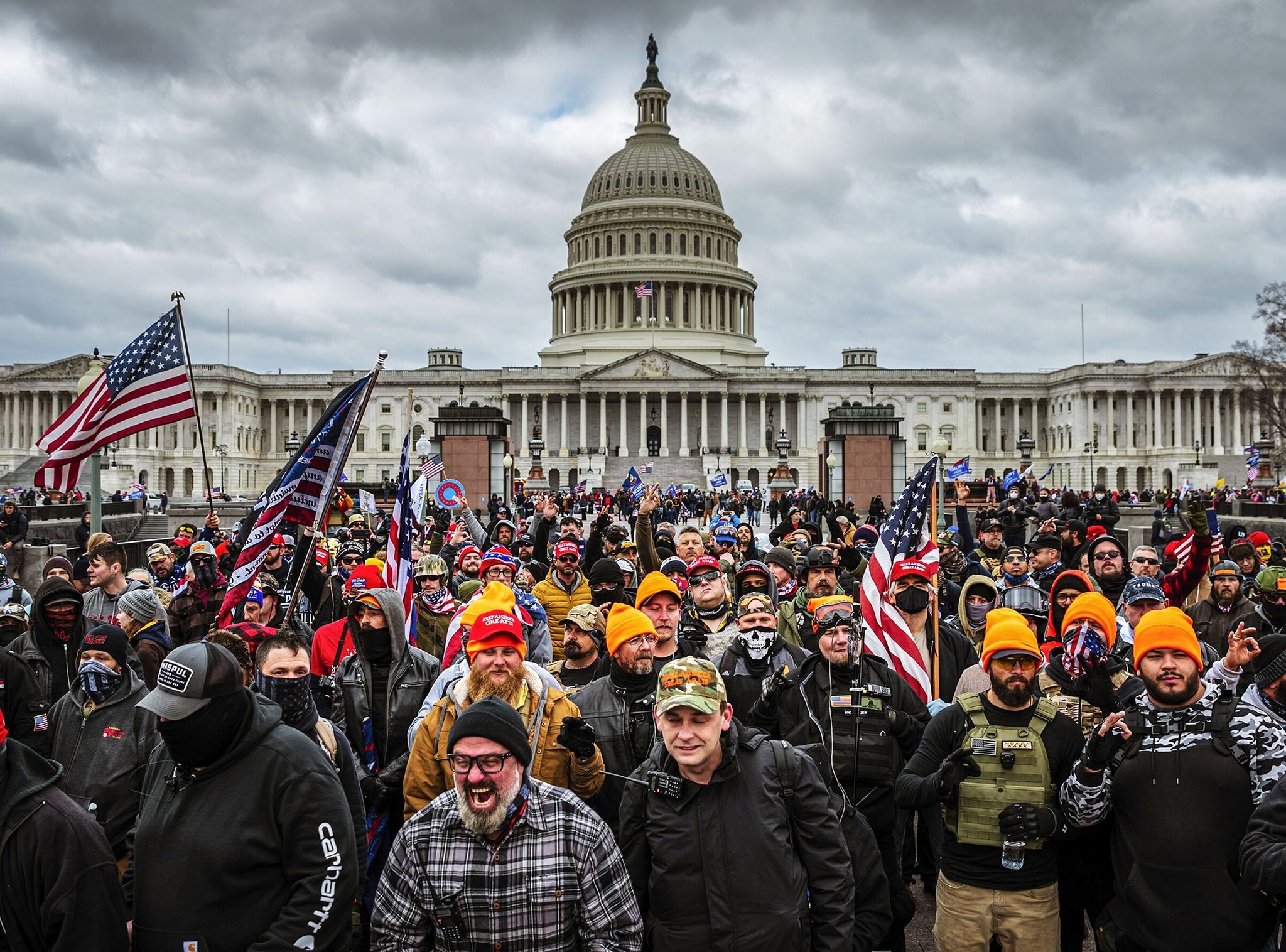
The administration of the U.S. president has initiated the overturning of convictions for dozens of members of ultra-right groups "Proud Boys" and "Oath Keepers," convicted for the January 6, 2021, storming of the Capitol. This decision, which many see as a rejection of the principle of personal responsibility, was made amid sharp statements from the president and his circle, creating a sense of complete impunity for those who took part in the attack on the heart of American democracy.
Among those whose convictions may be vacated is Ethan Nordean, leader of the Proud Boys chapter from the Seattle area. Jurors found him guilty of leading a group of 200 people who breached the Capitol to disrupt the electoral vote count. Now Nordean and his associates not only avoid punishment but are demanding $100 million in compensation from the state, portraying themselves as innocent victims. The emergence of an active far-right wing in liberal Seattle reflects nationwide polarization and a local reaction to acute urban problems, such as police reform and the homelessness crisis, which have split the community and created space for extreme positions.
Experts view this White House move as a dangerous signal that political violence becomes permissible if it serves the "right" political ends. As one former federal prosecutor noted, the administration is signaling that attacking institutions of power can go unpunished if your views align with those in power.
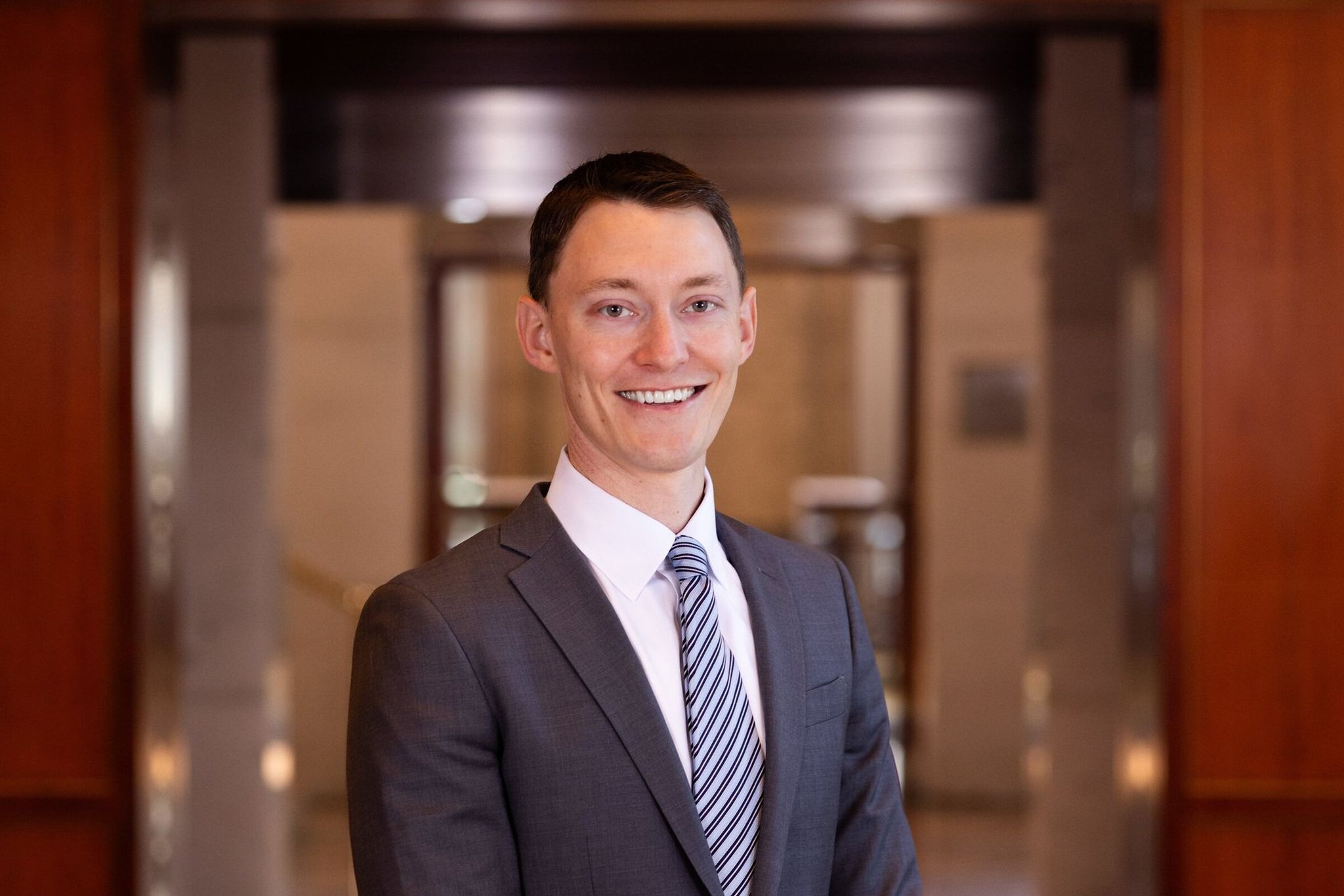
A view from inside the situation comes from Will Dreher, a 38-year-old former federal prosecutor from Seattle. After Jan. 6 he voluntarily went to Washington and participated in the investigation of about 25 cases against participants in the unrest, including some members of Nordean's group. Dreher now works in private practice and is running for the state legislature from the 46th District, which covers north Seattle neighborhoods including Green Lake and Wallingford. This traditionally liberal district with high turnout is considered a safe Democratic seat, and a win here often signals strong support from a progressive electorate. Former federal prosecutors like Dreher often move into politics, using their experience and positioning themselves as security experts, which attracts voters concerned about law and order.
Dreher insists that, despite the pardon, the work of justice was not entirely in vain. "It would be wrong to say the work was completely erased. These are facts established by juries. We created a very clear investigative and court record of what happened that day. You cannot erase the shame of that day," he said. According to him, the trials documented a truth that cannot simply be undone by an order.
However, it is precisely this—rewriting history—that Dreher believes is the goal of the MAGA movement and Donald Trump. Exonerated leaders, such as Enrique Tarrio, are already publicly saying that "history books will be written with their names," portraying themselves as heroes rather than criminals. Dreher notes that many of these people pleaded guilty during trial proceedings, admitting their guilt, and now they are demanding reparations.
The former prosecutor warns that such mass pardons do real damage to the rule of law. They create a precedent where political loyalty matters more than legality. Dreher also notes that many of his colleagues are afraid to speak publicly for fear of retaliation, which allows lies about the election and democracy to continue spreading.
The problem, Dreher says, goes far beyond the events of Jan. 6. He believes that Trump has dropped all pretenses and now seeks to subordinate the media, universities, law firms and civil society at large. This is part of a broader anti-democratic impulse that threatens the foundations of the system.
The situation of unaccountability at the highest levels, the author argues, reflects a broader cultural trend. If a president can try to overturn an election with impunity, and the Capitol attackers can demand millions for their "suffering," why should an ordinary person be held responsible for their actions?
Based on: The truth is still out there, says a Seattle prosecutor of ‘J6’ cases