
The Seattle City Council is expected to consider a bill Tuesday, Sept. 22, that would prohibit large grocery chains and delivery services from changing the price of a product for a specific person based on data collected about them. Called the Fair Pricing and Transparency Ordinance, the initiative stems from a simple, almost old-fashioned idea of fairness: a package of pasta on the same shelf should not cost more merely because an algorithm decides that a shopper is in a hurry, dislikes comparing prices or can afford to pay extra.
The measure would not, however, ban sales, coupons or loyalty cards as such. The proposal targets “algorithmic price discrimination” — a practice in which the price of a product or the size of a discount changes after automated analysis of behavior, geolocation, demographic characteristics, purchase history, biometric data or information obtained from data brokers. The authors also want to block a subtler route to the same goal: random price differences for different users that allow a company to test exactly how much a particular person is willing to pay.
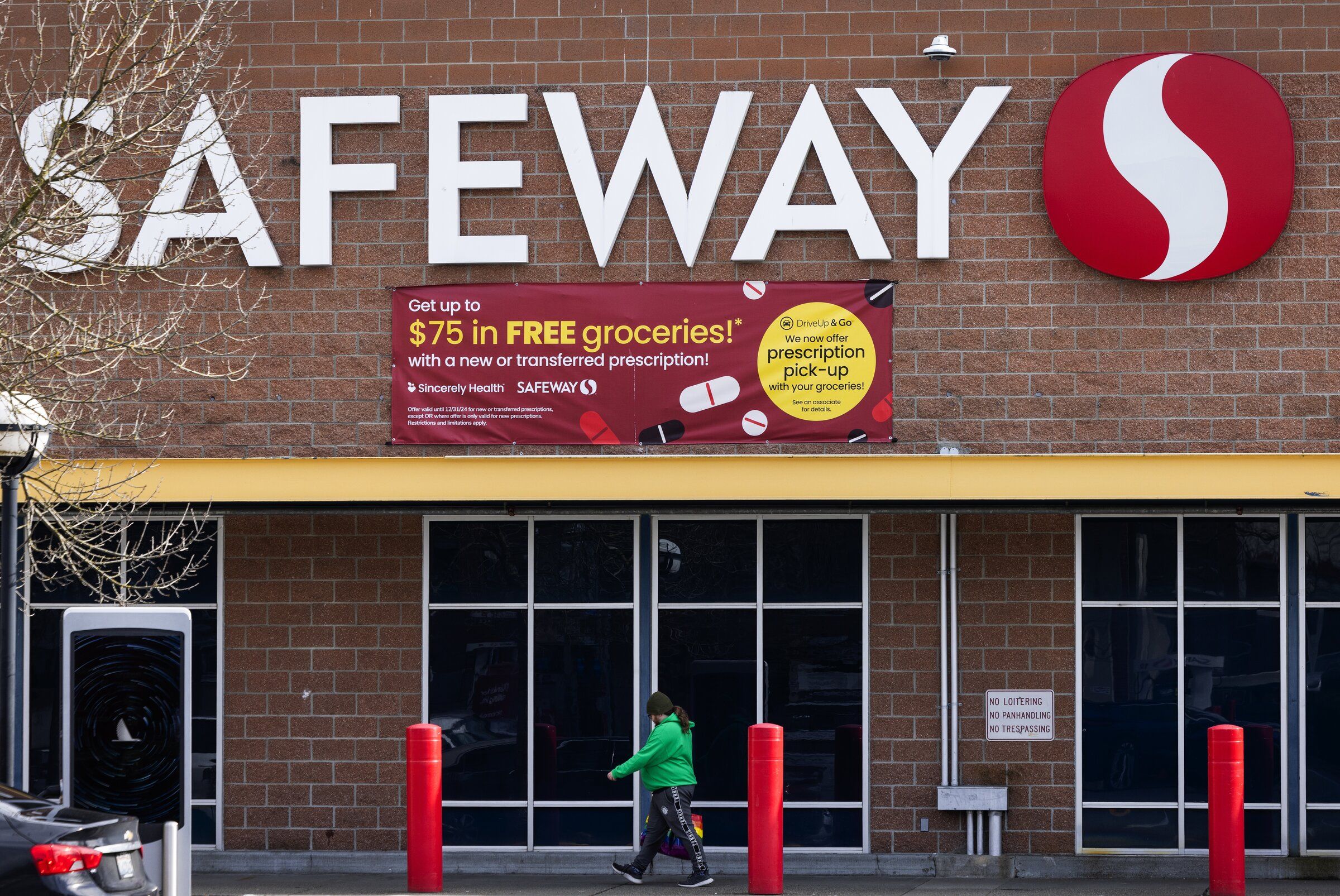
The immediate cause of local concern was a Consumer Reports study conducted Sept. 4, 2025. Thirty-nine volunteers assembled the same virtual basket of 20 products through Instacart at a Seattle Safeway without placing an order. The total cost ranged from $114.34 to $123.93. About three-quarters of the products tested were offered to different people at different prices; for some items, researchers saw as many as five price variations. This does not prove that Safeway set the prices itself: the experiment concerned the Instacart platform. But it clearly showed how, in a digital store, the familiar number on a price tag can cease to be the same for everyone.
The U.S. Federal Trade Commission has also concluded that a market for such technologies already exists, although its investigation is still underway. In January 2025, the agency said that intermediaries developing tools for retailers use data on location, demographics, browsing and purchase history, cursor movements, items left in shopping carts and other indicators of a person’s presumed willingness to pay. These companies had worked with at least 250 clients, including grocery stores. The Seattle initiative seeks to draw a city boundary precisely where advertising personalization turns into price personalization.
If the bill is adopted in its current form, it would apply to grocery chains with 20 or more stores worldwide, large general retailers with grocery departments and delivery services with at least 100 employees globally. For chains, the ban would cover any products; for large mixed retailers and warehouse services, it would primarily cover groceries, diapers, hygiene products and over-the-counter medicines. Small neighborhood stores and farmers markets are excluded from the definition of a grocery business.
Ordinary commercial life would not disappear. The bill permits different prices at different physical stores, manufacturer discounts, wholesale offers, publicly available promotions and benefits for students, older adults, military personnel and other clearly defined groups. Loyalty programs could also remain. But a discount would have to be available to all program members on equal terms or be tied to transparent customer groups formed solely on the basis of past purchase history — without attempting to infer an individual’s price sensitivity from that history and without combining it with other personal data.
That distinction lies at the heart of the dispute with Safeway. Sarah Osborne, a representative of the chain, said that if the law passes, the company would be unable to continue offering additional savings and that the average member of its loyalty program saves about $30 a week. Safeway emphasizes that it does not use personal information to charge customers higher prices, but uses it to provide voluntary discounts. However, the bill allows loyalty programs if they meet the listed conditions, so the substantive question is how compatible the chain’s current system of personalized offers is with the requirements of equal access and transparent criteria.
The debate is unfolding against the backdrop of another, already-litigated conflict involving Safeway’s owner. In April, Washington state Attorney General Nick Brown sued Albertsons, Safeway and Haggen, alleging that over five years the chains overcharged shoppers in more than 3 million transactions by artificially raising regular prices before “buy one, get one free” promotions and then lowering them after the campaigns ended. That case concerns not personalized pricing but advertised BOGO promotions. Still, the political significance of the juxtaposition is clear: trust in the word “discount” at the grocery store has become far less automatic.
On Sept. 11, the City Council’s Housing, Human Services, Economic Development and Renters’ Rights Committee unanimously approved the amended bill and sent it to the full council for a vote. If the council adopts the measure, it is expected to take effect Sept. 1, 2027. Stores would have to clearly disclose their discount rules and retain documentation demonstrating compliance for three years, while the city attorney would be able to investigate violations. Customers and customer groups would be allowed to file lawsuits; penalties of up to $3,000 per violation involving an affected person and up to $10,000 for subsequent violations are предусмотрены, with an overall cap of $1 million per case. In a city where the checkout is increasingly becoming a screen, this is an attempt to preserve one nondigital right in the most ordinary grocery trip: knowing the price before the algorithm has sized you up.
Based on: Seattle set to ban grocer use of personal data to set prices