Power and energy: the mayor of Seattle has faced criticism over staffing decisions at a key city utility. In sports: the Seattle Kraken are surprising with their NHL results, and the Seahawks are weighing options for international games in 2026.
Seattle mayor faces pushback over staffing decisions at key city utility
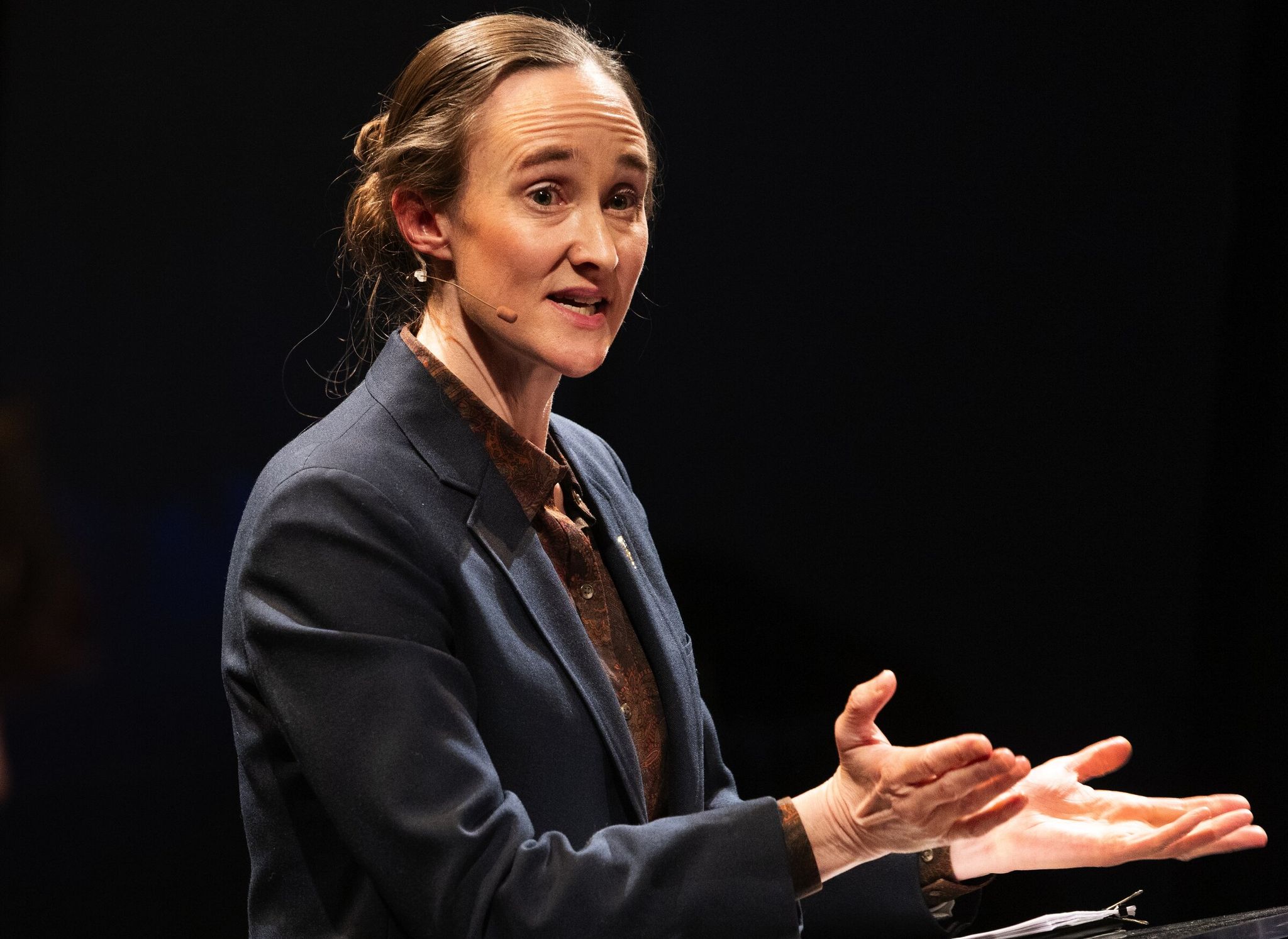
The appointment to Seattle’s highest—and highest-paid—job in city government, the CEO of the municipal utility Seattle City Light, has sparked serious disagreements between Mayor Kathi Wilson and the city council. The mayor’s decision to remove the previous leader and name an interim CEO without direct utility experience drew criticism from unions and legislators, who are demanding greater transparency and competence in managing critical infrastructure.
Mayor Kathi Wilson, who took office relatively recently, moved to fire incumbent Seattle City Light CEO Dawn Lindell—a move that in itself was unusual. As reported by The Seattle Times, the reaction to that decision was far sharper than a routine personnel change. IBEW77 electricians union gathered more than 6,000 signatures calling for Lindell’s reinstatement, and the MLK Labor coalition demanded a more open and transparent search process for a new leader. City council members also expressed frustration that they were not notified in advance. Councilmember Bob Kettle even read aloud at a council meeting a letter from an outraged City Light employee.
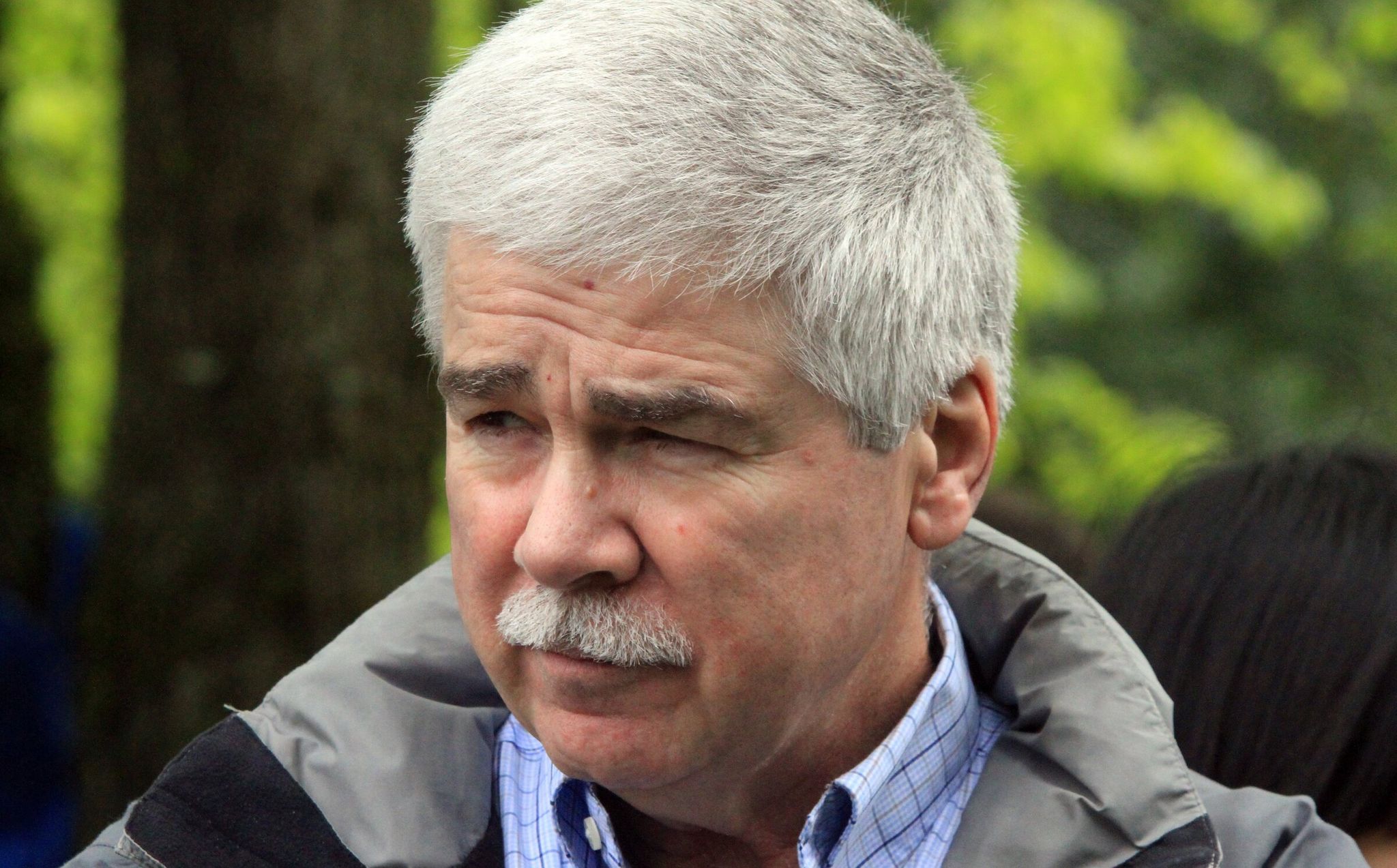
Longtime company employee Craig Smith was named interim successor to Lindell, but he is expected to be replaced in early March by Dennis McLerran, a former regional administrator for the Environmental Protection Agency (EPA). That nomination has provoked the most controversy. In a letter to the mayor, Council President Joy Hollingsworth and Councilmember Dan Strauss voiced “concerns” about leadership stability at the utility and laid out four key criteria for the new CEO, most of which McLerran does not meet. The main point of criticism is his lack of direct experience running a power utility. The lawmakers reminded readers of a painful past lesson: during the Enron-era financial scandal, a City Light CEO who was a competent administrator but lacked industry experience oversaw a 58% rate increase and $500 million in additional debt. Nearby Tacoma, whose leader did have relevant industry experience, avoided similar upheaval.
It’s important to understand that Seattle City Light is not just a city department but a public power utility providing electricity to Seattle. Its steady operation is critical to the life of the city. The company is at a pivotal moment. Demand for electricity is rising rapidly, and forecasts indicate that by 2028 the clean hydropower the city has relied on for more than a century may not be sufficient. Lindell had begun diversifying the energy portfolio to include solar and wind. At the same time, the utility must replace underground cables costing $3 billion, complete a complex relicensing process for dams on the Skagit and Tolt rivers, and deal with the fallout from an internal investigation that found alcohol use on the job and sexual harassment involving 40 employees.
IBEW77 representative Steve Kovach, despite Lindell’s firing of five union members during that investigation, praised her professionalism: “In my 45 years connected to City Light, she is by far the most knowledgeable CEO and manager I have dealt with.” He also noted that historically, leaders hired from outside the utility industry often proved unable to do the job and were later dismissed.
Mayor Wilson’s administration has not offered a full explanation for Lindell’s dismissal. Mayor’s spokesperson Sage Wilson (no relation) clarified that McLerran is not a permanent pick for the CEO role and promised a broad search, though no timeline was given. Lawmakers have indicated their signatures on the paperwork required to put McLerran on the payroll are not guaranteed. They only signed off on Craig Smith’s interim appointment.
The situation reflects a broader trend: despite Mayor Wilson’s initial statements about preserving continuity in department leadership, she has carried out sweeping personnel changes across key areas—from transportation and housing to environmental protection. The Seattle City Light appointment has been the most consequential, highlighting a clash between the political will of the new administration and the demands for expertise and stability in managing the complex municipal infrastructure upon which Seattle’s energy security depends.
Assessing the Seattle Kraken’s position in the NHL’s Pacific Division
In a recent installment of NHL Tonight on the league’s official site, analysts focused on the unexpectedly strong performance of the Seattle Kraken, who have secured third place in the Pacific Division this season. The result is especially notable given that the franchise is one of the NHL’s youngest. In their discussion, available in a video on NHL.com, the analysts break down the key factors that have allowed the Washington team to become competitive so quickly.
The young club, which debuted in the NHL in 2021–22, plays mature, balanced hockey. NHL Tonight’s experts say the Kraken’s success is built not on a few superstar players but on collective discipline, roster depth, and an effective system implemented by the coaching staff. In a league where dominance is often associated with superstars like McDavid or MacKinnon, Seattle’s approach feels fresh. The team emphasizes a “four-line game,” meaning all four forward lines and the defensive pairs contribute meaningfully—wearing down opponents and allowing the club to sustain a high tempo throughout games.
Another emphasized aspect is shrewd front-office work during the expansion draft and subsequent transactions. The Kraken have not just assembled a list of players but built a cohesive group with the right balance of experience and youth. Notably strong defensive play and reliable goaltending often form the foundation for playoff success. Finishing third in a tough Pacific Division—home to perennial powers like the Vegas Golden Knights and Edmonton Oilers—speaks for itself.
The implications of such success are significant. First, the Kraken may be legitimate playoff contenders as early as their second full season, which would be a historic achievement. Second, their team-building model could serve as a template for other clubs, showing that modern hockey success can be achieved through structure and teamwork rather than only expensive contracts for star players. Strong performance also matters for growing hockey culture in a relatively new NHL market, energizing local fans and helping to boost the sport’s popularity in the Pacific Northwest. In that way, the Kraken story moves beyond mere expansion lore and becomes one of the season’s most inspiring sports narratives.
Seahawks’ international-game possibilities for 2026: what’s still on the table?
The question of whether the Seattle Seahawks will play an international game next season has become more intriguing as the NFL continues to expand its series of overseas contests. Expectations for the team have been high given that the league has only selected the Seahawks for international appearances twice in franchise history, and the general trend is that each team should play abroad once per season. However, as it became clear this week, several potential options for the 2026 season have already been removed, narrowing the possibilities but not ruling them out entirely.
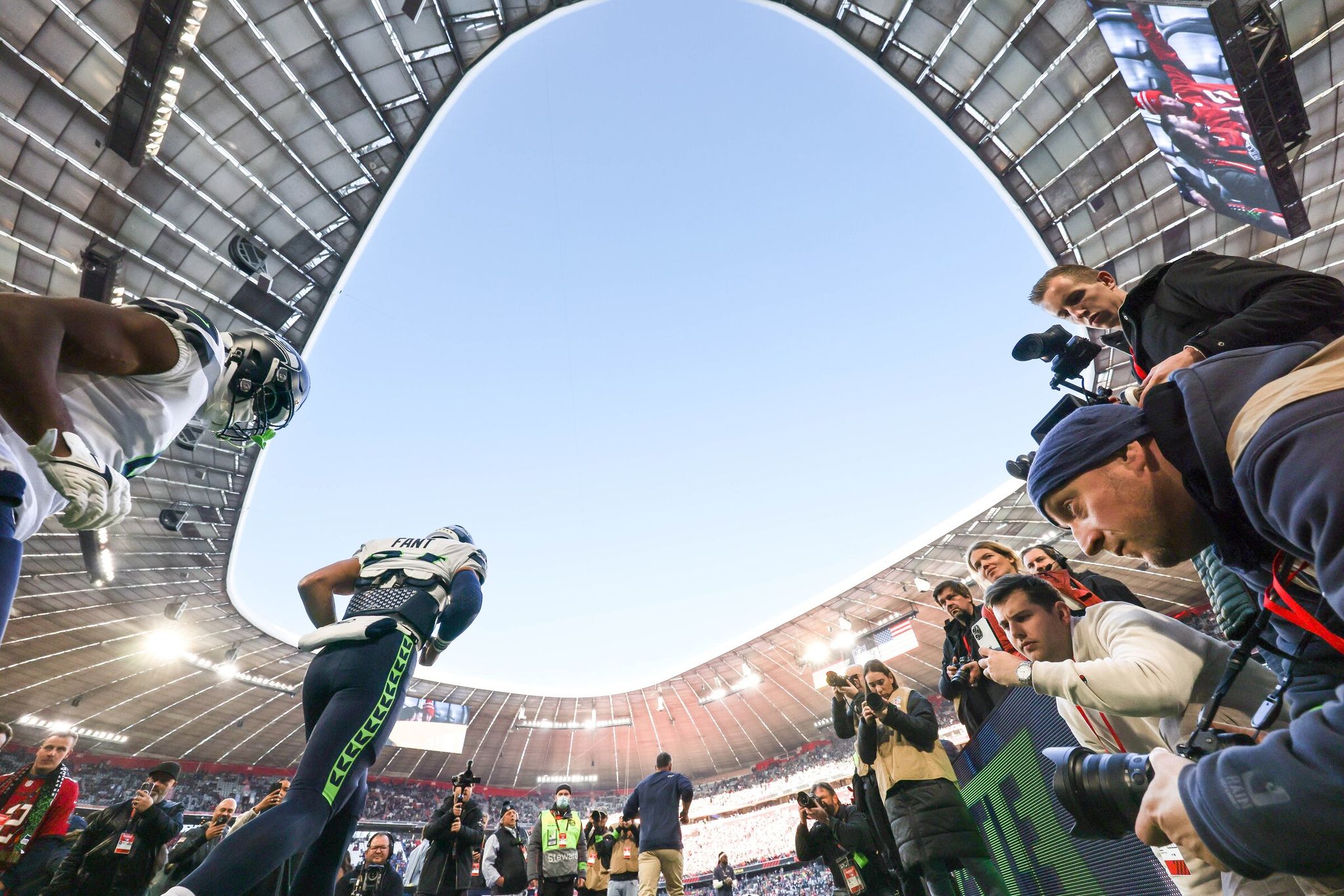
As The Seattle Times reports, amid the start of the NFL scouting combine in Indianapolis the league announced a number of international games that immediately ruled Seattle out of several locations. It’s been revealed that the Detroit Lions will play in Munich in 2026, removing the possibility of Seahawks’ return to Germany (they played the Tampa Bay Buccaneers there in 2022). The option of the first regular-season game in Australia also fell through: the season opener in Melbourne will feature the Los Angeles Rams and San Francisco 49ers. It was initially expected that western teams like the Seahawks might participate, but tradition complicates that plan: the reigning Super Bowl champion—which is Seattle—typically plays the season opener at home to have the victory banner raised, which is incompatible with a long trip to Australia. The Seahawks will also not play in Paris (where the New Orleans Saints will be based) or Rio de Janeiro (hosted by the Dallas Cowboys). Interestingly, Dallas is giving up a home game to play in Brazil, but because the Cowboys are scheduled as visitors in Seattle, that option is also off the table. The team will not play at London’s Wembley Stadium either, as that site will again host the Jacksonville Jaguars, and the Seahawks do not face Jacksonville in 2026.
Despite this, the Seahawks still have four realistic international opportunities next season. Two potential games could be in London at the Tottenham Hotspur Stadium, opponents to be determined. Another possibility is Madrid, Spain, where the NFL will stage a game for the second consecutive year. And there’s a game in Mexico City, where the San Francisco 49ers will be the home team—and the Seahawks are listed among their visiting opponents for 2026. That makes a trip to Mexico one of the more likely scenarios. For context, the NFL is actively expanding its international footprint, aiming for 16 overseas games per year so that each team appears abroad once per season. The Seahawks also hold marketing rights in six countries (Canada, Australia, New Zealand, Germany, Austria, and Switzerland), which had previously fueled speculation about games in Australia or Germany, though those options are currently closed.
Key details from the article include the Seahawks’ 2026 opponent list: at home they will host Arizona, the Los Angeles Rams, San Francisco, Chicago, New England, the Los Angeles Chargers, Kansas City, Dallas, and the New York Giants; on the road they will play Arizona, the Los Angeles Rams, San Francisco, Carolina, Las Vegas, Denver, Philadelphia, and Washington. Since the Rams and 49ers will travel to Australia for the season opener, the pool of possible opponents for Seattle’s home opener narrows to seven teams. While the league is gradually revealing details of its international slate and could announce additional games in the coming months, the full 2026 schedule is expected in May. Thus, despite eliminated options, the Seattle Seahawks still have a solid chance to play abroad in 2026—whether in London, Madrid, or Mexico City—which would continue their part in the NFL’s global expansion.