The city on Puget Sound is facing a triple challenge: billions in costs to replace underground cables installed in the 1960s, a sharp drop in real estate transactions amid turbulence in the tech sector, and sporting success that so far remains the only bright spot for residents.
How Seattle Is Paying for the Mistakes of the 1960s: Underground Cables, a Class Divide and Billion-Dollar Bills
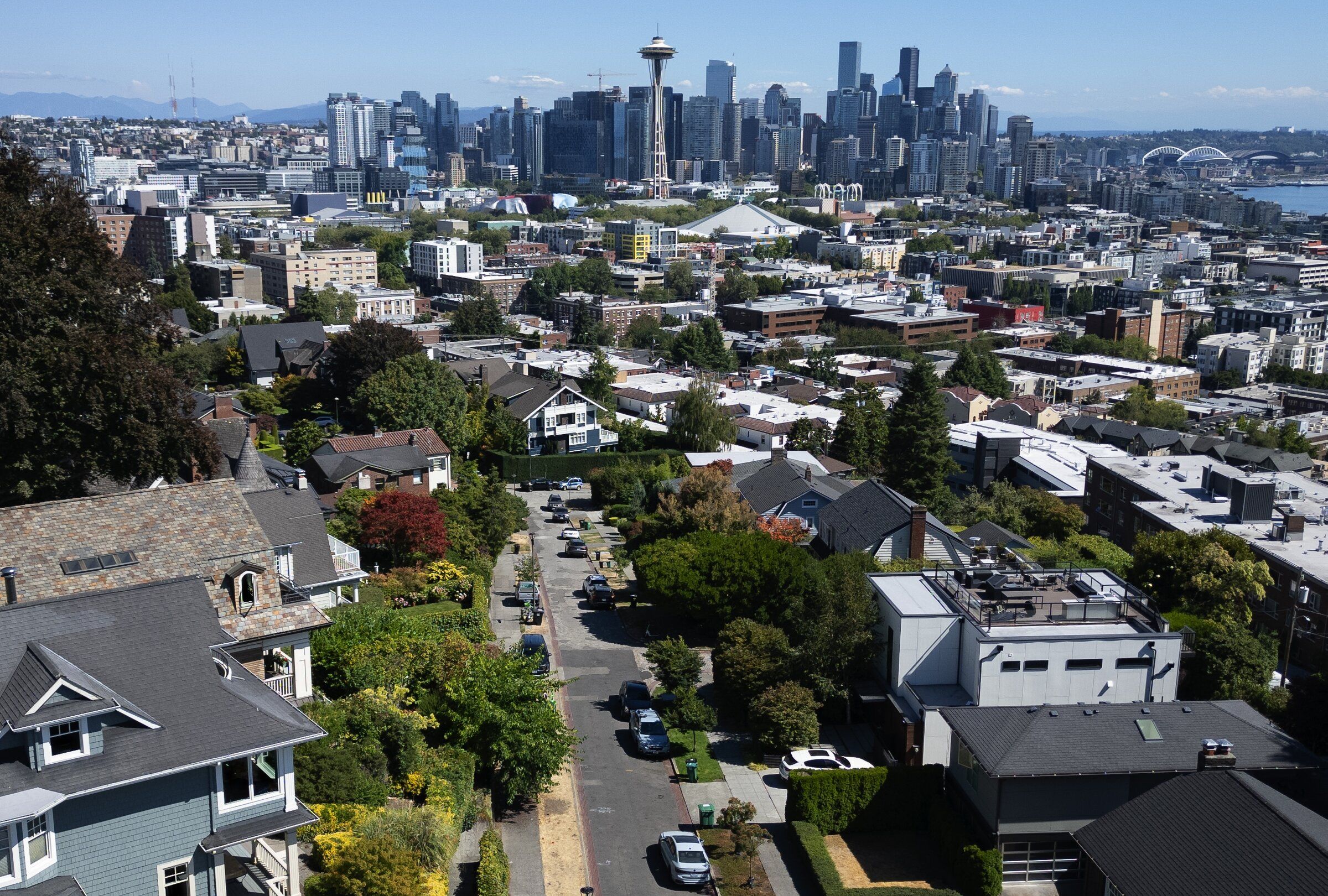
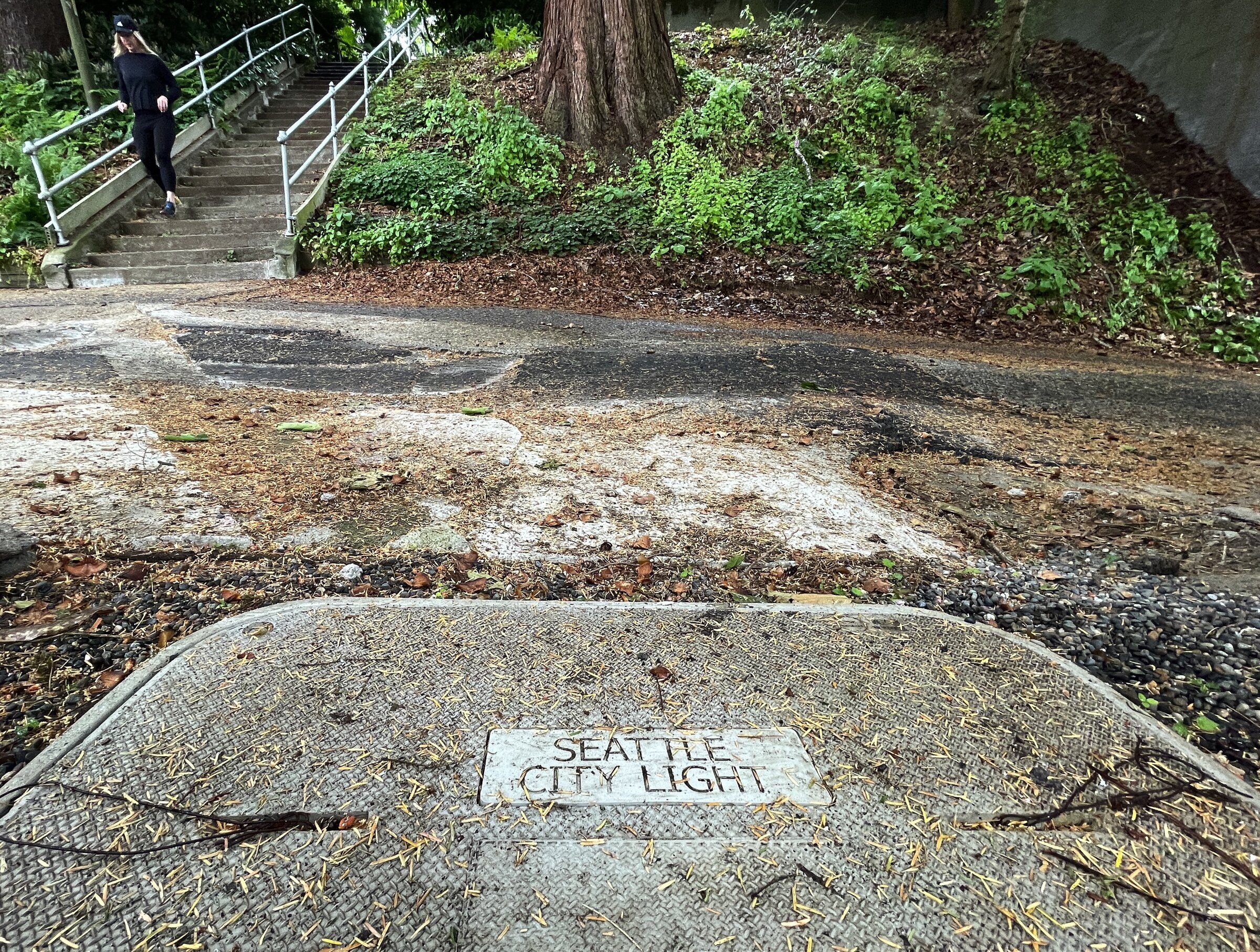
Seattle is confronting a problem that has been building for more than half a century and is now hitting every city resident in the wallet. The issue involves underground power lines installed in affluent neighborhoods in the 1960s for aesthetic reasons—to remove utility wires from view and make the city look more modern. At the time, it seemed like a successful solution: residents of prestigious neighborhoods such as Laurelhurst and Windermere raised the money themselves, the city helped finance the projects, and everyone was satisfied. But no one considered that cables buried directly in trenches without adequate protection would not last forever. Today, more than 300 miles of these lines are well past their useful life, and replacing them will cost more than $2 billion, with the work taking at least 15 years. And that is only the beginning, with additional expenses ahead for upgrading dams, building new substations and transitioning to renewable energy sources.
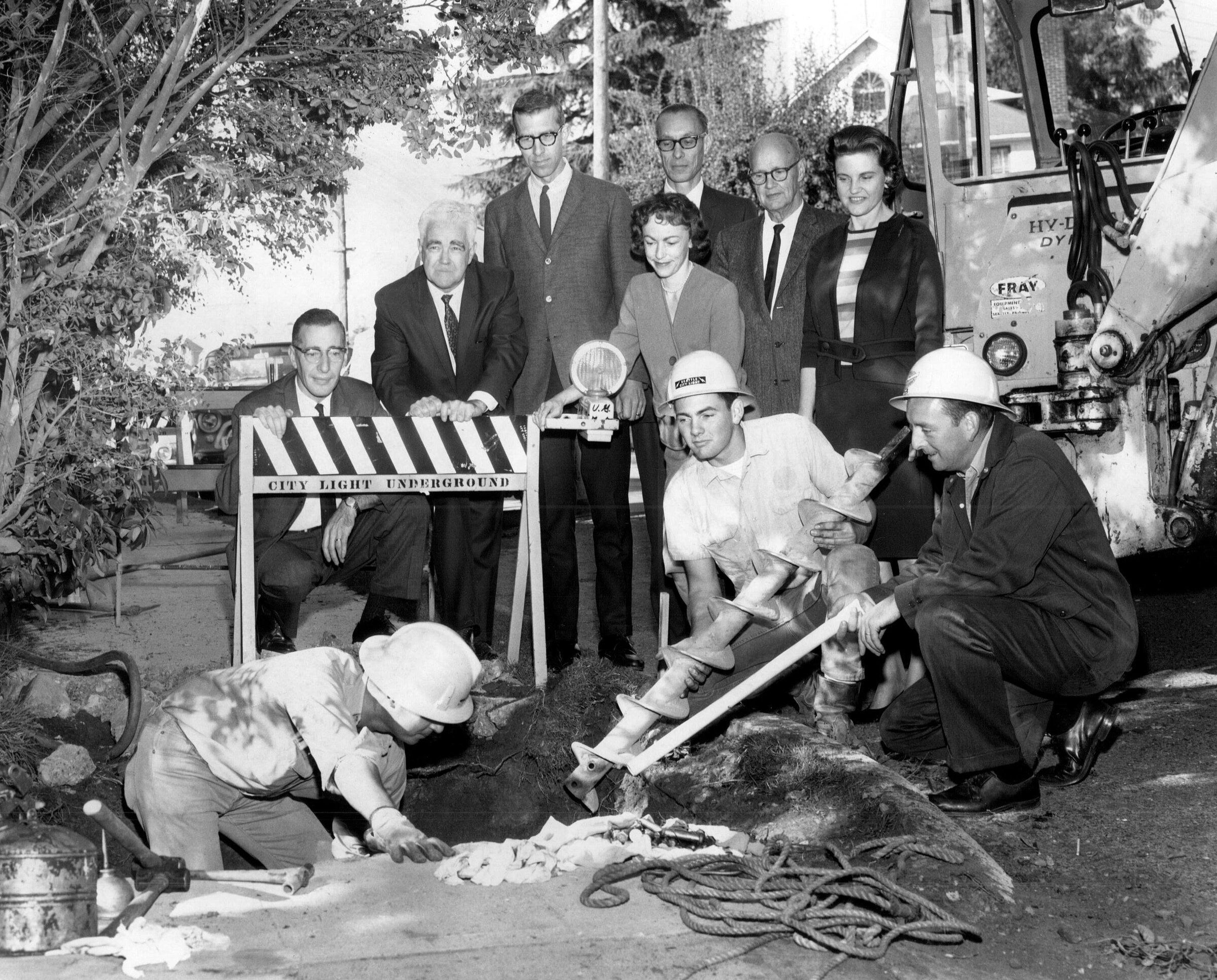
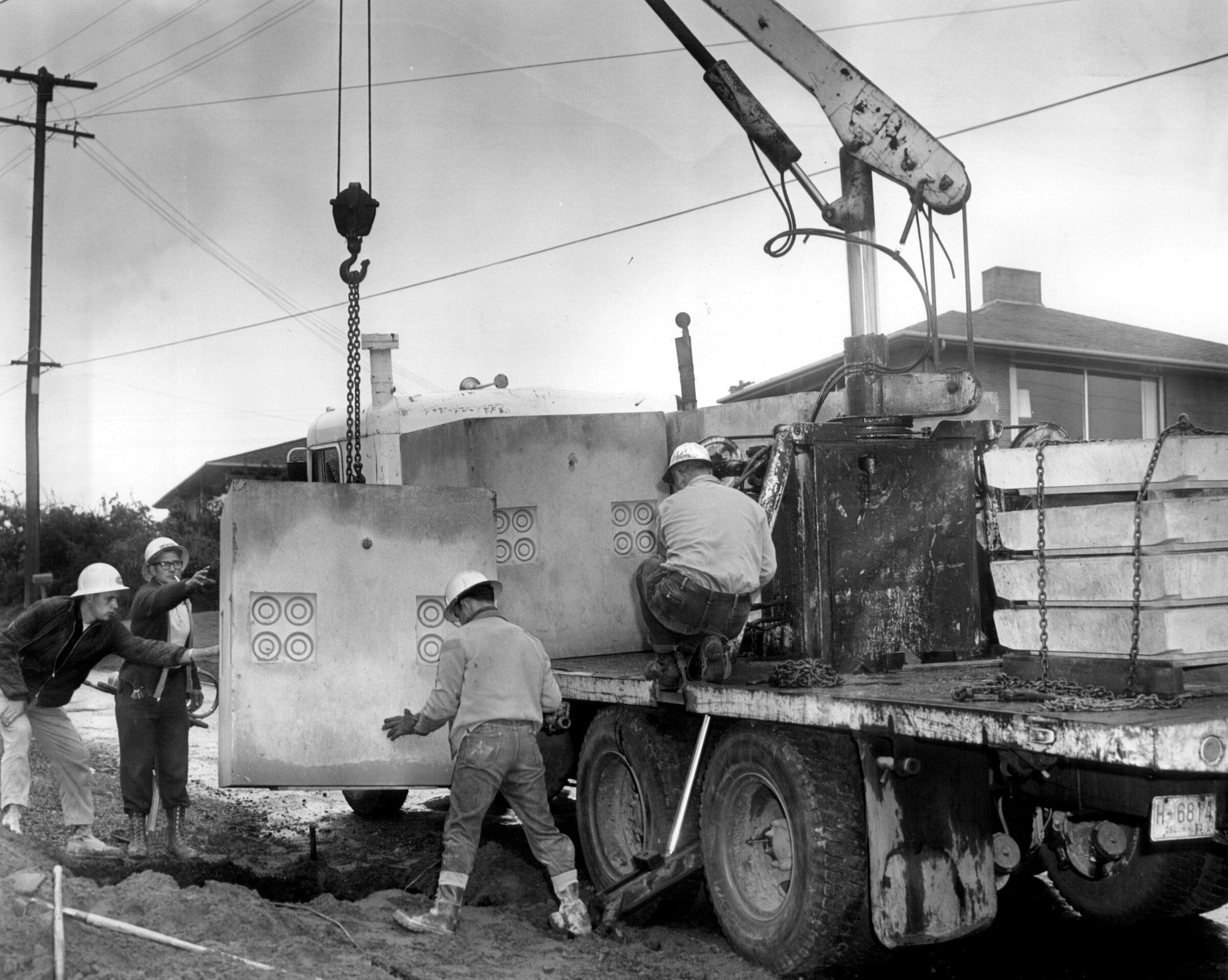
The story began in the 1960s, when residents of Seattle’s most prestigious neighborhoods wanted their streets to look more like those in the suburbs—with no poles or wires sticking up. They paid about $1,000 per property, equivalent to more than $10,000 today, while the city treasury contributed its share. Those who refused to participate were punished with so-called “revenge poles”—single utility poles with wires placed directly in front of their homes. After the first projects succeeded, city officials decided to expand the approach across Seattle, and in 1968 they officially proposed that residents split the costs equally through special tax districts. The system worked: within 10 years, about 50 such districts had been created, and power lines disappeared from view along roughly 8,000 properties.
But problems began almost immediately. First, conflicts arose within the neighborhoods: wealthy residents on the hills wanted attractive views, while those living lower down and with less money did not understand why they should pay for someone else’s aesthetics. Second, fixed fees failed to keep pace with inflation, and by the late 1970s the city was covering three-quarters of the cost instead of the agreed-upon half. In effect, taxes paid by all Seattle residents were funding improvements in the wealthiest neighborhoods, prompting justified outrage. A group called Citizens for Underground Equality even sued the city, but without success. Meanwhile, citywide electricity rates rose by 2.3% specifically because of the program, while residents of poorer neighborhoods received nothing in return. When the city stopped subsidizing the project in the early 1980s, new districts ceased to be created—but the old cables had already been buried.
Now the consequences are clear: while the average power outage in Seattle lasted 78 minutes in 2014, that figure had risen to 145 minutes by 2024, placing the city’s utility service in the bottom quarter nationally. Former Seattle City Light General Manager Dawn Lindell, who was dismissed this year, admitted that she had never seen reliability this poor in her career: “Outages happen almost every day. I’ve never seen anything like it.” The problem is that the cables were buried directly in the ground without protective conduits, so locating a fault requires tearing up entire streets. Massoud Amin, a power-grid expert at the University of Minnesota, calls this a classic sign of aging underground lines: they are difficult to locate and slow to repair.
Seattle is also unusual because, since the early 2000s, its municipal utility has deliberately followed a “run-to-failure” policy, keeping rates low at the expense of maintenance. This was connected to the 2000–01 energy crisis, when electricity prices surged because of drought in California and manipulation by traders, including the notorious Enron. Rather than raising rates as other utilities did, Seattle saved money by cutting back on repairs. Now the city is paying for those savings with interest, and officials acknowledge that the situation cannot continue.
Residents in particular neighborhoods have been hit especially hard. Anna Romanova, who moved to Queen Anne in 2021, has experienced more than 20 outages, including six in the first half of this year alone. She has two young children, one of whom suffers from allergies and needs humidifiers and air purifiers, while she is studying remotely at Georgetown University, where a stable internet connection is essential. Every outage is more than an inconvenience—it is a real problem for her family. Neighbors in View Ridge endured 79 outages over five years before the city finally replaced the cables there at a cost of $63 million. Now, according to local resident Diana Kincaid, outages are practically nonexistent.
Everyone else has to wait. Residents on Queen Anne’s south slope, where cables were installed in two phases during the 1970s, may not get new lines until 2030. At a recent meeting with City Light leadership, more than 60 residents demanded that officials declare an emergency, but authorities remain cautious: they acknowledge that such a declaration could speed up the process, but would not guarantee a quick result. Former Seattle Department of Transportation chief Peter Hahn, who has lived in Queen Anne for more than 40 years, says the work was supposed to begin next year but has yet to start. “If this isn’t an emergency, then I don’t know what is,” he said angrily.
The most difficult issue is one of fairness. Why should all city residents—including those in poorer neighborhoods who receive no benefit from the underground lines—have to pay for the mistakes of wealthy districts made half a century ago? The administration of former Mayor Bruce Harrell considered charging those same neighborhoods for the costs, but concluded that doing so would be legally and logistically impossible: the neighborhoods have changed, and not all of them are as wealthy as they once were. The current mayor’s office, led by Katie Wilson, has not yet provided a clear answer.
Seattle’s problem is not just a story about electricity. It illustrates how short-term political decisions can create long-term problems. As Amin notes, municipal utilities must win a political battle for their budgets every year, while equipment repairs produce no visible results, unlike rate increases, which trigger an immediate negative reaction. As a result, infrastructure ages, and when the bill finally comes due, it is so large that even a wealthy city struggles to pay it. Although Seattle is one of America’s most prosperous cities, it shows how easily governments can fall into the trap of “saving money” on things that are invisible but essential to normal life.
Seattle’s Real Estate Market: The Tech Sector Is Reshaping the Old Order
Seattle, until recently regarded as a model of rapidly rising housing costs fueled by the boom in technology giants, is now showing a paradoxical trend for the first time in years: real estate transactions are plunging even as prices remain extraordinarily high. According to a new report from brokerage Redfin, pending home sales in the Seattle metropolitan area fell 15.6% in a single month—the sharpest decline among all major U.S. metropolitan areas. By comparison, Houston, which ranked second in the pace of decline, saw the figure fall 14.3%. At the same time, Seattle’s median home price stands at an astonishing $809,479—nearly twice the national average. The obvious question is: Why are buyers standing still when housing remains unaffordable for most people?
The roots of this phenomenon lie not in classic economic cycles but in turbulence within the technology industry itself, which has supported the local market for decades. As Redfin agent Chase Costello, who works in Seattle, Bellevue and Mercer Island, explains, the dynamic has changed radically: at the end of 2019, a listed home could attract 15 offers within its first few days; now, offers arrive far less frequently. “The pendulum has definitely swung the other way,” he says. The key factors are a reduced influx of new employees into local corporations and declining mobility among IT professionals, who once frequently changed jobs and moved with them. In addition, mass layoffs at Amazon and other giants, along with uncertainty surrounding the development of artificial intelligence, are making potential buyers more cautious. According to Costello, tech workers “don’t want to dip their toes in the water and discover six months later that they’ve been laid off.” This wait-and-see psychology is directly reflected in transaction statistics.
It is important to understand, however, that this is not a market collapse but a painful correction. Costello emphasizes that prices are not plunging; rather, the market is adapting to a new reality. He even advises buyers not to wait indefinitely but to enter the market now, locking in mortgage rates of 6% or higher with the expectation of refinancing later. The comparison with other hubs is also revealing: while Seattle leads the nation in the decline, San Francisco has recorded an 8.5% increase in pending sales. Still, the agent says San Jose—not San Francisco—is a more appropriate comparison for Seattle, as the two markets are following similar trajectories. These data, reported in a KOMO article, paint a picture of a market that, for the first time in a generation, has ceased to be a “sacred cow” for investors and entered a phase of sober reassessment.
The median price of $809,000 itself deserves special attention. Seattle resident Matt Fioretti, who bought his home in 1998, recalls that the amount already seemed astronomical at the time, yet his house is now worth seven times as much. This historical context explains why prices remain high even as transactions decline: the market is retreating from its peaks but is not returning to long-term average levels. Sellers accustomed to outsized profits are unwilling to cut prices sharply, while buyers—particularly those seeking stability in an era of layoffs—prefer to wait. The result is a classic pattern of “sticky prices”: sales volumes fall, but nominal home values remain supported by inertia and limited new construction.
The deeper cause lies in the changing nature of tech employment itself. Since the late 2010s, Seattle has attracted talent from around the world, creating demand for housing within an hour’s commute of Amazon, Microsoft and hundreds of startup campuses. Now, as companies reconsider remote-work policies while simultaneously introducing AI that is reducing some routine positions, the flow of new residents has dried up. Meanwhile, longtime employees who have kept their jobs often have mortgages with low rates locked in during 2020 and 2021 and are not listing their homes, preferring to stay put. The market is therefore trapped in a low-liquidity situation: few buyers, few listings and high prices. Redfin analysts do not rule out the imbalance continuing for the next several quarters before the market finds a new equilibrium.
As for practical advice to potential buyers, Costello’s recommendation to “buy now and refinance later” makes sense only for those with a long-term planning horizon and confidence in the stability of their income. With mortgage rates above 6% and the technology-sector labor market unstable, the strategy is more a bet on future interest-rate cuts by the Federal Reserve than an immediate financial advantage. Nevertheless, for those not tied to a specific neighborhood, the current situation creates room for negotiation, as sellers are beginning to accept offers below the asking price. Ultimately, as San Jose’s experience shows, technology-driven housing markets are cyclical. The current cooling is not the end of an era, but merely a pause before a new upswing, when the AI revolution creates new jobs and, in turn, new demand for housing in Seattle.
Josh Hader Turned August into a Personal Showcase: How the Astros’ Closer Became Houston’s Most Reliable Player
August was not merely a good month for Houston Astros pitcher Josh Hader—it was a model of perfection. Seven appearances without allowing a single run, and his ERA (earned runs allowed per nine innings) has now fallen to a phenomenal 0.90, while his WHIP (walks and hits per inning pitched) has dropped to 0.77. If you are not deeply immersed in baseball statistics, these numbers may seem like dry data. But for those who follow the game, they send a clear signal: we may be watching the best closer in the league right now.
When people talk about Hader, they usually mention his powerful fastball and nearly unhittable slider, which confounds even the most experienced batters. But this August, it is not only about the “physical” side of the game. José looks different mentally: he is not simply coming in to close games; he is coming in to shut them down. In each of the seven games, he entered the ninth inning with one task—not to give the opponent even the slightest hint of a comeback. And he has done so with frightening consistency. An ERA of 0.90 means that over all his work this month, he has allowed opponents just one earned run—and even that is theoretical, because in reality he has not given up any runs. A WHIP of 0.77 means he allows fewer than one baserunner per inning—an extraordinarily dominant level that is rare even among elite relievers.
The context of these statistics matters not only for Hader’s personal ranking but for the entire team. The Astros are battling for first place in the American League West, and every victory during the tense final stretch of the season is worth its weight in gold. When your closer is in this kind of form, a manager has the luxury of managing the game with confidence, knowing that the ninth inning is almost guaranteed to succeed. Recall how Hader occasionally had “roller-coaster” outings in July—one brilliant game followed by a poor one. Now his performances look like clockwork. Interestingly, this transformation came after he was criticized early in the season for inconsistency, with some even suggesting that he be placed on the injured list to “reset his mind.” Instead, he reset his delivery and is now reaping the rewards.
To understand why these numbers are so highly valued in baseball, consider the context. An ERA of 0.90 is nearly an anomaly for a closer who works in the most stressful situations, often with runners on base and a narrow lead. For comparison, the greatest closers in history—such as Mariano Rivera and Trevor Hoffman—posted career ERAs of around 2.21 and 2.74, respectively. Although Hader’s sample size is small, his current level indicates that he is in unique physical and psychological form. A WHIP of 0.77 is also elite: it means that, on average, he allows fewer than one baserunner per inning, making him practically “untouchable” for opponents. In effect, batters step into the box knowing that their chances of success are extremely slim—and that creates a psychological advantage.
For the Astros, this means not only confidence in the late innings but also a major weapon for the playoffs. If Hader maintains this level through October, Houston will have a tool capable of changing the course of any series. Recall how, in last year’s postseason, a dependable closer often became the decisive factor in extra innings. It is too early to make grand declarations about a “dream season,” but what Hader is doing now is already writing his name into the team’s history. According to MLB.com, these seven consecutive scoreless appearances are the best streak of his career, and he clearly has no intention of stopping.
His pitching approach has changed as well. Analysts have noticed that in August Hader began using his two-seam fastball more often, creating additional movement and forcing batters to miss low in the zone. Combined with his signature slider, this creates a “closed loop” for anyone facing him. Opponents can no longer simply wait for one overpowering pitch—they now have to guess between two completely different offerings, disrupting the rhythm of their swings. At the highest level, such details can turn a good pitcher into an elite one. And although there is still considerable time remaining in the regular season, it can already be said that if Hader continues in this form, discussions about the league’s best closer this year will revolve around him.
There is also a downside: such extraordinary form can create excessive pressure on the player and the team. When you post a 0.90 ERA, any subsequent poor outing is perceived as a catastrophe, even if you give up only one or two runs. But in recent interviews, Hader has emphasized that he does not think about the statistics and simply focuses on each pitch. That is probably the healthiest approach. In baseball, where fractions of a second and millimeters decide everything, thinking too much about the numbers can only hurt. His calm and confidence spread to his teammates, and that may be even more important than the raw statistics. So the Astros can sleep soundly: their last line of defense is currently in reliable hands.