
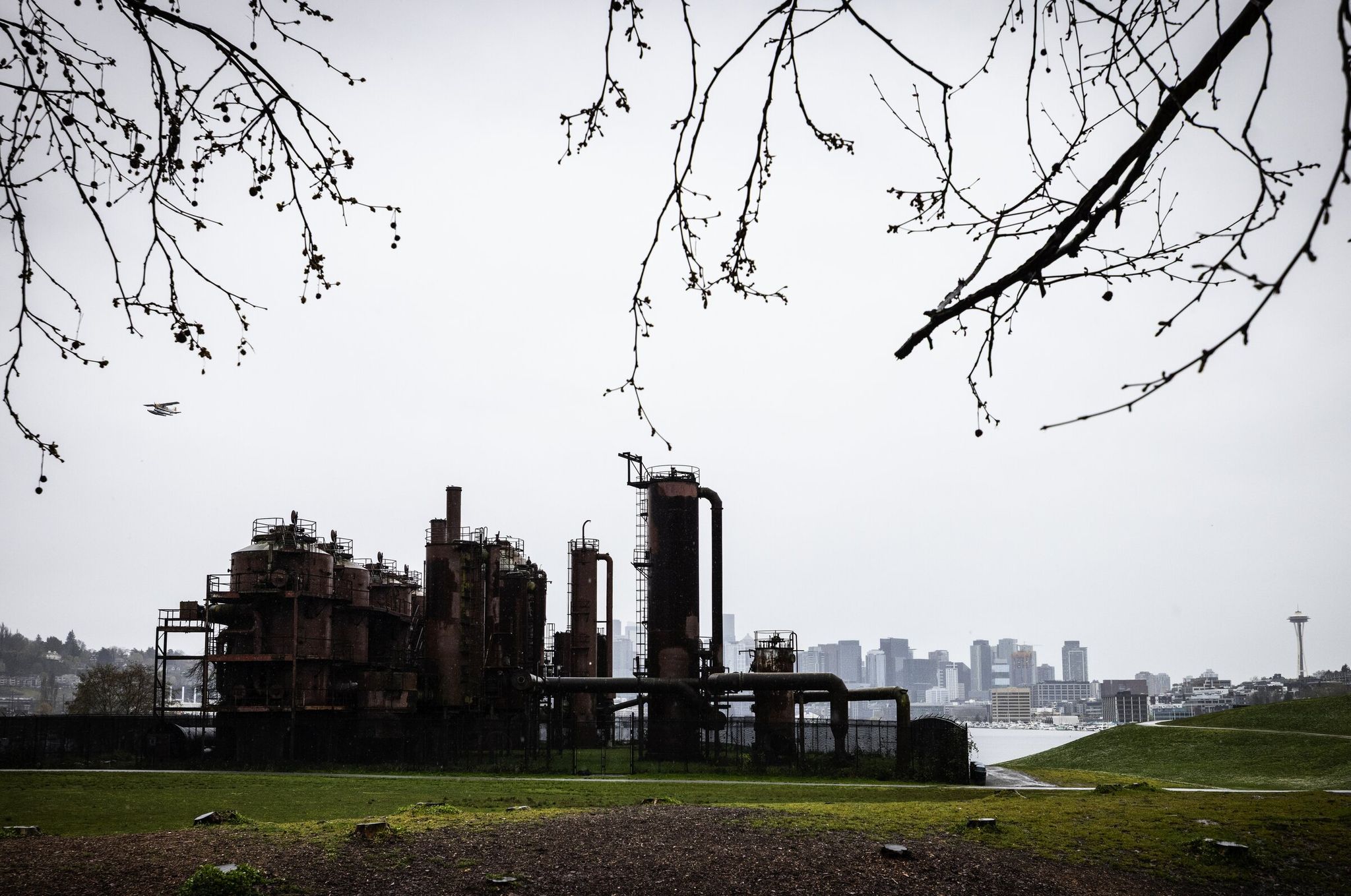
An administrative order could end a six-month stalemate over safety at one of Seattle’s most iconic parks, Gas Works Park. The unique public park with an industrial aesthetic was created in 1975 by landscape architect Richard Haag on the site of an abandoned gas plant that operated from 1906 to 1956. The then-innovative decision to preserve rather than demolish the industrial structures reflected a growing movement to retain industrial heritage and created a rare example of reclamation in the urban core. Today the park holds deep cultural and public significance for residents, serving as a site for picnics, kite-flying, fireworks viewing and large events, helping to reinforce local identity.
The city’s Department of Construction and Inspections issued an order requiring the Parks Department to remedy “hazardous conditions” on the park’s historic cracking towers by May 15. The order allows officials to bypass a veto previously exercised by the Landmarks Preservation Board over any changes. That board, whose members (often historians and architects) are appointed by the mayor and confirmed by the city council, sometimes finds its preservation goals at odds with development or safety concerns. Other signature Seattle sites are under its protection as well, including the Space Needle, Pike Place Market and the Smith Tower — all of which have at times faced disputes over how to reconcile historic preservation with modern standards.
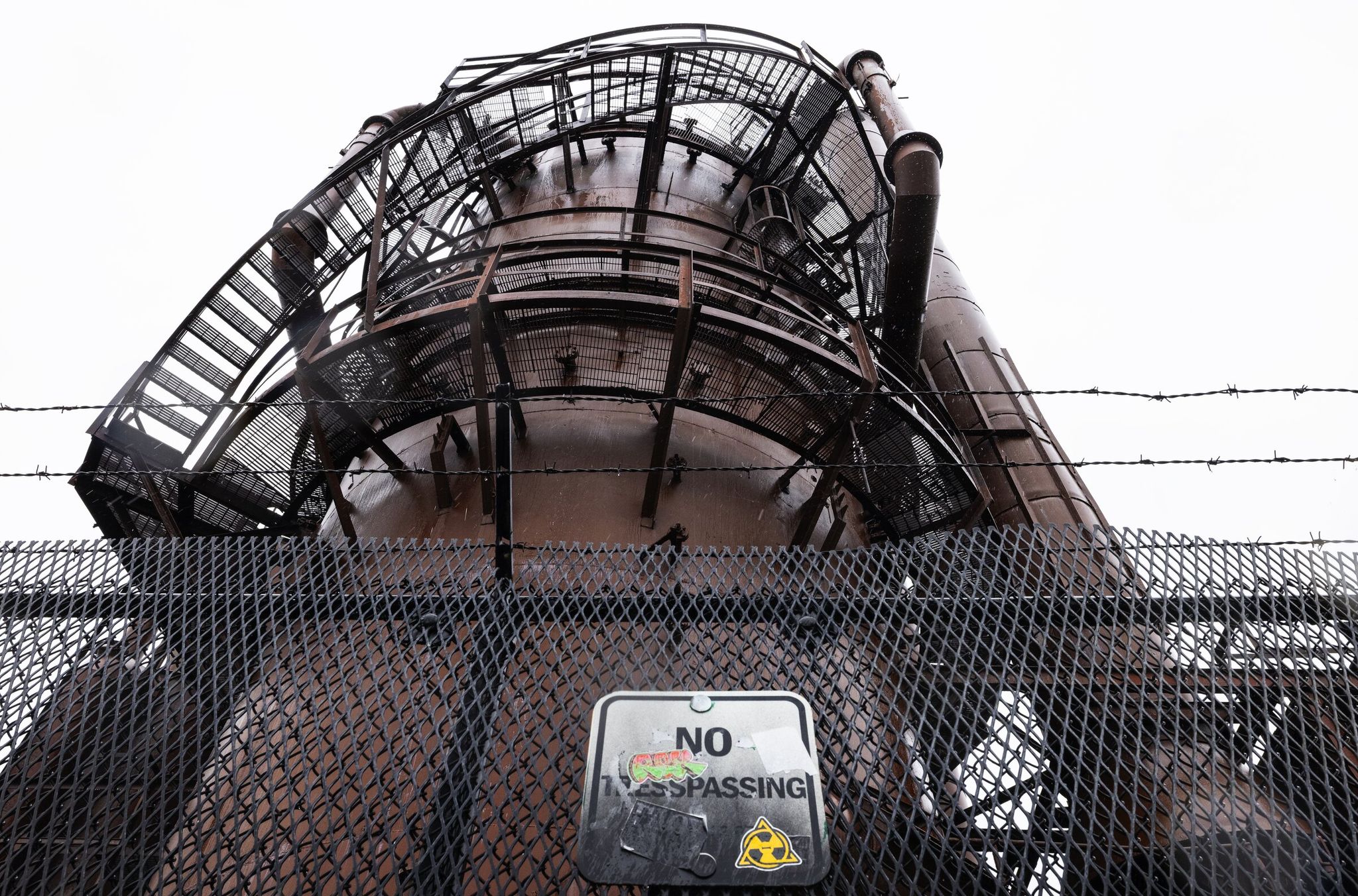
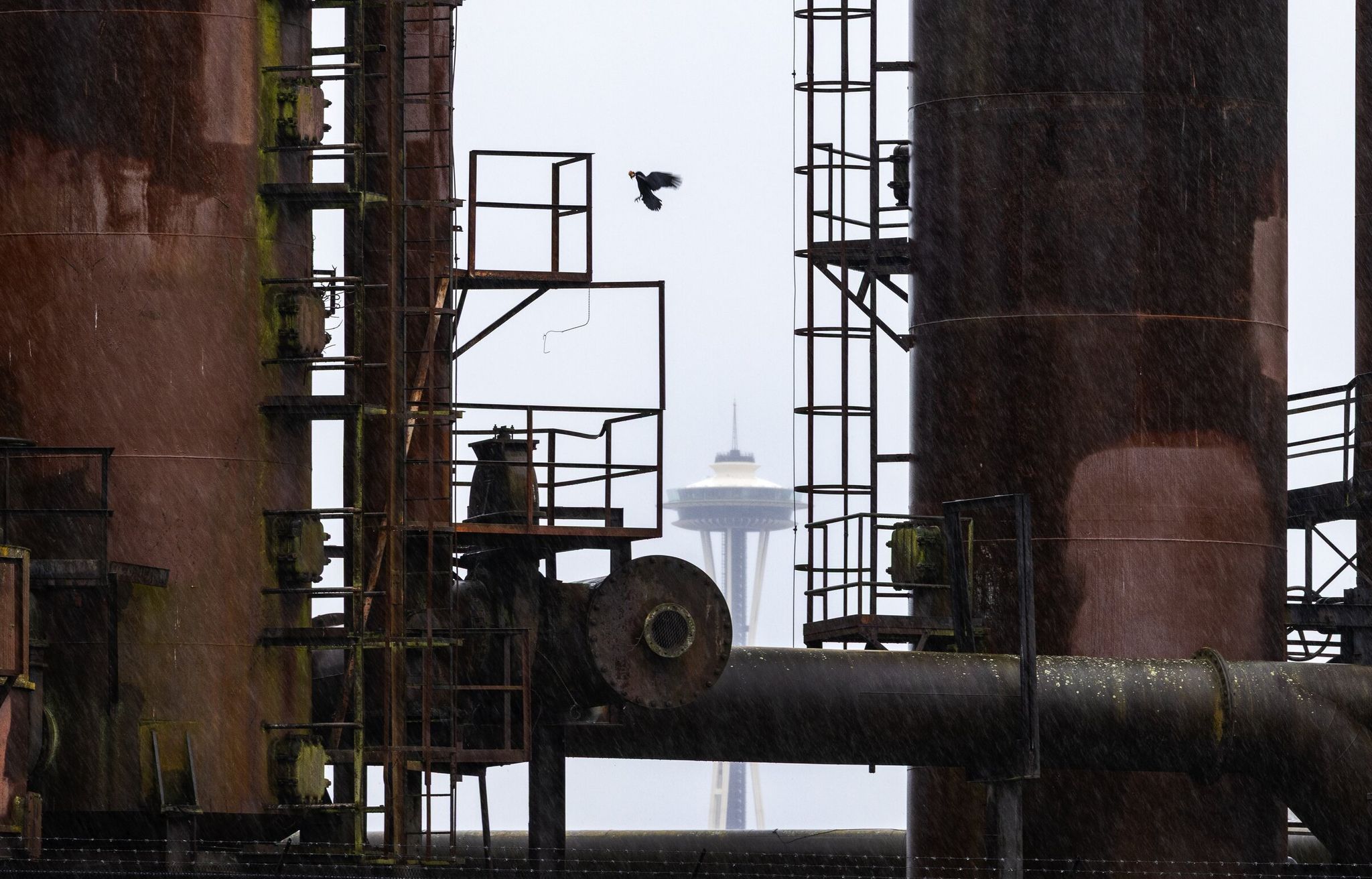
The need for action at Gas Works Park became particularly acute after the tragic death of a 15-year-old student who fell from a 50-foot platform in the park last July. According to authorities, since 2012 at least two people have died and 11 others have been seriously injured from falls while attempting to climb the park’s structures. The new order directs removal of unsafe ladders, pipes and catwalks that engineers have deemed dangerous.
Until now, every attempt by the Parks Department to make safety improvements encountered resistance from the Landmarks Preservation Board. Board members twice rejected the parks department’s proposals, fearing that removing elements would permanently alter the park’s unique industrial character. However, there is a loophole in the law: if a structure is deemed unsafe, the Department of Construction and Inspections can authorize changes without the board’s approval. The issued order uses that provision. If the Parks Department fails to comply by the deadline, it faces a lawsuit and a $500 per-day fine for each day of delay.
The city’s action followed a lawsuit filed by the family of the deceased teenager in October. In the suit, relatives sought to have the park declared a “public hazard” that must be remedied and demanded public apologies. The family’s attorneys accused the Landmarks Preservation Board of placing the appearance of the structures above visitor safety.
The Parks Department has already applied for a building permit to carry out the work specified in the order. Once the permit is approved, work can begin. The department says it continues to “evaluate options” taking into account the board’s comments.
Members of the Landmarks Preservation Board were apparently caught off guard by the administrative order. At a recent meeting they asked parks representatives how the Department of Construction became aware of the safety issues. One board member suggested the order might be tied to the “pending litigation,” hinting at the family’s lawsuit.
The head of the Department of Construction said the agency contacted the parks department after receiving reports of hazards about a month and a half earlier. Inspectors visited the park, reviewed the parks department’s proposals and the engineers’ findings, and concluded the changes were necessary for public safety. “We are the agency with jurisdiction in this matter,” he said.
Karen Keller, the attorney for the deceased teenager’s family, bitterly notes that city officials had known about the park’s safety problems for years but only acted after the lawsuit. “Why couldn’t they do this on their own? Why did it take this grieving family — this devastated family — for it to happen?” she asked, emphasizing the tragic price paid for long-overdue changes.

Based on: Seattle officials seek permit to fix Gas Works Park ‘hazard’