The Mariners are abandoning a risky plan involving two starting pitchers due to workload—an approach that has their rotation leading MLB in innings. Meanwhile, Seattle is preparing a major fireworks show over Lake Union to mark the 250th anniversary of the United States: 7,000 pounds of pyrotechnics, music, and daytime activities. In 2026, entry to Gas Works Park for the first time will be ticketed, but the show promises to remain spectacular and safe.
No More “Piggyback” Plan: Mariners Reassess Pitching Strategy Before the All-Star Break
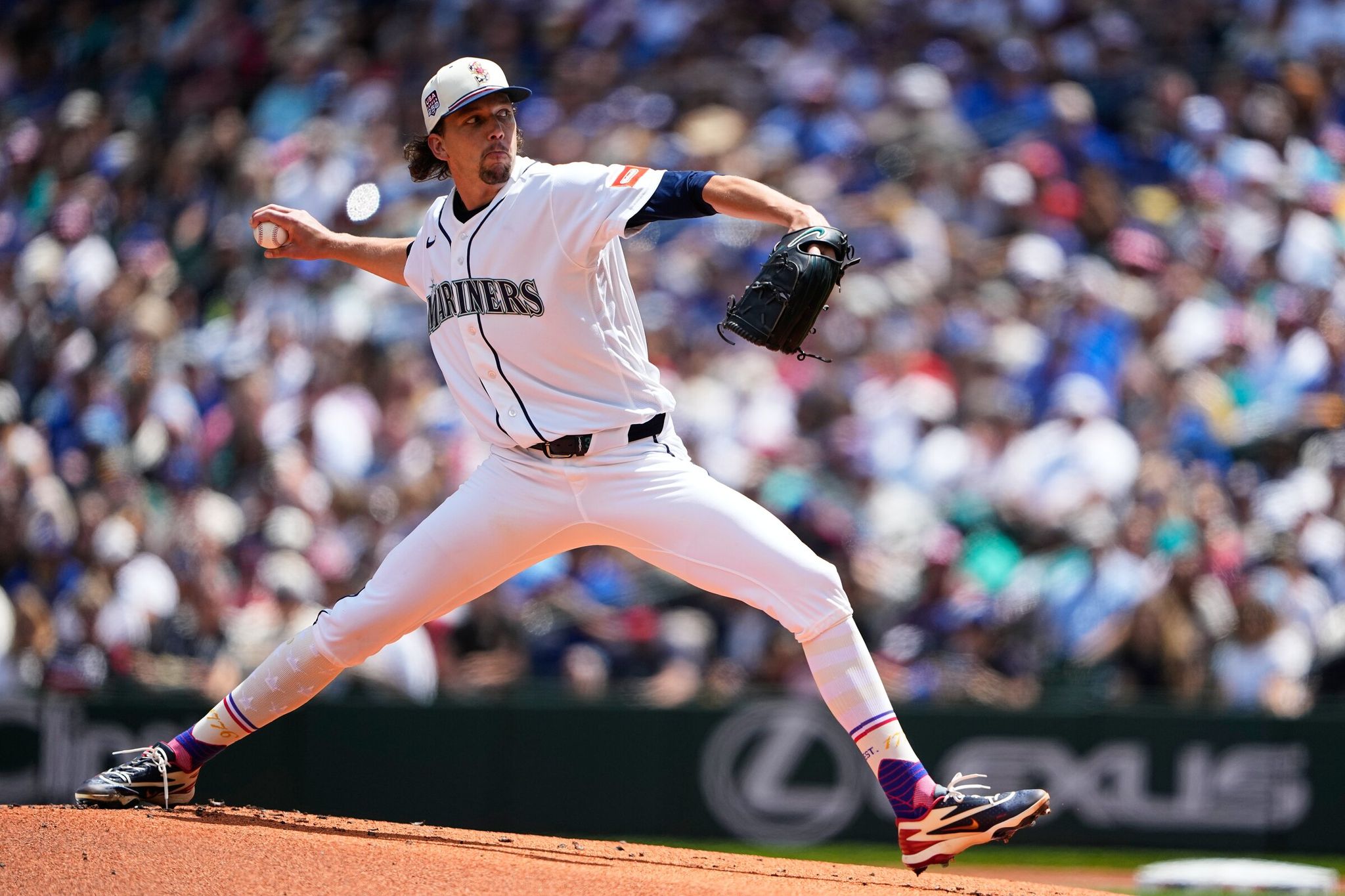
Seattle Mariners manager Dan Wilson will no longer be using the word “piggyback,” at least for the next couple of weeks. On Saturday morning—three hours before the first pitch—Wilson announced that the team is scrapping the buzzed-about strategy of paired starting pitchers they had planned to use in their game against the Toronto Blue Jays. The initial idea was that Logan Gilbert would start and go roughly five innings or 75 pitches, with Emerson Hancock finishing the rest. But as Wilson explained, Gilbert will now start on Saturday, Hancock on Sunday, and the rotation will be reworked to allow for rest before the All-Star break.
This isn’t the first time the Mariners have backed away from a “piggyback” plan at the last minute. A week ago in Cleveland, the same pairing was originally supposed to pitch on Saturday, but the team changed course there as well. Wilson did not specify which specific starters needed an extra day of rest, citing the heavy burden of the first half of the season.
The term “piggyback” (literally “ride on someone’s back”) means one pitcher begins the game and another finishes it—both typically work about five innings, “carrying” each other’s load. It’s an unusual tactic, usually used in the minors or when you need to give an overworked bullpen a break. The Mariners turned to it because of the sheer workload on their starting group: as of Saturday, their starters had combined for 513 innings—more than any other team in Major League Baseball. Their nearest pursuers, the Cleveland Guardians, are 17 innings behind. At the same time, Seattle’s bullpen has logged the fewest innings—just 276. That imbalance helps explain why the club is trying to conserve the stamina of its aces. By the weekend, George Kirby had 104 innings (the seventh-most in MLB), Gilbert had already surpassed 100 after his Saturday start, Bryan Woo had 99⅓, and Hancock had 90⅔.
Dropping the double-start approach does not mean a return to a five-day rotation. Instead, as Wilson said, the team will continue using six starting pitchers at least through the road trip leading into the All-Star break, and likely beyond. That gives an extra day of rest to each of the six—critical for maintaining their health. The projected schedule for the upcoming Miami series is expected to be announced on Sunday, which will clarify exactly who had to shift due to fatigue.
Alongside these pitching adjustments, the Mariners are also awaiting the return of Brandon Donovan. He will begin a rehab assignment on Tuesday with one of Seattle’s minor-league affiliates. Donovan previously injured his groin, but on Saturday he was working on the field and running the bases without any issues. Where exactly he will build back up—AAA Tacoma, AA Arkansas, or High-A Everett—has not yet been determined. However, because the All-Star break means an across-the-minors pause, Donovan will likely head to Arizona and play in the Arizona League, aiming to return to the big club right after the break.
As noted by The Seattle Times, this pitching move is a forced measure: in the pursuit of the division-leading Mariners, they risk overloading their best pitchers. Giving up the “piggyback” plan may be temporary, but it shows the front office is trying to balance current results with keeping the team healthy for the second half of the season.
A Grand Fireworks Show on Seattle’s Lake Union to Celebrate America’s 250th Anniversary
Lake Union in Seattle is once again set to be the center of the Independence Day celebrations. This year, organizers promise not just a spectacle, but an event tied to a milestone anniversary—the 250th anniversary of the United States. While the official anniversary is in 2026, the city is already preparing something special so residents and visitors can feel the scale of what’s coming. This year’s traditional Seafair 4th of July fireworks—an annual draw for tens of thousands of spectators—will be even more impressive.
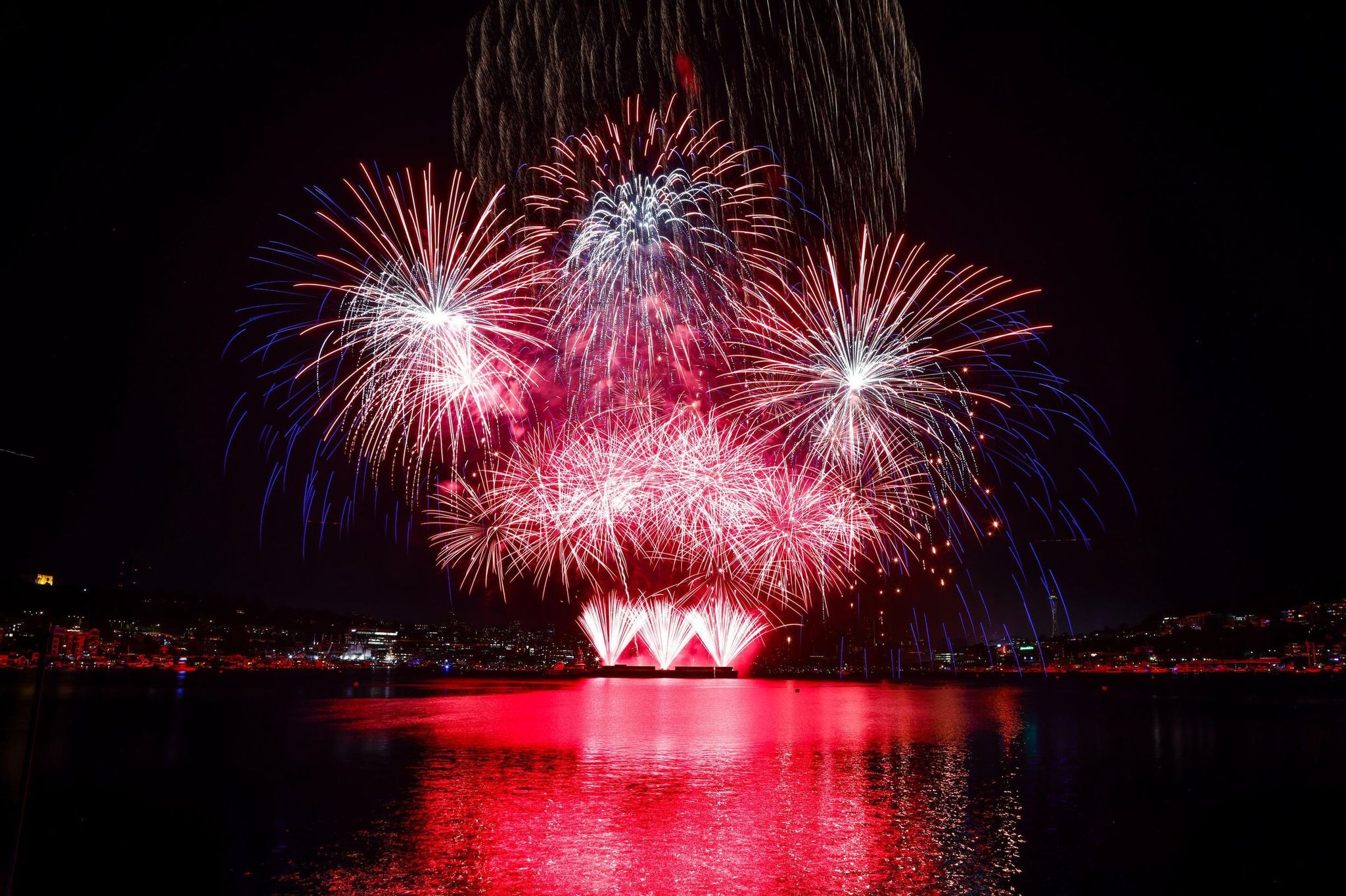
According to information published by KOMO News, organizers plan to launch 7,000 pounds (about 3.2 tons) of pyrotechnics from a barge positioned directly on the water. It will be among the largest fireworks shows on the West Coast. In addition to the evening light show, the celebration includes daytime games, live music, and entertainment at Gas Works Park, with the best views of the lake. Seafair is not only fireworks, but a multi-day festival that combines hydro races, air shows, and cultural events. Still, July 4 is its peak moment—when the sky over Seattle is lit up by hundreds of colorful charges.
For the city, it’s not just fun—it’s also a major tourism boost. Thousands of people head to Lake Union to secure spots early, and boats fill the water well before the fireworks begin. With the 250th anniversary of the country serving as a reason for national pride, organizers emphasize that this year’s show will be especially patriotic and on a grand scale. Despite the article mentioning 2025, many people associate the preparations with the upcoming 2026 anniversary, which helps explain the level of buildup starting a full year ahead of the main date. For anyone hoping to see everything in person, it’s worth planning a route in advance: parking will be limited, and the best viewing areas are expected to be taken from sunrise.
Seattle Fireworks for the U.S. 250th Anniversary: How Independence Day Went in 2026
Independence Day in 2026 was a special one for Americans—the country marked its 250th anniversary. In Seattle, the main event as usual was the Seafair fireworks over Lake Union, drawing tens of thousands of spectators. According to The Seattle Times, organizers made a significant change this year: entry to Gas Works Park, which offers the best views of the fireworks, was ticketed for the first time, with the grounds also fenced off. The neighboring Lake Union Park remained open to everyone.
The decision was likely driven by the need to control crowd flow during a landmark year expected to bring an especially large turnout. Throughout the day, both venues hosted entertainment: live music, traditional competitions such as pie-eating and sack races, and food locations—along with two adult beer areas in Gas Works and one in Lake Union Park. The fireworks themselves started around 10:20 p.m. with music, and for those who couldn’t attend, Fox 13 provided a live broadcast.
It’s worth noting that the 250th anniversary gave the celebration an added sense of scale: anniversaries like this happen once every few decades, and organizers aimed to deliver a memorable show. Introducing tickets at the most popular viewing spot—Gas Works Park—sparked mixed reactions: on one hand, it helped prevent crowding and improved safety; on the other, it limited access for those who arrived late or couldn’t purchase tickets in advance. But Lake Union Park, which stayed free, helped partially offset the issue.
So, Seattle’s Independence Day celebration in 2026 became an example of how major public events adapt to rising expectations for safety and comfort—without losing the spirit of a nationwide celebration. Overall, the event passed without serious incidents, and thousands of lights over the lake served as a reminder of the symbolism of the country’s 250-year journey.