Overview of key events: challenges in Shoreline’s housing market, arrival of the new Amtrak Cascades train in Seattle and the debut of pitcher Lucas Giolito for the Padres against the Mariners.
Shoreline housing market: buyers want in, but can’t
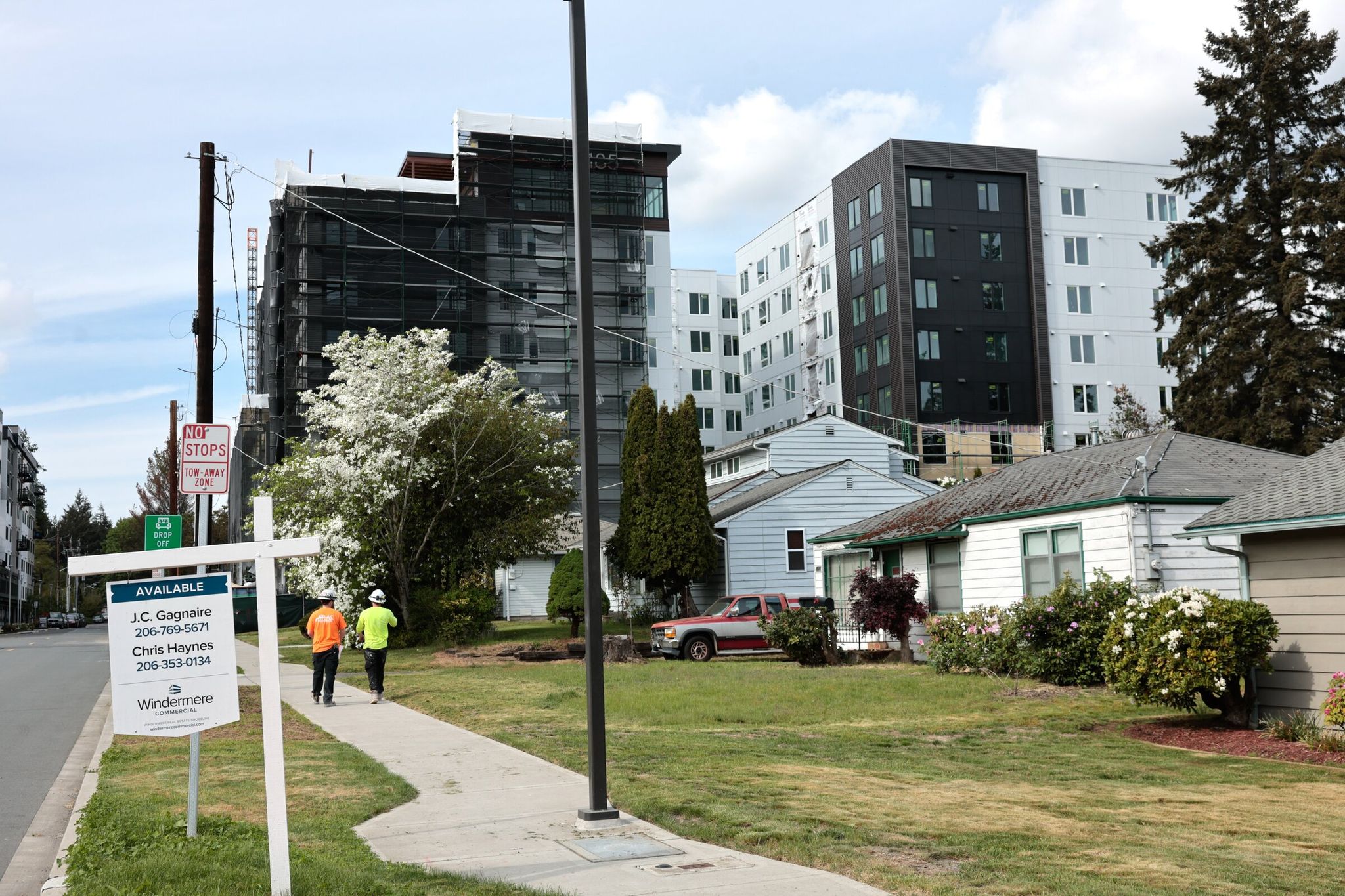
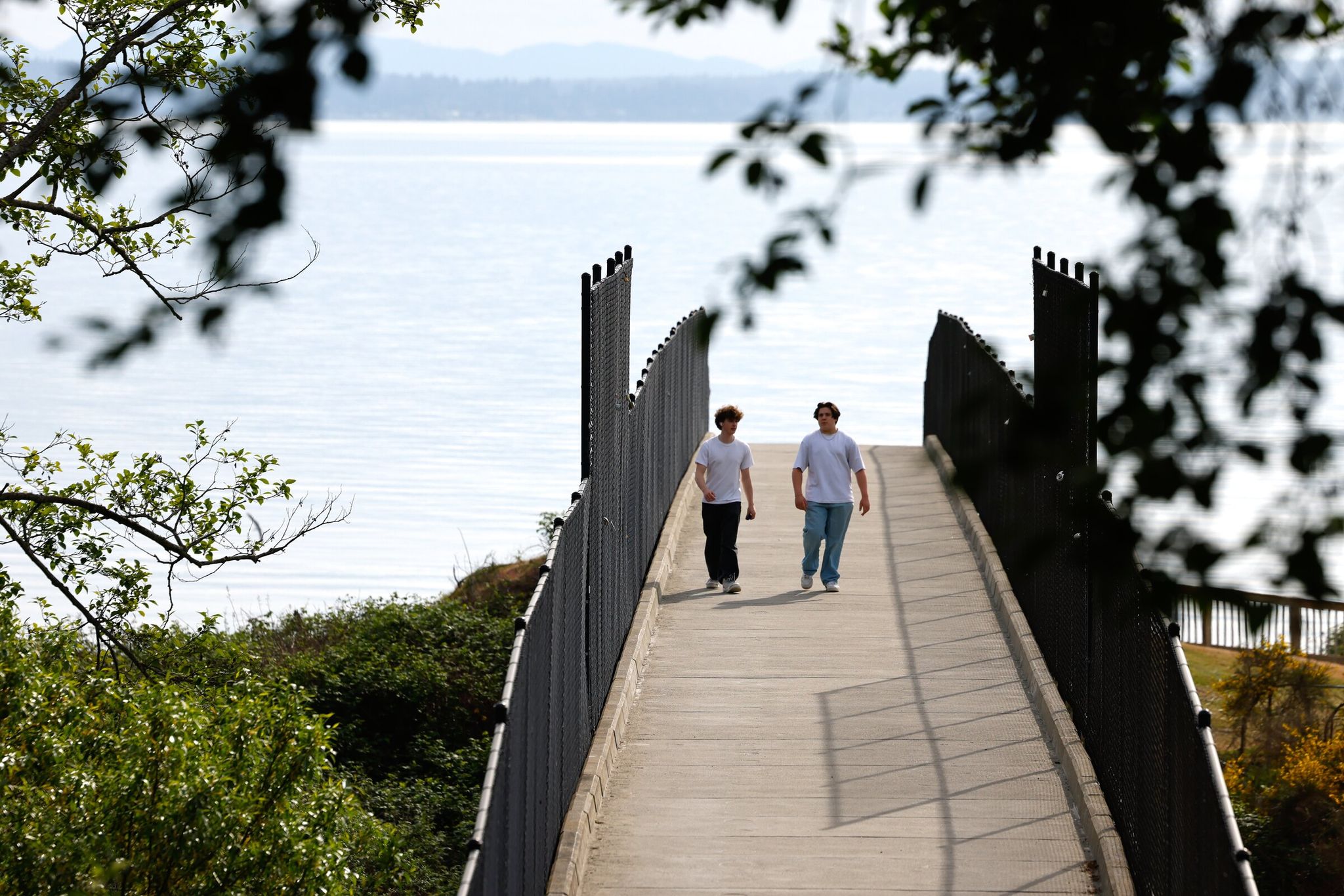
The housing market in the Seattle suburb of Shoreline remains tough for buyers, even though the number of homes for sale has ticked up slightly. This city, located just north of Seattle, attracts people who want to live near the metropolis while having more space and paying less. However, as practice shows, the dream of homeownership here often requires not just financial effort but time spent waiting.
Ashish Mishra and his wife Michelle, who bought a Shoreline house last fall for $865,000 — $5,000 over the asking price — say it was a good deal. They moved from a small Seattle apartment and got a lot with a big yard that would have been out of price range on the Eastside. Their example illustrates the general trend: even though Shoreline is relatively affordable compared with some areas, it remains a seller’s market. Local realtor David Maider of Windermere M2 bluntly describes the situation: “It’s very heavily tilted toward sellers.” In an interview with The Seattle Times he explains that supply simply can’t keep up with demand.
One key reason for the shortage is that current homeowners don’t want to sell. Many locked in low-rate mortgages a few years ago, and selling now would mean losing favorable loan terms. Broker John Short of RE/MAX Town Center explains that people who bought at the market peak a couple of years ago are now simply afraid to make a move because they could break even or even lose money. “People who would normally sell to upgrade or downsize aren’t doing that because their monthly payment would jump dramatically with current rates,” he notes. As a result, just 451 houses sold in Shoreline in 2023 — the fewest in six years. Although sales picked up somewhat in 2024, condominiums are selling worse: only 24 condo transactions in the first four months, about half the peak levels of 2021–22.
Despite this, the median price for a single-family home in April was $827,500. The most affordable options are townhomes priced at $650–700k and condos starting around $300k. By comparison, an equivalent-sized apartment in Seattle would cost noticeably more. That’s why David Sims, executive director of a nonprofit, waited two years before buying a two-bedroom house in September 2022. For her, key factors were the affordable price, proximity to Seattle and the ability to park her trailer on a quarter-acre lot. On top of that, new light-rail stations opened in Shoreline at 148th and 185th streets in 2024, allowing people to reach downtown Seattle in under half an hour. David admits she’s “a city person” and values that connection to the metropolis.
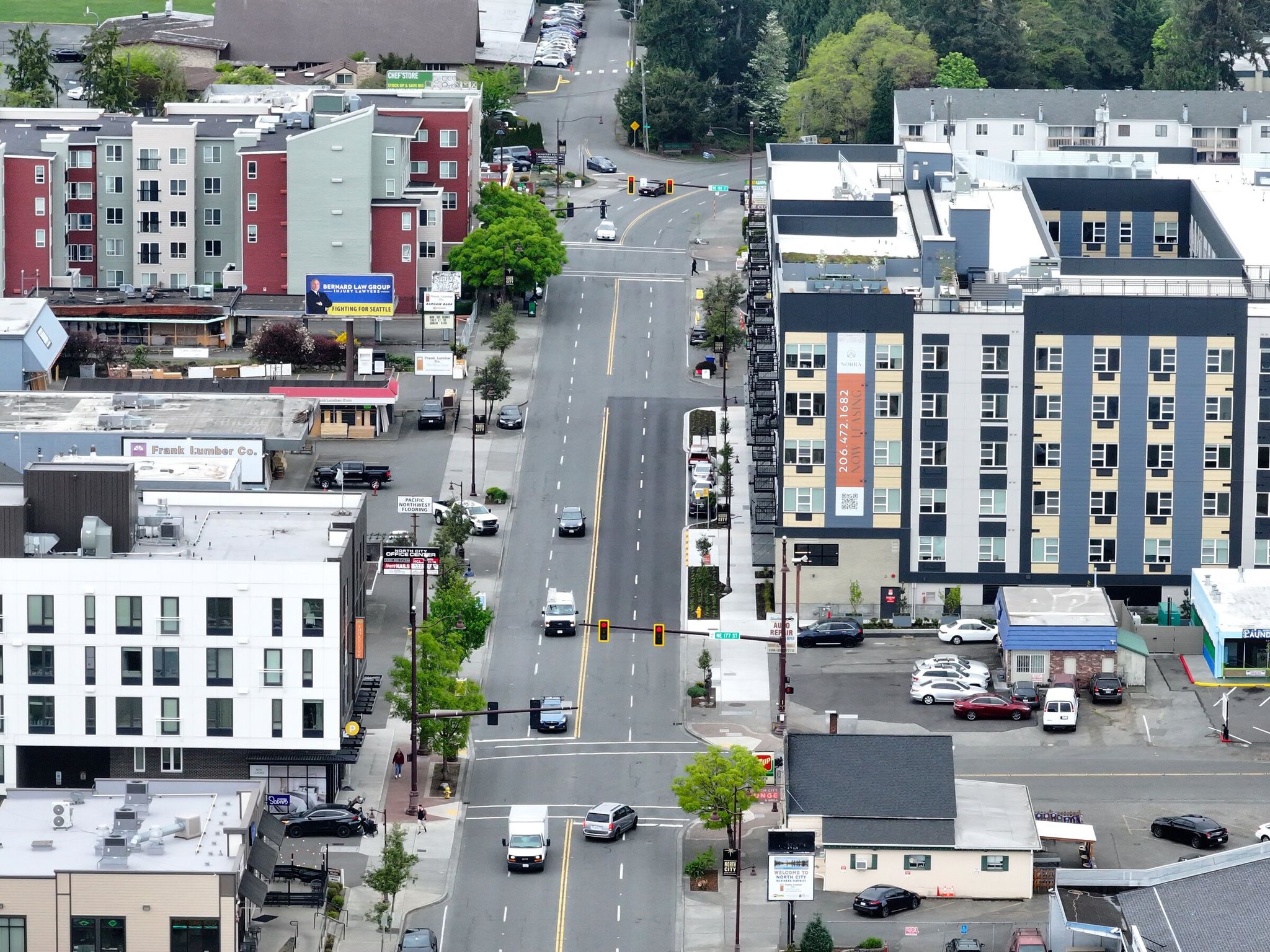
However, many newcomers say Shoreline lacks its own identity and the feel of urban life. Ashish Mishra compares it to Seattle neighborhoods: “If you look at neighborhoods like Ballard, they have a face. I don’t really understand what Shoreline’s identity is.” Megan Brink, an animator who moved with her husband from Ballard, shares that view. She appreciates the quiet, tree-lined streets but laments the absence of a “heart” to the area: there are only takeout places and tire shops nearby, but no place to hang out.
In response, Mayor Betsy Robertson acknowledges that Shoreline needs more draw spots and restaurants. She notes the city is changing: since 2020, 279 permits have been issued for townhome construction and 142 for single-family homes. The city plans to create an “Art and Food” zone near the 185th Street light-rail station, featuring food trucks, public art and green space. “I really want this to be the era where our community in Shoreline forms,” she says, signaling that the city aims to be more than a bedroom suburb and not turn into Seattle’s “concrete jungle.” Still, given high demand and limited supply, the market will likely remain tilted toward sellers for the foreseeable future.
Seattle welcomes the first next-generation Amtrak Cascades train
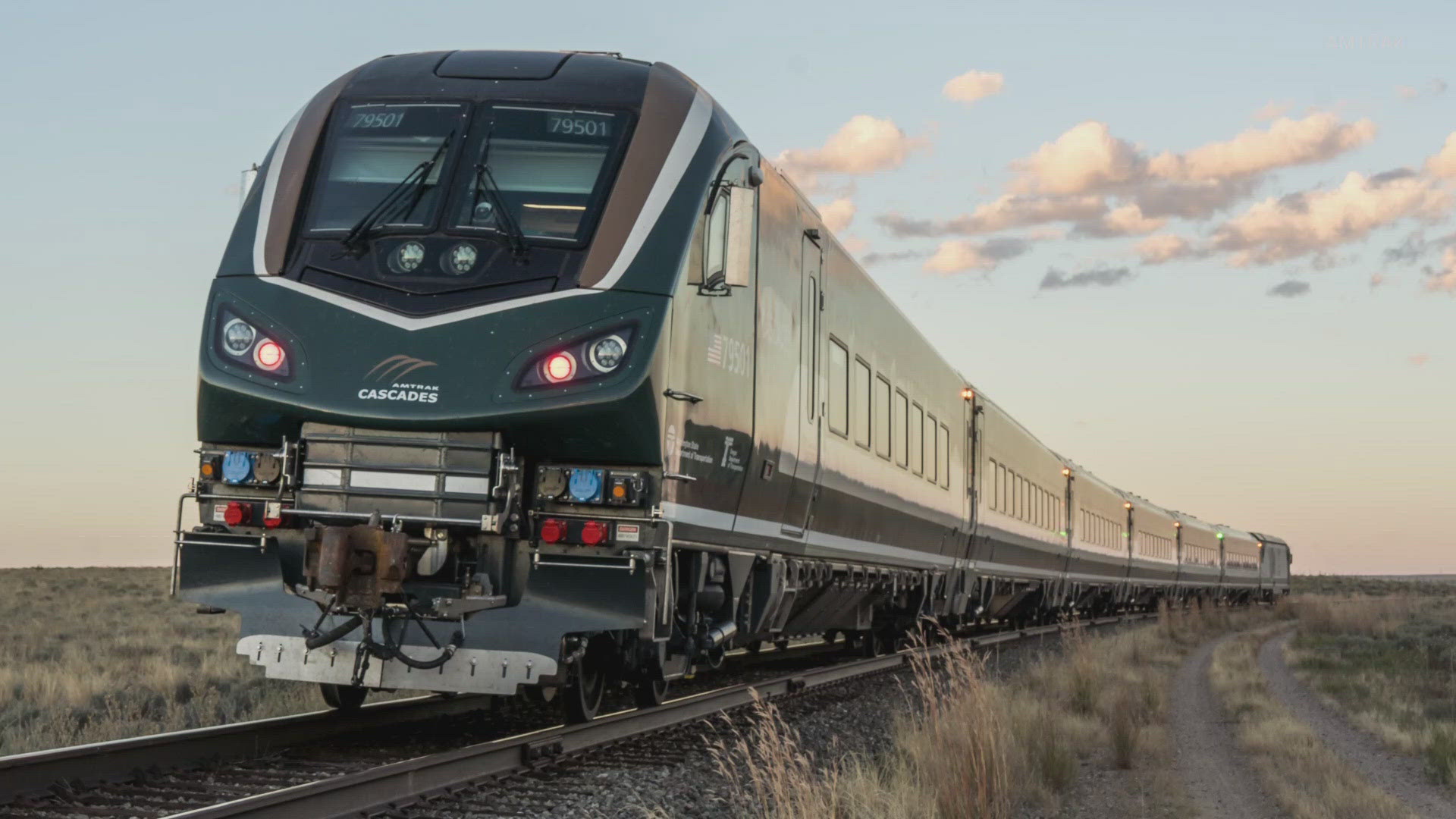
Last Saturday the first next-generation Amtrak Cascades Airo train arrived at King Street Station in Seattle. The arrival marks the start of a major modernization of passenger rail service in the Pacific Northwest. Train enthusiasts and regional transportation officials turned out to greet the new consist. The train, which is still undergoing final testing, is expected to begin carrying passengers this fall as the first of eight units planned for the Cascades route connecting Eugene, Portland, Seattle and Vancouver.
This really is a new chapter for regional rail, since the older cars still operating on the line are long past their prime. Jason Biggs, who leads the rail, freight and ports division in the Washington State Department of Transportation, said this marks a new era for the service. It’s notable that the Pacific Northwest is the first region in the U.S. to receive these modern trains. Kirk Fredrickson of Amtrak Cascades said the region was prioritized for a reason — there is very high demand for trains and a critically aging fleet.
The Airo trains promise a real revolution in passenger comfort. The cars feature huge panoramic windows that will make coastal trips even more scenic. Accessibility features have been completely updated, restrooms are roomier and more convenient, and every seat now has USB-C ports for charging devices. But the headline is capacity: each train’s seating has increased by nearly 50 percent to about 300 seats. That’s important because demand for trains in the region keeps rising due to congestion on Interstate 5 and busy airports. The company notes that around 600,000 passengers used the service last year, and growth continues partly because of high fuel prices.
Seattle was the first city to see the new train, but it’s only part of Amtrak’s broader fleet renewal plan: 83 such trains are planned nationwide. For now the unit will undergo testing and shakedown runs on local routes while crews train on the new equipment. The other seven trains will enter service in stages through early 2027. As Mike Bergman, a retired transportation planner and longtime Seattle train fan, observed, Amtrak doesn’t get new equipment often, so this is a milestone. Passenger Marine Oppers, who rode into Seattle from Portland, told KING 5 in an interview that train travel has clear advantages over driving. The new equipment will only strengthen those benefits, making regional trips faster, more comfortable and greener.
San Diego brings back Giolito: debut against the Mariners promises fireworks
Today, May 17, 2026, at T-Mobile Park in Seattle, the San Diego Padres will face the Seattle Mariners in a regular-season MLB game. The main intrigue is the debut of right-hander Lucas Giolito for the California club. Giolito, who recently joined the Padres’ rotation, will pitch against a team he tore apart last season. According to MLB’s official preview, in June 2025, while pitching for another club, he delivered one of his best outings in Seattle: 6 scoreless innings and 10 strikeouts. Those numbers make his appearance on the road especially intriguing.
First, it helps to understand what “scoreless innings” and 10 strikeouts mean. In baseball, “scoreless innings” means the pitcher doesn’t allow any runs while on the mound. A “strikeout” (K) is when a pitcher retires a batter by delivering three strikes or inducing a non-swing third strike. Ten strikeouts in a game is a very high total that shows a pitcher’s dominance. Considering the average MLB starter recorded about eight strikeouts per full game in 2025, and Giolito had 10 in just six innings, it speaks to how well he was pitching at that time.
Lucas Giolito is a well-known pitcher who has played for the Chicago White Sox, Los Angeles Angels, Cleveland Guardians and Boston Red Sox. His strength is a combo of a fastball that can reach 95–97 mph (about 153–156 km/h) and a powerful changeup he uses to disrupt hitters. Giolito had some uneven stretches in 2024–25, but his outing in Seattle last year suggested that the local atmosphere and perhaps stadium factors (like the “marine” wind that sometimes affects the ball) suit him. Although MLB’s preview didn’t list the Mariners’ hitters by name, for the Padres this is a chance to see how well Giolito fits into his new team and whether he can replicate last year’s success.
From San Diego’s strategic perspective, signing a veteran starter like Giolito is an attempt to bolster the rotation midseason. MLB teams often tweak rosters ahead of the trade deadline (usually late July) but sometimes make moves earlier when needed. For the Padres, who compete in the NL West, every road win matters. If Giolito can even partially reproduce last year’s performance, it would give the club a big boost. At the same time, the Mariners will be determined to prevent a repeat of last year’s whipping — a home loss with zero runs and 10 strikeouts by a single pitcher is hard to forget.
The game’s outcome is still unknown, but one thing is clear: fans should watch the pitching matchup closely. Will Lucas Giolito confirm his reputation as a “nightmare for Seattle,” or will the Mariners have a surprise ready? We’ll find out this evening. The full preview is available on MLB’s official site.