
UW Medicine — one of the Pacific Northwest’s leading academic medical systems, encompassing major hospitals and numerous clinics — is actively scaling up measles testing. This comes as the summer season approaches, when a large number of tourists will arrive in the Puget Sound region, and against the backdrop of a nationwide outbreak of the disease in the U.S. The measles virus spreads easily through respiratory droplets and airborne transmission, including via air travel.
Physicians' immediate concerns include the upcoming FIFA World Cup 2026 matches to be held in Seattle, the start of the cruise season, and the general summer influx of visitors to the Pacific Northwest. Infectious disease specialist Dr. Alex Greninger notes that all of these factors together could lead to an increase in measles cases in the region. The city is preparing for the surge of visitors by planning to increase public transit capacity, coordinate housing use, and adapt public spaces. In terms of epidemiological safety, enhanced air-cleaning measures, availability of disinfectants, and health monitoring at mass gathering sites are expected.
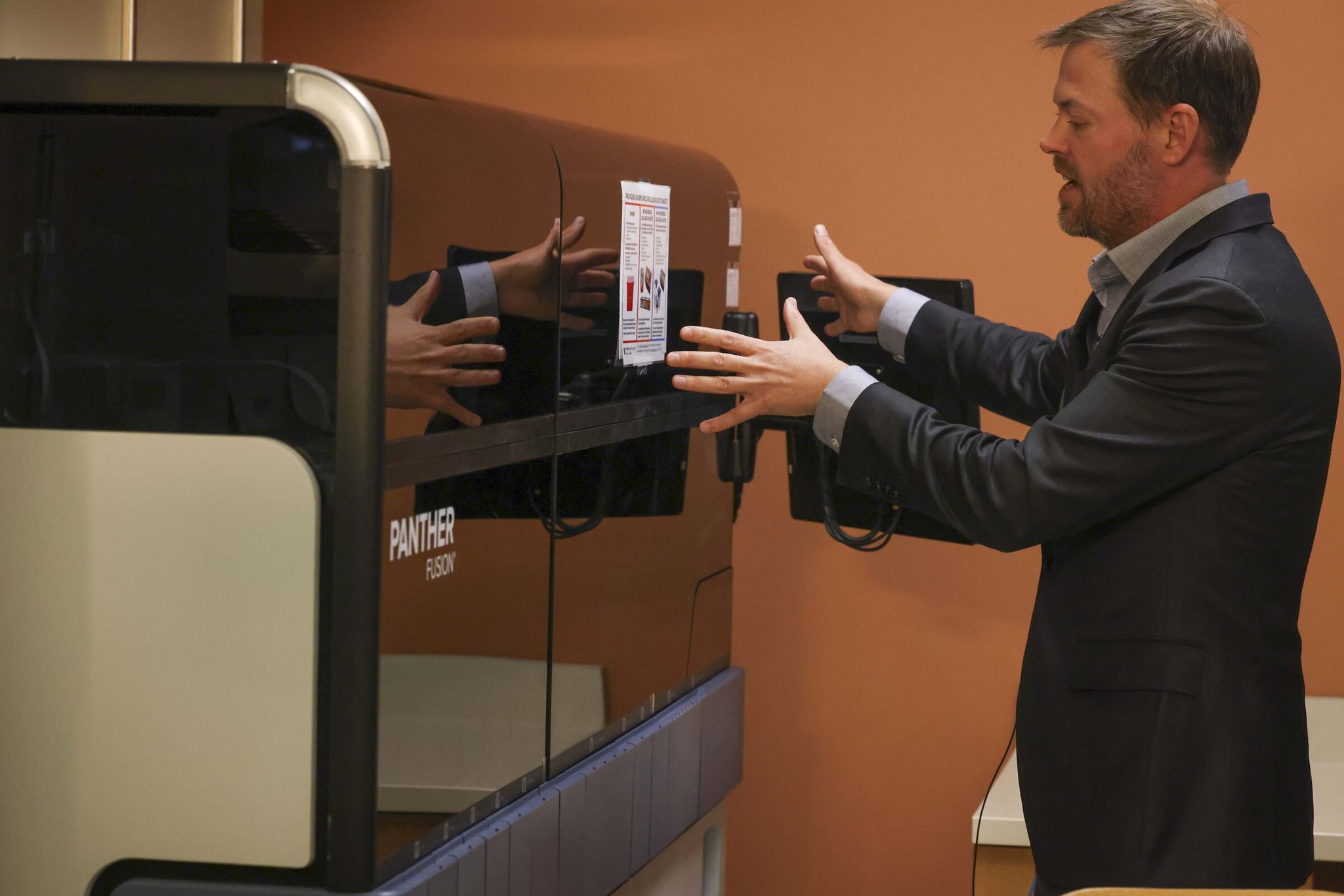
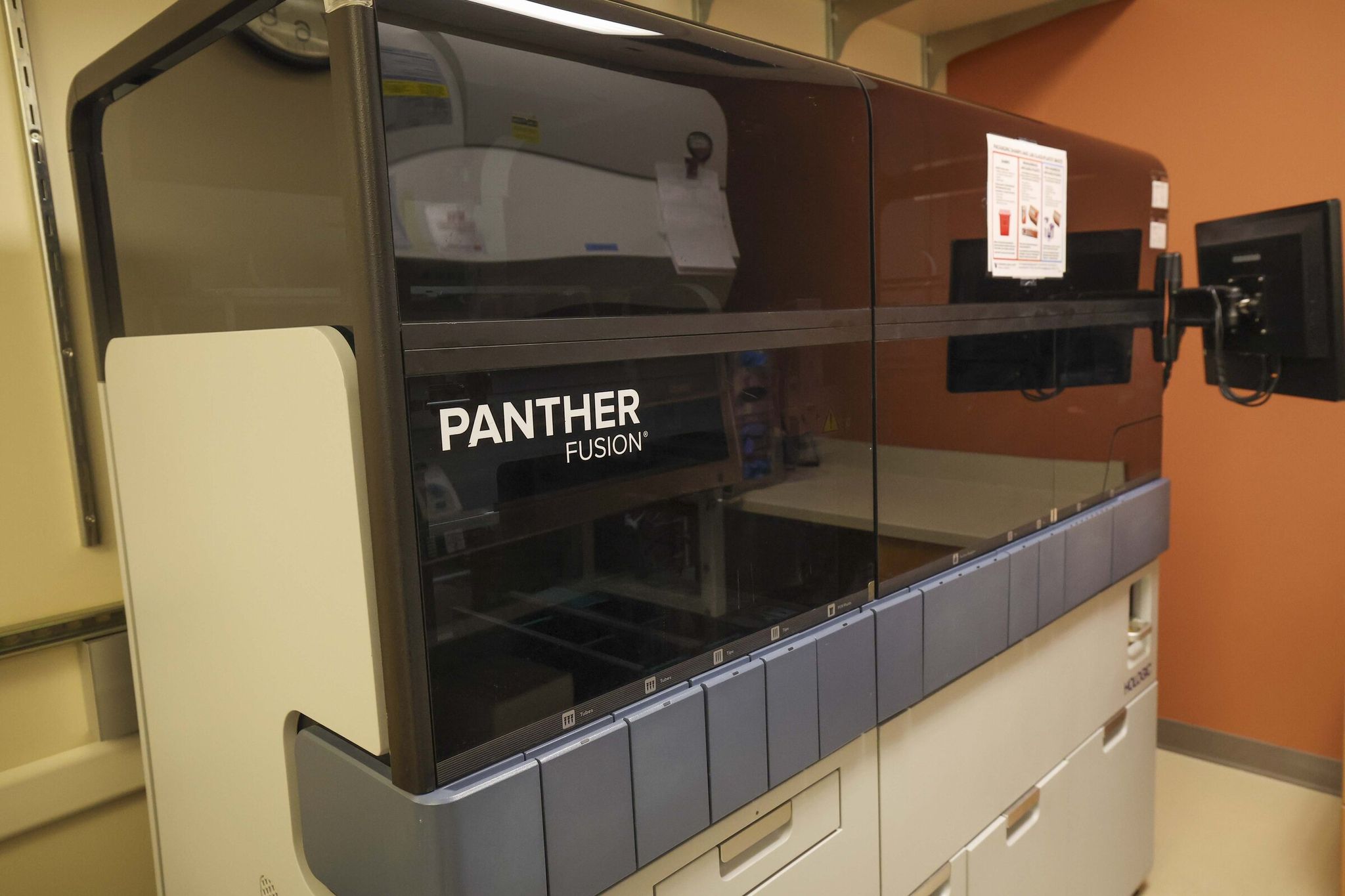
For rapid response, UW Medicine is deploying a high-throughput Panther Fusion analyzer in its new virology laboratory in Renton, located about 15 km southeast of downtown Seattle. This instrument can test up to a thousand samples per shift for 20 viruses, including measles, influenza and SARS-CoV-2. Previously, such tests were sent to the state DOH laboratory in Shoreline, a suburb about 15 km north of Seattle. These locations are often chosen for key labs because of more affordable land, good transportation access and a developed scientific-industrial environment.
The measles situation is alarming. In the first two months of 2026 alone, Washington state recorded 26 cases — more than double last year’s total. Nationwide, according to the CDC, measles has been confirmed in 31 states with more than 1,200 cases reported, three of which were fatal. About 75% of those infected are children, and nearly all cases are linked to lack of vaccination.
Rapid identification and isolation of potentially infected people is key to containing the outbreak, according to medical experts. The state DOH lab in Shoreline conducts PCR tests promptly, but now UW Medicine — the region’s largest health-care employer serving the entire state — will be able to take on some of the load to speed up the process, as it did during the COVID-19 pandemic.
Measles is a highly contagious airborne disease. Symptoms include fever, cough, runny nose and rash, but a person becomes contagious several days before the rash appears. The disease can lead to serious complications such as encephalitis and pneumonia. Medical professionals strongly recommend vaccination as the best protection. If you suspect you’ve had contact with an infected person or have symptoms, call your clinician rather than showing up at a health facility without warning.
Thus, Seattle’s medical system, drawing on the experience and technological capacity gained during the COVID-19 response, is preparing to meet the potential threat of a measles outbreak to protect both residents and the region’s many visitors.

Based on: UW Medicine ramps up measles testing as nationwide outbreak grows