
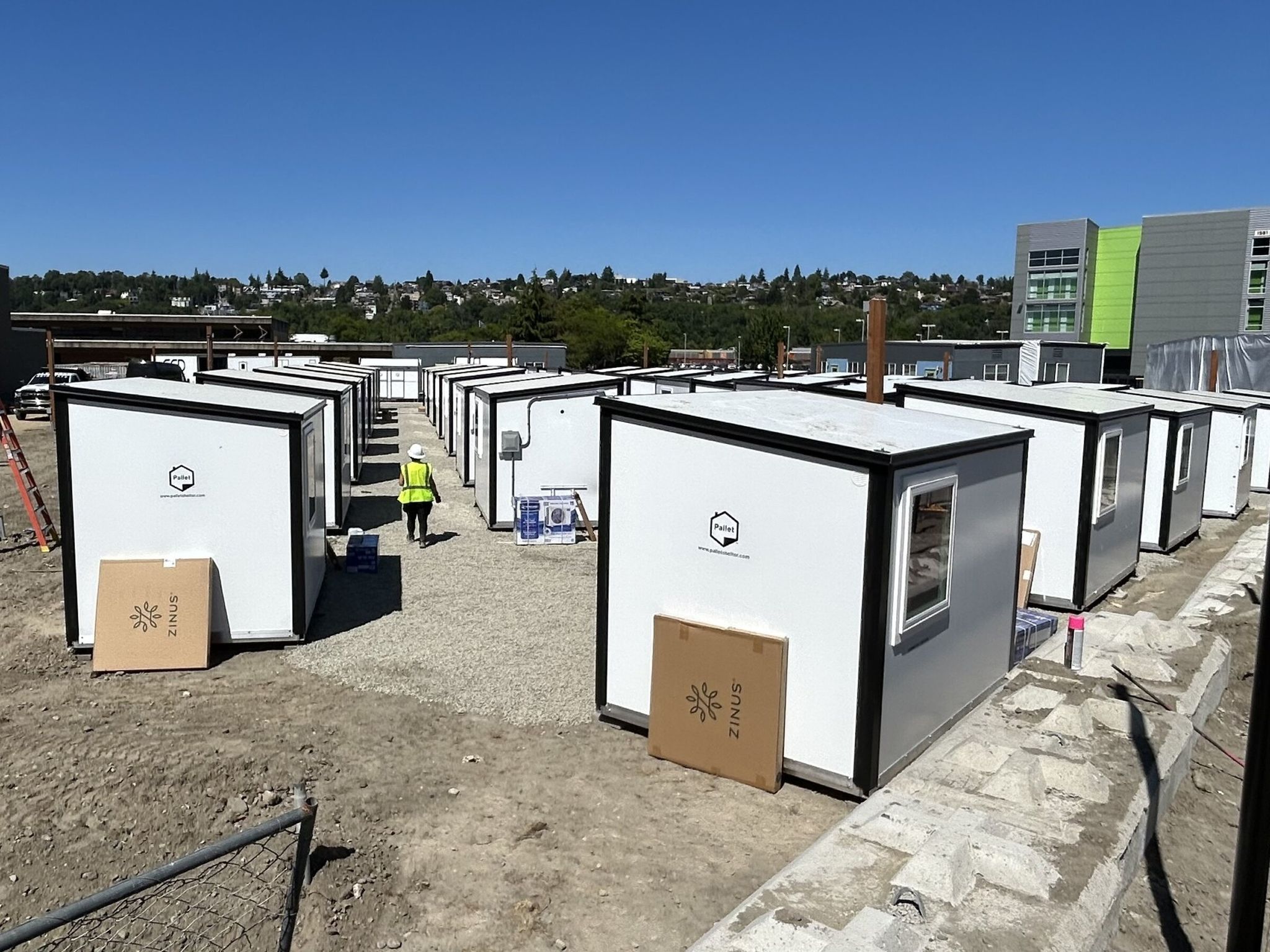
The capital of Washington state is preparing to host matches of the 2026 FIFA World Cup, but a key task in addressing homelessness remains unfinished. Mayor Cathy Wilson promised to open 500 new shelter beds by June 1 to clear tent encampments from the streets. However, by the start of the tournament the city had managed to deploy just 50 housing units in the Interbay area, spending $3.5 million.
The goal initially seemed ambitious but achievable. National outlet Politico called it “the boldest bet” among U.S. cities preparing for the soccer celebration. The mayor’s adviser John Grant even presented a slide reading “Goal June 1: open 500 beds.” In practice, though, the city administration managed to organize only 75 beds, with other projects postponed until the end of summer.
Wilson herself acknowledged the failure but called it a “successful spark.” “We always knew this was an ambitious goal, but it made everyone move,” she said. Nevertheless, key staff responsible for the project have left their posts: the homelessness adviser resigned, and the chief of staff was reassigned.
Seattle is experiencing déjà vu: previous mayors, including Jenny Durkan, also failed to meet shelter promises. Durkan, who served from 2017 to 2021, pledged to create 2,000 units of supportive housing over five years, expand programs to buy vacant hotels for shelters, and speed up construction of micro-homes. However, due to bureaucratic delays and the COVID-19 pandemic, many of those goals were not met, and the number of people experiencing homelessness in the city continued to grow. This has bred cynicism and fatigue among residents toward political declarations. Analysts note that broken promises are becoming the norm, undermining public trust.
Still, some experts see positive shifts in the failure. Sharon Lee of the Affordable Housing Institute believes the unattainable goal spurred the launch of other projects, such as a micro-home village in South Park and an RV park in West Seattle. “Without that pressure we wouldn’t have seen progress,” she says. Micro-home villages are temporary communities of small individual units (about 10–15 sq m), each intended for one person or a couple. Unlike standard municipal shelters, which are large communal halls with rows of beds, micro-homes provide residents with more privacy, a lockable personal space, and often allow pets. The village grounds include shared showers, toilets and a kitchen, and social workers are on site — an intermediate option between living in a tent and permanent housing. The neighborhoods hosting such facilities — Interbay, South Park and West Seattle — have industrial zones and vacant lots where it’s easier to place temporary housing without complicated rezoning, while remaining relatively close to the city center and with lower land costs. At the same time, residents of those neighborhoods often protest, pointing to a disproportionately large share of “social” projects compared with wealthier parts of Seattle.
Political scientists’ research explains why politicians so readily promise the impossible. Researchers at Washington University in St. Louis (a private university in Missouri, not affiliated with the public University of Washington in Seattle) found that voters split into “rational” and “trusting” types. The former use promises as signals of intent; the latter believe them. The risk of disappointment is minimal because failing to deliver is rarely punished at the ballot box.
An example from neighboring Portland shows the same pattern. Mayor Ted Wheeler promised 1,500 shelter beds in the first year and remarkably achieved the goal. However, the city soon faced a budget shortfall and proposed closing three large shelters, cutting 950 beds. The promise thus proved to be a temporary win.
Now Cathy Wilson has adjusted the target: 300 beds are planned to open by the end of summer. Citizens, accustomed to disappointment, are unlikely to believe in success. As local journalists noted, Seattle long ago lost its expectation of a miracle — here people hope for at least the slightest improvement in homelessness.
Based on: Seattle’s World Cup homeless shelter goal was another shot and a miss