
Mayor of Seattle Katy Wilson and City Council member Rob Saka have officially endorsed issuing bonds to fund capital repairs at Seattle Center. The measure will likely be put before voters in 2027, though an earlier referendum is possible. Washington state law requires 60% voter approval to pass municipal bonds. That’s a very high threshold compared with a simple majority, making it difficult in Seattle to pass funding even for popular projects. If voters split evenly, the initiative will fail.
The work would include replacing heating, ventilation and electrical systems and potentially renovating the Armory’s central building, constructed for the 1962 World’s Fair. The structure currently serves as a city food court and event space. The Armory is viewed as a heritage symbol of the fair and a key hub for Center visitors. Renovation is a priority because the building is physically and functionally outdated, does not meet modern accessibility standards or culinary trends. The resolution also mentions expanding the veterans’ memorial to a “prominent place.”
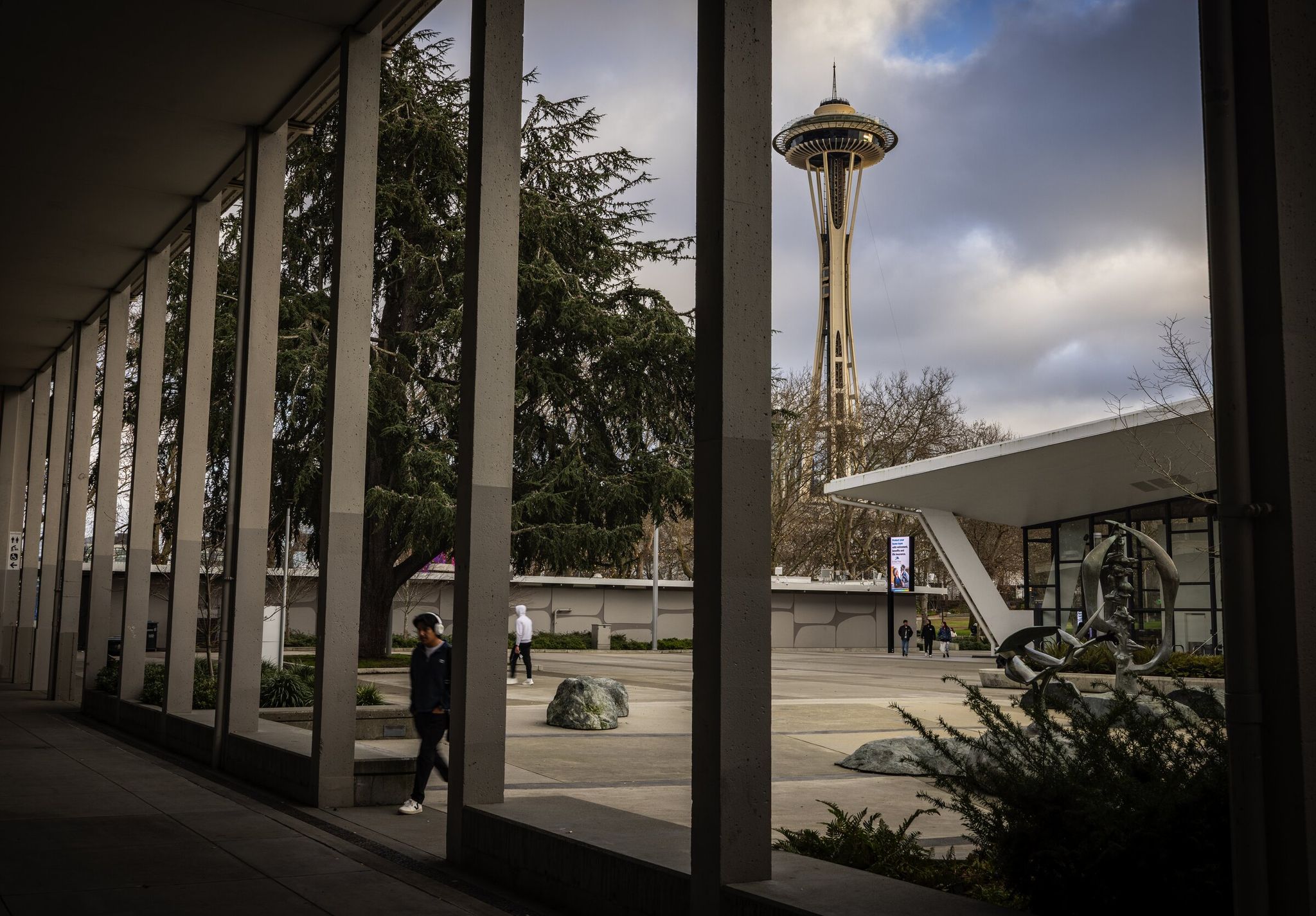
Seattle Center, known for the 1962 World’s Fair and home to museums, theaters and the Space Needle, has experienced a boom in private investment — including the Climate Pledge Arena, KEXP studios and the MoPOP museum. But public investment in core infrastructure has been uneven. The last major renovation took place in 1991, leaving about $500 million in deferred maintenance.
Supporters initially proposed $1 billion in bonds, then raised the amount to $1.5 billion, adding other city cultural institutions to the plan: Benaroya Hall, the 5th Avenue Theatre and the Paramount. However, the current resolution does not specify an exact amount — that will be decided after discussions at City Hall.
Choosing bonds instead of a direct property tax increase carries political risks: bonds require 60% approval, and the funds can only be spent on capital projects. But Seattle is approaching the state-imposed limit on standard tax levies, so bonds are a more flexible tool.
Officials say the preferred ballot year is 2026, to avoid competing measures, including a Pike Place Market request (about $200 million) and police station renovations. Pike Place Market is a historic public market founded in 1907, famous for fish stalls and local farm produce. Competition with Seattle Center arises from limited city budget — both sites are hugely popular, and voters can’t prioritize both when voting on bonds. If the city misses the 2026 window, 2027 is under consideration. Private investment, according to Seattle Center Foundation director Rob Johnson, is unlikely to match public investment one-for-one, as Saka hopes.
The first public hearings on the resolution are scheduled for May 21. The initiative’s success will determine the future of one of Seattle’s major cultural and economic hubs, bringing together history, art and public spaces.
Based on: Mayor, council member support Seattle Center improvement bond measure