
Bruce Harrell, the current mayor of Seattle, announced the lifting of the ban on city employees’ use of artificial intelligence. Beginning Monday, staff may use Microsoft Copilot for everyday tasks, while access to more open tools like ChatGPT will be blocked. Harrell, who has broad authority to appoint department heads and control the city’s budget (around $7 billion), emphasized the importance of giving teams the technology they need without breaking public trust or threatening jobs.
This decision is part of a broader city AI strategy. The administration previously launched pilot projects: speeding up the permitting process, analyzing hazardous road conditions, and deploying chatbots for resident services. The city is also working with the University of Washington to review municipal laws for inconsistencies and duplication.
The Copilot story began in February after a successful pilot involving 500 people. But unions and workers raised concerns about AI replacing humans. Those concerns, along with a desire to better understand the technology, prompted Harrell to pause Copilot’s rollout earlier this year. The choice of Microsoft Copilot is deliberate: the company, founded in nearby Redmond (a Seattle suburb), is a key driver of the region’s tech economy. The Microsoft Redmond Campus directly employs more than 50,000 people in the Seattle metro area, and Copilot, as a Microsoft product, strengthens the company’s position as an AI leader and attracts investment to the city’s tech cluster.
The AI debate intensified after four companies applied to build five large data centers within city limits. Seattle City Light — the municipal utility, founded in 1902, serving about 460,000 customers and getting most of its power from hydroelectric plants (more than 90%) — faced the risk of sharp rate increases due to the new loads. Given that the city is actively electrifying transportation and heating to meet climate goals, and that aging infrastructure requires costly upgrades, a sharp spike in rates would hit low-income Seattle residents hard in a city where the cost of living is already one of the highest in the U.S. (average rent for an apartment exceeds $2,000 per month). Harrell imposed a temporary moratorium on such projects, and two of the five applications have already been withdrawn.
In his agenda, the mayor promises to develop clear internal rules for AI use over the next four years and to work with local entrepreneurs to spur innovation. “Seattle can become a national example of how to develop AI with human prosperity at the center,” Harrell said, stressing the need to balance progress with protection of the public interest, in contrast to his predecessor, Mayor Jenny Durkan (2018–2022), who placed greater emphasis on social programs, while Harrell is focused on addressing homelessness and crime.
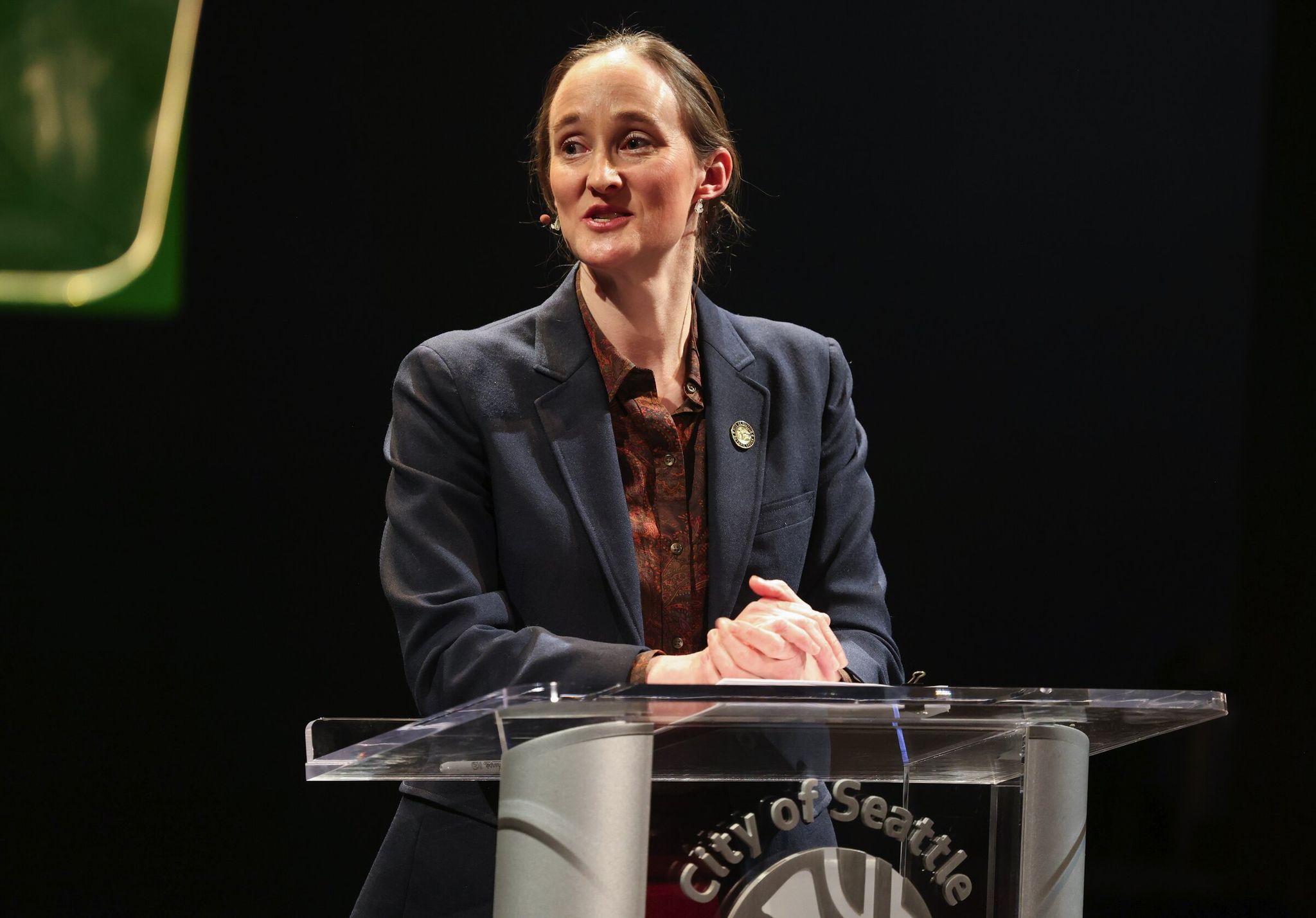
Based on: Mayor Katie Wilson lifts restrictions on city employees’ AI use