
According to data from Strava, the popular fitness app, Seattle cyclists rode more than 3.3 million miles last year. That figure was the highest among all U.S. cities, ahead of Chicago (2.5 million miles) and Minneapolis–Saint Paul (1.7 million miles). A protected Westlake bike lane along Lake Union is particularly popular with locals; it was built in 2014 as a pilot project and has become a model for bike infrastructure in the U.S. Its distinguishing feature is that cyclists are physically separated from motor traffic by curbs and parking, and two-way travel with green markings and dedicated traffic signals has reduced accidents by 50% compared with ordinary lanes. This year the lane celebrates its 10th anniversary and ranks among the country’s most popular bike routes alongside corridors in New York.
Strava published a first-ever report on bike commuting, which is provided to 4,000 city planners and government agencies. These data help better understand cyclists’ routes and plan bike infrastructure and bike-share programs. However, city transportation officials stress that Strava’s information is not an official source and is used only to supplement their own research.
The most popular segments for cyclists in Seattle were Westlake, the Burke-Gilman route from I-5 to Gas Works Park, as well as the path through the University of Washington campus and the Highway 520 bridge. The most in-demand neighborhoods for bike commuting were South Lake Union and the Denny Triangle, where many tech company offices— including Amazon, Google and Facebook—are located. These neighborhoods have become bike hubs because companies actively encourage sustainable commuting by subsidizing bike parking, showers and bike-share. The city has laid protected routes connecting these areas to downtown and residential neighborhoods, and dense development plus the lack of free parking make biking faster and cheaper than driving.
Strava’s data show a clear demographic picture: millennials make up the largest group of cyclists, followed by Generation Z. That supports the idea that the report may overrepresent young tech workers who actively use apps to track their rides.
Seattle’s Department of Transportation noted that Strava’s data confirm the effectiveness of substantial investments in bike infrastructure. Key initiatives by authorities have included the Vision Zero program aimed at zero road deaths, the Seattle Transportation Levy on commercial property, and state grants. In 2020 the mayor allocated $14 million for urgent expansion of bike lanes during the pandemic as part of the Stay Healthy Streets program. Funding comes from the city’s $1.5 billion, 10-year transportation budget, partly from fuel and parking taxes and federal USA DOT programs. About 30% of those funds are spent specifically on bike and pedestrian infrastructure.
Despite Seattle’s impressive results, its share of the global total of bike miles recorded by Strava (550 million miles) is only half a percent. Other countries top the global rankings, and the U.S. is not among the leaders in e-bike usage. Nevertheless, local cyclists rode the equivalent of Seattle’s 80-mile perimeter nearly 42,000 times, underscoring the growing role of two-wheeled transport in the city.
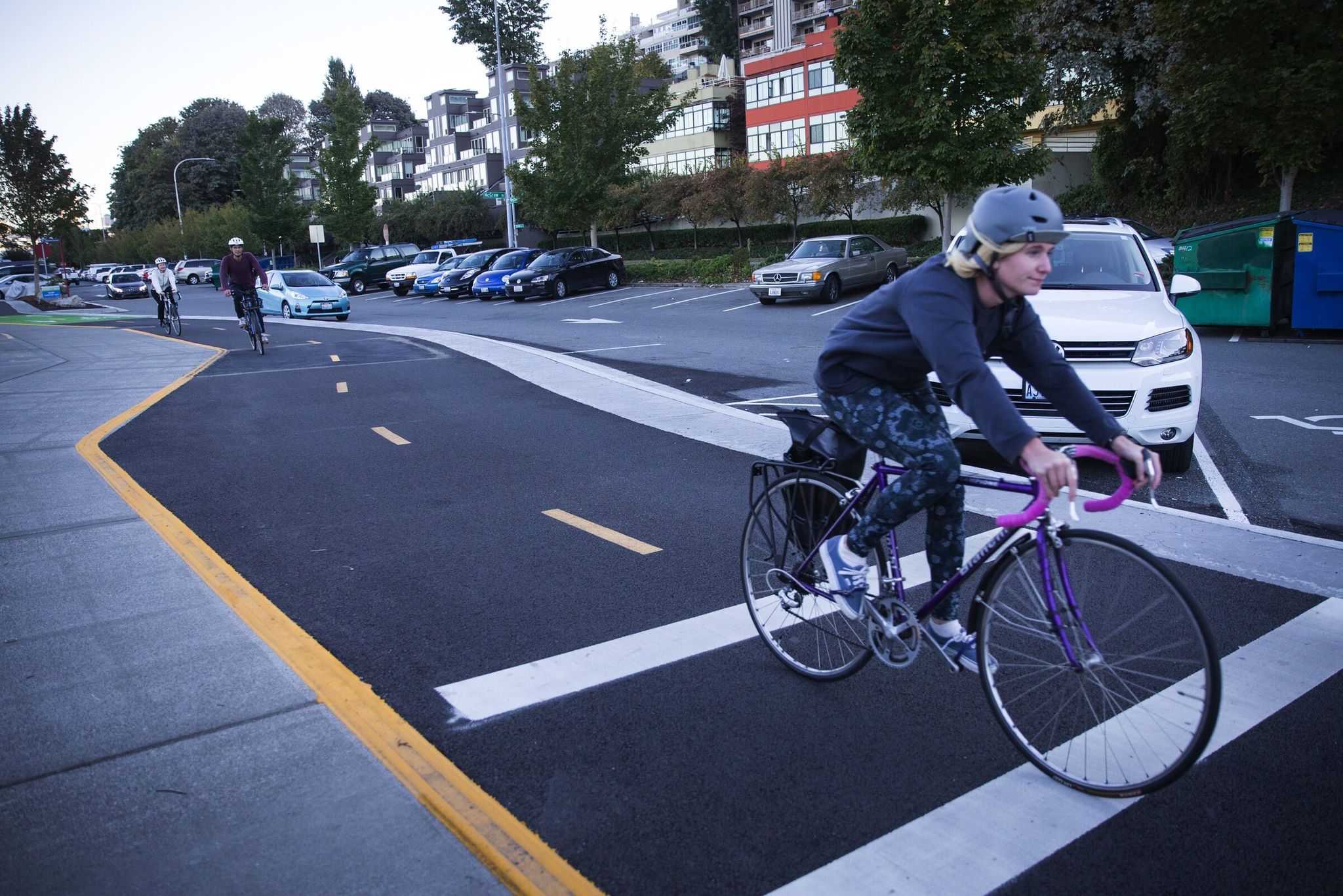
Based on: Seattle front of the pack for bike commuting in U.S. cities