
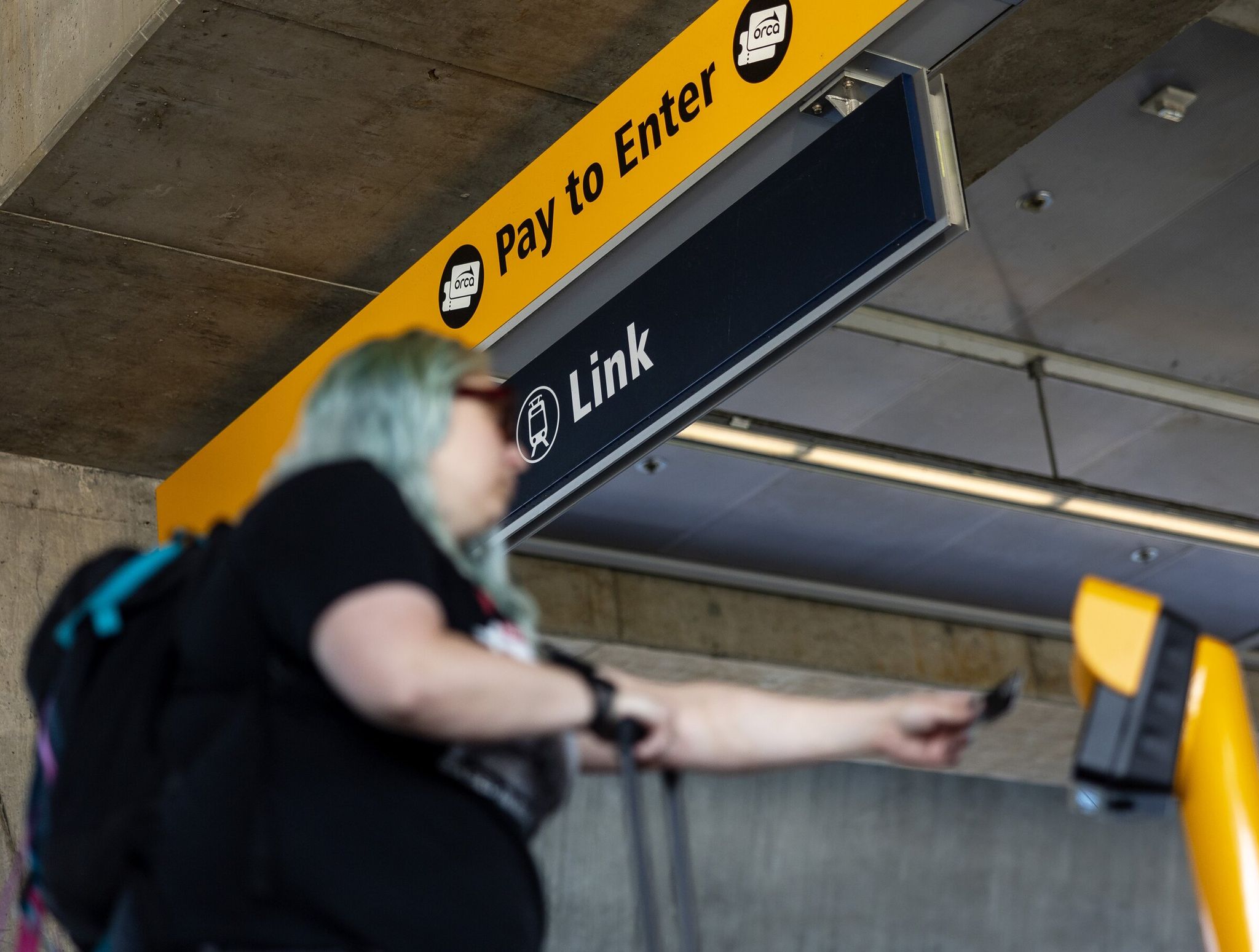
Public transit riders in the Seattle area have a new, modern way to pay fares. Instead of buying paper tickets or using the dedicated ORCA transit card, passengers can now simply tap their bank card or a smartphone with a mobile wallet set up—such as Apple Pay or Google Pay—on the validator. This will simplify travel for both locals and visitors, especially ahead of World Cup matches taking place in the city.
The new system, called “Tap to Pay,” began with a so‑called soft launch on the RapidRide G Line, which runs through downtown Seattle and the Capitol Hill neighborhood. That route is a new bus rapid transit line with dedicated lanes, traffic signal priority and modern infrastructure, making it an ideal test site for the payment system before wider rollout. Visa, Mastercard, Discover and American Express cards are accepted, as are the corresponding digital wallets. A single adult fare is $3, and one card or phone can be used to pay for only one person.
By the end of the month the system will be expanded to most of the ORCA transit network, including King County Metro buses, Sound Transit and other regional operators. However, it will not yet be available on Washington State ferries or the Seattle monorail. State‑operated ferries have their own complex fare structures, which makes quick integration difficult, and the monorail has historically operated as a separate tourist attraction. The system also won’t work on some specialized routes. On the G Line initially there is no two‑hour free transfer window, and discounted fares such as the ORCA Lift program for low‑income riders—which offers up to 50% off fares—cannot be used when paying with a card or phone.
The rollout of new payment options comes as transit agencies have resumed strict fare enforcement after the pandemic. During the period when enforcement was relaxed, an estimated nearly half of Sound Transit riders and about 34% of Metro riders rode without paying. The new system aims to make paying as easy and accessible as possible to improve fare collection.
German company INIT provided the technical backbone to accept bank cards and smartphones, upgrading existing ORCA card validators. A minor issue has emerged: if a bank card and an ORCA card are kept in the same wallet, the scanner can accidentally read the payment card instead of the ORCA card. Transit authorities recommend riders remove their physical ORCA card from their wallet before tapping.
Seattle is far from the first city to adopt such a system; similar programs already operate in New York, San Francisco, Chicago and even smaller cities, including Spokane in the same state. Despite the innovation, traditional ORCA cards remain the preferred and most fully featured payment method, and cash continues to be accepted on transit.
Based on: Seattle-area transit riders get new ways to pay their fares