
Seattle officials announced the first grants from the new First Peoples Climate Fund, allocating $5.5 million to address the impacts of climate change. The decision comes amid alarming environmental signals: the just-ended winter in Washington was the third warmest on record, and state officials for the fourth consecutive time have declared a drought emergency, forecasting a hot, dry summer.
The funding will go to two local tribes recognized at the federal level as sovereign nations — the Suquamish and the Snoqualmie, both historically signatories to the 1855 Treaty of Point Elliott — as well as five Indigenous-led organizations in the Puget Sound region. This complex estuarine area of bays and straits, connected to the Pacific Ocean, is the ancestral homeland and cultural center for Indigenous peoples, and a critical habitat for salmon and other species. The money will support programs to back local food producers, reduce emissions, restore natural habitats, and provide environmental education for youth.
The funds come from a city progressive payroll tax paid by Seattle’s largest employers with a global annual payroll over $7 million, such as Amazon and Microsoft. In 2023 the City Council allocated the money to the Office of Sustainability & Environment, which tasked the Seattle Foundation with designing and administering the grant program. The initiative resulted from a public campaign that made climate action a city priority.
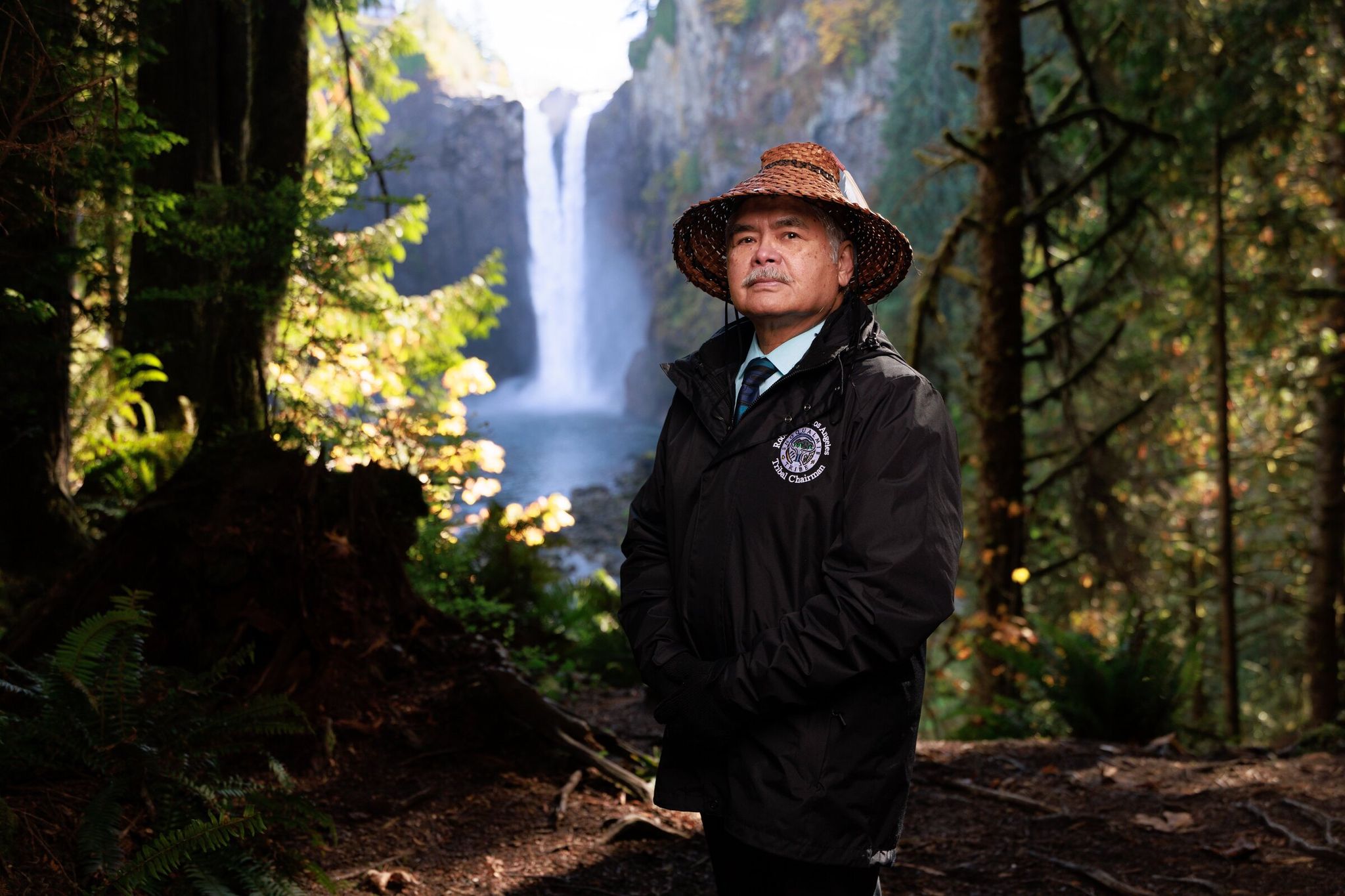
Indigenous leaders emphasize that their traditional knowledge, built from thousands of years of living on this land, is an invaluable resource for adapting to new conditions. The funding will not only enable concrete projects but also demonstrate Indigenous community leadership in addressing climate challenges with a focus on the wellbeing of future generations.
One of the largest grants, $1 million, went to the nonprofit Feed Seven Generations, which works on restoring traditional food systems. Its executive director, Valerie Seegrest, notes that this support is critical after reductions in federal funding under the previous administration. The money will help local producers grow their businesses and establish supply chains to hospitals, schools, and restaurants.
Education is also a key component. Cattail Rising, which received $500,000, runs youth programs that combine traditional knowledge about harvesting and preparing foods with wilderness first-aid skills. The goal is to cultivate a new generation of leaders capable of ensuring their communities’ climate resilience and passing on cultural traditions.
The Snoqualmie Tribe will direct its $1 million grant toward large-scale river floodplain restoration work, which will reduce flood risk for people and fish, and toward prairie restoration to increase camas populations. This bulbous plant with blue flowers was historically a staple food and ceremonial element, and its meadows support biodiversity. These measures respond to centuries of colonial and industrial impacts on the tribe’s ecosystems and cultural practices.
The yəhaw̓ Indigenous Creatives Collective plans to use $500,000 for rematriation — restoring ecological and cultural balance — on its site in the Rainier Beach neighborhood. That area was selected for its historical significance as a traditional gathering place and for its high concentration of Indigenous residents in Seattle. The project includes planting native species, combating invasive plants, and creating a community arts center that will serve as a hub for climate resilience, strengthening the people’s connection to the land.
Other grants will support social services. Chief Seattle Club, the city’s only Indigenous-led housing and social services agency, will retrofit its shelter and offices to improve energy efficiency. And the Seattle Indian Services Commission will work to expand economic opportunities for urban Indigenous residents.
The Suquamish Tribe, which has already installed heat pumps in the homes of more than 55 elders, will use $1 million for further decarbonization projects and to train tribal members for clean energy jobs. As Tribal Chair Leonard Forsman notes, this work continues centuries-old traditions of sustainable resource stewardship and relationships with the Earth.
Based on: Seattle’s First Peoples Climate Fund awards $5.5M from city payroll tax