
The Seattle City Council unanimously approved a one-year moratorium on the construction of new detention facilities. Although the measure is formally grounded in land-use concerns and the impact such facilities would have on surrounding neighborhoods, its true aim is to prevent the potential construction of centers for detained immigrants. Ordinance sponsor Alexis Mercedes Rinc said such facilities "are places of serious harm," and that their expansion would allow federal authorities to intensify "inhumane and in many cases illegal actions."
The immediate trigger for the moratorium was a federal request posted late last year about the possible creation of a new detention center in the Seattle area with more than 1,500 beds. While officials emphasized that this was only a preliminary feasibility study, activists fear it could be part of the Trump administration’s plans to expand immigration detention. No specific plans for locating new facilities have been announced, but the most vulnerable areas are thought to be neighborhoods with high immigrant populations, low incomes and limited access to legal aid, such as South Park, Rainier Valley and parts of downtown Seattle. These neighborhoods have historically faced environmental injustice and resource shortfalls, making them potential targets for siting such facilities because of reduced political resistance.
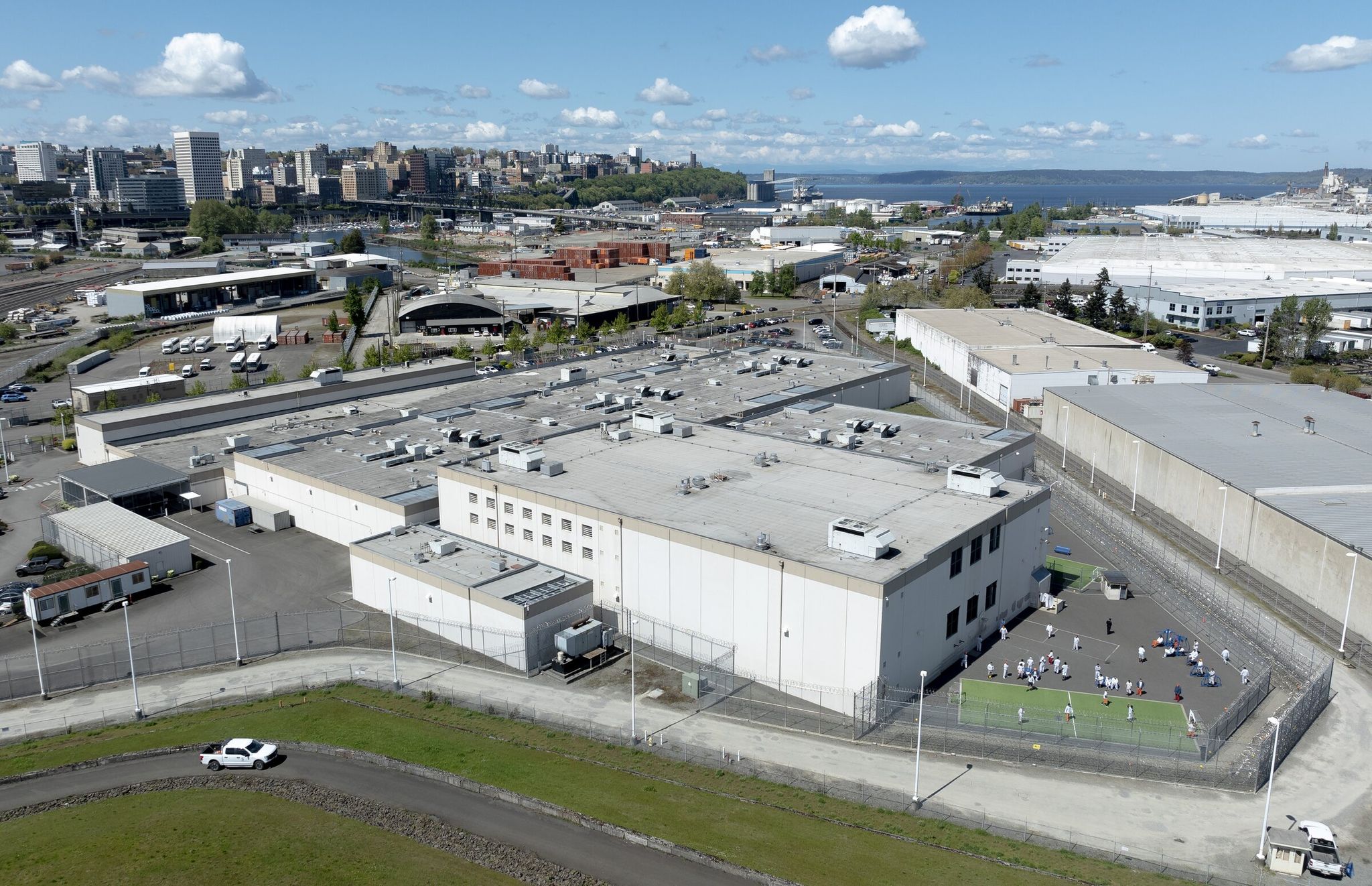
The ordinance specifically targets private detention centers, like the facility in Tacoma run by GEO Group. This private prison company operates the Northwest ICE Processing Center in Tacoma, which is the primary immigration detention facility in Washington state. Its role is to fulfill federal contracts with ICE, linking it to national immigration policy. GEO Group’s influence includes lobbying at the federal level to expand immigration detention, which conflicts with Washington state laws that limit cooperation with ICE. The company’s activities have prompted protests from local communities and civil-rights groups calling for the closure of the Tacoma center.
The political context for the decision is tied to a national trend: similar moratoria have already been enacted in Kansas City, Baltimore and jurisdictions neighboring Seattle. A week earlier, the King County council approved a similar ban, though not unanimously. Republican Reagan Dunn, who voted against it, called the moratorium a "blunt instrument," denying that an emergency exists that would justify such measures.
Seattle and the state of Washington already have "sanctuary" policies limiting local law enforcement cooperation with immigration authorities. Nonetheless, city officials continue to strengthen protective measures, including prohibiting all city employees from sharing information with immigration authorities and requiring police to document immigration-related operations. These steps reinforce Seattle’s stance as a city resisting tougher federal immigration policies.
Based on: Seattle council passes yearlong ban on new immigration detention centers