In Seattle, illegal hot dog cart networks are undercutting businesses and exploiting workers. At a beach, sea lions came ashore, drawing crowds and warnings about danger. Authorities plan a dedicated bus lane on Denny Way, sparking debate over possible increased congestion.
Behind the hot dog fronts: how networks of illegal carts in Seattle undercut businesses and exploit workers
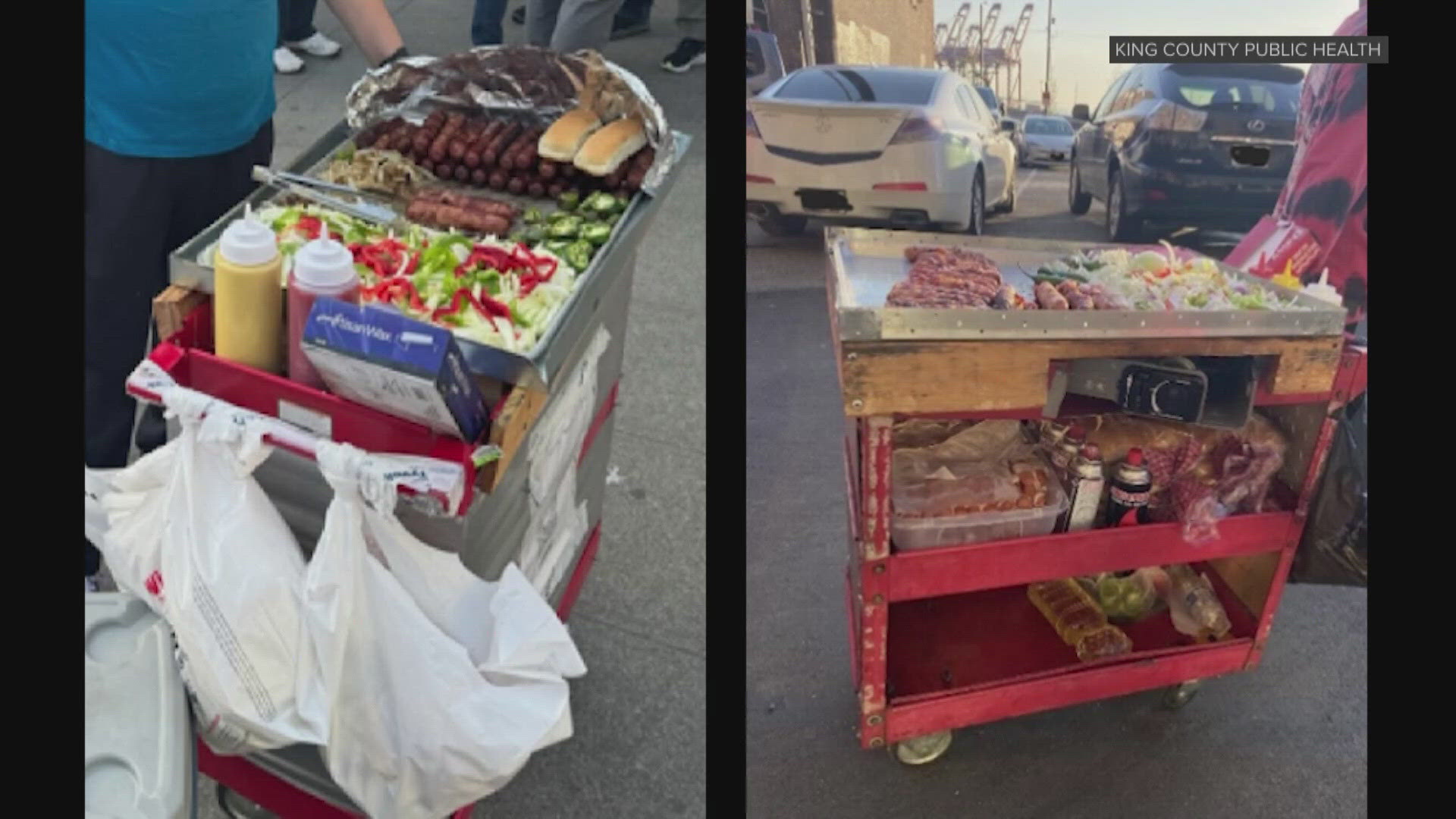
Over the past year, an unusually large number of hot dog carts have appeared near Seattle stadiums such as Lumen Field and T-Mobile Park. At first glance this may look like lively street vending, but an eight-month investigation by KING 5 found that centralized networks operating outside the law are behind the surge. King County officials say these multi-state operations not only evade licensing and violate health rules, but may also be linked to labor exploitation.
As reported in the KING 5 piece, public health inspectors note that large operators with no local ties are deliberately ignoring safety rules, putting public health at risk. Dr. Eyob Mazengia of the health department explained that these are not solo entrepreneurs but well-organized structures managed from elsewhere. According to him, owners are orchestrating the activity from other states, making oversight difficult.
The phenomenon has hit licensed street vendors who have worked in the area for years. For example, Namoka Trice, co-owner of Deez Dogs, said her sales dropped 75%. Where they once sold 300–400 hot dogs on a typical night, they now barely reach a hundred. Another licensed vendor, Farshid Varamini of Pioneer Grill Hot Dogs, reports a 50% revenue decline. He angrily notes seeing vans with California plates delivering and unloading these carts, while the organizers profiting from the illegal scheme remain hidden.
During the investigation, a KING 5 reporter approached one of these sellers near the Mariners’ stadium and found the required sanitary rating placard was missing. Asked about an employer, the vendor said he did not speak English. This episode suggests the vulnerability of such workers. King County Councilmember Teresa Mosqueda, who has reviewed complaints about illegal vendors, said there are signs some may be victims of forced labor. She suggested there may be a network where workers are manipulated by an operator or owner who does not sell the food themselves. Mosqueda emphasized that holding those who coerce labor accountable ultimately helps the workers by removing them from unjust and illegal situations.
For legitimate businesses the problem goes beyond simple competition. As Namoka Trice notes, customers buying hot dogs from unlicensed carts may unknowingly be funding exploitation. That money does not go to local taxes that support schools and infrastructure, and at the same time may sustain unfair labor practices. Thus, seemingly harmless street vending exposes deeper issues: migrant worker vulnerability in the labor market, regulatory challenges in an era of mobile networks, and the real cost the local community pays for illegal business. The situation requires coordinated action by authorities to protect workers’ rights, honest entrepreneurs, and ultimately consumers’ health.
Sea lions in Seattle: dangerous proximity
Last weekend Golden Gardens Beach in Seattle became the site of an unusual and potentially risky neighborhood: dozens of sea lions hauled out on the shore, attracting crowds of onlookers. Despite the cute and harmless appearance of these animals, authorities and conservationists warn that such encounters can end tragically and have legal consequences for overly curious citizens.
Ballard has long been known for its sea lion population that frequently appears in the park and lock area. This time, however, the large congregation of animals on land caused particular excitement. As FOX 13 Seattle reports, people crowded around the resting pinnipeds, taking selfies and even bringing dogs close to them, which alarmed wildlife experts. Michael Milstein, a representative of the National Oceanic and Atmospheric Administration (NOAA), stresses that sea lions are wild predators protected by law, and approaching them can result not only in injuries but also legal action. “They may look calm, but they remain dangerous predators, and people have already been injured approaching them,” he said. It’s important to understand that the Marine Mammal Protection Act strictly prohibits any interference with the natural behavior of these animals, including simple approaches that may be considered harassment. Violators face hefty fines and even jail time. In response to the Golden Gardens incident, NOAA has already notified its Enforcement Office, underscoring the seriousness of the situation. The case is a vivid reminder: urban wildlife demands respect and safe distance. The urge to get a dramatic photo should not outweigh personal safety or animal welfare—the presence of these animals is a fragile gift, not entertainment.
Seattle to add bus-only lane on Denny Way: pros and cons
Seattle officials announced plans to convert one travel lane on the busy Denny Way corridor into a dedicated transit lane. The move, intended to speed up buses, has already drawn mixed reactions from drivers and riders worried about potential added congestion. Mayor Katie Wilson and the Seattle Department of Transportation (SDOT) plan to reveal project details at a Wednesday news conference.
Denny Way is one of the city’s main arteries, carrying more than 20,000 vehicles daily. It’s the route for King County Metro’s Route 8, popular with many Seattle residents but notorious for frequent delays. Riders jokingly call it the “Tardy Route.” Hannah, who regularly rides the bus, says it’s probably the city’s least reliable route despite heavy demand. Another frequent rider, Marcellus Grayson, confirms buses are typically 15–20 minutes late, causing inconvenience for many who depend on the schedule.
The initiative from Mayor Katie Wilson, reported by KOMO News, aims to fix this. The plan calls for a bus-only lane on a stretch of Denny Way in the South Lake Union area. King County Metro estimates this will improve travel times for more than 8,000 weekday Route 8 riders, saving them one to two minutes. But the impact on drivers is unclear, raising concern. Pamela Reynolds, who both drives and uses transit, worries that reducing general-purpose lanes will only worsen congestion. Samantha Foreman of the Belltown neighborhood agrees, saying the changes will complicate life for drivers.
Marcellus Grayson, though a stakeholder as a rider, takes a balanced view. He doubts the change will be transformative and fears it could increase congestion for everyone. His position is about finding balance so both drivers and regular bus riders benefit. The project highlights a classic urban planning dilemma: how to reallocate limited road space between private and public transport to improve overall efficiency and equity. Seattle’s decision prioritizes transit and could serve as an example for other cities facing congested roads and unreliable bus service. The initiative’s success will depend on detailed planning, clear communication with residents, and possibly public willingness to endure short-term inconvenience for long-term mobility gains.