
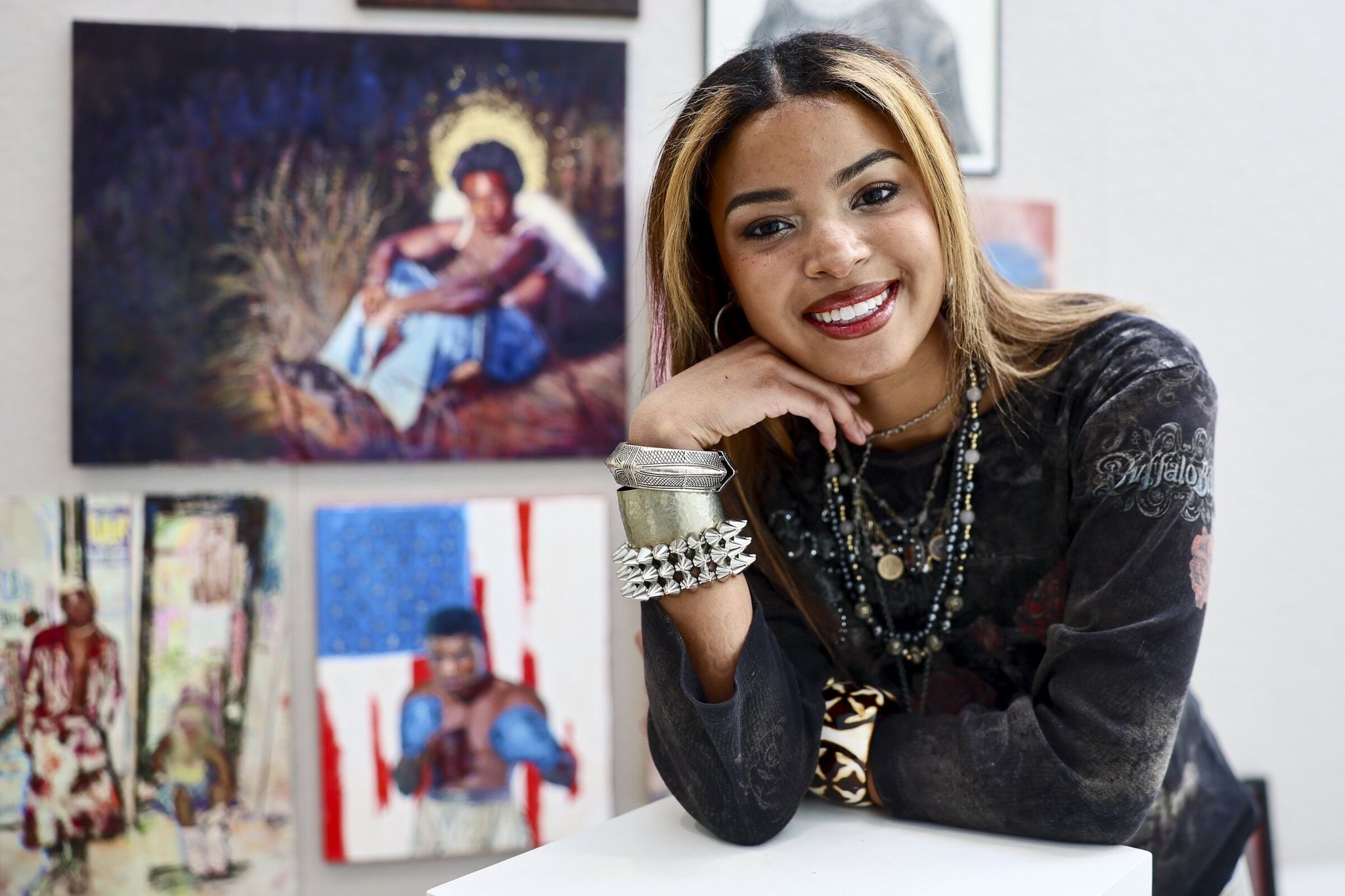
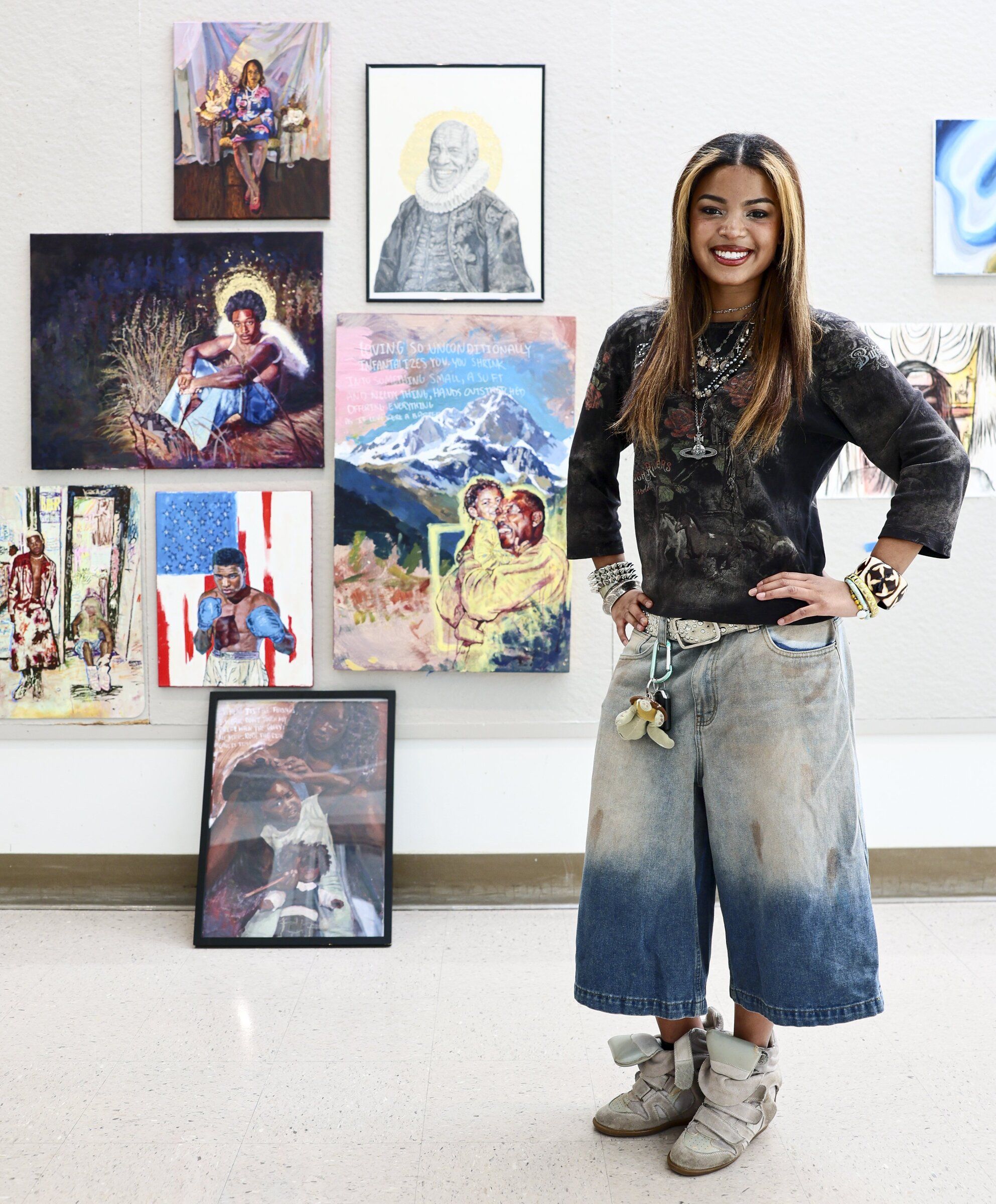
Eighteen-year-old Kameira Johnson, a senior at Lakeside School in Seattle, is one of five finalists in Google’s annual art contest for students. The elite private school is known for its academic rigor and ties to the tech world: among its alumni are Microsoft founders Bill Gates and Paul Allen. The school’s prestige gives students access to powerful resources, small class sizes and networks of influential people—advantages that are particularly valued in the U.S., where private education often opens doors to top universities.
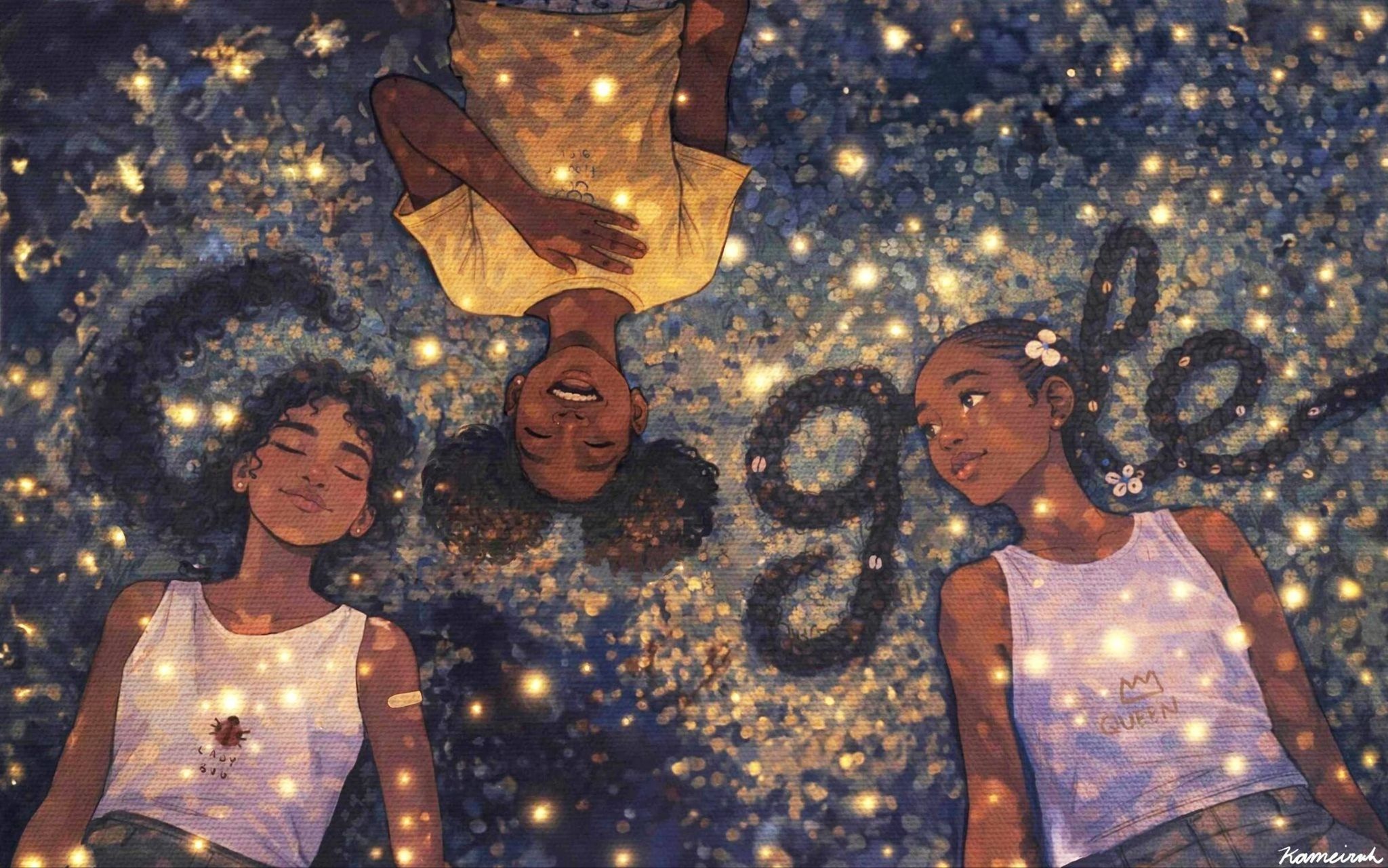
Kameira’s digital piece, “Hair Power: The Crown That Grows From Us,” was selected from tens of thousands of entries submitted by students from kindergarten through 12th grade across the United States. Each finalist will receive a $10,000 scholarship and a Chromebook laptop.
Kameira drew inspiration from childhood memories: when she was preschool-aged, her mother styled her hair differently each week—braids, voluminous curls, tight coils. “She taught me to love myself, to love being Black and to love my hair,” the student says. Later, Kameira learned about the histories of enslaved Black people who braided hair into intricate patterns to convey messages and resist.
The piece took more than 40 hours to create. The contest’s prompt was “My superpower is…,” and Kameira immediately decided to dedicate her drawing to Black hair. “It defies gravity, you can shape it in all kinds of ways,” she explains. “As a kid I thought it was the coolest thing in the world—to be proud of your hair and think of it as something magical.”
The drawing depicts three girls representing Kameira herself, her mother Simone and her older sister Kalia. The left figure holds a ladybug on her shirt—a nod to Kameira’s childhood nickname—and the right figure wears a crown symbolizing the “regal and sacred” regard for Black hair. The image also references the Crown Act, passed in Washington state in 2020, which prohibits discrimination based on race-related hairstyles—such as afros, locs or braids. For Seattle, where segregation and racial bias remain issues despite its liberal image, the law was an important step in protecting the right of Black students and workers to self-expression.
Hair discrimination is a personal issue for Kameira: in Seattle schools where most students were white, she often encountered classmates touching her curls without permission or making fun of them. Seattle has a pronounced divide: wealthy northern neighborhoods, including the area around Lakeside School, are predominantly white, while the city’s southern neighborhoods are more diverse. Despite the city’s liberal reputation, schools often remain de facto segregated along racial lines, and Black students can face microaggressions in predominantly white institutions. “I wanted to depict Black hair in a way that doesn’t demean us but elevates us,” the finalist says. Her work will appear on Google’s homepage on April 28, after which an open vote will determine the national winner.
Kameira’s interest in art emerged during the pandemic, when she began experimenting with pastels and charcoal at home in Seattle. Her first serious piece was an acrylic portrait of Stevie Wonder. Her mother admits: “We had no idea of the talent that was sleeping in her until she started doing art at school. Watching her grow, learning from YouTube and experimenting, has been pure joy.”
At Lakeside, Kameira is known as an artist: she creates illustrations for the school newspaper and designs sweatshirt graphics for her group. English teacher Rachel Maiorano, who has worked in education for 37 years, calls her an extraordinary student: “She doesn’t even fully realize how talented, empathetic and socially conscious she is. She’s going to change the world for the better.”
Seattle has an extensive network of nonprofits and galleries—such as the Seattle Art Museum, Frye Art Museum and youth programs at Rainier Arts Center—that could theoretically support Kameira with scholarships, internships or exhibition space. However, her story shows that such support wasn’t always obvious, which may point to gaps in resource accessibility for young artists from less privileged communities.
This spring Kameira will graduate from high school and in the fall will begin studies at New York University, majoring in economics and studio art. She hopes to combine business and creativity—opening her own gallery and mentoring young artists. “I hope that when a little girl goes to Google and sees an image that looks like her, with hair like hers, she will feel empowered,” Kameira says of her work.
Based on: Doodle for Google art contest: Seattle high schooler named finalist