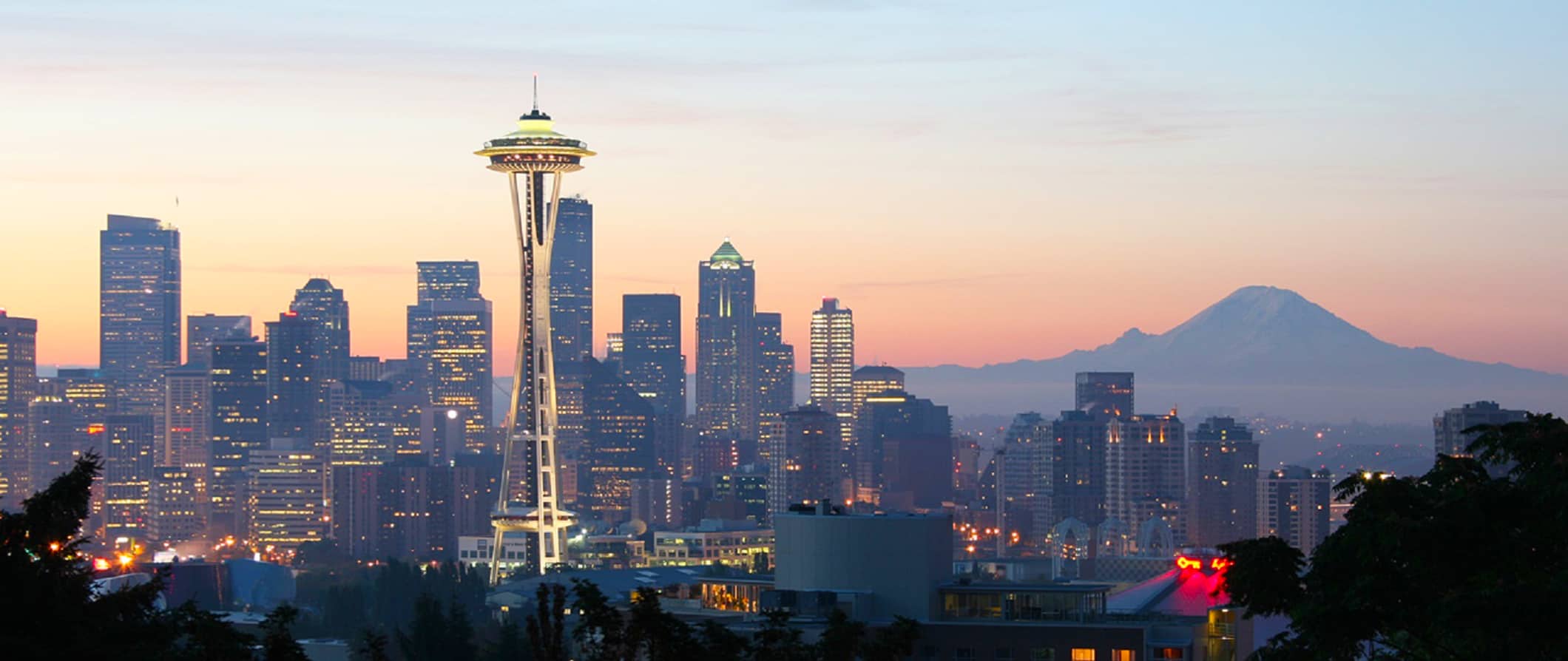
In Seattle, armed teenagers were arrested after a shooting, raising questions about violence. At the same time, the city is preparing for the 2026 World Cup, opening free fan zones for supporters across the city and state.
Armed teens arrested after shooting in South Seattle
Authorities report another troubling firearm incident involving minors. In the Mount Baker area of South Seattle, police detained two armed teenagers, once again raising concerns about youth access to guns and the effectiveness of violence prevention measures.
According to an official statement posted on the Seattle Police Department’s blog (https://spdblotter.seattle.gov/2026/02/25/armed-teens-arrested-following-south-seattle-shooting/), the incident occurred during the day on February 25. Around 1:00 p.m., patrol officers responded to reports of shots fired in the 3300 block of South Wetherbee Avenue. On scene they found multiple shell casings, and witnesses pointed to two suspects fleeing the area. Police quickly arrested two teenagers — 16 and 17 years old. A modified handgun was found in their possession, equipped with an extended magazine and a so-called “auto-sear” or “switch.” This small but dangerous component technically converts a semi-automatic pistol into an automatic weapon capable of continuous fire, greatly increasing its destructive potential and posing a serious public safety threat.
The on-scene investigation showed that the arrested teens had been involved in a shootout with at least two other individuals who fled and were not located despite searches with the K-9 unit. Both detainees were previously adjudicated juveniles, which under the law strictly prohibits them from possessing any firearms. They were charged with illegal possession of a firearm, as investigators determined both had manipulated the gun. The teens were placed in the Patricia H. Clark Juvenile Justice Center, an institution within the juvenile justice system.
The incident resonated widely in the neighborhood. As a precaution, two nearby schools were placed on “shelter-in-place” — a standard safety procedure where classes are paused, students and staff remain inside buildings with all entrances secured, and movement on campus is restricted until the all-clear is given. Fortunately, no students were harmed. The circumstances that led to the shooting remain unclear and are the subject of an investigation by detectives from the Gun Violence Reduction Unit. Police have asked the public to assist the investigation by providing any information through a dedicated violent crime tip line.
This case highlights several troubling trends. First, the availability and modification of firearms among youth. The presence of a “switch” suggests an intentional increase in the weapon’s lethality, turning a street dispute into a potential massacre. Second, the involvement of minors with prior criminal records raises sharp questions about recidivism and the effectiveness of rehabilitation programs within the juvenile justice system. The arrest occurred in 2026 and, amid ongoing debates over gun control and youth crime in the U.S., serves as a grim reminder of persistent systemic problems. Finally, the incident—forcing schools to shelter in place—disrupted education and sowed fear in the community, underscoring how acts of armed violence destabilize everyday life for entire neighborhoods.
Fan celebration locations: how Seattle is preparing for the 2026 World Cup
Ahead of the 2026 FIFA World Cup matches that Seattle and other North American cities will host, local authorities and organizers unveiled an ambitious plan to create free public viewing and celebration zones. Four key locations within the city and a network of fan zones in nine Washington state cities are expected to turn the entire region into a unified soccer arena accessible to tens of thousands of fans.
Seattle is actively preparing to be not just a host for several tournament matches but a true magnet for soccer fans from around the world. As reported by FOX 13 Seattle (https://www.fox13seattle.com/news/fan-celebration-locations-world-cup), the city will open four main free “Fan Celebration Locations.” They will operate from June 11 and remain active during all six matches taking place in Seattle. The combined capacity of these sites on match days could reach 15,000 people at once. The central hub will be Seattle Center with the “Let’s Play SEA ’26” festival. The Armory will serve as the primary indoor hub with a large internal screen, while additional activities will take place at the Mural Amphitheatre, at the base of the Space Needle, at the Pacific Science Center arches, and at the International Fountain. Pacific Place mall will host the “Seattle Soccer House” with a four-story LED screen and interactive zones. Waterfront Park will utilize its 20-acre area in partnership with local clubs Seattle Sounders and Seattle Reign, and the RAVE Foundation, offering match viewings on Pier 62. In the SODO neighborhood near Lumen Field, where matches will be held, Victory Hall will feature a giant 23-foot screen.
Seattle Mayor Cathie Wilson emphasized soccer’s unifying power and expressed excitement about welcoming visitors from around the globe. Peter Tomodzawa, CEO of the SeattleFWC26 organizing committee, said the network of free celebration sites is designed to bring the event to people where they live, work, and gather, reflecting the city’s innovative, inclusive, community-focused approach. In addition to the main locations, extra activities are planned across central Seattle, including Chinatown-International District and the Central District. Importantly, the celebration will extend beyond the metropolis. Organizers earlier announced fan zones in nine other Washington cities: Tacoma, Everett, Bellingham, Bremerton, Olympia/Lacey, Spokane, Tri-Cities, Vancouver, and Yakima. This will allow residents across the region to participate in the global soccer event. Preparations for the 2026 World Cup in Seattle are therefore in full swing, focusing not only on stadium infrastructure but also on creating a large, accessible, and diverse celebration environment that will turn the city into a genuine soccer capital for the duration of the tournament.
Seattle prepares for the 2026 FIFA World Cup: free fan zones across the city
Ahead of the 2026 FIFA World Cup, the largest sporting event in history, Seattle announced a large-scale program of free fan celebrations. Rather than a single centralized site, organizers chose an innovative distributed model to engage as many residents and visitors as possible. According to the official SeattleFWC26 website (https://www.seattlefwc26.org/news/seattlefwc26-and-partners-expand-world-cup-fan-celebrations-across-seattle), starting June 11 free fan zones will open at four key locations along the so-called “Unity Loop”: Seattle Center, Waterfront Park, Pacific Place, and SODO (Victory Hall). This approach, developed by the local SeattleFWC26 organizing committee in partnership with city agencies, sports clubs, and business groups, is intended to make the celebration as inclusive and accessible as possible.
“Just over 100 days to go, and Seattle will hum as fans from around the world pour into our city for an unforgettable summer,” said Peter Tomodzawa, CEO of SeattleFWC26. He stressed that the new model reflects the city’s spirit: innovative, inclusive, and community-oriented. “We’re not just hosting the tournament; we’re bringing the game to everyone,” he added. Seattle Mayor Cathie B. Wilson also expressed enthusiasm, noting that soccer brings people together and the city eagerly anticipates welcoming guests from across the globe.
Seattle Center will be the central celebration hub, hosting the large family event “Let’s Play SEA ’26 – World Soccer Fan Celebration.” The Armory will feature a large indoor screen, creating an all-weather space with food and amenities. Additional programming will take place at the Mural Amphitheatre with views of the Space Needle, at the Pacific Science Center arches, and DJs and performers will appear at the International Fountain. Cultural programs, public art, food courts, and children’s play zones will enliven the campus throughout the tournament. At Pacific Place, Seattle Soccer House will feature a unique spectacle — a four-story high-resolution LED screen integrated into the five-story mall, turning the location into a vibrant soccer hub in the city center.
Special attention is being paid to the new public space — Waterfront Park. Friends of Waterfront Park will activate all 20 acres with free programming that reflects Seattle’s spirit and diversity. In partnership with Seattle Sounders FC, Seattle Reign FC, and the RAVE Foundation, special fan events will be organized on Pier 62. “Waterfront Park was created as a gathering place for Seattleites — to celebrate moments big and small,” said Joy Shigaki, president and CEO of Friends of Waterfront Park. In SODO, at Victory Hall, the Seattle Mariners will open a “Seattle Matchday Live” zone with a 23-foot screen where fans can feel the energy of World Cup matches.
It is important to note that most locations will operate for much of the tournament, not only during the six matches taking place directly in Seattle. The planned maximum capacity on match days involving Seattle teams is about 15,000 people simultaneously. All sites are located along the Unity Loop and are easily accessible by public transit: Sound Transit Link light rail, King County Metro buses, the monorail, ferries, and water taxis. This distributed model is also meant to spread economic benefits across neighborhoods, creating opportunities for local vendors and small businesses, including those owned by members of BIPOC communities (Black, Indigenous, and People of Color). The SeattleFWC26 committee emphasizes its commitment to ensuring their participation in the economic success of the event.
In addition to the four main locations, the Downtown Seattle Association will activate public spaces in Westlake and other downtown parks. New sites are expected to be added in spring, including in the Chinatown-International District and the Central District. A public events calendar has been created for fan convenience, where businesses and communities can post information about their World Cup–related activities. Moreover, the celebration will extend beyond Seattle: in partnership with local jurisdictions across Washington state, nine official fan zones will be organized in cities including Bellingham, Spokane, Tacoma, and Vancouver. This will allow residents and visitors statewide to share in the collective excitement of the global tournament.
As Taylor Graham, chief integration officer for Seattle Sounders FC and Seattle Reign FC, notes, this moment is the result of nearly a decade of faith and collaboration that began with Seattle’s bid in 2017. “The World Cup is a once-in-a-generation opportunity to create a lasting legacy. By bringing the world’s game to everyone in the city, we help make a historic chapter in Seattle’s story,” he said. Thus, preparations for the FIFA World Cup 2026 in Seattle extend far beyond the sporting event itself, becoming a broad civic initiative aimed at uniting the community, supporting the local economy, and creating a long-term positive legacy for the entire region.