Seattle ranked fourth among the host cities for the 2026 FIFA World Cup. In Cowlitz County, a large haul of drugs and weapons was seized. Hundreds of thousands hit the Pride parade—combined with the championship—under the slogan “Rally” in protest against anti-LGBTQ+ policies.
Seattle ranked fourth among the host cities for the FIFA World Cup
Despite the stadium shaking with the power of the fans and the national anthem and John Denver’s “Take Me Home, Country Roads” ringing across the city, Seattle turned out to be only fourth among U.S. host cities for the World Cup. The conclusion comes from a recent survey conducted by SeatPick, a ticket-selling platform. Researchers assessed several factors at once: air temperature, stadium capacity, the level of violent crime, the number of mosquitoes, and also the cost of beer, water, and hotel stays. Taken together, the leader was Foxborough in Massachusetts, while the list is topped by Inglewood, California—which represents Los Angeles. Seattle landed in the middle, but with some interesting nuances.
One of the biggest surprises in the analysis was prices. Hotels in Seattle took the third spot for expensiveness among all eleven cities, yet they were twice as cheap as rooms in New York. “You’ve got New York and San Francisco here—that’s why Seattle looks cheap,” joked Shiyan Asiyayi, who came from New Jersey to support Iran’s team, where his relatives live. Beer and water prices in the city placed joint fourth from the bottom—meaning drinks here are relatively inexpensive compared with other locations. However, there is also a worrying point: Seattle’s per-capita rate of violent crime is the third-highest, surpassed only by Houston and Philadelphia.
Tourists already in town take it in stride. “It’s expensive here, but the World Cup comes around once every four years—if you get a chance to see a match, it’s worth it,” says Hazen Hassan, who flew in from Egypt to support his team at Friday’s game. His view reflects the mood of many fans well: even with high prices and troubling crime statistics, the atmosphere of celebration outweighs the negatives. It’s worth noting that, when compiling the ranking, SeatPick also considered an unusual factor—how many mosquitoes there are. In Seattle, it seems, that part is in order. Overall, the study shows that while Seattle isn’t a clear leader in comfort, it has well-balanced characteristics, especially when it comes to the cost of living compared with megacities like New York. For more on the methodology and the full data, see the original article on the KIRO 7 News website.
A large cache of drugs seized in Cowlitz County: two arrested
In Cowlitz County (Washington State), local sheriff’s office officers carried out a successful operation to seize a large haul of drugs and weapons. As a result of the arrests, two men—a 23-year-old Seattle resident and a 47-year-old Longview resident—were taken into custody. According to law enforcement, the suspects had a substantial quantity of illegal substances worth tens of thousands of dollars, as well as firearms and cash.
As reported by KIRO 7 News Seattle, the total value of the seized drugs exceeds $80,000. In particular, authorities confiscated 7.78 pounds (about 3.5 kg) of methamphetamine, with an estimated street value of roughly $70,000. In addition, 4.42 ounces (about 125 grams) of fentanyl was found, worth about $12,000, and 0.5 ounces (about 14 grams) of heroin valued at roughly $700. These figures illustrate the scale of illicit trafficking: fentanyl, a synthetic opioid, is many times stronger than heroin and poses special danger even in small doses. Along with the drugs, $4,202 in cash was seized, confirming the suspects’ connection to dealing in illegal substances.
Particularly attention-grabbing was the arsenal found with the suspects: a 9mm semi-automatic pistol and a .300 Blackout rifle in an AR-style configuration. Rifles of this type, based on the AR-15 platform, are often used in criminal circles due to their modularity and high stopping power—the .300 BLK caliber makes it possible to use suppressors and compact barrels effectively. The presence of weapons alongside a large shipment of drugs points to a high level of organization and a potential threat to society.
As noted in a report by KIRO 7 News, the operation was the result of targeted work by the Cowlitz County Sheriff’s Office. Such raids are part of the ongoing effort to combat the opioid crisis, which is felt especially sharply on the U.S. West Coast. The arrest of dealers transporting methamphetamine, fentanyl, and heroin at the same time suggests they may have been part of a larger distribution network. Seizing this quantity of drugs with a street value of more than $80,000 may temporarily reduce the availability of dangerous substances in the region, but the problem remains systemic: demand creates supply, and new players appear where those arrested once operated.
Local residents and authorities hope that the arrests and the confiscation of weapons will help reduce the level of violence connected to drug trafficking. At the same time, this case serves as a reminder of the need to strengthen prevention and addiction treatment, because behind every number of seized doses there are potential victims of poisoning and overdoses. Law enforcement continues to investigate, and it’s possible that those arrested will provide testimony that could help uncover higher-level links in the criminal chain.
“Hundreds of thousands took to Pride in Seattle: a celebration, a protest, and unity in the midst of a political storm”
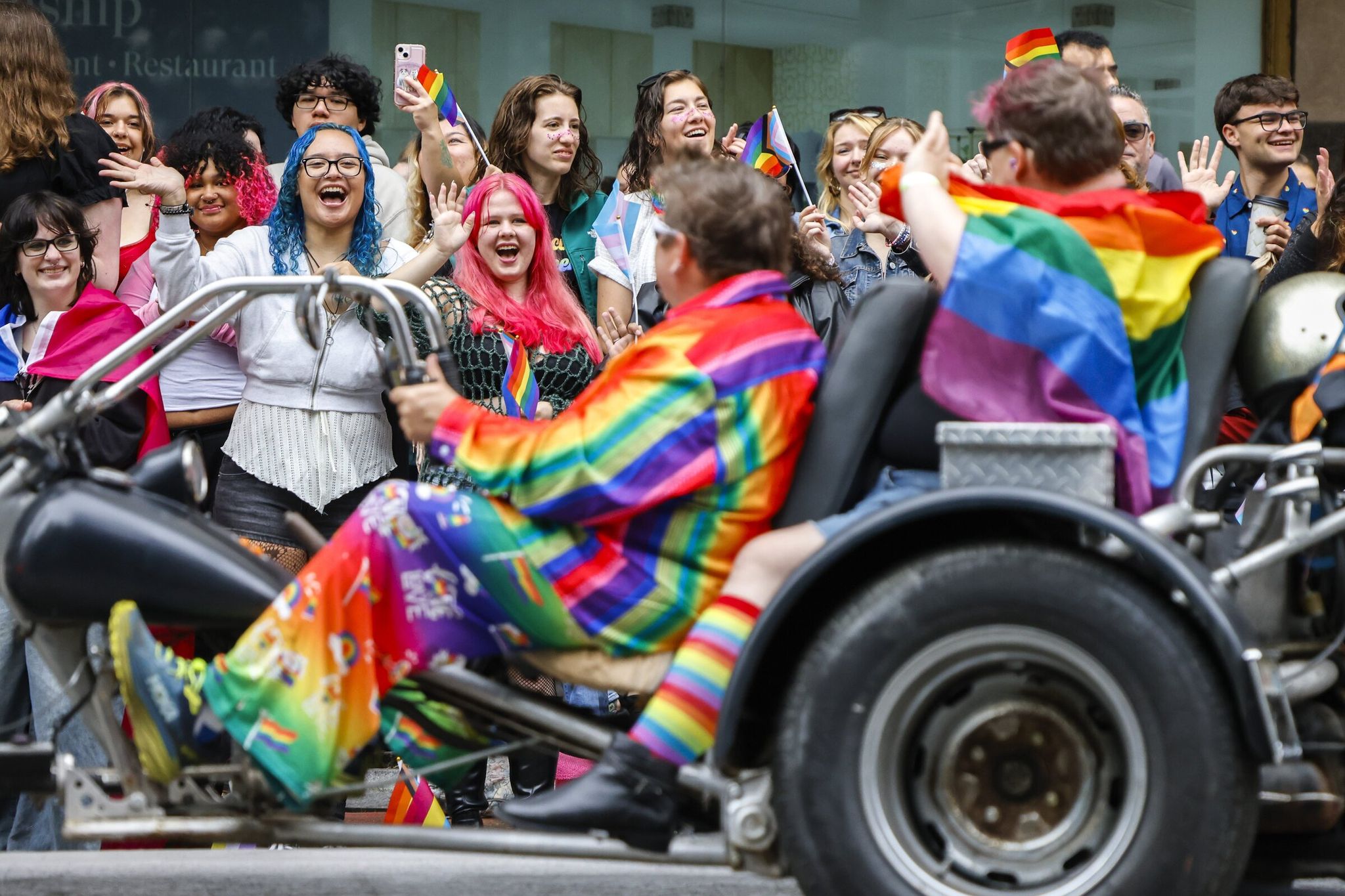
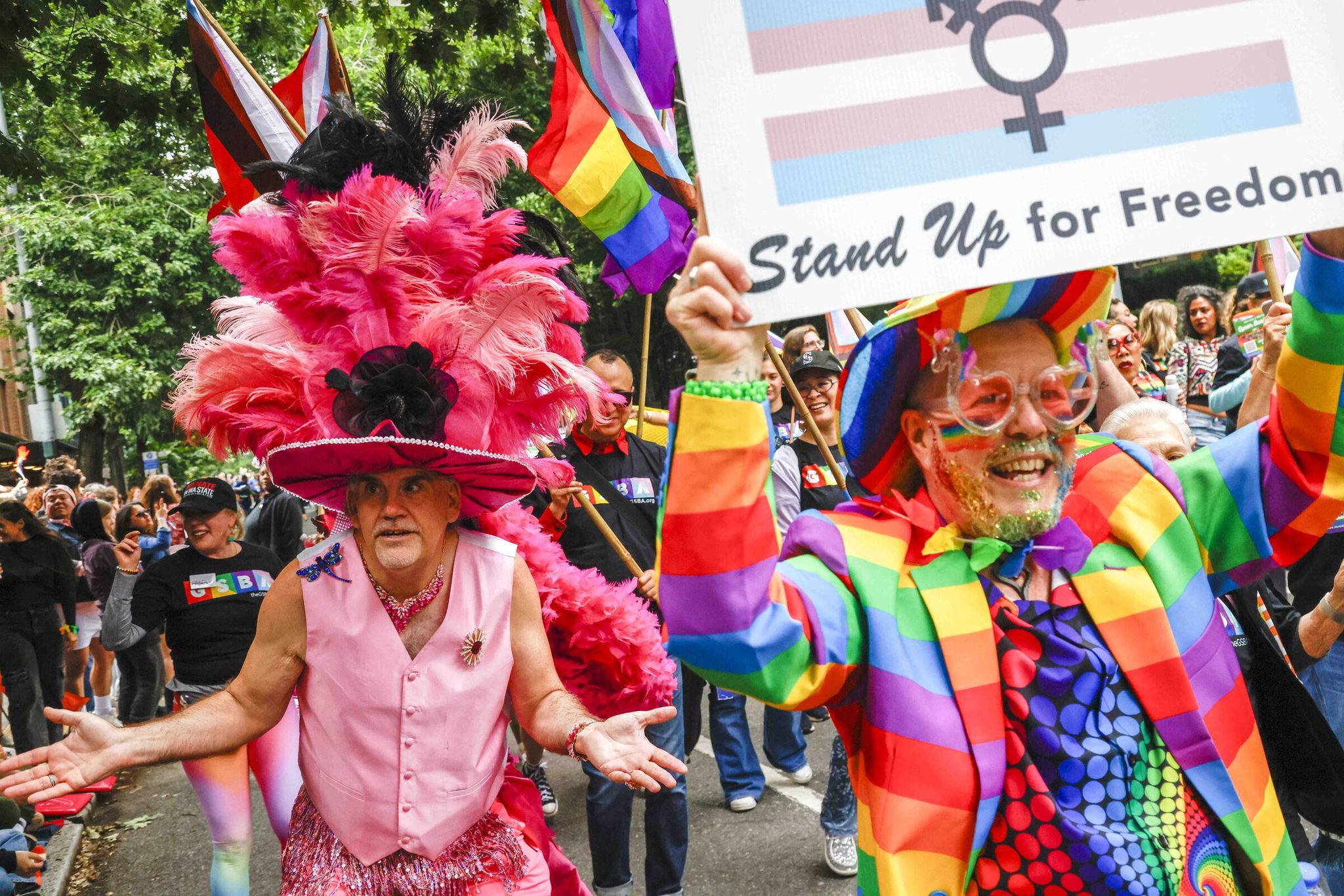
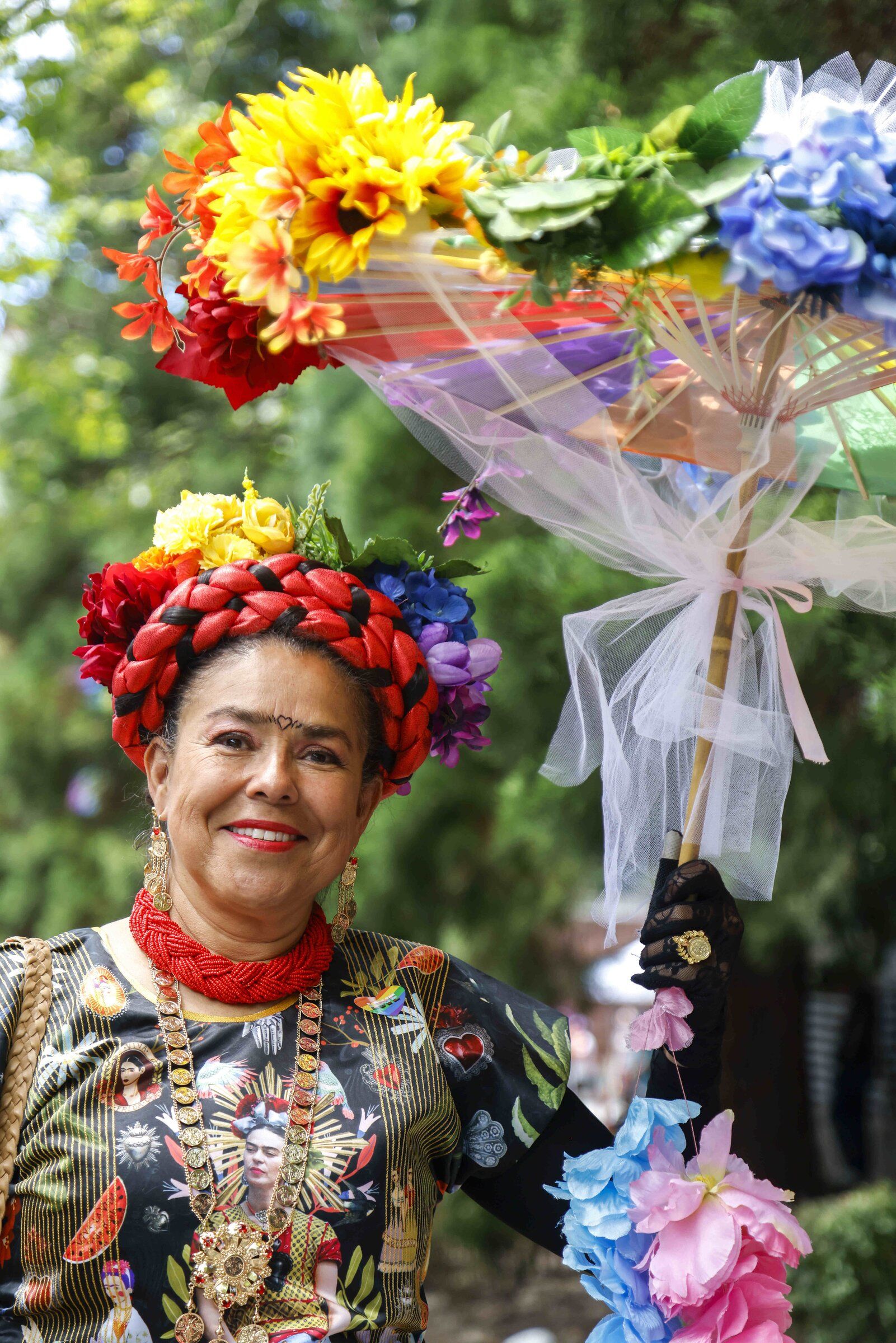
On Sunday, 2026, Seattle’s gray skies did not stop hundreds of thousands of people from filling the city streets. The annual Pride parade—drawing, according to estimates, nearly 300,000 participants and spectators—went under the slogan “Rally,” which in today’s political climate in the United States sounded especially meaningful. The parade coincided with the FIFA World Cup taking place in the city in 2026, adding even more visitors to Seattle. But behind bright flags, dyed hair, and music, there was a sharp undercurrent of anxiety: the country is seeing a rise in anti-LGBTQ+ sentiment, and the federal administration—under which transgender people were banned from serving in the military, the rainbow flag was removed from the Stonewall National Monument, and access to gender-affirming assistance was restricted—creates a backdrop for this celebration.
The majority leader in the Washington State Senate, Democratic lawmaker Jamie Pedersen, standing at a viewing platform with his campaign team, said, “We’re living through crazy times in this country. Pride is the moment when we need to lock arms and insist that we’ll remain a community that welcomes everyone.” Under his shirt he wore a “Vote for Love” T-shirt—a reminder of a decade-old victory, when Washington legalized same-sex marriage. Pedersen also mentioned two initiatives that will be put to a vote in November, calling them “anti-trans initiatives.” He was referring to bills aimed at limiting the rights of transgender people, which have become part of a nationwide wave.
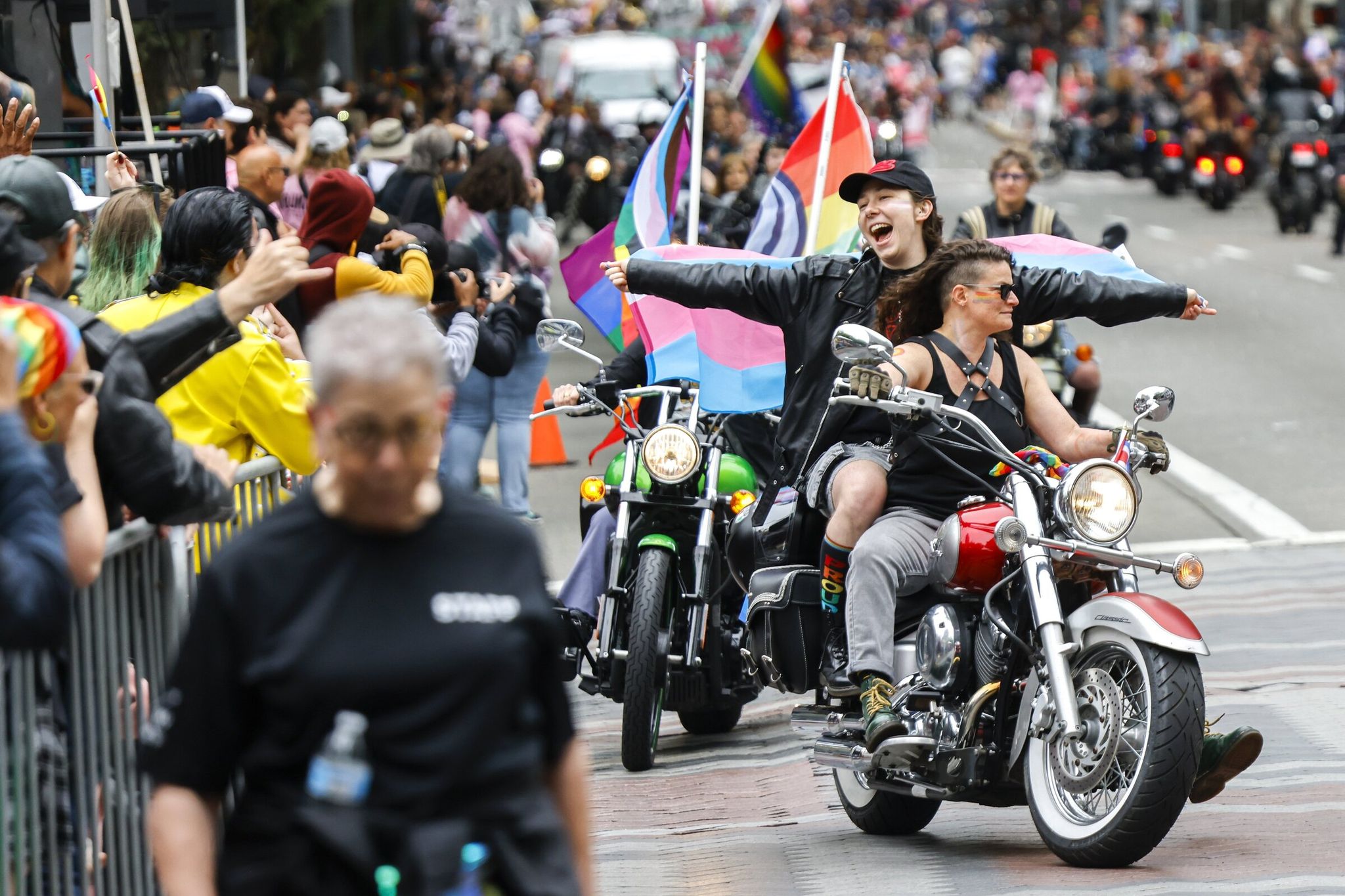
The parade hosts, including DonnaTella Howe, did not hide the political subtext: “This is a rally, it’s a party, and it’s a protest—we still have a lot to do. We need to make the reflecting pool blue again—we need to bring more states back into the blue column for Democrats.” The metaphor points to the failed reconstruction of the reflecting pool in Washington, D.C.—a symbol of the Republican administration’s shortcomings. The parade was opened by a column of bikers on Ducati and Honda with rainbow flags and anti-Nazi and anti-immigration-agency slogans. Next came the grandmasters: activist DeAunt Damper and the women’s hockey team, Seattle Torrent. Corporate flotillas then floated by: Alaska Airlines with a toy airplane, Starbucks with enormous cups of coffee, and the University of Washington with a motorized football helmet. People wearing crowns made from the logos of QFC and Fred Meyer—supermarket chains—showed that support for LGBTQ+ has become part of the mainstream.
But there were also newcomers. For the first time, a flotilla dedicated to an Asian country—the first to legalize same-sex marriage—Taiwan appeared at the Seattle Pride. The Taiwan Tourism Administration unveiled a rainbow replica of the Taipei 101 skyscraper, “symbolizing the bonds of freedom between Seattle and Taiwan.” It was also a diplomatic gesture amid tense relations with China. The parade also included audience voting for the best flotilla, a performance, and a “rally”—via the organizers’ website.
Spectators standing shoulder to shoulder along Fourth Avenue felt the mixed nature of the moment. A 28-year-old Audrey Paiz, at her first Seattle Pride, said, “It’s wonderful to see everyone celebrating who they are.” And 24-year-old Paris Wright, having come straight from work, noted, “With everything going on in the country, this parade proves: we’re not going anywhere. We won’t back down in the face of hate.” She stood by an exhibit of photos where, among images of Seattle streets, there was a picture from a 1977 gay parade—an reminder of a long struggle.
Organizers said that by 3:00 p.m., when the parade ended, there were no incidents and no arrests recorded. Seattle Pride executive director Patty Hern, in a press release, emphasized that the theme “Rally” “speaks to the strength of being together, finding a place for every voice, and celebrating the joy and resilience that define us.”
In the end, the 2026 parade became more than just a celebration: in a context where LGBTQ+ rights are being attacked at the federal level, and in Washington (the state) anti-trans initiatives are brewing, hundreds of thousands took to the streets to show that the community is alive, it won’t surrender, and it will fight for every step forward. As Senator Pedersen put it, “it’s time to lock arms.” And Paris Wright’s words that “we won’t back down” became the refrain of the day. In an article in The Seattle Times, the paper notes that the parade coincided with a major sporting event, which only intensified its resonance, while the presence of the Taiwan flotilla added an international dimension to the fight for equality.