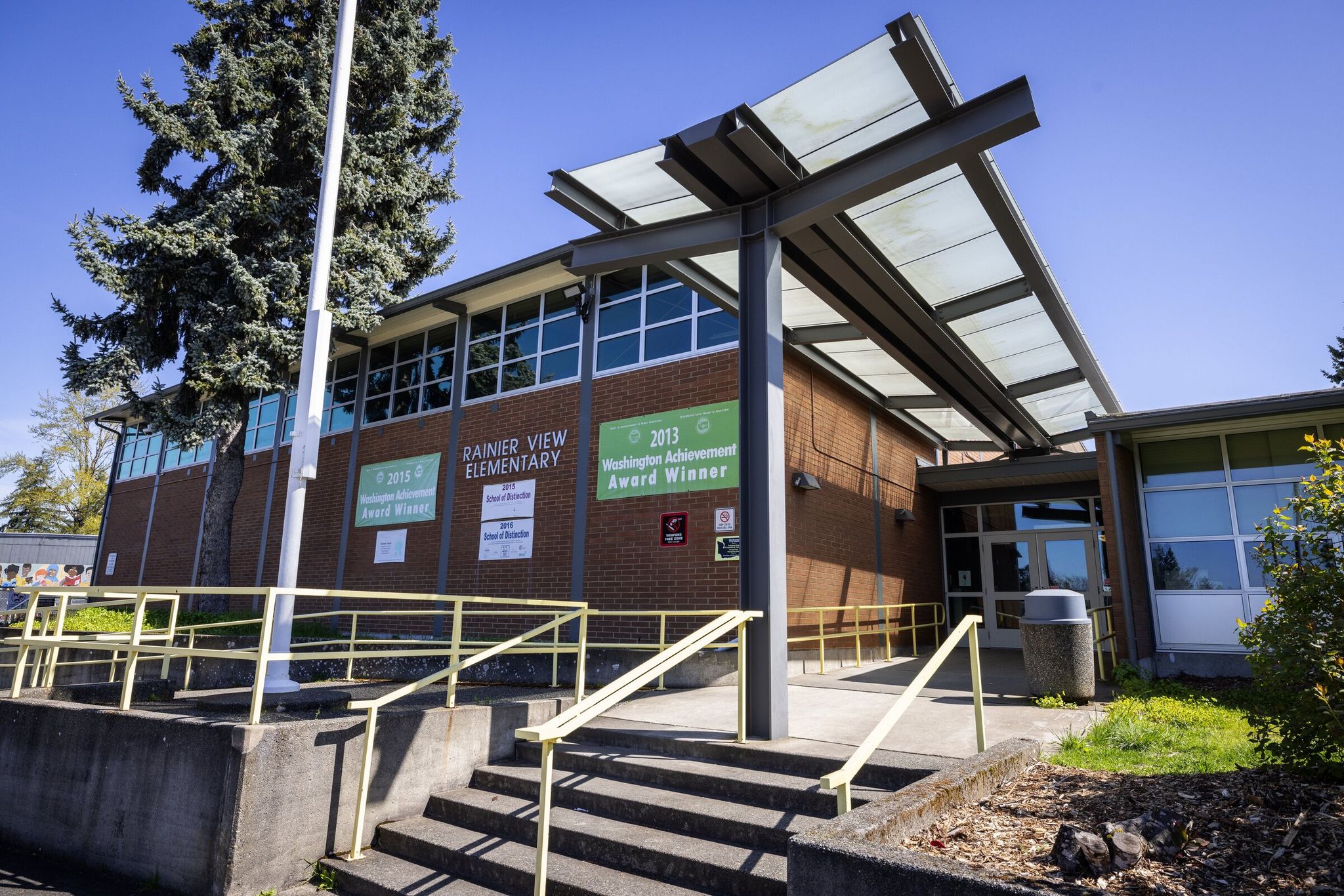
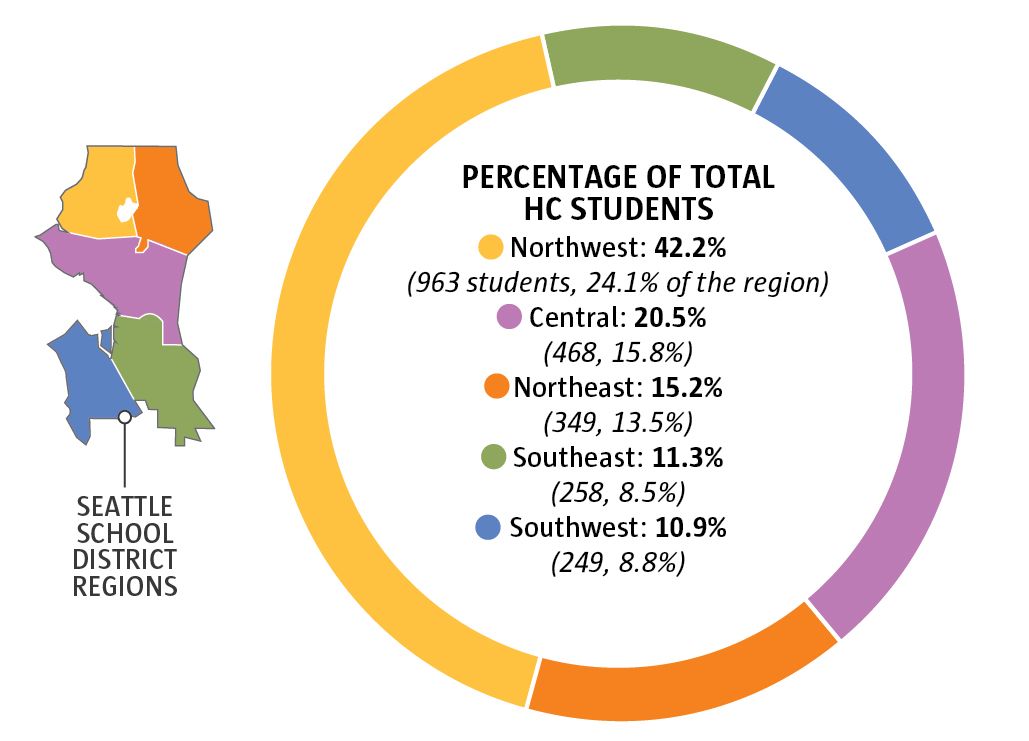
Seattle Public Schools are taking an important step toward a more equitable distribution of educational opportunities by expanding the program for gifted students. Beginning in September, services for children who demonstrate outstanding abilities will be available at two new elementary schools: Alki Elementary in West Seattle and Rainier View Elementary in the Rainier Valley. The decision was met with applause at the school board meeting, as such programs have long been concentrated in the northwest, central and northeast parts of the city, leaving south and southwest communities underserved. Including the Rainier Valley — a historically established, culturally and economically diverse area in the southeast with many low-income and immigrant families — is seen as a key move to ensure equal access to high-quality educational resources for students who have been traditionally underrepresented in these opportunities.
Enrollment for the new centers for gifted children began last week and will continue through March 31. The schools were chosen because of their convenient locations and available space to accept new students. According to Deputy Superintendent Rocky Torres-Morales, the teaching staff and leadership at these schools already have experience implementing similar programs and welcomed the news of the expansion enthusiastically.
Before this announcement, the only elementary school in the southwest and southeast of the district offering services for gifted students was Thurgood Marshall Elementary. District data show that most 2nd–5th grade students identified as gifted live in the northern neighborhoods. Therefore, opening new centers at Alki and Rainier View directly responds to longstanding community requests for a more even distribution of resources.
At the recent school board meeting — the elected body that governs the schools and approves such decisions — parents strongly supported the expansion but also voiced serious concerns. These public meetings traditionally include time for emotional public comment before votes. Parents’ concerns relate both to the identification process for gifted students, which some consider too complicated, and to the content of the existing curriculum. One parent, for example, argued for returning to the district’s original plan — to provide gifted services in every school by neighborhood rather than concentrating them in select campuses.
This issue has been central in the recent history of the program and reflects broader debates over learning models. Beginning in the 2021–22 school year, the district began moving away from a “cohort school” model, where gifted students attended separate specialized campuses, toward a “neighborhood schools” model. The new model assumed that each classroom at a neighborhood school would include students of varying abilities for whom teachers would create individualized plans. Debates center on the balance between equitable access, integration, and educational quality, since cohort schools can foster diversity but sometimes lead to selection of more prepared students, while neighborhood schools strengthen local communities but risk exacerbating inequality if resources are uneven across neighborhoods. After a wave of parent dissatisfaction, that transition was paused last year.
The future of the gifted program in Seattle remains uncertain. Torres-Morales said the district will soon have to choose one of three key options: fully adopt the neighborhood schools model, create a hybrid model, or abandon the idea and retain only the cohort school model. Public hearings in fall 2025 showed families are interested in both approaches, making the forthcoming choice for the school board especially difficult.