In Seattle, wetlands are being restored to protect infrastructure, a court has handed down a sentence for hate crimes against transgender women, and the city is recovering from a snowstorm.
Constructed wetlands: how Seattle is saving nature and infrastructure
Contrary to the old saying, sometimes you can “have your cake and eat it, too.” Seattle is proving that this is possible even in ecology: the city is carrying out projects that both restore wetlands and address urban stormwater system problems. In honor of World Wetlands Day, Seattle Parks and Recreation (SPR) describes two such initiatives that not only bring nature back into the city but also reduce pressure on engineering systems.
The story of Arboretum Creek, located on the west edge of Washington Park Arboretum, is a typical example of how urbanization disrupts natural processes. It was once fed by runoff from surrounding slopes, but development blocked those sources, leading to degradation of the riparian ecosystem. In 2017, as part of the Arboretum Loop Trail project, SPR, the U.S. Army Corps of Engineers and other partners restored the creek channel, adding meanders, removing invasive plants and planting native species. However, the creek still has low flow, and in summer it lacks enough cold water to maintain temperatures critical for species like salmon. As noted in the Seattle.gov piece, the Friends of Arboretum Creek, together with SPR and the Arboretum Foundation, are now working on the “Sources” project to redirect three springs into the creek channel. Currently those springs cause seasonal flooding of the Japanese Garden and increase strain on the stormwater system during storms, which worsens water quality in Lake Washington. The new project, now in the planning stage, is intended not only to increase flow to the creek but also to include an innovative green stormwater infrastructure system to filter water before it reaches the stream and wetlands. The project is expected to be completed by 2027.
On Seattle’s south side, in Roxhill Park, lies one of the city’s few remaining raised bogs — a unique ecosystem formed over millennia that acts as a natural sponge for the headwaters of Longfellow Creek. Urban development, however, disrupted the area’s hydrology: the peat deposits dried out, even causing a peat fire in 2017. Still, thanks to the efforts of a coalition of community activists and organizations, including the Roxhill Park Champions, the Duwamish Alive Coalition and others, significant progress has been made over the past decade in restoring this bog. Research led to a recently completed pilot project: an underground impermeable membrane (barrier) was installed in one cell of the peatland to hold water that was draining too quickly from the dried area. This immediately restored wetland processes. Following the success of the experiment, Seattle Public Utilities plans to add treated stormwater to the system and install additional barriers to retain moisture. The result will be a restored bog, cleaner water, improved habitat and reduced stormwater impacts.
Both projects clearly demonstrate the power of collaboration between community activists, scientific researchers and city agencies such as SPR’s specialized crews. Funding from organizations like King County Water Works and The Rose Foundation also played an important role. These initiatives are examples of nature-based solutions, where natural ecological processes are used to solve engineering problems. Instead of simply diverting water through pipes, the city is learning to retain and filter it using restored wetlands and creeks, creating a resilient environment for wildlife and residents. In this way, Seattle shows that as long-term stewards of ecosystems we can bring nature back into the city and make it part of infrastructure rather than an obstacle to it.
Hate crime sentence: attacks on transgender women in Seattle
On Friday, King County Superior Court sentenced a 40-year-old Seattle resident found guilty of a series of attacks on transgender women. These incidents, which occurred in 2024 and 2025, were prosecuted as hate crimes, highlighting ongoing safety issues for the LGBTQ+ community. The sentence, which includes seven years in prison, followed court proceedings detailed in The Seattle Times.
Judge James Rogers sentenced Andre Carlow to 84 months in prison for an attack in the University District that took place in March 2025. During that incident, Carlow and a group of men verbally abused a transgender woman with homophobic slurs and the term “drag queen,” demanded she remove her makeup, and then assaulted her. Earlier, in September 2024, Carlow had been arrested for assaulting a Sound Transit inspector in the International District/Chinatown area, whom he also insulted and struck. Notably, the first trial failed to reach a unanimous verdict on the hate-crime charge in that case, convicting him only of fourth-degree assault, which is a gross misdemeanor. However, the second trial, concerning the University District attack, was more definitive: Carlow was found guilty of a hate crime and second-degree assault, both of which are felony offenses.
King County prosecutors sought the maximum sentence, pointing to Carlow’s nine prior convictions and his clear threat to the transgender community. They emphasized that his actions were targeted and motivated by hatred of the victims’ gender expression. In sentencing, Judge Rogers also barred Carlow from contacting the victims for 10 years and imposed 18 months of community custody after release. Separately, Judge Andrea Robertson sentenced him to 180 days for the first assault, crediting time already served. These decisions reflect the seriousness of the crimes and the need to protect vulnerable groups.
A key aspect of this case is the legal definition of a hate crime. In the U.S., including Washington state, crimes can carry enhanced penalties if it is proven that the motivation was bias against race, religion, sex, disability, sexual orientation or gender identity. In Carlow’s case, the court determined that his attacks met that standard, which influenced the length of the sentence. The incidents also highlighted safety issues in public places such as light rail stations and university neighborhoods, where transgender people may face violence. The lack of immediate consequences after the first attack, when Carlow was released on bail, may have contributed to a repeat offense, raising questions about the justice system’s effectiveness at preventing such acts.
This story is a grim reminder that, despite progress in protecting LGBTQ+ rights, hate-motivated violence remains a real threat. The sentence, while severe, may signal intolerance for such crimes, but broader efforts in education and prevention are needed for real change. As reports note, these attacks are often undercounted, and each case underscores the ongoing need to fight for safety and equality for all.
Seattle weather forecast: snow retreats, but problems remain
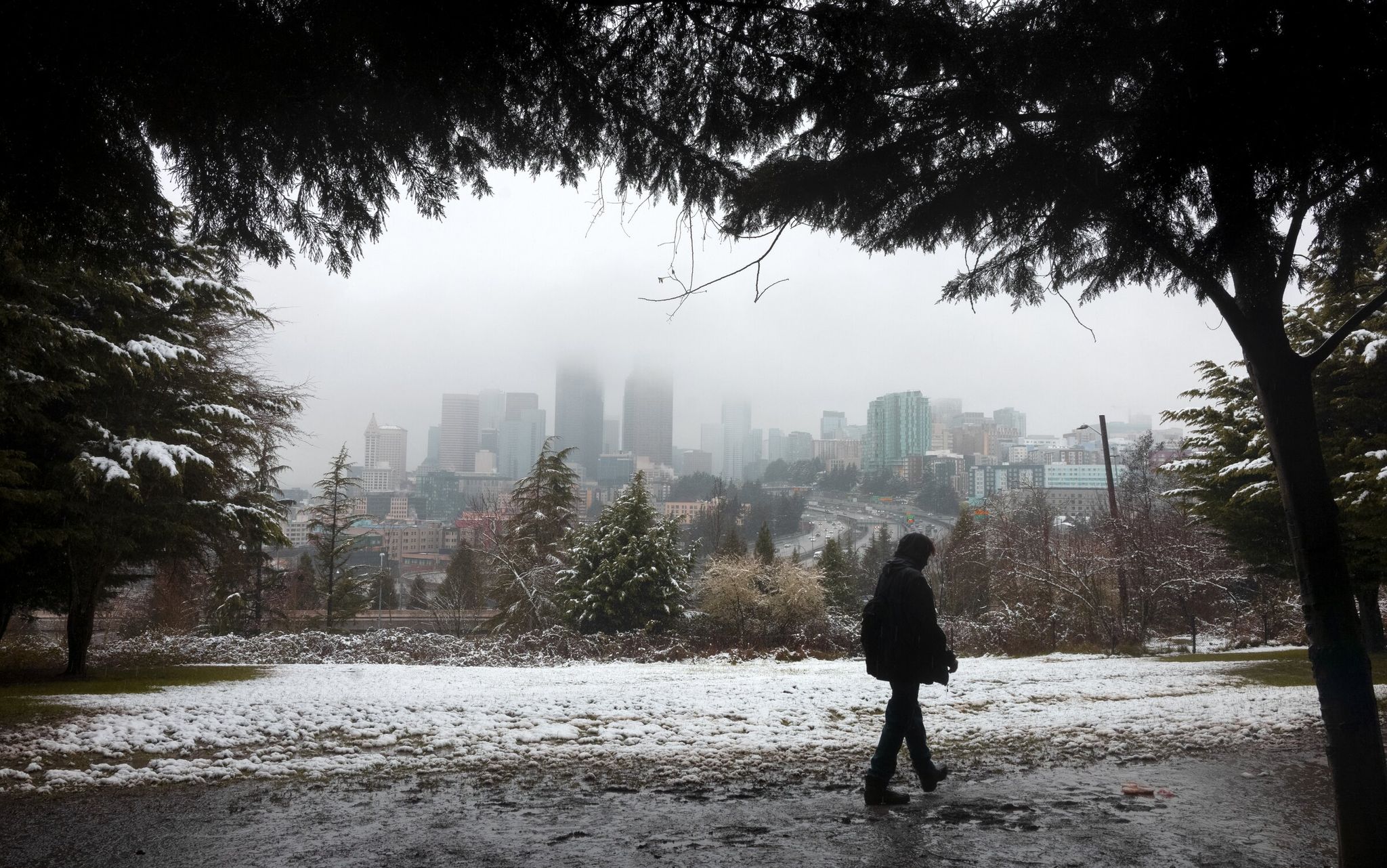
Seattle is gradually emerging from the grip of a snow event, but the storm’s impacts continue to affect the city and region. While snowfall has eased in Seattle itself, conditions remain challenging for travelers and residents across Western Washington.
According to live updates from The Seattle Times, the main difficulties now relate to transportation infrastructure and power. Key mountain passes connecting the east and west sides of the state were fully closed due to difficult conditions. In particular, I‑90 remained closed overnight between North Bend and Ellensburg, and Highway 2 over Stevens Pass was also closed because of winter weather. This has significantly disrupted transit. In addition, snowfall caused delays for arriving flights at Seattle‑Tacoma International Airport (Sea‑Tac), inconveniencing air travelers. Ground conditions were also affected: several colleges and schools in the Central Puget Sound area were forced to dismiss early or close on Friday. To assist the most vulnerable residents, emergency shelters opened in King, Pierce and Kitsap counties. Alongside transportation problems, the region experienced widespread power outages. By Friday evening, roughly 40,000 customers in Western Washington were without electricity due to the snow. The winter storm also impacted recreation: all lifts at Crystal Mountain ski resort were shut down. Although snowfall has stopped, its consequences — closed roads, canceled classes, delayed flights and power restorations — will shape the region’s situation in the coming hours. Residents and visitors in Seattle are advised to monitor updates from transportation departments and the airport and to exercise caution on roads where hazardous conditions may persist.