
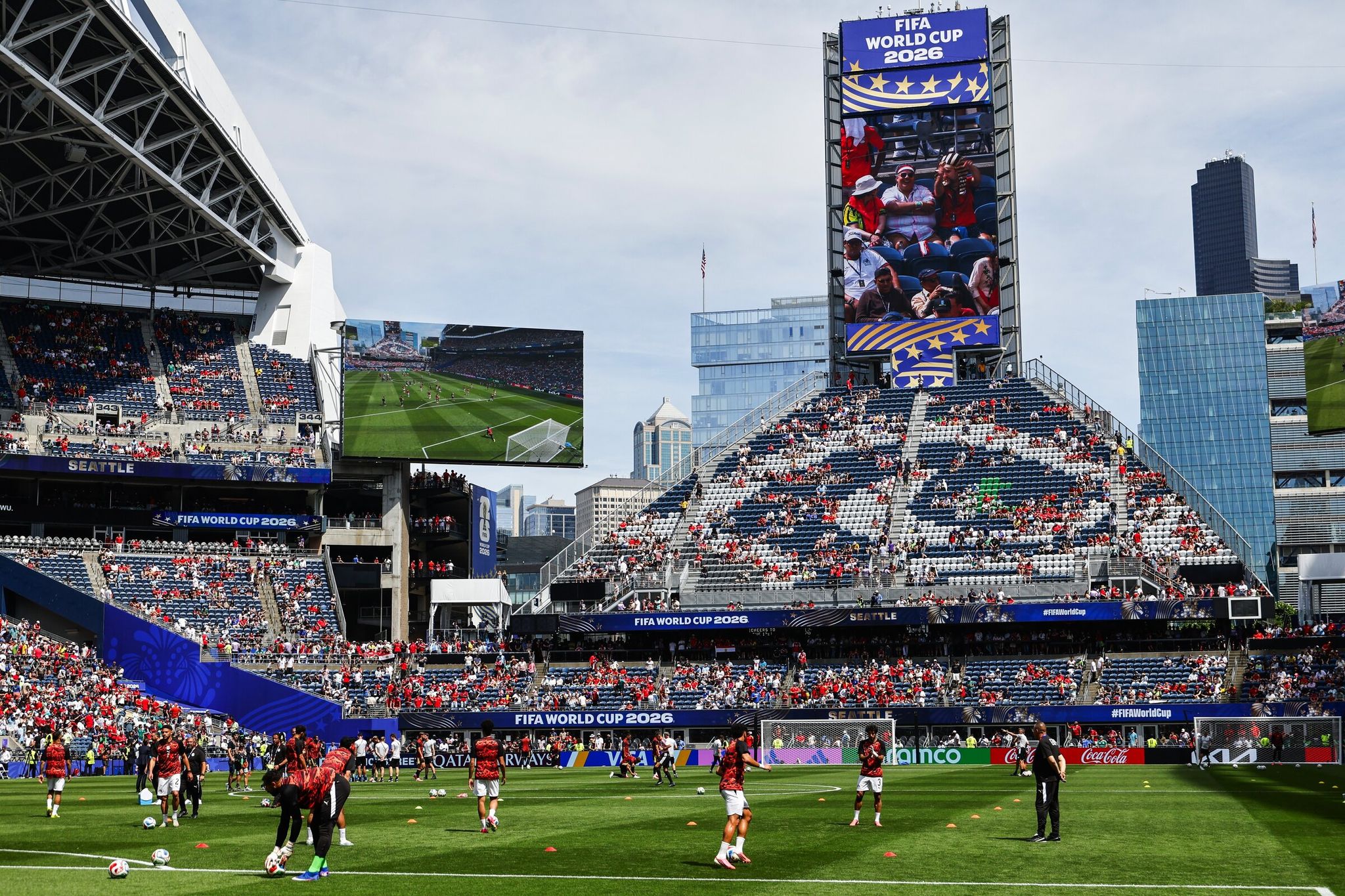
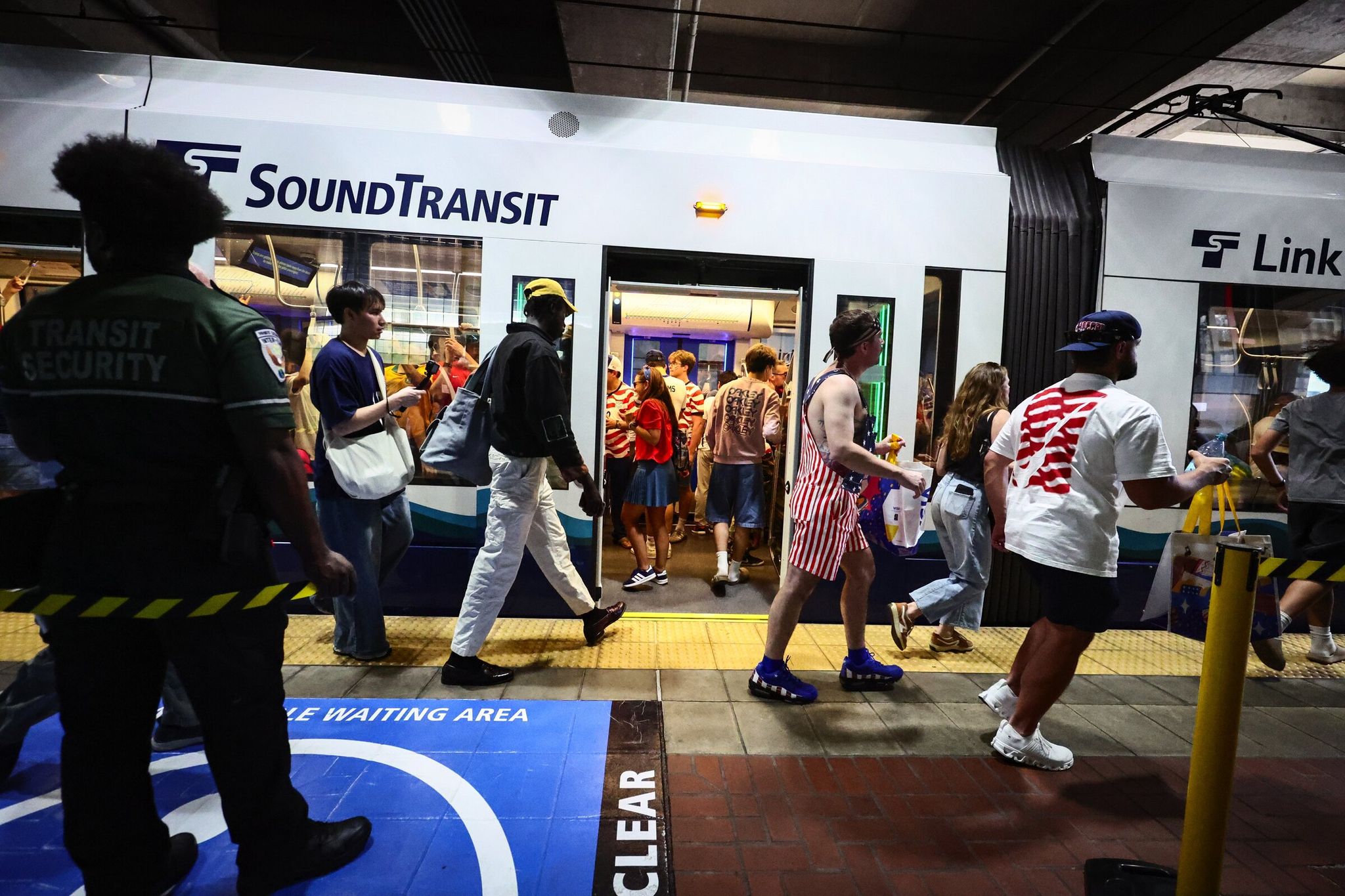
Before the start of the men’s FIFA World Cup in Seattle, there were plenty of pessimistic forecasts: some worried the city couldn’t handle the influx of fans, while others doubted its readiness. But after four matches, those fears were largely dispelled, and Seattle proved it is an excellent tournament host. The latest example was Friday’s match between Iran and Egypt, which ended in a tense 1-1 draw in a packed Lumen Field. The atmosphere outside the stadium remained just as lively: fans filled light-rail trains (the Link Light Rail system, run by regional transit agency Sound Transit) and chanted in unison. The network connects downtown Seattle with the airport, the university district, and suburbs, runs on electricity, and integrates with buses; riders use a single ORCA Card.
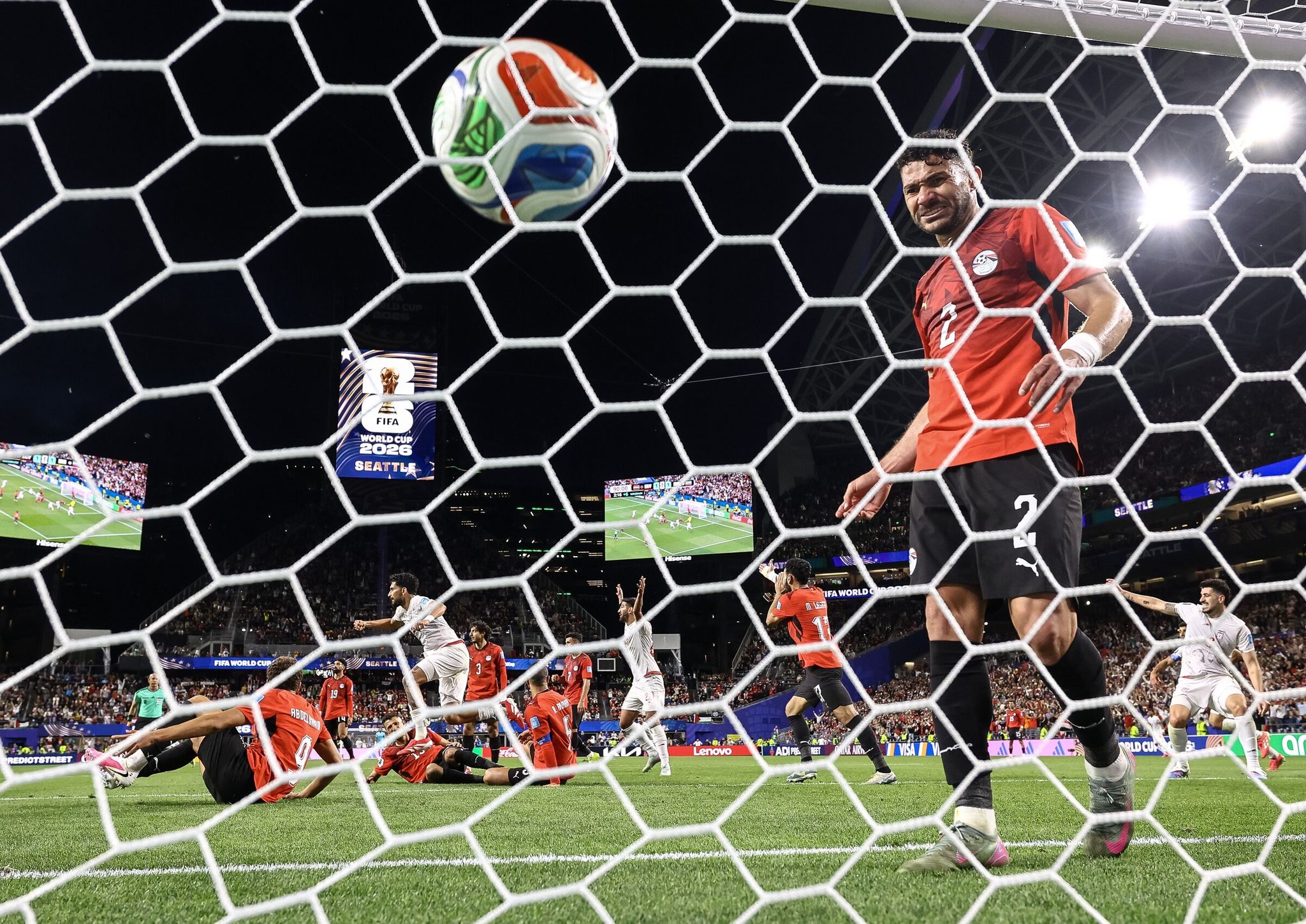
The game itself turned dramatic from the first minutes. The Egyptians scored in the fifth minute, and the Iranians quickly leveled the score. After a quieter stretch in the middle of the match, the end burst with emotion — the Iranians thought they had scored the winning goal, but the referee ruled it out. The draw didn’t cool the energy around the stadium. One spectator from Spokane, Brad Kalbik, called the final minutes “just amazing” from a football perspective, and added, “People around me were shouting for all kinds of different reasons.”
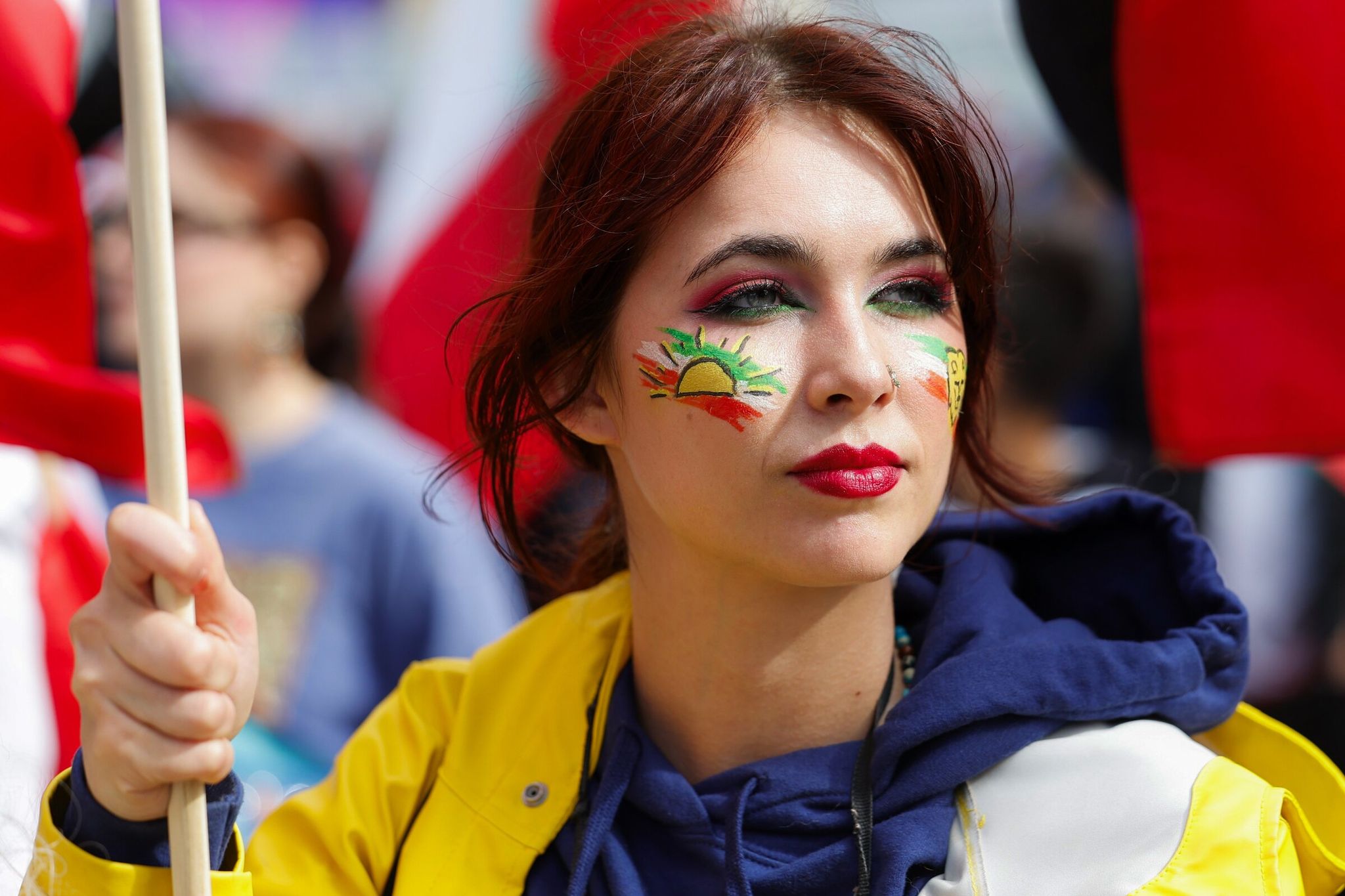
Off the pitch, it was no less heated: politics and protests surfaced even before the opening whistle. Americans of Iranian descent held peaceful demonstrations against the rule of the Islamic Republic, waving pre-revolutionary flags featuring a lion and sun as a symbol of resistance. Some of those flags made it onto the stadium grounds despite FIFA’s ban on political symbolism — one fan was told by a volunteer to remove a flag. Other protests criticized the war by the United States and Israel against Iran, but there were also those who simply came to back their teams.
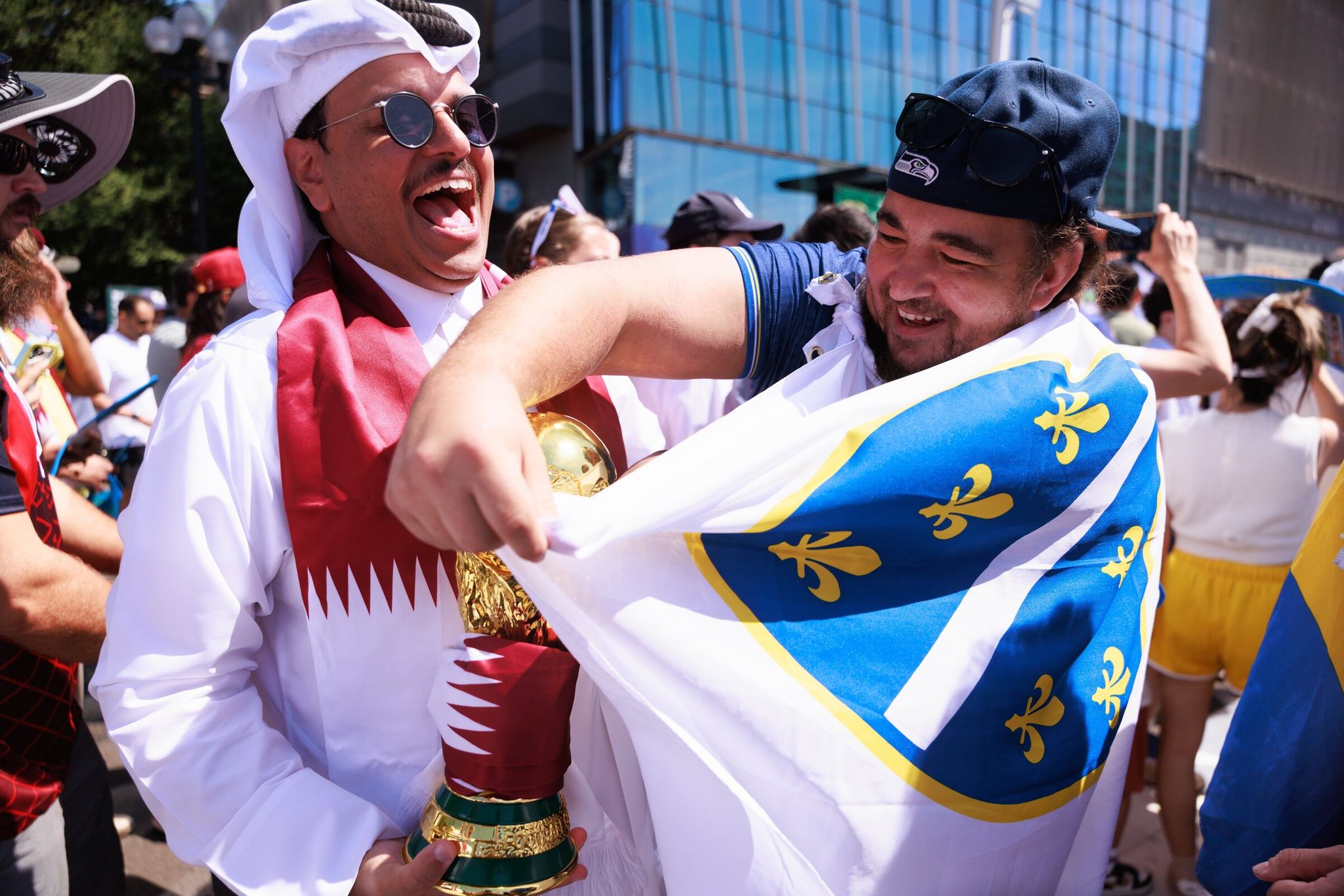
Friday’s match also coincided with the start of Seattle Pride weekend — one of the city’s largest public celebrations, known for its big parade, concerts, and acts of solidarity, where the LGBTQ+ community has been actively advocating for rights since the 1970s. In Egypt and Iran, homosexuality is criminalized, and both countries have previously criticized the local organizing committee for labeling the match a “Pride match.” Still, celebrations continued across the city, reflecting Seattle’s long-standing queer culture. The match itself became a symbol of unity in the face of discrimination: teams and supporters from different diasporas were represented. By the time the game began, most fans seemed focused not on arguments, but on the shared excitement of the tournament.
Seattle had already hosted four World Cup matches since June 15, and seven teams took the field at Lumen Field, including the United States. The confident staging of the games impressed visitors from other countries and gave the city positive international attention. Over the next eight days, two more matches are scheduled, and it’s not impossible that the U.S. team could return to Seattle — if that happens, the city’s role in the tournament could grow even further.
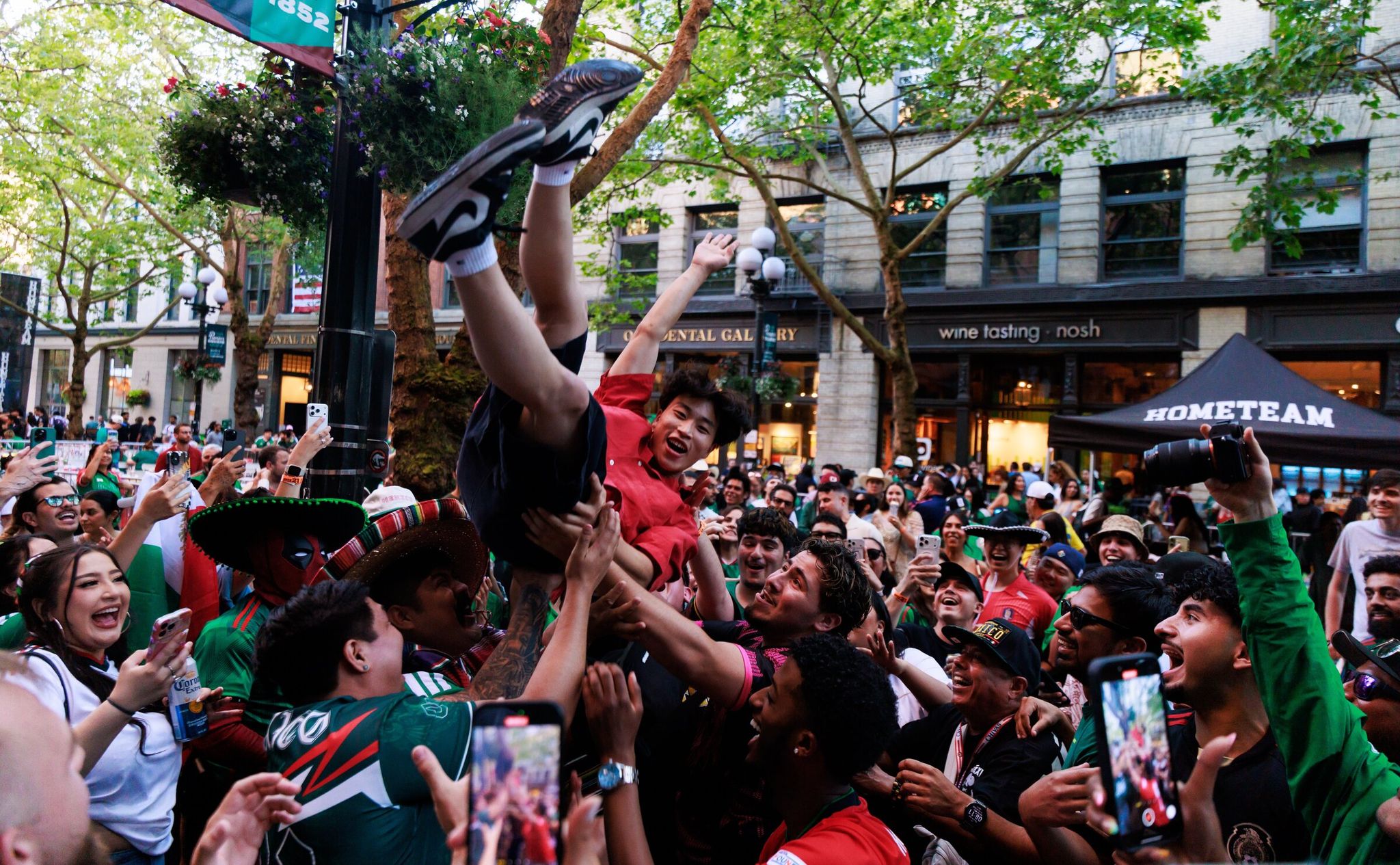
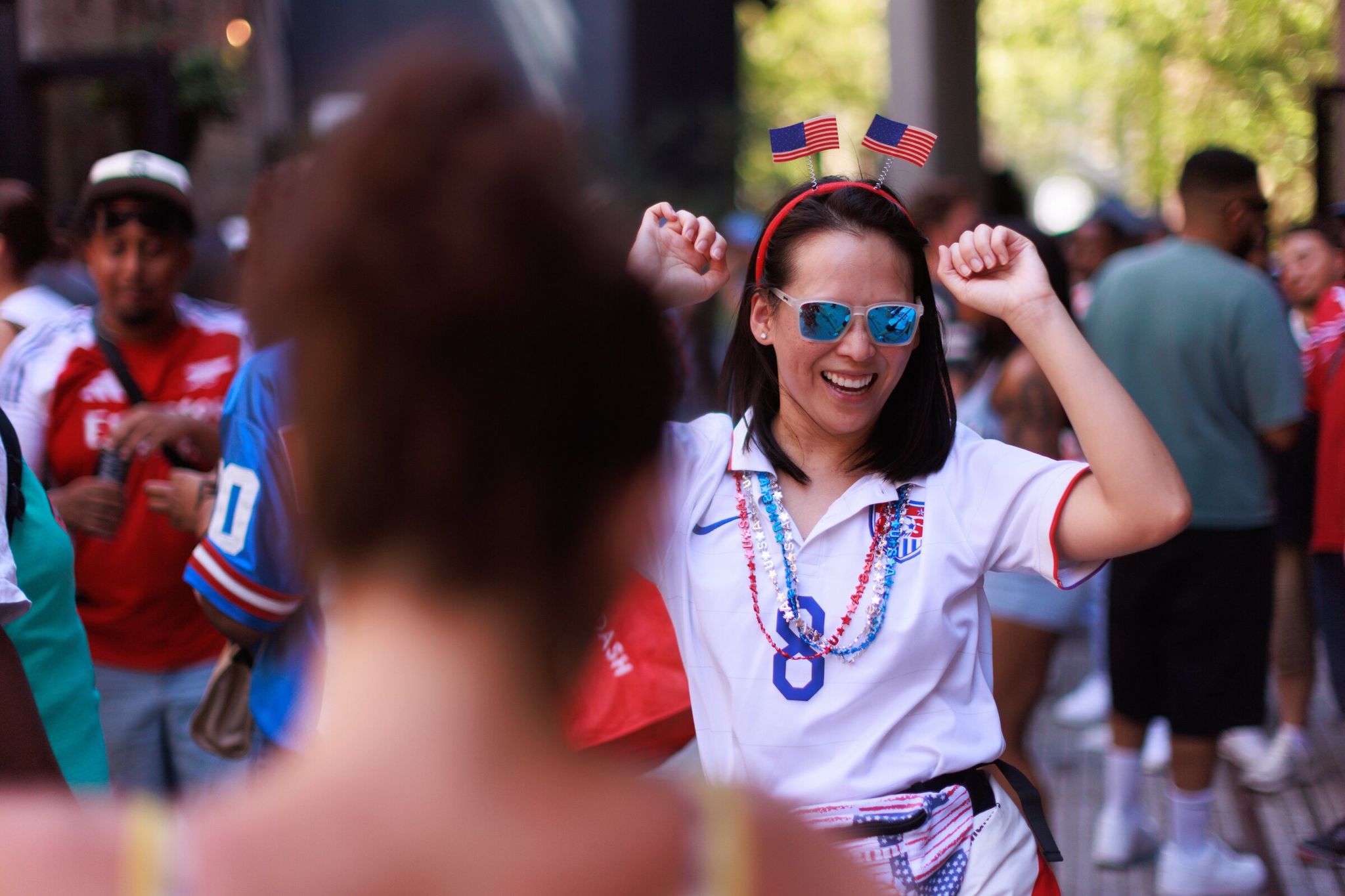
The tournament has also brought an economic boost, though its scale is being assessed differently. John Shoules, president of the Seattle Downtown Association, called the city’s energy “electric,” especially on match days: crowded sidewalks, cafés, and a lively Pike Place Market. “So far, the results have exceeded our expectations,” he said, calling the tournament “a huge event.” Tourism supporters emphasize that the downtown stadium and convenient transit made Seattle a natural destination for fans.
Hotel owners, however, are more guarded. Craig Shafer, owner of Hotel Ändra and the Inn at the Market, noted that projections for the hospitality industry were higher than what actually materialized. Even so, revenues were higher than last year, though occupancy still lags behind expectations. He also suggested that the war in Iran, rhetoric coming out of Washington, and expensive travel deterred some tourists. “But it’s important that the city looks good,” he said.
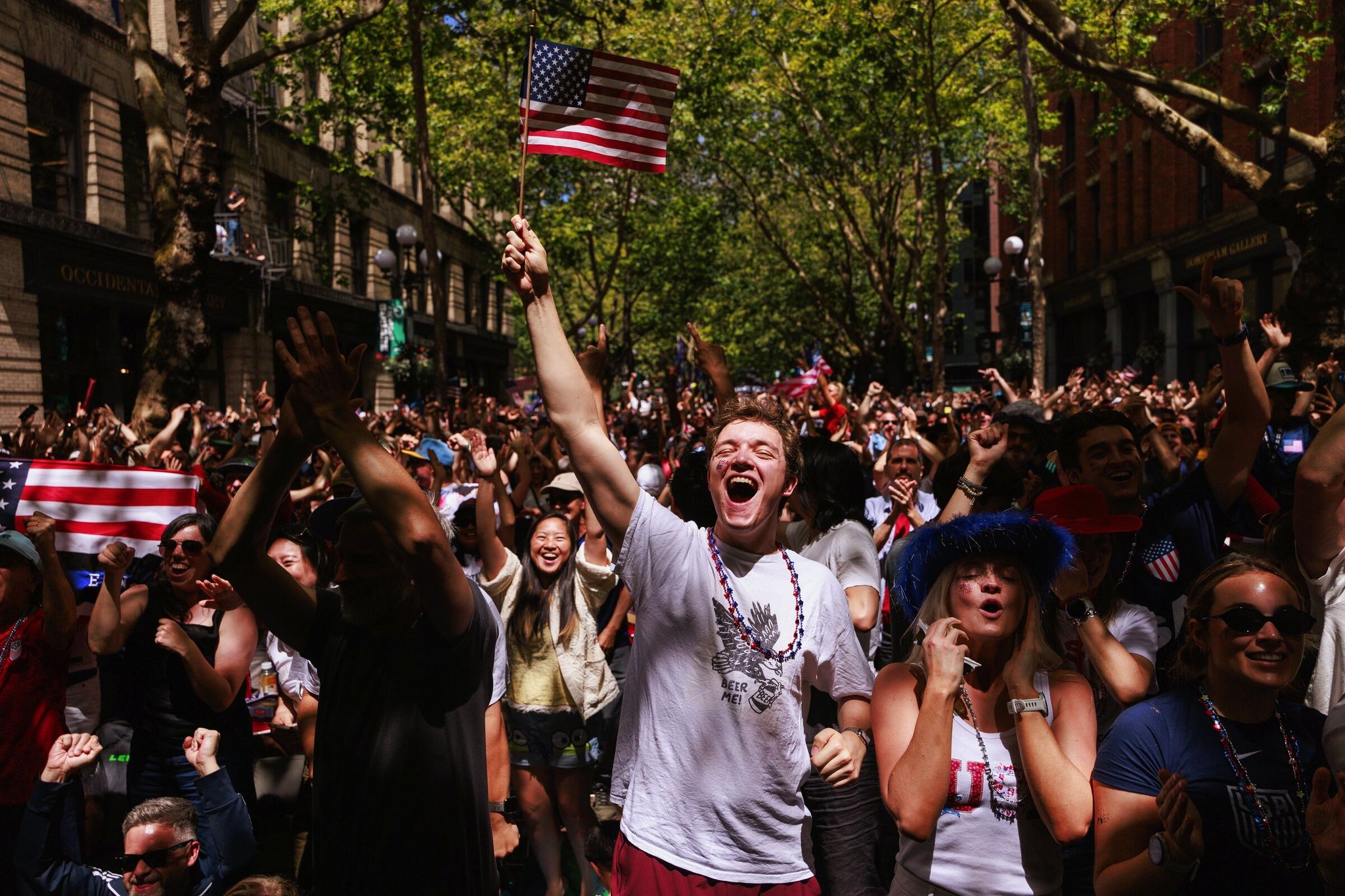
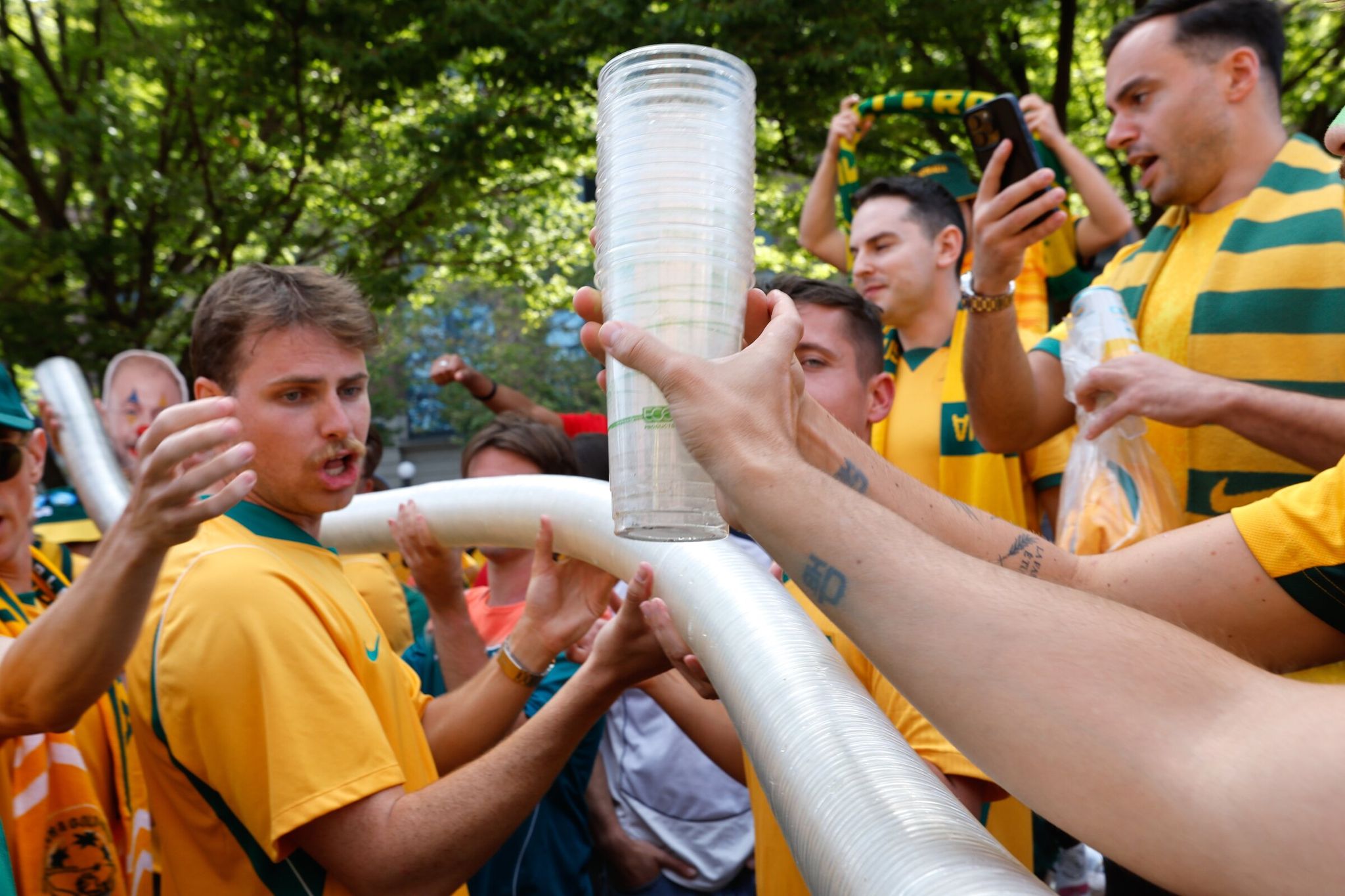
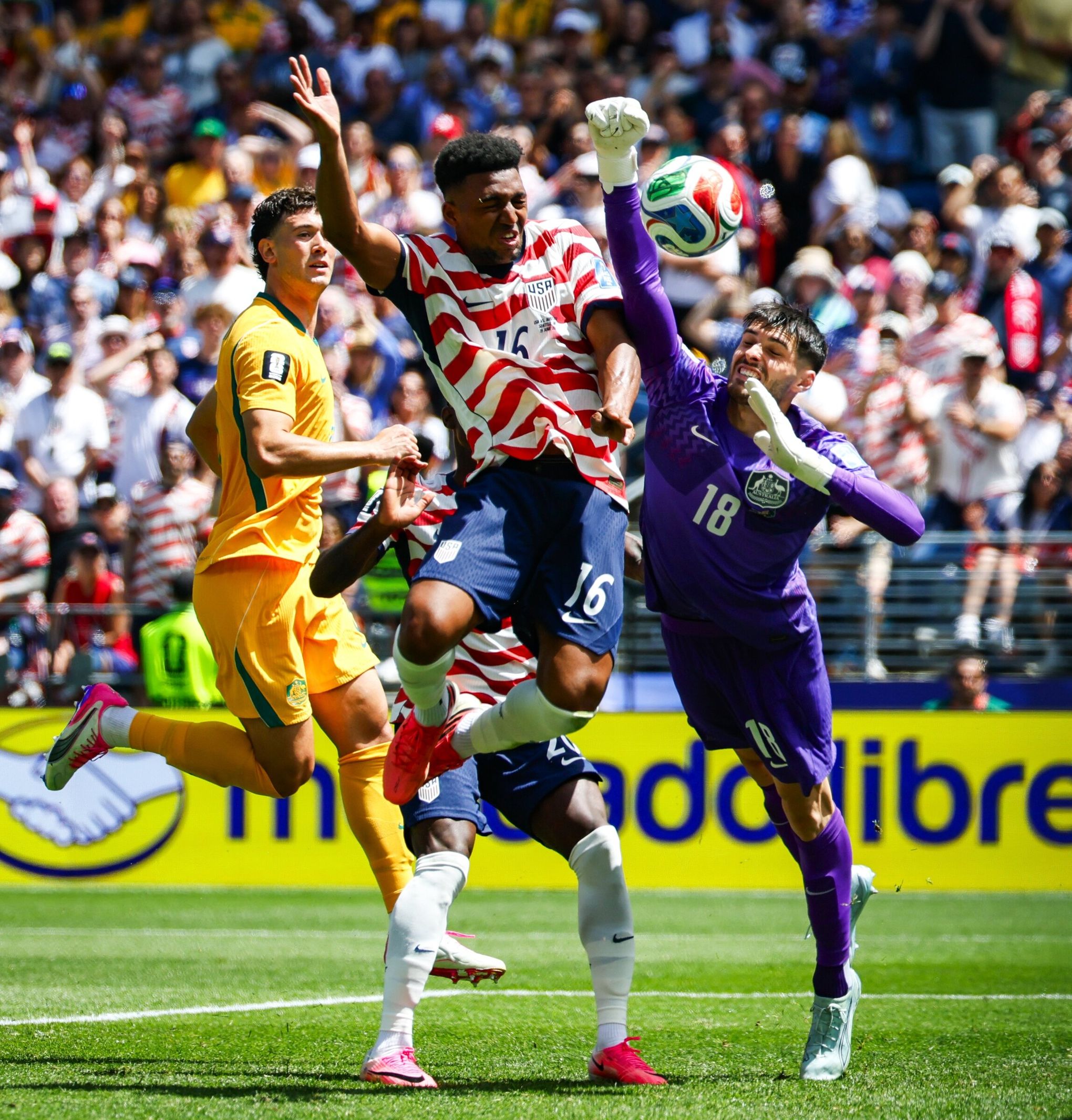
Restaurants and nearby neighborhoods saw benefits that were more noticeable. On June 19, when the U.S. beat Australia and the Mariners lost at home, and with events underway in honor of Juneteenth, gross sales at restaurants near the stadium jumped 51% compared with a typical Friday. The number of transactions rose 56%, and beer sales increased by 212%, according to Toast. Lisa Howard of Pioneer Square Alliance, the historic district founded in the 1850s with 19th-century brick architecture and numerous galleries, antique shops, and restaurants, designated as a National Historic District where events like the First Thursday Art Walk are held, said some businesses recorded sales “ten times higher than a regular non-event day,” and that June 19 brought the highest pedestrian activity in the area since 2019.
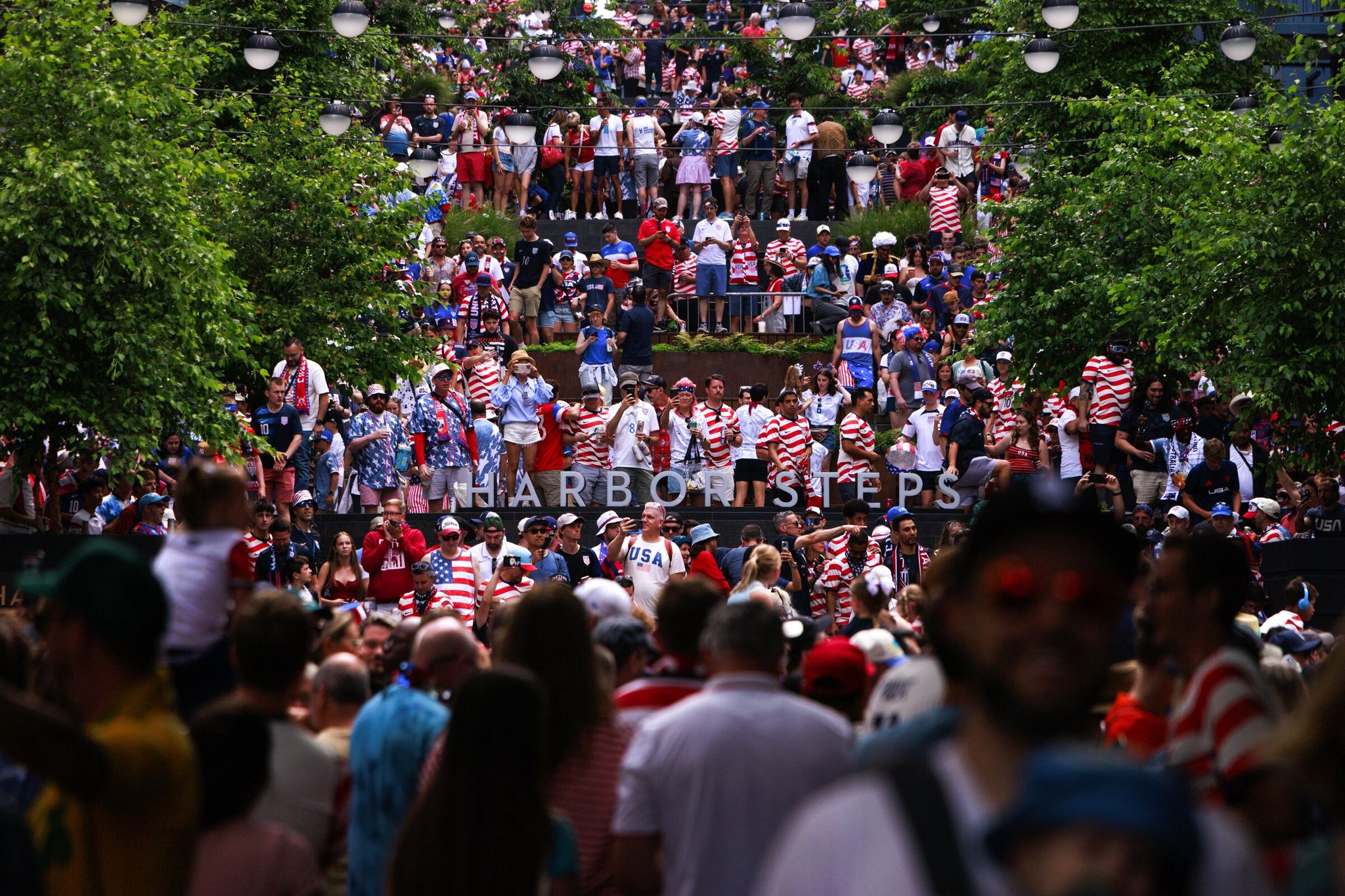
Public spaces drew massive crowds too. Waterfront Park, created after the demolition of the Alaska Way Viaduct in 2019, became a link between downtown, Pike Place Market, and the waterfront: new green spaces, promenades, and event areas returned the shoreline to the city. It logged more than 451,000 visits from June 11 to June 21, and on June 19 a one-day attendance record was set. Huân Teshome of the Friends of Waterfront Park said, “Seeing almost 85,000 people gather here on Juneteenth, while Seattle hosted the world, was a powerful reminder of why public spaces matter. We built this park for moments like that — and the city showed up.” The figures show the tournament became more than just a sports event, spreading into parks, neighborhoods, and downtown streets.
The public transit system also hit records. Sound Transit (which runs the Link Light Rail line and other routes) carried 280,000 riders on June 19, and King County Metro carried more than 310,000 on match days. On that same day, the West Seattle water taxi reached a record 8,552 passengers, and a special downtown shuttle moved 4,960 people between Seattle Center and Pioneer Square. Officials say the city is moving toward its goal: 80% of visitors arrive downtown without cars on game days, and traffic on highways temporarily fell due to the cancellation of roadwork. Ahead are matches on July 1 and July 6, and Seattle continues to prove it earned its reputation as a “hot spot” for American soccer.
Based on: Seattle shines as World Cup host after 4 remarkable matches so far