BRINC doubles down in Seattle, creating jobs and drones for emergency services. The Kraken showed heart by rallying from three goals down but lost in a shootout. A museum is holding thousands of SuperSonics artifacts for a future NBA team.
BRINC doubles its bet on Seattle: new drone factory, headquarters and hundreds of jobs
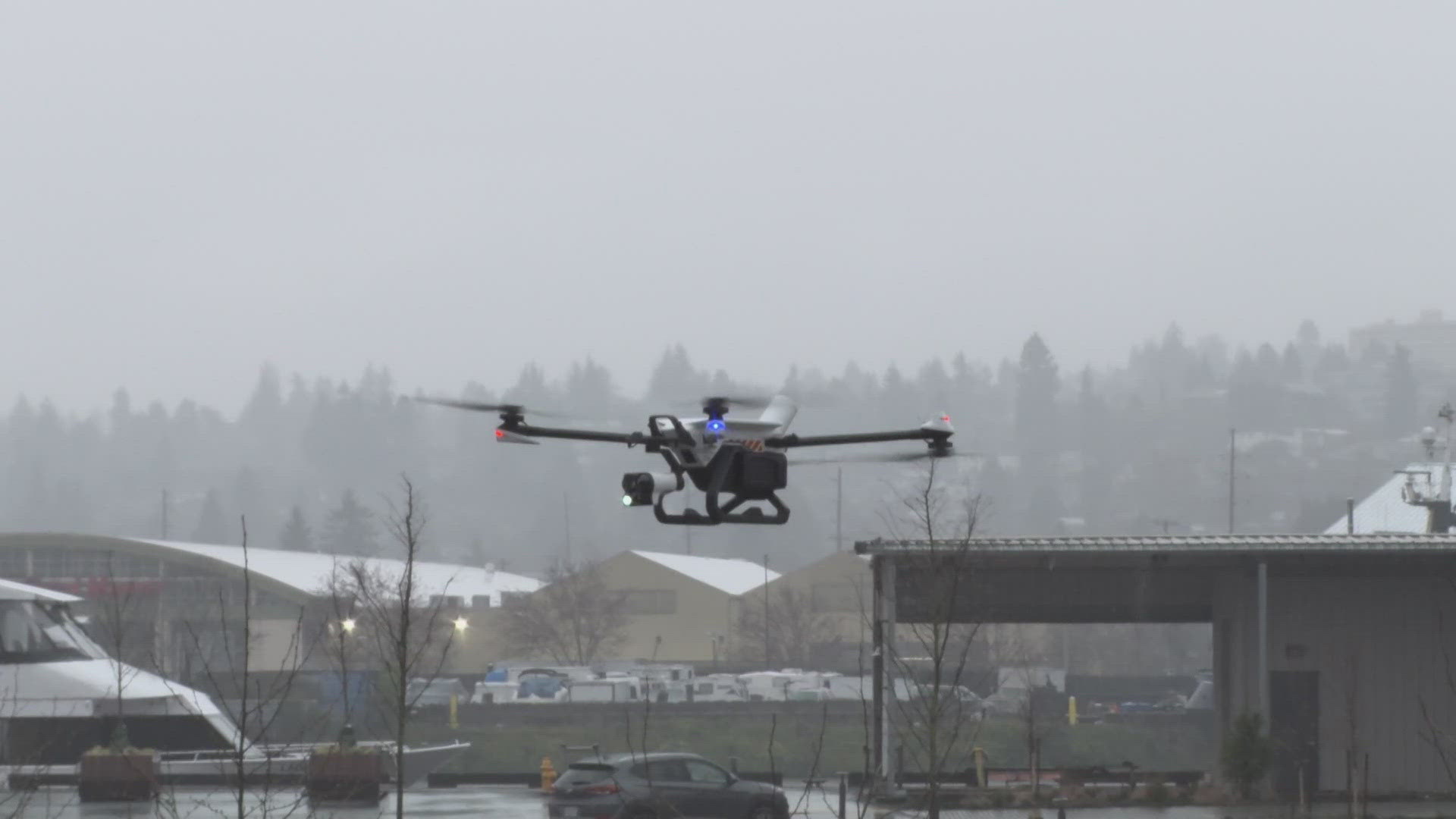
Seattle-based BRINC, a maker of drones for emergency services, is making a major commitment to growth in its hometown. The company isn’t just expanding — it’s opening a large new campus intended to become a manufacturing and innovation hub, with the potential to create more than a thousand jobs over time. The move underscores the growing role of technology in public safety and strengthens Seattle’s position as a key hub for high-tech manufacturing.
Founded in 2017, BRINC develops unmanned aircraft designed to assist police, firefighters and other first responders. The idea is that a drone can arrive at a 911 call site before responders, assess the situation and relay critical information — for example, how many people are in a building or whether suspicious objects are present. That allows rescuers and police to act more deliberately and safely. As reported in the KING5.com article, the company already serves more than 900 government customers across the United States, including police and fire departments in all 50 states.
The new 34,000-square-foot headquarters and factory will be located near the Ballard Bridge. The space is twice BRINC’s current capacity and will allow the company to grow its staff this year from 160 to 250 employees. CEO Blake Resnick says the ultimate goal is to create more than a thousand jobs as the site develops. “Seattle has been a wonderful home for us,” Resnick said, emphasizing that the city provides access both to engineering talent and the technical workforce needed for manufacturing.
One notable example of BRINC’s technology in Washington state is Redmond Police’s “drone as first responder” program launched in 2024. According to Redmond Police Chief Darrell Lowe, the drone arrives on scene faster than ground patrols in 83% of cases and has already contributed to roughly 7% of arrests, which the chief calls an excellent return on investment. Lowe stressed that drones are used strictly in response to specific 911 calls, not for general surveillance or patrolling. He also said his department does not share drone data with federal agencies such as ICE (U.S. Immigration and Customs Enforcement), citing local legislation — the “Washington Jobs Preservation Act.”
Despite the clear operational advantages, the use of drones by law enforcement raises privacy and potential abuse concerns. The article notes that the ACLU of Washington, while not tracking the activities of specific companies, has expressed worries about the technology overall. Technology policy director Ti Shannon provided a statement that, judging by the context, points to risks of mass surveillance and the need for clear legal frameworks. BRINC, for its part, positions itself solely as a maker of tools to improve the safety and effectiveness of first responders.
BRINC’s plans for major expansion in Seattle are not just the story of a single startup’s success. They signal how technology is changing public safety and creating new, highly skilled jobs in the region. The company’s new campus is expected to be fully operational by November of this year, which could give an additional boost to the local economy and further cement Seattle’s reputation as a center for advanced manufacturing that extends beyond software.
Kraken’s ferocious comeback not enough in shootout loss
In an exciting NHL regular-season game, the Seattle Kraken showed incredible will, rallying from a three-goal deficit in the third period before ultimately falling to the Florida Panthers 5-4 in a shootout. The dramatic details of the game, as reported by Seattle Sports, deserve special attention.
The game in Sunrise, Florida, seemed decided with seven and a half minutes left in regulation when the home team led 4-1. But the Kraken unleashed a storm, scoring three goals in just 2 minutes, 21 seconds. Matty Beniers started the comeback by cutting the deficit. Then, in a remarkable 14-second span, Jordan Eberle and Bobby McMann completed the comeback, delighting Kraken fans and shocking the Florida crowd. That explosive stretch was a vivid demonstration of the team’s character, which, despite a rough stretch of eight losses in ten games, refused to give up. Overtime produced no winner, and in the postgame shootout, Vinny Hishenstroz of the Panthers was the more precise shooter, giving his team the victory.
For those unfamiliar: shootouts are a series of one-on-one attempts against the goalie that take place if no team scores during the five-minute overtime. It’s a lottery where composure and individual skill decide the outcome. It’s also important to note that despite the loss, the Kraken earned one standings point because the game was decided in a shootout rather than in regulation. For a team fighting for a playoff spot, every such point is valuable.
Beyond the incredible comeback, the game featured several personal milestones. Panthers head coach Paul Maurice was honored during the first intermission for coaching his 2,000th NHL game, joining the ranks of league greats like Scotty Bowman. Florida defenseman Aaron Ekblad played his 800th game for the club, and Kraken veteran Adam Larsson reached the 1,000-game mark in his career. Noah Gregor, recalled from the AHL, played a key role for the Panthers with a goal and an assist; his game-winner deflected in off Kraken defenseman Ryker Evans’s stick.
The game left mixed feelings for Kraken fans: excitement over the team’s fighting spirit and refusal to quit, and bitterness that such a heroic effort wasn’t rewarded with a win. The team now faces a tough road game against the Tampa Bay Lightning, where they’ll need not only grit but also more consistent play across all phases to finally snap their winless stretch and improve their playoff chances.
Legacy on hold: how thousands of SuperSonics artifacts are stored in Seattle for a future NBA team
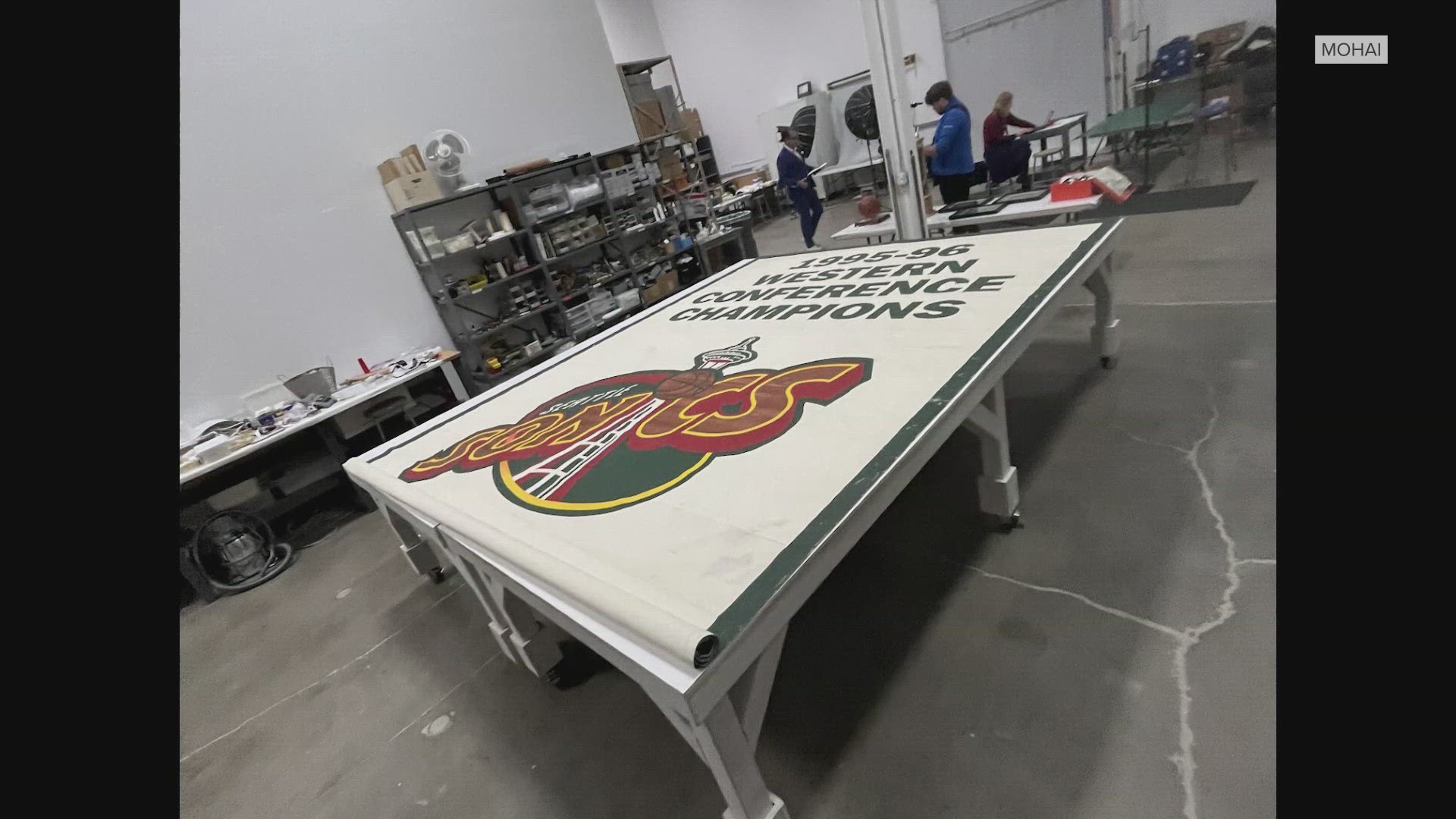
At the Museum of History & Industry (MOHAI) in Seattle, more than just a collection of sports relics sits quietly — it’s a piece of the city’s soul frozen in time. More than 5,000 artifacts related to the legendary Seattle SuperSonics, including the most prized trophy — the 1979 NBA championship trophy — rest on shelves in a climate-controlled storage facility. They are not available to the general public, and their fate is clearly defined: this heritage will be kept until the day top-tier basketball returns to Seattle. As KING5.com reports, these items will be transferred free of charge to the new owners of a future team once it is established.
The story of this unique collection is inseparable from the painful relocation of the franchise to Oklahoma City in 2008. The relocation agreement included important provisions protecting Seattle’s historical legacy. The new owners in Oklahoma did not receive the rights to use the “Seattle SuperSonics” name, their logos, colors or other identity elements. Moreover, it was explicitly stipulated that all banners, trophies, player-retired jerseys and other memorabilia remain in Seattle under the care of MOHAI. The museum became the official steward of the collection. Interestingly, the agreement allows the Oklahoma owners to create and display replicas of these items, thus acknowledging the “shared history” between the two cities.
The collection, occupying roughly twenty shelving units, is remarkable in its variety. It’s not only the trophy and framed jerseys but also banners, uniforms, shoes, photographs, slides, posters, promotional materials, and an archive of game recordings on media such as DVD, film, Betamax and VHS. For context: Betamax and VHS were competing videotape formats popular in the 1970s and 1980s, before the digital era. They are physical carriers of historical game footage. A few items, including the championship trophy, are on display in the museum’s main exhibition, and museum staff say they are looking for ways to tell the Sonics’ story to the public more often. However, the fate of one iconic artifact remains a mystery: the museum does not have the Skitch costume, the team’s mascot outfit. According to MOHAI, the person who performed as the mascot simply never returned the costume, and its current whereabouts are unknown.
A key condition of the 2008 agreement states that if the NBA approves the creation of a new team in Seattle and other conditions are met, the intellectual property rights (name, logos) will be transferred free of charge to the new owner, and upon request that owner will also receive the entire physical collection of artifacts from MOHAI. In this way, the SuperSonics’ legacy is legally and physically preserved while awaiting a revival. The collection is more than a set of old items — it’s a symbolic bridge between the glorious past and a potential future for Seattle basketball. It serves as a reminder of past triumphs and passionate fan support, and it represents a unique asset that would form the foundation for historical continuity should a new team emerge. For now, thousands of items wait their turn in museum storage, remaining a tangible promise that the Sonics’ story in Seattle is not over.