Seattle news roundup: the Mariners keep bolstering their offense with college players in the MLB draft, pitcher Hancock avoided a fracture after being hit by a pitch, and the city is celebrating a successful FIFA men’s World Cup thanks to elite collaboration and long-term projects.
Mariners Keep Chasing Power With the Bat: A Look at Day Two of the Draft
The Seattle Mariners are sticking to their strategy. In the early hours of the second day of the MLB draft, covering rounds five through twelve, the club again leaned on experienced college players who could strengthen the offense. As noted in a recap by Yahoo Sports, the focus on “college bats”—that is, position players from college leagues—became the storyline behind Seattle’s selections in the first half of the day. It continues a trend set the day before, when the team also favored more mature hitters over high-risk prospects from high schools in the early rounds.
This approach often signals management’s desire to add players who will reach the majors sooner and are capable of producing steadily in the next couple of years. Taking college players reduces uncertainty: these athletes have already faced the harsh competition of NCAA conferences and often bring more refined hitting mechanics. For the Mariners—who have spent recent seasons trying to build a balanced roster—strengthening the batting lineup in this way seems like a logical move. Still, it’s worth remembering that the early rounds are only the tip of the iceberg: it’s often in the middle of the second day that teams find gems that later become the foundation of the farm system. For now, Seattle is clearly sticking to its philosophy: patience and a preference for “safer” options with high percentages of making it. The only question is whether this strategy will pay off in the future, when today’s recruits start knocking on the door of the big leagues.
Emerson Hancock Left After Being Hit by a Pitch on His Hand, but Avoided a Fracture
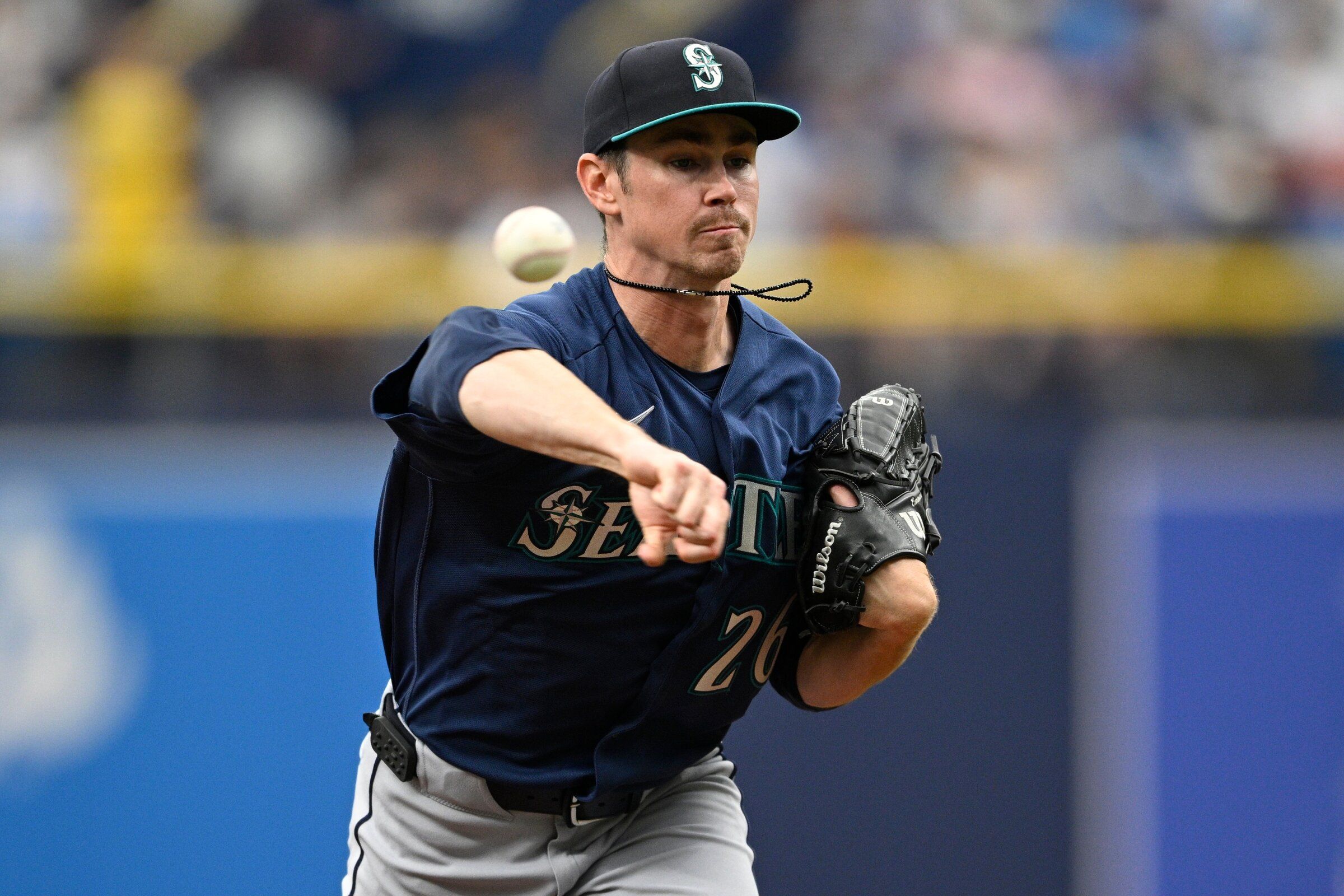
Seattle Mariners starting pitcher Emerson Hancock did not finish the second inning of the team’s game against the Tampa Bay Rays due to an injury to his hand. The setback happened after the very first pitch of the game, when the batter Yandy Diaz sent the ball straight back at the pitcher. Hancock instinctively tried to catch the ball barehanded rather than letting a fielder have it. “Obviously you never want to reach for a ball, but in that moment it was instincts. He was so close that I just wanted to make the out,” Hancock explained. The pitch hit the base of his palm and middle finger—the area that’s critically important for controlling the ball when pitching. Despite the pain, the pitcher completed the first inning and came out for the second, but it quickly became clear that continuing was dangerous: after a strikeout and a groundout, he began having to grab at his hand, and his pitches started losing command.
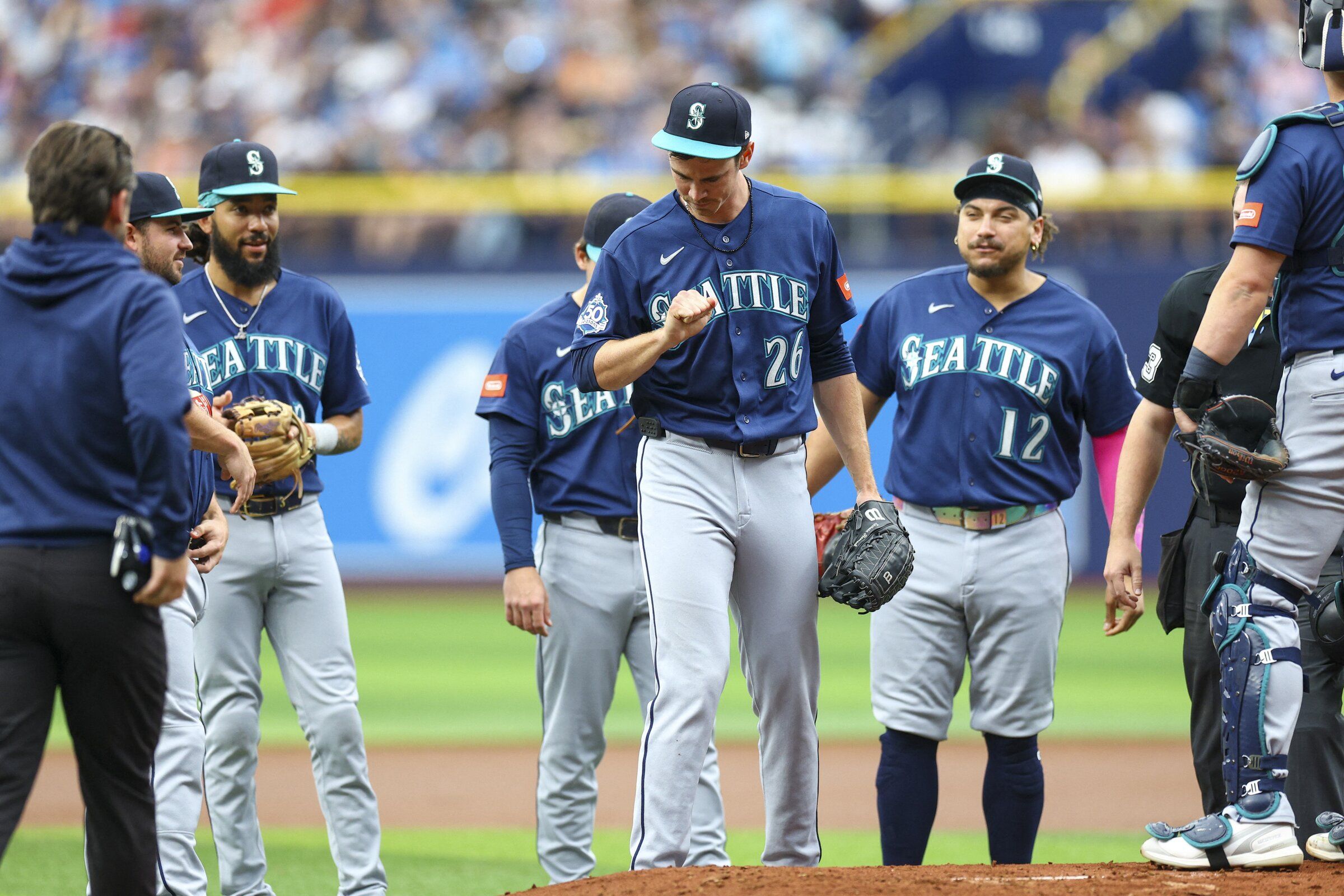
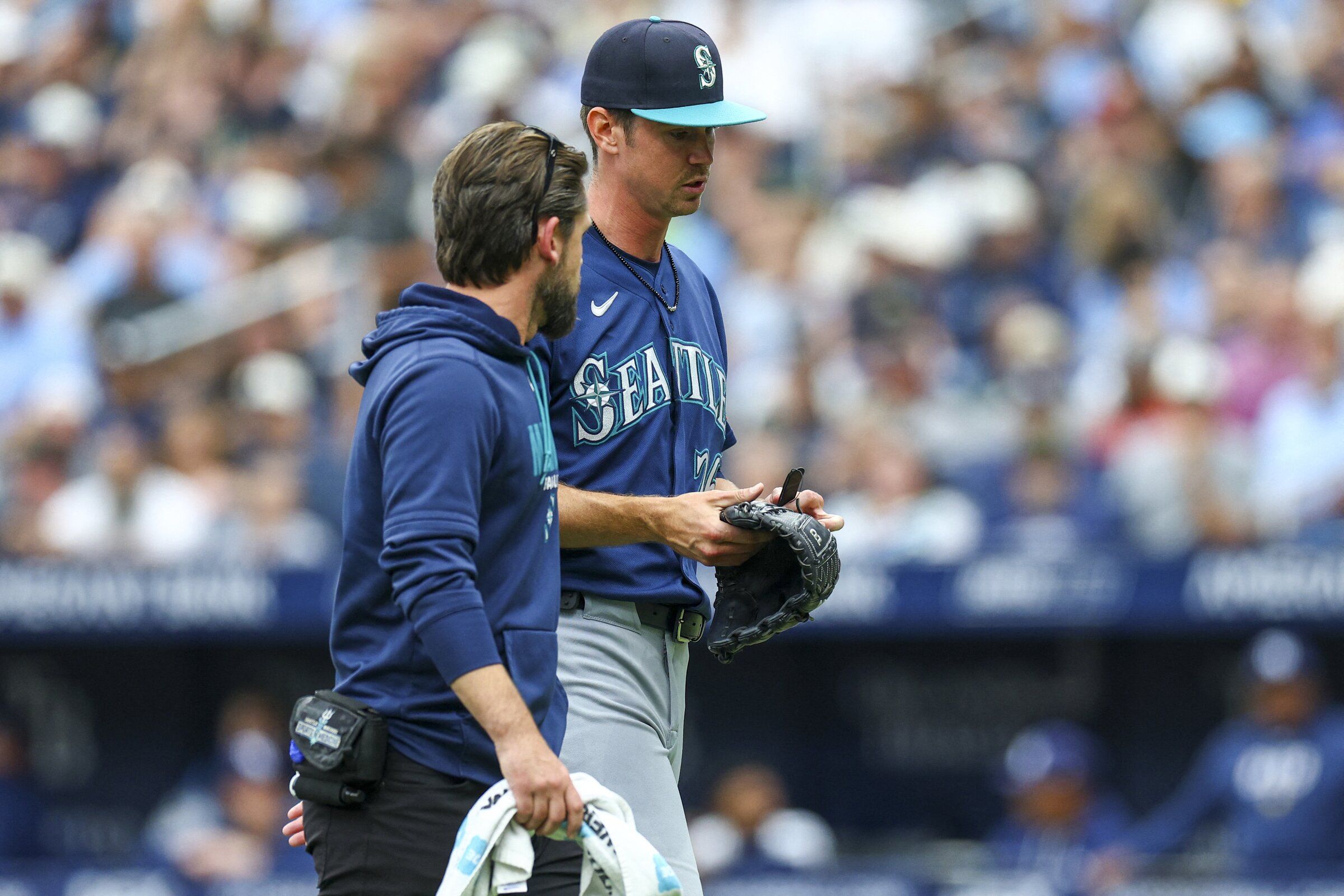
After he came out to the mound, with help from manager Dan Wilson and athletic trainer Kyle Thorgerson, Hancock left the field. He was extremely frustrated, because his team had just scored three runs in the top of the inning, and now the bullpen had to be used in the second inning. But the replacements did their job well: five relievers covered the remaining seven innings, allowing just two runs. Hancock called it “an incredible performance.” An X-ray came back negative—there were no fractures. The pitcher is confident that rest during the All-Star break will allow him to return. “It looks like everything’s fine. We’ll see how the next couple of days go,” he said.
The article also addresses the Mariners’ plans for their rotation after the break. Wilson did not reveal whether the team will use six starting pitchers or a “piggyback” approach (when two pitchers split the game, with one starting and the other coming in as the replacement). At the same time, he ruled out moving any starter to the bullpen on a permanent basis. The team will play six straight home games, followed by one day off, then ten consecutive days of games leading up to the August 3 trade deadline. It’s certainly possible that Seattle keeps an expanded rotation until then. Finally, two more positive updates: Julio Rodriguez, recovering from a concussion, is expected to return to the field for the first game of the second half, and Brandon Donovan (groin strain) is preparing for a rehab assignment in Arizona. As reported by The Seattle Times, all of these decisions will be announced shortly.
How the “Seattle Establishment” Turned the World Cup Into a Triumph for the City
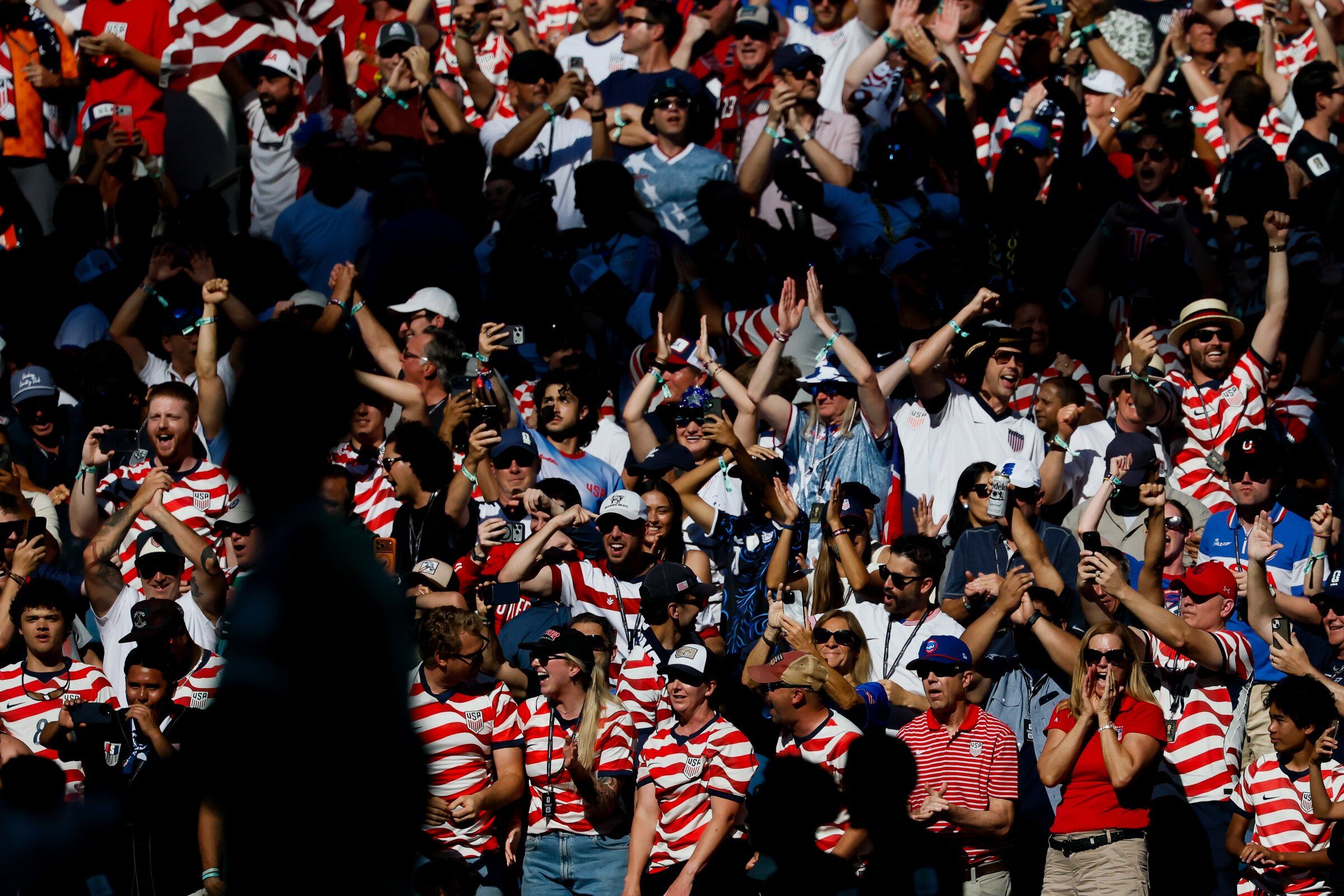
Seattle has just gone through a true football celebration—the FIFA men’s World Cup matches. Now that the excitement has settled, it’s time to look back and understand what made it possible. In an editorial, The Seattle Times argues that the success wasn’t achieved by corporations or politicians working in isolation, but by that same “Seattle establishment”—a unique alliance of big business, labor unions, and community leaders. According to the authors, this partnership has been operating in the city since 1909, when the Alaska-Yukon-Pacific Exposition was held, and later helped Seattle host the 1962 World’s Fair. Now it helped the city welcome a major global sporting event so successfully.
As the publication writes, the secret to success lies in long-term infrastructure projects that once seemed controversial but ultimately paid off handsomely. A stadium approved by voters in 1997, after Microsoft co-founder Paul Allen promised to invest $130 million, is a cornerstone. The authors recall a group of opponents called Citizens for More Important Things, which made reasonable arguments but ultimately turned out to be wrong. Construction of light rail transit—long pushed by business, unions, and environmentalists—faced fierce resistance for decades: opponents argued that nobody would ride it and that the tracks would fall into Lake Washington. Again, they were wrong. Finally, the Waterfront Park, opened last year, became possible only after replacing the old Alaskan Way Viaduct with a tunnel—a project that brought together all the city’s major forces. Then-mayor Mike McGinn tried to stop the tunnel by proposing to route traffic along the waterfront, but he lost that battle and ultimately wasn’t reelected.
The editorial authors emphasize that the real heroes are the taxpayers who put billions of dollars into all that infrastructure—making a grand sports celebration possible. They note that there are now conversations about Seattle’s bid to host the FIFA women’s World Cup in 2031, and that’s a worthy endeavor. The lesson for everyone is simple: when leaders come together, guided by unity, competence, and wisdom, they can accomplish a great deal. In an era where political instability and anger have become the norm, the “Seattle establishment” managed to score a goal that benefited the entire region. As the article puts it, “instead of flipping the apple pie, Seattle just sent the ball into the net” (a free translation of the phrase into Russian). You can read more in the original: The Seattle Times.
This story is not just about soccer. It shows how long-term planning and the willingness of major players to negotiate despite resistance and criticism can turn a city into a global stage. Complex concepts like the “Seattle establishment” don’t mean secret elite collusion so much as a time-tested model of cooperation between business, workers, and public activists who collectively push big projects. In the editorial’s view, it’s that alliance—not one company or one party—that drives progress. And now, after the World Cup, the question is: what else could Seattle do that’s equally great if its leaders keep working together?