Space Needle bought part of a science center, the Seahawks are having a quiet offseason, and Seattle will pause construction for a month because of the 2026 World Cup.
Deal in Seattle: Space Needle acquires part of Pacific Science Center for $17 million
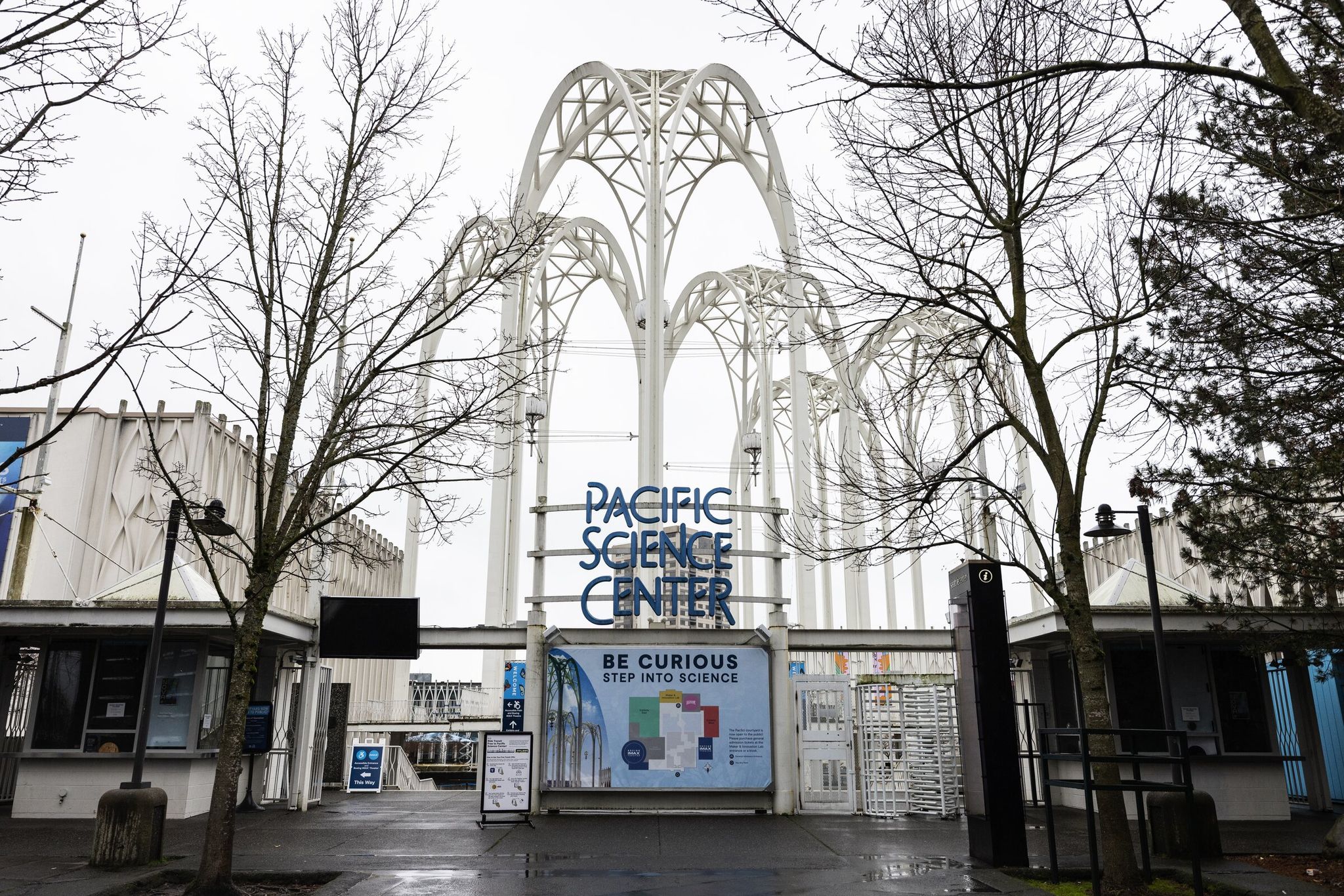
A landmark transaction in downtown Seattle could reshape one of the city's best-known cultural clusters. The owners of the iconic Space Needle have officially closed a deal to buy part of the Pacific Science Center (PacSci) campus. Valued at $17.25 million, the transaction not only expands the Space Needle owners' holdings but also serves as a financial lifeline for the science center, which has been struggling.
Public records, reported by The Seattle Times, show the deal closed on Monday. As a result, the Space Needle owners, represented by Center Art LLC (which also operates the Chihuly Garden and Glass museum), acquired about 21% of PacSci's property. The nearly 62,000-square-foot parcel includes the famed Boeing IMAX theater and other buildings on the northeast side of the science center campus. Notably, the formal buyer was not Space Needle LLC itself but an affiliated entity; both companies are owned by the Wright family and managed by the same CEO, Ron Sevart. This expands the family's physical footprint: in addition to the tower’s 19,000-square-foot site, they now control a significant adjoining parcel.
For the Pacific Science Center, a private nonprofit, the sale is a strategic move driven by financial necessity. President and CEO Will Doughty said the proceeds will fund long-planned improvements to the aging campus and ongoing operations. Plans include removing gates to create a new open entrance to the inner courtyard, other courtyard upgrades, a new innovation lab and expanded education programs. The center’s finances became strained after the pandemic: it faced rising costs and economic challenges. Public tax filings show the organization ran deficits in fiscal 2023 and 2024. In 2024 total expenses were roughly $24 million while revenues were closer to $19 million. Selling part of its property became a way for PacSci to raise capital to invest in remaining facilities and stabilize operations. That said, the move carries social costs: the reduced footprint led to nine staff layoffs, including the longtime director of theaters, a 5% workforce cut.
Space Needle owners said they will keep the IMAX theater running after a short spring renovation, and more detailed development plans for the acquired parcel will be released later. The deal comes amid broader challenges facing Seattle’s cultural sector, including rising costs and real estate pressures. So this property transaction is more than a simple transfer of land: it reflects wider economic trends in the arts and science sectors, where respected institutions must explore unconventional ways to survive and grow, sometimes sacrificing parts of their legacy for the future.
How the champion Seahawks could run a perfect offseason
In the NFL, offseasons often turn into spectacles of blockbuster trades and sensational signings as teams try to wow fans and pundits. But as the example of the reigning champion Seattle Seahawks shows, silence and stability in the market do not equal failure. On the contrary, strategic continuity and work with the existing roster can be a wiser path to retaining a title.
Although the Seahawks did not make headline-grabbing moves like the Los Angeles Rams’ trade for star cornerback Trayvon Mullen or the San Francisco 49ers’ signing of soon-to-be Hall of Famer Mike Evans, their offseason can hardly be called unsuccessful. As Eric Edholm of NFL.com notes in his analysis, the Seahawks still top power rankings, ahead of the Rams. Edholm expressed this view on the Bump and Stacy show; details are available in a Seattle Sports piece. The key to their position is the team’s exceptional balance: last season they had the best defense by the advanced DVOA (Defense-adjusted Value Over Average) metric, which evaluates team performance adjusted for opponent strength.
Losses of defenders Coby Bryant and Rick Wullen are certainly significant, but the club retained key defensive players: Devon Witherspoon, Leonard Williams, DeMarcus Lawrence, Byron Murphy II, Julian Love and Ernest Jones. This group produced three second-team All-Pro selections and three Pro Bowl invites last year. That’s why the Seahawks didn’t need to chase a player like Mullen — their secondary already prevented the kind of explosive passing plays that sometimes hurt the Rams. So while the Rams’ defense took a step forward, the Seahawks reliably kept their high standard.
The club’s main contract decisions focused on players already on the roster. Wide receiver Jaxon Smith-Njigba, who would have been the offseason’s headline if he’d moved, is already a Seahawk. The same goes for Witherspoon. Keeping these young stars on long-term deals and avoiding potential disputes is the team’s biggest and most successful transaction. Combined with minimizing the impact of losing lead rusher Ken Walker to the Kansas City Chiefs, this constitutes a successful offseason.
But the most pressing question remains: how to replace Ken Walker and preserve a dynamic rushing attack? Counting on Smith-Njigba to suddenly surpass 1,700 receiving yards again would be risky. The team added physicality by signing running back Emmanuel Wilson, but replacing a combined 1,000 rushing yards is always difficult. Possible solutions include a trade — there are rumors about Alvin Kamara being available — or the draft. In his latest mock draft, analyst Daniel Jeremiah predicts the Seahawks will select Notre Dame running back Jadarian Price at No. 32 overall. Thus, despite the lack of outside noise, the Seattle Seahawks are conducting a thoughtful, strategically measured offseason, betting on preserving the core of the championship roster and making targeted upgrades that could return them to the top.
Seattle on pause: how the World Cup will change the city for a month
Ahead of a major sporting event, Seattle officials are taking unprecedented steps to minimize road chaos. The city’s Department of Transportation (SDOT) announced a temporary halt to all construction projects in high-traffic areas during FIFA World Cup 2026 matches. The move, detailed in an official press release on KING5.com, is intended to handle the influx of hundreds of thousands of visitors and ensure uninterrupted city infrastructure operations.
According to an SDOT statement issued Monday, construction contractors must clear public spaces by June 7 unless they receive a special exemption. The moratorium itself will run nearly a month: from midnight on June 8 until midnight on July 7. Initially the pause was planned through mid-July, but officials shortened it by almost a week to help projects stay on schedule. “We are ending the planned pause almost a week earlier than originally planned — now ending July 7 instead of mid-July — to help construction projects stay on schedule,” the department explained. Some projects that can be started and completed quickly without disrupting major events will be allowed short work windows in mid-June; such requests will be considered on a case-by-case basis.
The move is a direct response to expected severe traffic issues on match days Seattle will host. The pause covers work on roadways, sidewalks and alleys in the busiest city areas. It’s important to note that zones overseen by the Seattle Public Library and Parks and Recreation are not subject to the moratorium. The main goal is to clear streets as much as possible: forecasts estimate the tournament could draw about 750,000 people to the city. That’s a staggering number, roughly a 100% increase in the city’s population. For context: Seattle’s population is about 750,000, meaning the city is effectively preparing to host another Seattle’s worth of fans and tourists.
The decision has clear short-term benefits — improved traffic flow and logistics for visitors — but also potential challenges. On one hand, removing construction barriers and equipment should ease movement and navigation. On the other, compressed schedules and the need to meet the new, tighter timeline may put pressure on contractors. Allowing “quick” work windows in mid-June by special permit is an attempt to balance both needs. The implications go beyond the tournament itself. It sets a precedent showing how mega-events can start dictating the rhythm of major cities months or even years in advance. For Seattle residents, it means a month of relative quiet from jackhammers and lane closures, but also the need to prepare for an unprecedented summer influx of people and vehicles in 2026.