
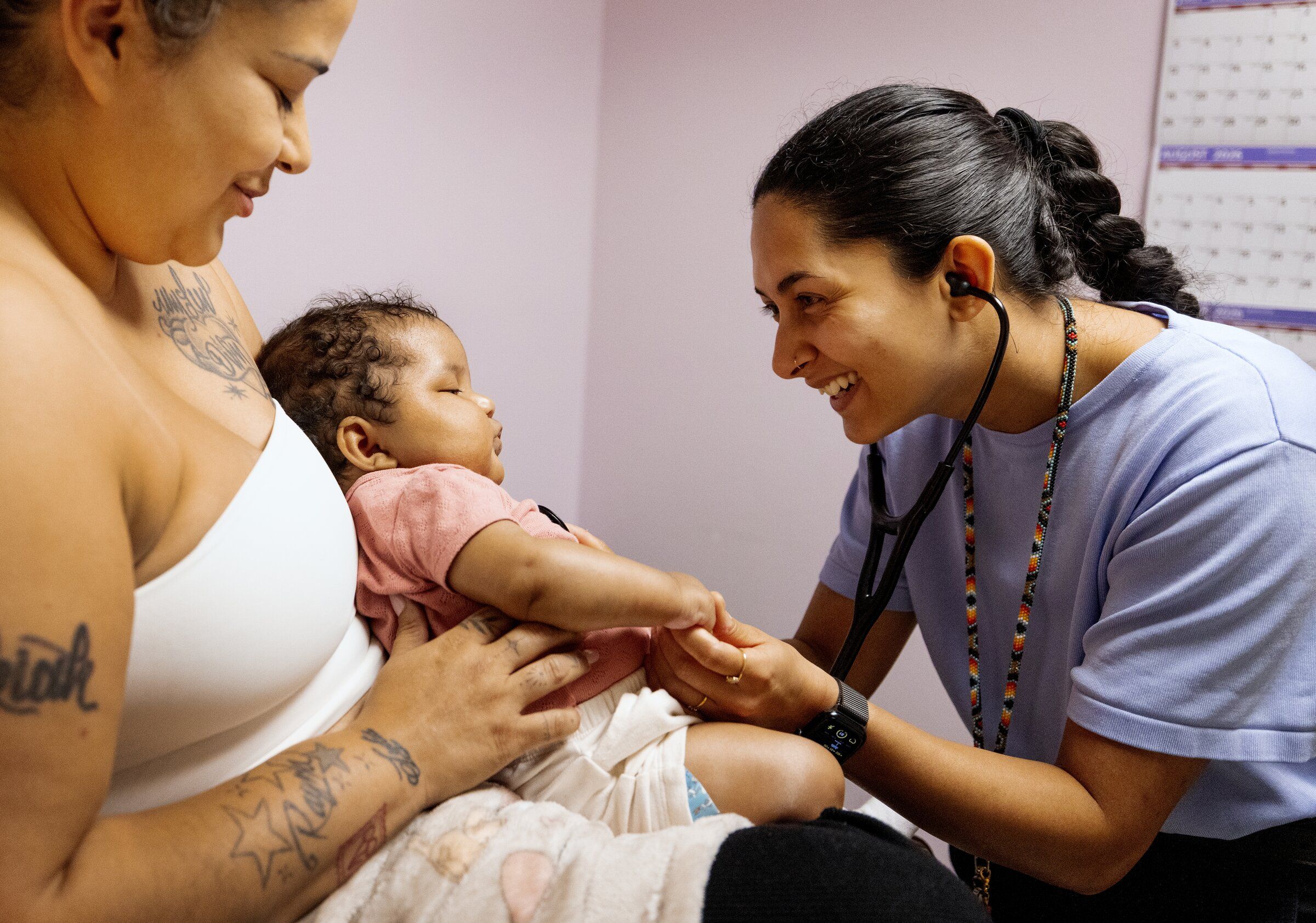
For Reyna Berce, visits with her baby to Dr. Ashwini Vaidhya at the Seattle Indian Health Board clinic have become an important part of family life. Berce says the doctor was attentive, observant, and did not judge her during pregnancy, so she wanted to keep receiving care there for her whole family. The news that physician residents like Vaidhya will soon no longer work at the clinic was a devastating blow.
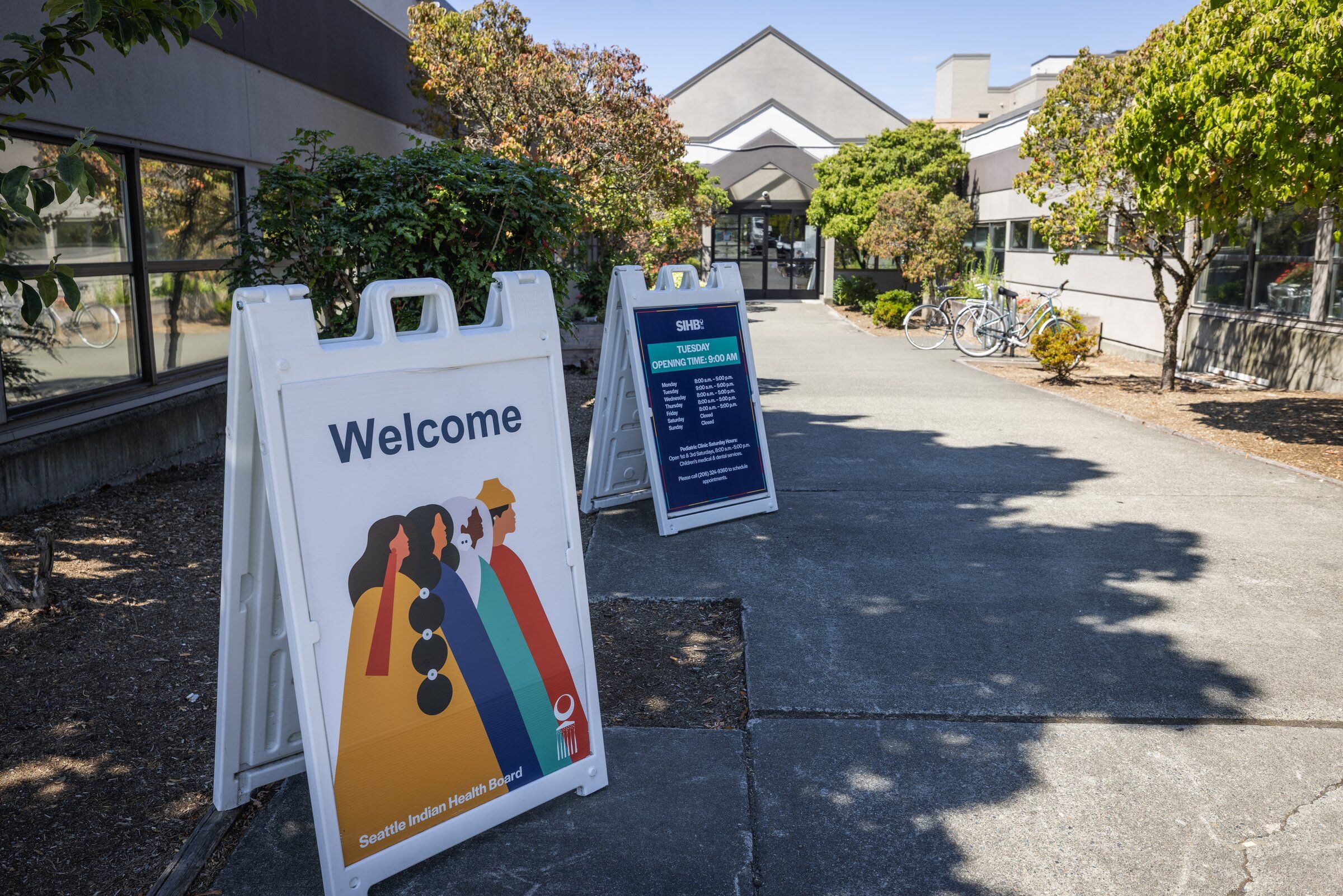
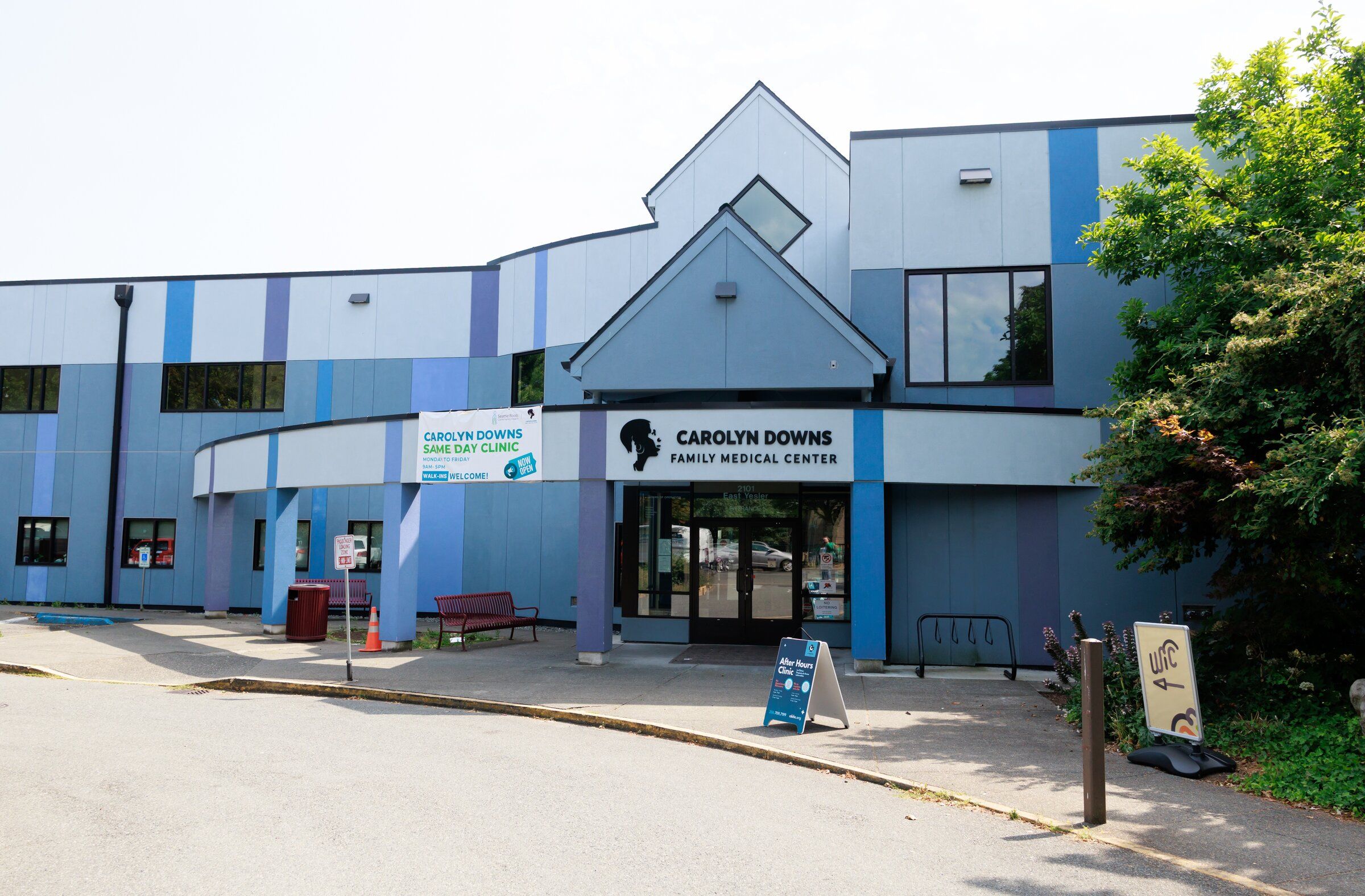
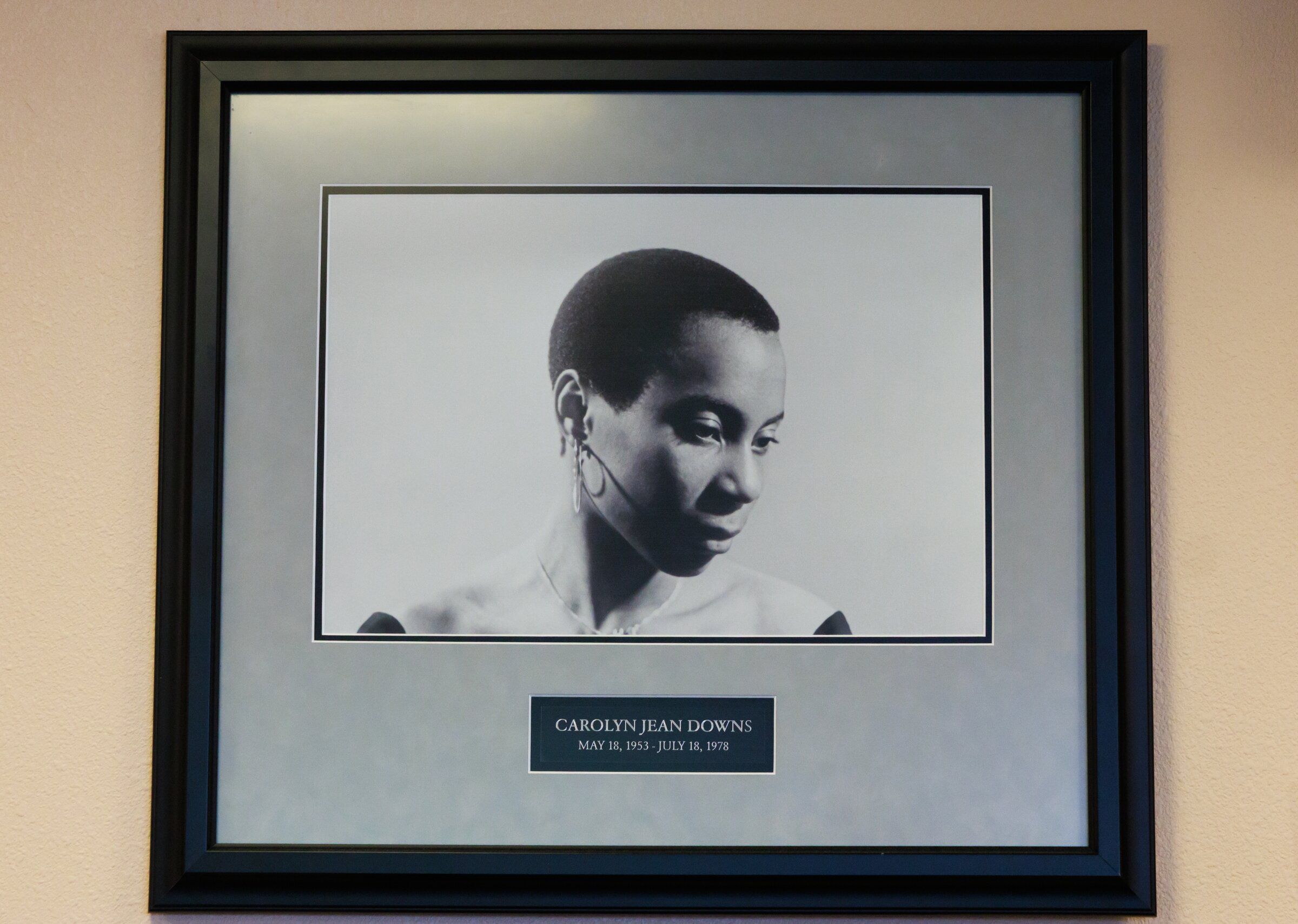
The changes are tied to Providence Swedish’s decision to scale back some of its partnerships for training doctors with community medical centers. Starting in 2029, family medicine residents will no longer train at Seattle Indian Health Board, International Community Health Services, and Carolyn Downs Family Medical Center, part of the Seattle Roots network. Seattle Roots is a network of community health centers in Seattle where residents are not only treated, but future doctors are trained as well. Carolyn Downs Family Medical Center remains the only one of 13 clinics created by the Black Panther Party in the 1960s and 1970s that continues operating: it has weathered financial troubles, changes in the health care system, and has maintained strong support from the local community. The hospital combines its First Hill and Cherry Hill programs and is cutting 18 positions over four years—about a quarter of all roles.
Providence Swedish says the move is driven by expected financial losses tied to upcoming Medicaid changes, as well as a major $1.3 billion construction project on the First Hill campus. Changes in Medicaid could reduce funding for care for low-income patients, while construction work could temporarily complicate the hospital’s operations and its training programs. Clinic leaders, former and current residents, and patients acknowledge that serious economic pressures are being put on the hospital, but they say it is especially painful that low-income and nonwhite communities will be hit hardest. Experts warn that this could further strain local clinics and worsen the shortage of doctors in Washington state.
Former resident Sunmi Wentzel, who completed the Cherry Hill program in June, said it was her work at Seattle Indian Health Board and ICHS that made the residency special. She relocated across the country for the program and called it a “dream program.” She said it’s rare for a family medicine residency to include clinical training at clinics that mostly serve Asian patients and Pacific Islanders, as well as Black, Indigenous, and Latino communities. For patients like these, it is especially important for doctors to train not only in major hospitals, but also in community centers, where they face—every day—language barriers, distrust of the health care system, poverty, and cultural differences.
The partnerships are designed to benefit both residents and clinics. Residents receive required clinical experience and run their own patient panels, while the medical centers gain additional physician support and broader reach. ICHS chief physician Jeffrey Gibbs says the model teaches future doctors culturally sensitive care for immigrants and patients who often lack access to medicine. He added that losing six residents will hit the system because together they typically care for about 2,000 patients.
Gibbs worries that reducing positions will shrink the long-term pipeline of primary care physicians trusted by patients in Asian American and Pacific Islander communities. When current residents finish training, their patients will be assigned to existing physicians rather than passed on to new residents. Seattle Roots at Carolyn Downs executive director Brandy Taylor called the decision “deeply disappointing” and said that after 2029 there is no clear, simple way to preserve such training. In her view, Washington cannot afford to lose programs that prepare doctors for the future health care system.
At Providence Swedish, officials say they continue to support underserved patients and physician training, but they do not disclose why these specific partnerships were kept rather than others. The hospital says it wanted to retain sites capable of providing broad training. It says current residents will not have anything changed for them, and this year recruitment has remained at the same level. However, starting next year through 2029, the program will take six fewer people.
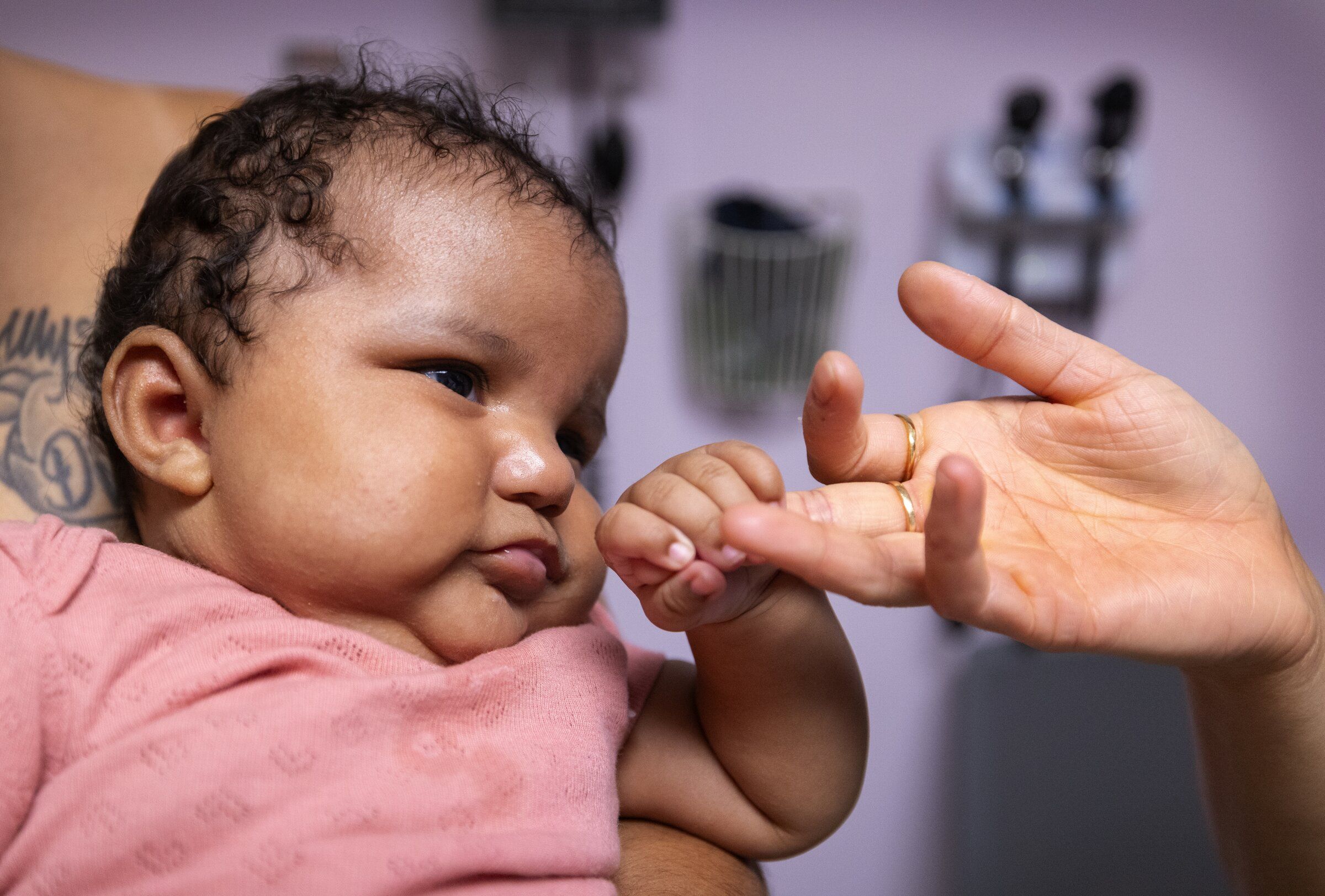
Even after the cuts, Providence Swedish says its family medicine residency will remain the largest in the state, with 51 positions. The rural family medicine program, with nine residents, will be affected only minimally. And at Seattle Indian Health Board, Dr. Vaidhya says it was especially important for her to work with patients like Berce and her five-month-old daughter Naziyah. She has one more year of residency left and plans to keep working at the clinic and learning from patients and mentors.
Vaidhya writes that this kind of format is at the heart of family medicine—caring for a person in all circumstances of their life. She believes that reducing positions will deprive future physicians of the chance to learn how to help American Indians and Alaska Natives, including in obstetrics and traditional medicine. Berce, who is a member of the Turtle Mountain Band of Chippewa Indians, says good doctors and the opportunity to train them matter not only for clinicians, but also for the communities themselves.
This concerns future doctors as well. David Van said he put Swedish Cherry Hill and Seattle Roots at the top of his list of desired programs because of the clinic’s history, its patients, and its work with marginalized groups. He noted that Seattle Roots was founded by the Black Panther Party and remains the only one of 13 original clinics that is still operating. According to him, the program was created as a path for people from historically disadvantaged communities to be able to care for patients like those communities they serve.
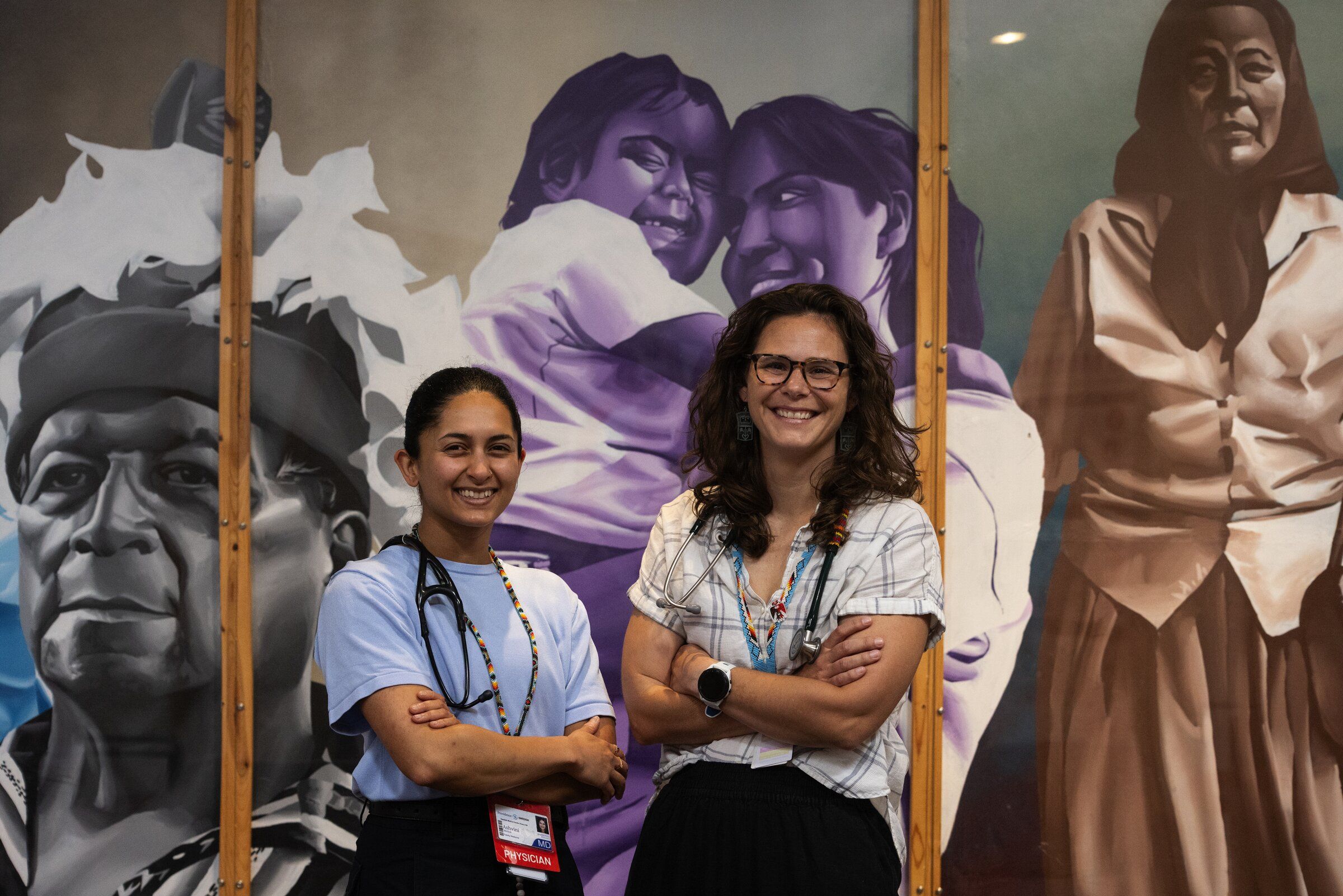
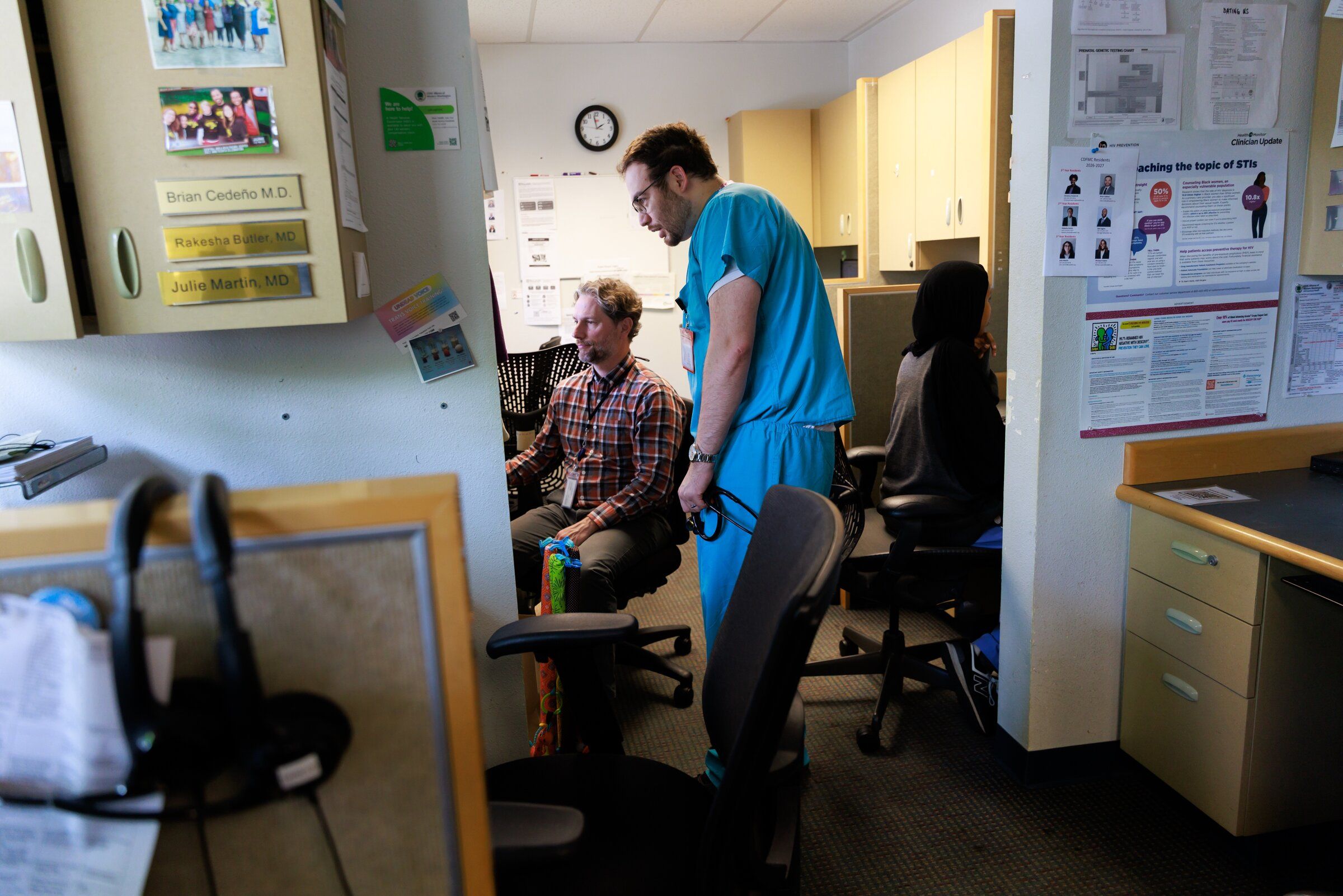
Van called the cuts “so discouraging,” and Brian Sedeño called them “heartbreaking.” He said that his residency at Seattle Roots taught him how barriers to accessing care shape trust between a doctor and a patient. He works with Spanish-speaking patients, interpreters, and physician educators, and he believes experience in a community health center is invaluable. Clinic leaders say that despite the blow, they intend to continue training new physicians because for their communities it is a question of the future, not just today.
Based on: Seattle clinics and resident doctors heartbroken by hospital cuts