Seattle closed out the 2026 cruise season with record figures: approximately $1.2 billion in economic benefits, nearly two million passengers and 330 ship calls, while two-thirds of the vessels used shore power. At the same time, the city allocated $4.6 million to decarbonize nonprofit and affordable-housing buildings, replacing gas equipment with heat pumps as part of its efforts to reduce emissions. In addition, the fall session of Seattle Restaurant Week runs from October 18 to 31: more than 250 establishments are offering fixed-price menus ranging from $20 to $65, while a Seattle Times editor selected the best $20 options—from Hong Kong cakes to schnitzel at Palace Kitchen.
Seattle’s 2026 Cruise Season: Record Passenger Numbers, a Billion-Dollar Economy and a Shift to Shore Power
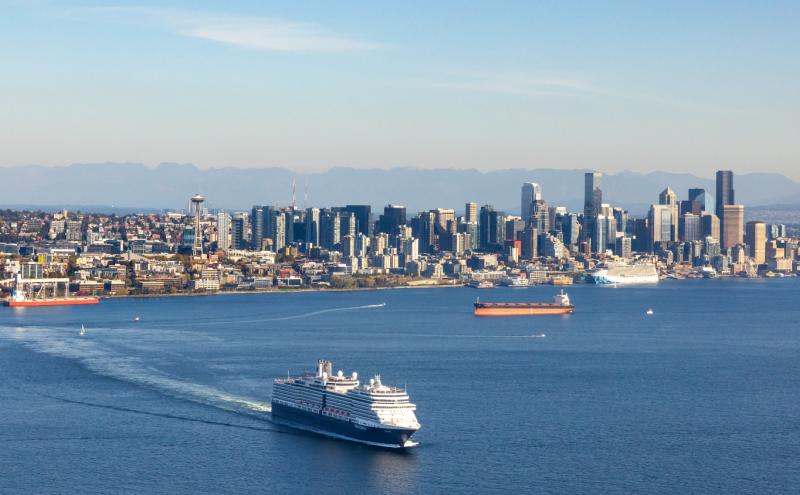
Seattle’s cruise industry ended the 2026 season with a whole set of records. The Port of Seattle announced that the season generated approximately $1.2 billion in economic benefits for the region and supported more than 5,120 direct and indirect jobs. The number of ship calls reached 330, while the number of “revenue” passengers—those who purchased cruises—approached two million. Against this impressive backdrop, the port also reported progress on its environmental agenda: two-thirds of vessels used shore power this season, and Elliott Bay saw its first liquefied natural gas bunkering operation. The season also marked the debut of two new cruise brands—MSC Cruises and Virgin Voyages—intensifying competition for passengers on Alaska routes.
Economically, Seattle has cemented its status as the main gateway to Alaska for travelers from the United States and around the world. The cruise sector has been described as the port’s fastest-growing maritime business, and this is more than rhetoric: the increase in homeported vessels from 14 to 16 and the expansion in the number of brands from eight to 10 in a single year are clear evidence that major operators see Seattle as a reliable and promising base. It is important to understand what a homeport is: a vessel is based here for the entire season, meaning passengers fly into the city, stay in hotels, eat at restaurants and spend money before and after their cruise. It is this multiplier effect that generates that billion-plus dollars. In an interview published in the port’s press release, Port Commissioner Sam Cho emphasized that cruising supports thousands of jobs and remains an engine of growth, while also stating that economic growth and environmental stewardship can go hand in hand.
The environmental section of the report deserves separate attention, because it is what distinguishes Seattle from many other ports. Shore power, also known in the industry as cold ironing, is a technology that allows a vessel at berth to shut down its diesel generators and connect to the municipal power grid. This is critically important because idling engines are one of the main sources of emissions in coastal cities. During the 2026 season, 66 percent of vessels connected to shore power at all three berths, avoiding the release of approximately 1.52 tons of diesel particulate matter and more than 6,189 tons of carbon-dioxide equivalent. The figures may seem modest compared with global totals, but diesel particulate matter (DPM) is one of the most dangerous pollutants affecting local air quality and is associated with cancer and respiratory diseases, so reducing it has a direct impact on residents’ health. The port aims to raise shore-power use to 100 percent by 2028 and will continue expanding infrastructure at Pier 91 this fall, including dredging and berth electrification, so that every vessel can connect without exception.
The experiment with liquefied natural gas also deserves mention. Princess Cruises’ Star Princess became the first vessel to bunker—that is, refuel with—LNG in Elliott Bay. LNG burns more cleanly and produces fewer air pollutants, while 3 percent of the fuel used in the operation came from renewable sources. The port highlighted the coordinated work of the Coast Guard and Seattle Fire Department, which ensured the procedure was conducted safely, as LNG requires special handling protocols. According to the port, the experience will inform its further strategy for transitioning to sustainable fuels. It is worth noting that LNG is not a cure-all but rather a transitional technology: it reduces sulfur and particulate emissions but remains a fossil fuel. For that reason, a combination of shore power and alternative fuels is viewed as a phased path toward decarbonization.
The season also had a notable “human” side. The Port Valet program, which allows cruise passengers to check their luggage directly on board and collect it at Seattle-Tacoma International Airport, handled more than 187,000 bags. This is not a minor detail but a carefully considered economic strategy: tourists freed from their luggage are more likely to stay in the city for an extra day, visit attractions and spend money at local businesses, turning a transit stop into a full-fledged tourist visit. It is also significant that both newcomers—the MSC Cruises vessel Poesia, which sailed on Mondays, and Virgin Voyages’ Brilliant Lady, which departed on Thursdays from Terminal 91 and offered an adults-only format—confirmed they would return in 2027. Renee Limoges-Reeve, vice president of Cruise Lines International Association, noted that the growth in vessels and brands is accompanied by investments from both the port and operators in infrastructure and technologies designed to improve energy efficiency and reduce emissions.
The outlook is moderately optimistic: for 2027, the port expects 326 ship calls and approximately two million passengers. That is slightly below the 2026 record in terms of calls but comparable in passenger volume. The season’s main conclusion is that Seattle has managed to turn the cruise boom into a sustainable economic model while incorporating environmental commitments—from expanding shore power to experimenting with cleaner fuels. It is precisely this balance between record revenue and investment in emissions reductions that makes Seattle’s experience instructive for ports around the world facing the same dilemma between tourism growth and residents’ quality of life.
Seattle Invests Millions in “Clean” Buildings: How the City Is Cutting Emissions Through Affordable Housing
Seattle has allocated $4.6 million to modernize buildings owned by nonprofit organizations and used for affordable housing. The money will go toward replacing gas equipment with electric heat pumps—from a historic hotel for people experiencing homelessness to a cathedral and a children’s research laboratory.
The Building Decarbonization Grants program, administered by the city’s Office of Sustainability and Environment (OSE), distributed funding among nine recipients this year. This is the program’s third grant cycle, and city officials say demand is growing: 53 applications were submitted, requesting nearly $26 million—$8 million more than the previous year.
The context is important: buildings account for 41% of Seattle’s greenhouse-gas emissions. That is why the city adopted the Building Emissions Performance Standard (BEPS), which requires most large buildings to achieve net-zero emissions by 2050. The grants help owners prepare for these requirements in advance through either design work or completed modernization projects.
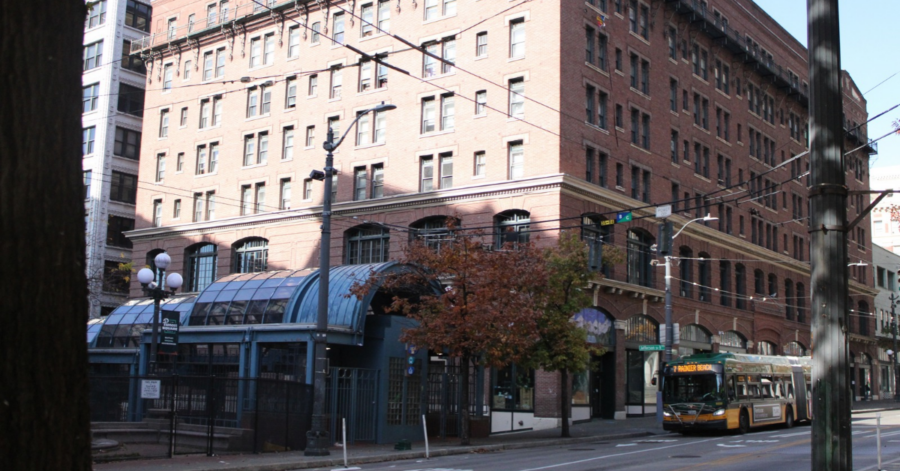
Recipients include Brighton Communities, which received $540,000 to replace gas heating systems, stoves and water heaters with electric alternatives in 124 apartments for older adults. The Downtown Emergency Service Center received $300,000 to replace gas-fired ventilation units with heat pumps at the historic Morrison Hotel, which houses formerly homeless people with disabilities. Plymouth Housing Group, which provides housing for people who have experienced homelessness, received the largest grant—$2 million for design and modernization work involving a central heat-pump system. Nihonmachi Terrace in Chinatown, where 50 very low-income families live, received $450,000—enough to fully replace its failing gas boilers and reduce gas consumption by approximately 90%. As InterImCDA co-chair Leslie Morishita noted, one boiler has already failed permanently, while the second is in critical condition, leaving residents without backup heat or hot water.
What is particularly interesting is that the program treats climate policy not as an abstract goal but as a tool for social justice. Mayor Katie Wilson explicitly says affordability and climate action go hand in hand: modernization lowers energy bills and improves air quality, especially for those most affected by heat and smog—low-income families and vulnerable communities. Curtis Brown of Brighton Communities puts it even more sharply: “By replacing fossil fuels with heat pumps, we are proving that decarbonization and preventing displacement are the same fight.”
The funding comes from the JumpStart Payroll Expense Tax, a payroll tax on large companies. The mayor’s budget for next year includes money to continue the program in 2027. Six of this year’s nine recipients completed training through the Seattle Building Emissions Navigator program, which provides free advice to owners of buildings larger than 20,000 square feet.
There are also encouraging figures: according to the city’s emissions inventory, building emissions fell by 14% between 2022 and 2024. The impact of BEPS has not yet been included, however—and forecasts suggest that the law alone will reduce building emissions by approximately 27% by 2050. The city is also upgrading its own facilities: more than 25 of 175 municipal buildings are already fully electrified, and the rest are expected to reach that status by 2042.
What do the terms mean? A heat pump is a device that does not burn fuel but transfers heat from the air or ground while running on electricity, so it produces no on-site emissions. BEPS is a city law establishing emissions limits for large buildings, with a schedule for gradually tightening those limits. JumpStart is a progressive tax on large businesses that Seattle uses to fund affordable housing and climate programs. The broader story is about how a municipality is trying to connect its climate agenda with its social agenda without leaving behind people living in the most vulnerable conditions. More details about the program are available in the city’s official announcement.
What to Try at Seattle Restaurant Week for $20: Four Editor’s Picks
The fall session of Seattle Restaurant Week returns from October 18 to 31, with more than 250 establishments across Seattle and neighboring cities taking part. Chefs are offering special menus at four fixed prices—$20, $35, $50 and $65 per person. The full list of restaurants, menus and an interactive map are available at srweek.org, where selections can be filtered by neighborhood, cuisine and price category. A new feature this season is the digital Give a Meal Passport: guests collect stamps at restaurants that donate part of their proceeds to charitable meals, while participants through October 28 have a chance to attend the James Beard Foundation’s Taste America: Seattle event. Notable local chefs such as Johnny Reyes of Lenox, Janet Becerra of Pancita and brothers Chinh and Thai Nguyen of Ramie will be attending.
The $20 menus are especially appealing. The promotion’s press release specifically highlights budget options ranging from fusion tacos at Lupe’s Situ Tacos in Ballard to Noodle/Bar in South Lake Union, which recently appeared on Seattle Times journalists’ list of favorite lunch spots. A newspaper editor selected four establishments, one in each category—snacks, brunch, lunch and dinner—and assessed how generously they fill the plate for the modest price.
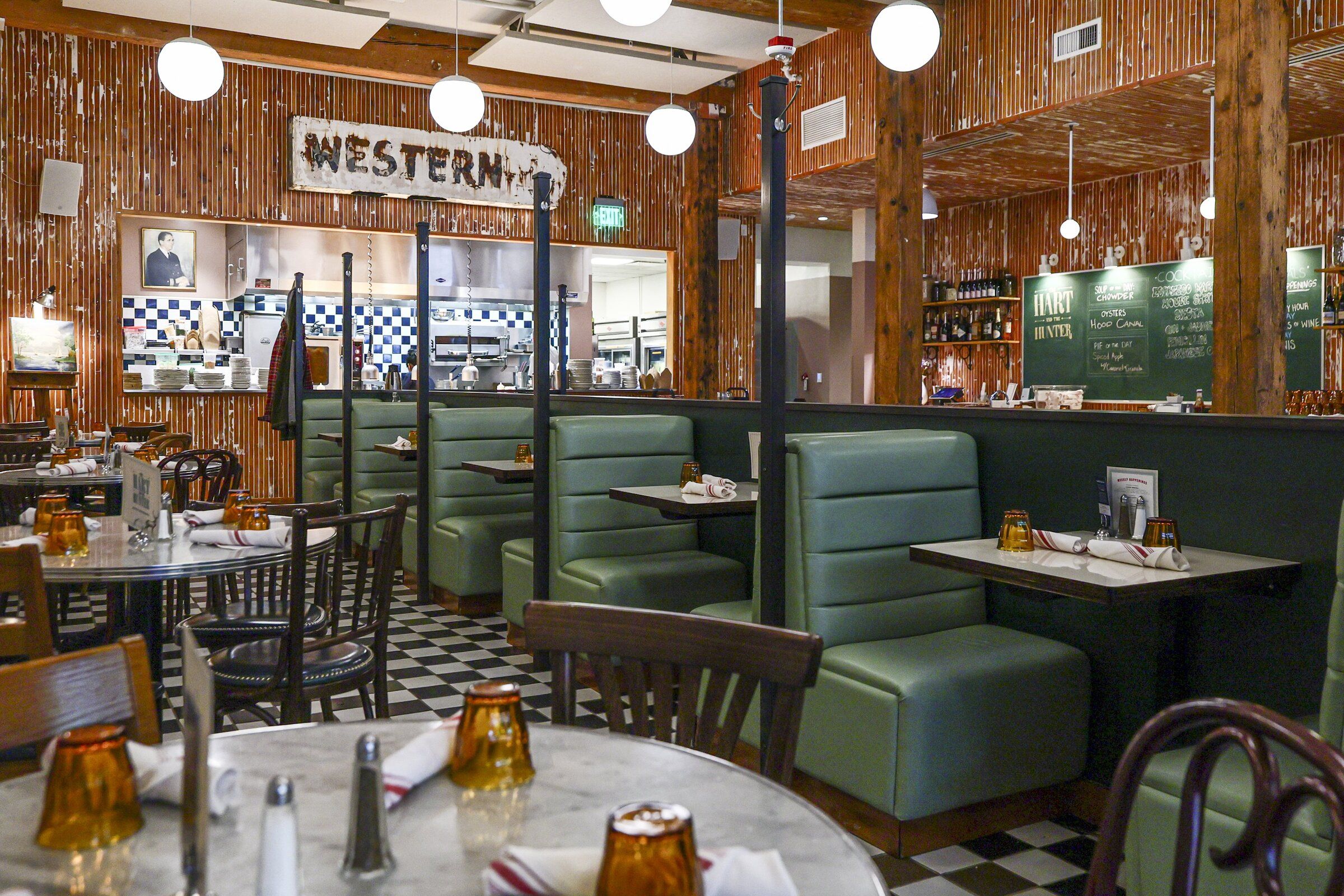
In the dessert-snack category, Anh Ơi Bake Shop in the Japantown section of the Chinatown–International District (314 Sixth Ave. S.) stands out. Earlier this year, Seattle Times food critic Tan Vinh noted that the place “looks more like an art gallery than a bakery,” where a wide range of local bakers showcase their signature Asian sweets. During the two-week promotion, from Wednesday through Sunday, the bakery is offering an olive honey cake and a Hong Kong milk-tea coffee cake—$12 for one or $20 for both. The $20 brunch selection is limited, but the editor mentions vegan Cafe Red in Othello, which offers a sandwich or burrito, a hash brown, and a medium latte or matcha. The editor’s own pick, however, is The Hart and the Hunter on Pine Street (109 Pine St.). This restaurant, with its “very cute faux-diner vibes and plenty of exposed wood,” was included earlier this year by Jackie Varriano among her favorite Seattle hotel restaurants. For $20, it serves a mimosa and biscuit to start, followed by a choice of biscuits and gravy, oatmeal, a club sandwich, beet salad or eggs Benedict. As the author notes, it is almost impossible to find eggs Benedict in the city for $20, especially when a mimosa and biscuit are included.
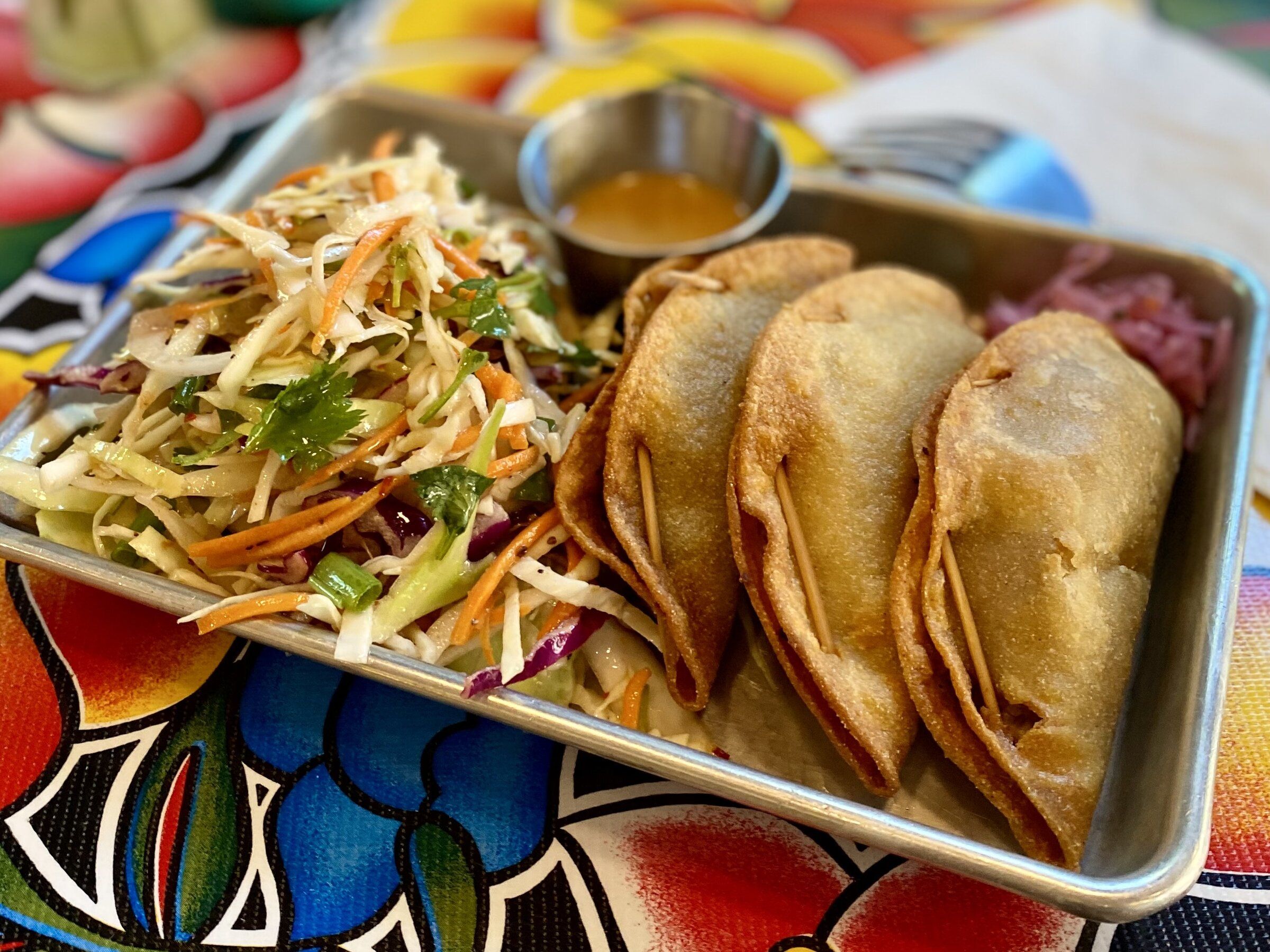
For lunch, consider Tamari Bar on Capitol Hill (500 E. Pine St.), a popular happy-hour spot. It serves a $20 bento box from noon to 2:30 p.m. daily except Monday, featuring tender sirloin steak, grilled chicken, rice and mushroom macaroni salad. The box’s contents may change, as the restaurant’s flyer warns. Other $20 lunch options include the aforementioned Lupe’s, with two tacos, an eight-ounce soup and Mexican coleslaw; Azuki, with a miniature serving of homemade udon, assorted tempura and Japanese steamed egg custard; and Gold Coast Kitchen, where guests can choose between a hand pie or plantains and either a suya burger or red-red stew with black-eyed peas.
For dinner downtown, Tom Douglas’s Palace Kitchen wins the title of “most creative promotion” by “renaming” itself Schnitzel Kitchen for these two weeks—this is actually what the flyer says. For $20, it serves a schnitzel royale with a fried pork cutlet and french fries. A larger $35 portion adds grilled sausage and pork belly, replacing the fries with buttered potatoes. Among other restaurant-group options, the author names Agave Cocina & Cantina in Kent and Redmond, its related Cava Azul in Woodinville, and the new Marina Azul at the Port of Everett, as well as Johnny Mo’s, where $20 gets you half a Caesar salad, a 14-inch pizza and dessert. The promotion’s context and full list of participants are available on the Seattle Restaurant Week website, while the original article with the editor’s recommendations was published on The Seattle Times website.
A few concepts are worth explaining. Restaurant Week is a recurring restaurant-industry promotion in which establishments offer fixed-price menus at reduced prices to attract guests during a typically slower season. In Seattle, it takes place twice a year, and based on the dates in the article, this session is part of the 2026 program. The Give a Meal Passport is a digital loyalty program: visitors collect virtual “stamps” at participating restaurants that donate part of their proceeds to charitable meals and, in the process, enter a ticket drawing. The James Beard Foundation is an influential American organization that presents one of the most prestigious awards in the culinary world; Taste America is its traveling event featuring prominent chefs. A bento box is a Japanese lunch set with several compartments for different dishes, while “happy hour” refers to a period when bars and restaurants offer discounts. Eggs Benedict is a classic breakfast of a poached egg served on a toasted English muffin with ham or bacon and hollandaise sauce—something that usually costs considerably more than $20 on Seattle menus.
The article’s main conclusion is that a $20 menu is by no means synonymous with a skimpy portion. The editor selected options where guests get a full meal, a drink or dessert—and sometimes all of them—for a modest price. At the same time, the author honestly acknowledges that the brunch selection is minimal, while lunch and dinner offer many more worthwhile choices. A practical recommendation for anyone planning an outing is to check the menus and filters on srweek.org in advance, remember that the Tamari Bar bento is available only until 2:30 p.m. and not on Mondays, and note that the passport promotion ends on October 28—before Restaurant Week itself—because the Taste America ticket drawing is tied to the November 1 event. For restaurants, meanwhile, the promotion is an opportunity to raise their profile during the off-season. It is no coincidence that Palace Kitchen stages an entire renaming spectacle, while Anh Ơi turns a sweets tasting into a kind of tour of the local pastry scene.