
King County Superior Court Judge Samuel Chang ruled that visiting Denny Blaine Beach without a top is permitted, including in areas previously designated as "required clothing." The decision marks a new chapter in the long-running dispute over Seattle's unofficial nude beach, which also serves as an important gathering place for the LGBTQ+ community. Historically, the Lake Washington beach has been a refuge for queer people since the 1970s, when openly expressing one’s identity in public was risky. Located in the quiet Madison Park neighborhood, it became a place where community members could gather without fear of persecution and over time evolved into a cultural tradition, especially for gay men. The ruling followed a request from local advocacy group Friends of Denny Blaine, which asked the court to confirm that visitors are not required to cover their torsos regardless of sex or gender identity.
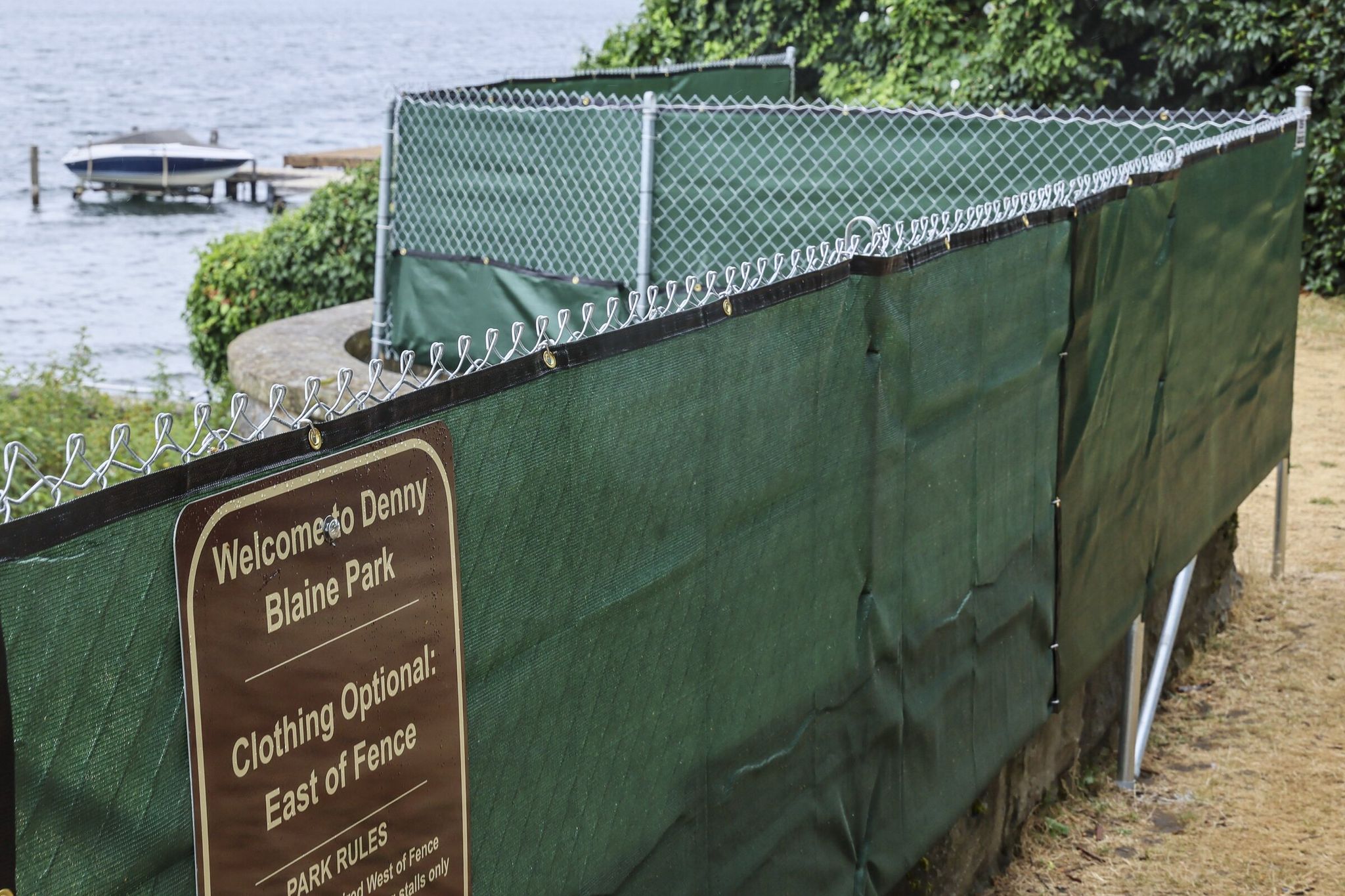
The conflict over the beach intensified after an anonymous group of neighbors, Denny Blaine Park for All, sued the city last spring, accusing officials of mismanagement and allowing indecent and illegal behavior. In response, the court ordered the city to develop a plan to eliminate public masturbation and sexual acts, which led to fences, signs, and a designated "required clothing" area being installed in August. Activists, however, say private security guards hired by a local homeowner have unfairly targeted topless sunbathers—particularly women and people perceived to be women. It’s important to note that a private guard’s authority on a public beach owned by the city of Seattle is extremely limited: a guard cannot arrest people, eject them from the beach, or use force without a clear law being broken in their presence. Homeowners do not have the right to hire a guard to police public property, and if a guard exceeds authority, it can amount to unlawful detention or a civil-rights violation.
According to Friends of Denny Blaine, guards repeatedly told visitors in the "required clothing" area to cover up and reported them to police, which the group says violates laws prohibiting sex-based discrimination. Activists emphasize that such actions threaten a "rare safe space" cherished by Seattle’s LGBTQ+ community. Notably, police and park rangers have consistently refused to cite topless visitors because the city has no law forbidding being bare-chested in public.
City officials, unexpectedly to some, sided with the beach’s defenders in their court filing, stating that the plan to address violations "does not require covering torsos in required-clothing areas." That statement effectively removed one of the neighbor group's key arguments. Denny Blaine Park for All, for its part, said it is not opposed to the topless ruling because "it does not affect the legal action or current conditions in the park," insisting their case concerns safety and illegal activity, not clothing.
The underlying lawsuit is ongoing, with a preliminary hearing scheduled for the end of this month. In the meantime, Judge Chang’s decision allows visitors to Denny Blaine Beach to enjoy the site’s historic atmosphere of freedom without fear of harassment by private security. "This is a public beach, a historic gathering place for the queer community, where no one should have to wonder whether their body will be a problem for a neighbor’s guard," Friends of Denny Blaine said, celebrating the temporary victory.
Based on: Denny Blaine Park’s nude beach: Judge rules toplessness can continue