
The Seattle City Council is scheduled to vote on the 2027 budget on Friday, November 20, after substantially revising Mayor Katie Wilson’s September proposal. The council’s committee has already approved amendments that add a net $36 million in General Fund spending in 2027, including $31 million designated as one-time funding. The debate is not so much about whether firefighters, housing, transportation and victims of violence need help as whether those needs can be funded with money that may not be available next year.
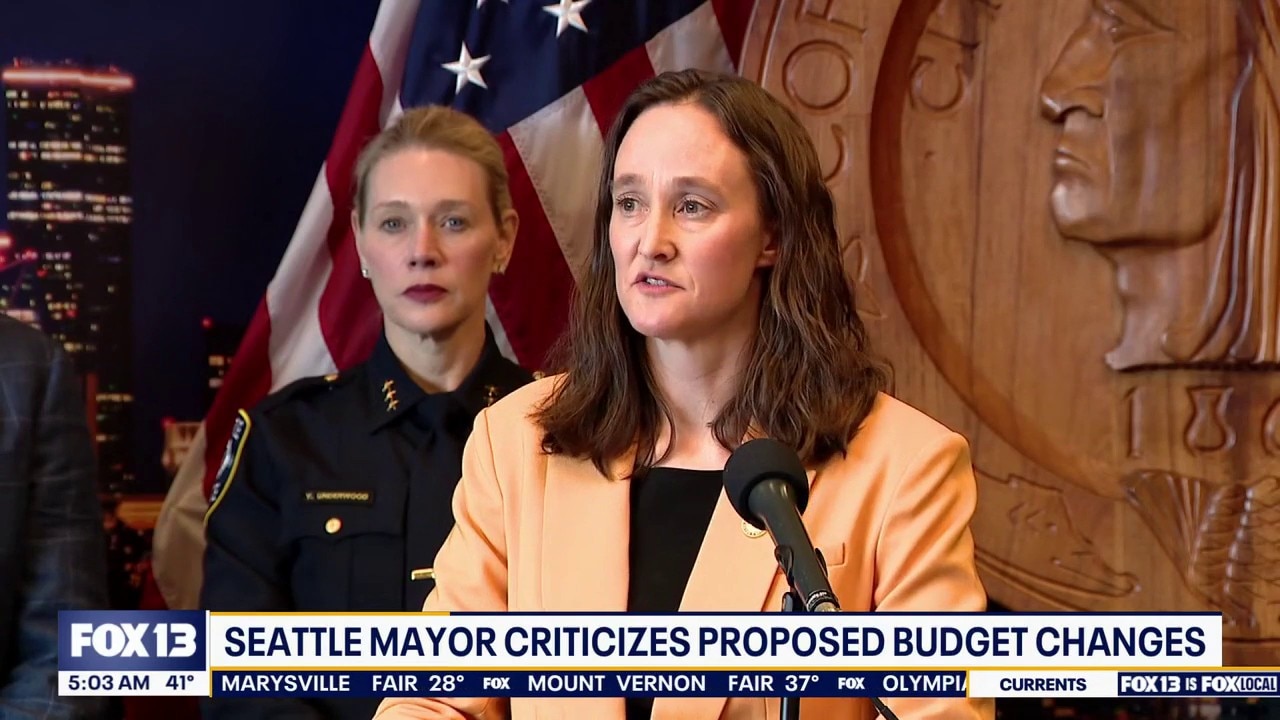
Wilson’s September proposal was the first budget of her administration and was built around an idea unusually stark for Seattle: first stop the chronic shortfall, then expand programs. The mayor inherited a structural General Fund gap the city estimated at $175 million. Her $9.1 billion plan for 2027 was intended to put the budget on a path to balance through 2030, cutting annual General Fund spending by about $50 million and eliminating 128 positions, including 15 filled jobs.
But this was not an austerity budget in the usual sense. Wilson maintained $183 million in ongoing investments to address homelessness and allocated $37 million to rapidly create nearly 1,000 shelter spaces by the end of 2027. The proposal also included free breakfast and lunch for all Seattle public school students, support for food banks, assistance for immigrants and refugees, and funding for 1,250 police positions. But the mayor deliberately ruled out new taxes and drawing on reserves, opting instead for cuts and reallocations.
The council, however, saw a risk that these limits could undermine city services already in operation. A package prepared by Budget Committee Chair Dan Strauss restores $7.1 million a year for Fire Department overtime—the funding the mayor’s office had proposed cutting. Firefighters warned that otherwise some crews could be taken out of service more often on a temporary basis in various neighborhoods. The council also added funding to investigate serious crimes and clear more than 1,700 backlogged cases involving domestic violence, stalking, elder abuse and sexual offenses.
On housing, the council proposes raising investment to a record $352.7 million in 2027—$5 million more than the mayor’s plan. The package also includes funding for a program serving people who live in their vehicles: it is to get a second safe parking site with access to services. Other smaller but tangible city expenditures include safe routes to schools, local traffic-safety projects and preserving work on Rainier Avenue.
Wilson’s main caveat is that much of this money is available only once. According to the mayor’s office, the council has not identified more than $20 million of the added 2027 spending for 2028. City Budget Director Ali Penucci had previously warned that if many of today’s “one-time” items effectively become ongoing commitments, Seattle could face another shortfall—of up to $41 million. For community organizations and city departments, this is not an abstract accounting issue: a program launched as a one-time effort quickly creates expectations among staff and the people who rely on it.
The council sees the risk differently. Strauss argues that his package preserves the city’s reserves and keeps the budget balanced through 2030, while preventing current cuts from resulting in sidelined fire crews, lost social services or delayed housing projects. But there is an important caveat to that confidence: part of the financial plan relies on one-time sources and reallocations, including funds tied to the JumpStart tax on large companies and high salaries.
The firefighters’ pension fund has become a separate complication. The administration proposed using funds from its actuarial account to free up General Fund money, and Strauss expanded that measure. The firefighters’ pension board has filed a lawsuit, and the firefighters’ union opposes the changes, although city officials and the budget committee chair insist that legally guaranteed benefits for current and future retirees will not be affected. On Friday, the council must approve not just another set of numbers, but a compromise between the city’s urgent needs and a promise to stop plugging today’s budget with tomorrow’s money.

Based on: Seattle City Council primed to pass budget that adds millions in contentious spending