News from Seattle: the transit agency is buying land for light rail, a teenager carried out a shooting at a pizzeria, and the state House majority leader admitted he voted on the budget while intoxicated.
Sound Transit moves forward: acquires land for Ballard and West Seattle light rail expansion
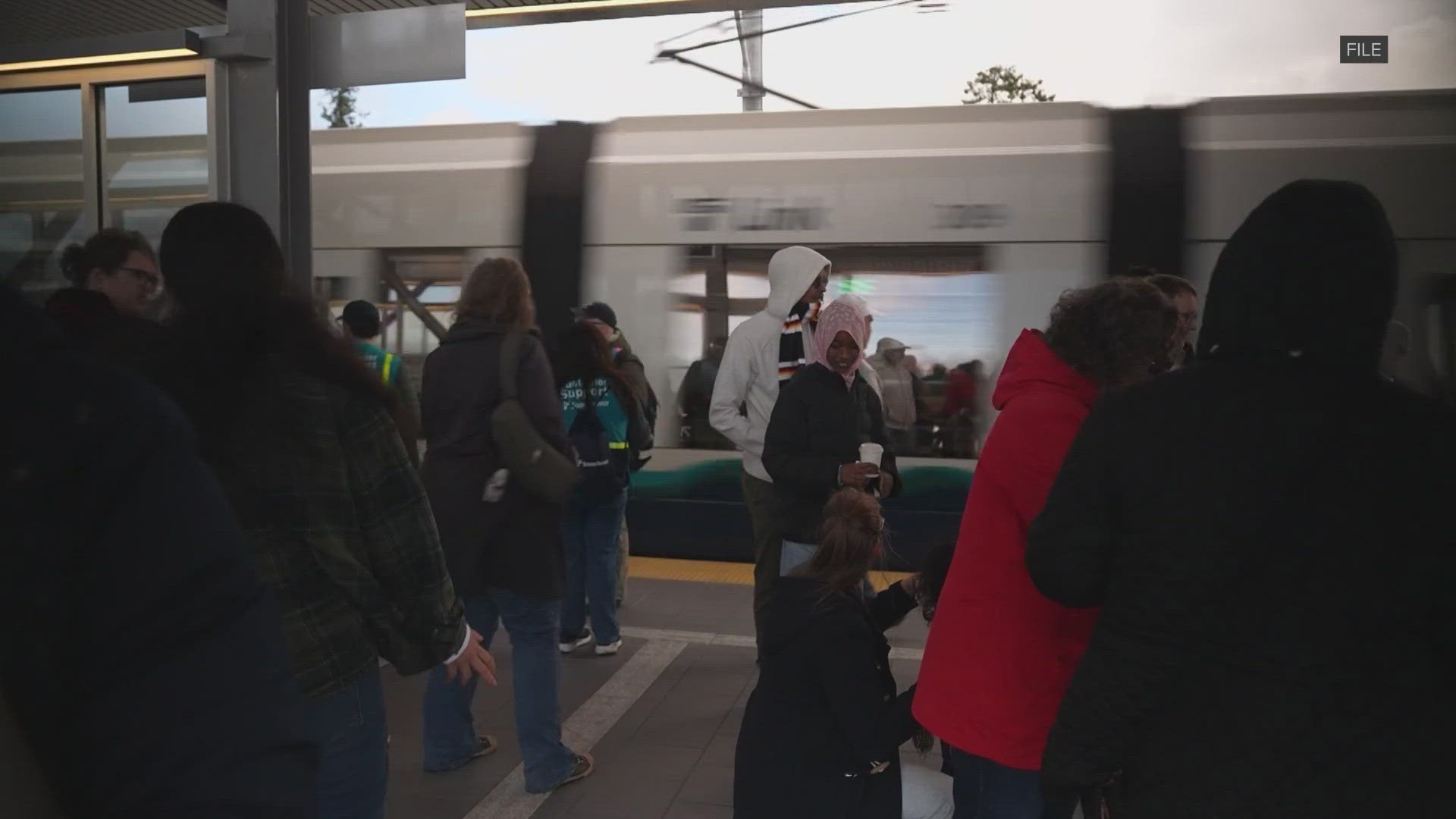
A new practical phase has emerged in Seattle’s ambitious light rail expansion projects. The board of the transit agency Sound Transit approved purchases of key parcels needed for future lines to the fast-growing Ballard and West Seattle neighborhoods. These decisions, detailed in the KING 5 report, mark a shift from planning to active infrastructure preparation despite ongoing financial challenges and long timelines.
For the Ballard line, the purchase of the property at 101 Westlake Avenue N was authorized. This site was designated a “protective acquisition” because the owner, Vulcan Real Estate, had already filed permits to build a mixed-use development. The agency decided that waiting for all environmental and design reviews to conclude could result in the site being developed in ways that would complicate or preclude its use for rail. Notably, the developer responded understandingly, calling the decision “encouraging news” for the system’s future expansion, underscoring the project’s strategic importance for the city. The parcel is needed for the construction, operation, and maintenance of infrastructure in the central segment of the line. Alongside the land transactions, active geotechnical investigations are underway. Specialists are drilling boreholes and conducting pump tests in Midtown, Denny, and Ballard. These studies are critical to understanding soil composition, groundwater levels, and other subsurface conditions that directly affect the design of stations, tunnels, and support structures. For example, such work already led to the temporary closure of the Interbay golf center in February. The fully completed Ballard line—approximately 12.4 kilometers with nine new stations and a second center tunnel—is not expected to open until 2039, with final design and the environmental impact statement anticipated in 2026–2027.
A separate board decision concerns a residential parcel at 3704 20th Avenue SW needed for the West Seattle line. This acquisition has a humanitarian context: the agency noted that priority was given partly because of the current owners’ medical circumstances and difficulties selling a property already located in the future construction zone. Sound Transit is taking responsibility for providing relocation counseling and compensation for residents, a standard but important practice in such infrastructure projects. The West Seattle line—about 6.6 kilometers with four stations—is at a more advanced stage: the final environmental impact statement was completed in 2024, and a federal Record of Decision was issued in April 2025, a key document that completes the environmental review and clears the way for final design.
A key insight is the growing divergence in timelines for two seemingly parallel projects. While the West Seattle line has reached final design stages, the Ballard direction remains in conceptual engineering. This illustrates how project complexity and scale (a second center tunnel, dense development) affect schedules. Financial pressures are the backdrop for both projects. Multibillion-dollar budgets for such initiatives always face scrutiny due to construction cost growth and inflation risks. Approving land acquisitions, particularly the Vulcan parcel, is not only a technical step but a strong signal of the agency’s intent to move forward, securing necessary resources in advance and minimizing future risks and conflicts. These actions lay the material groundwork for transforming Seattle’s transit system, which—albeit over the long term—should significantly improve city connectivity and reduce car dependence.
Teen arrested after pizzeria shooting and attempted carjacking in Seattle
A troubling incident in Seattle involved a 16-year-old teenager. Early Thursday morning he opened fire at a popular Capitol Hill pizzeria and then attempted to carjack a taxi driver at gunpoint. Fortunately there were no fatalities, but several staff and patrons suffered minor injuries from shattered glass. Details from FOX 13 Seattle paint a picture of reckless and dangerous behavior.
Events began around 1:40 a.m. when police received reports of shots fired near 11th Avenue and East Union Street. Officers arriving on scene found a pizzeria struck by several rounds. According to the police report, the teenager had earlier been at a nearby bar, drinking with friends. the bar’s security suspected he was using a fake ID and ejected him. He was escorted to a nearby parked Maserati and sat in the back seat. However, as the car started to pull away, the teenager allegedly leaned out of the rear passenger-side window and fired several shots toward the security staff on the sidewalk. Bullets struck the restaurant’s facade. Police later located the abandoned Maserati nearby; it showed signs consistent with firearm damage and shell casings were found inside. The vehicle was seized as evidence.
While officers were processing the scene, the suspect unexpectedly returned to the area. Seeing police, he tried to flee but tripped and was detained. Shortly afterward a taxi driver approached officers and reported that the same teenager had attempted to take his vehicle at gunpoint. The driver managed to leave and was unharmed. During a search near the arrest site, police found and seized a firearm believed by investigators to have been used in the shooting.
The teen was arrested on suspicion of felony assault and robbery and placed in a juvenile detention center. Detectives have not ruled out additional charges related to illegal possession and use of a firearm as the investigation continues. The incident highlights troubling issues: minors’ access to alcohol and possibly fake IDs, and the ease with which a young person obtained a weapon. That the shooting occurred in the busy Capitol Hill nightlife area raises further concerns about nighttime safety. Fortunately no one was directly struck by gunfire this time, but broken glass caused injuries and serves as a reminder of how quickly a situation can spiral out of control.
Washington House majority leader admits he was intoxicated during budget vote
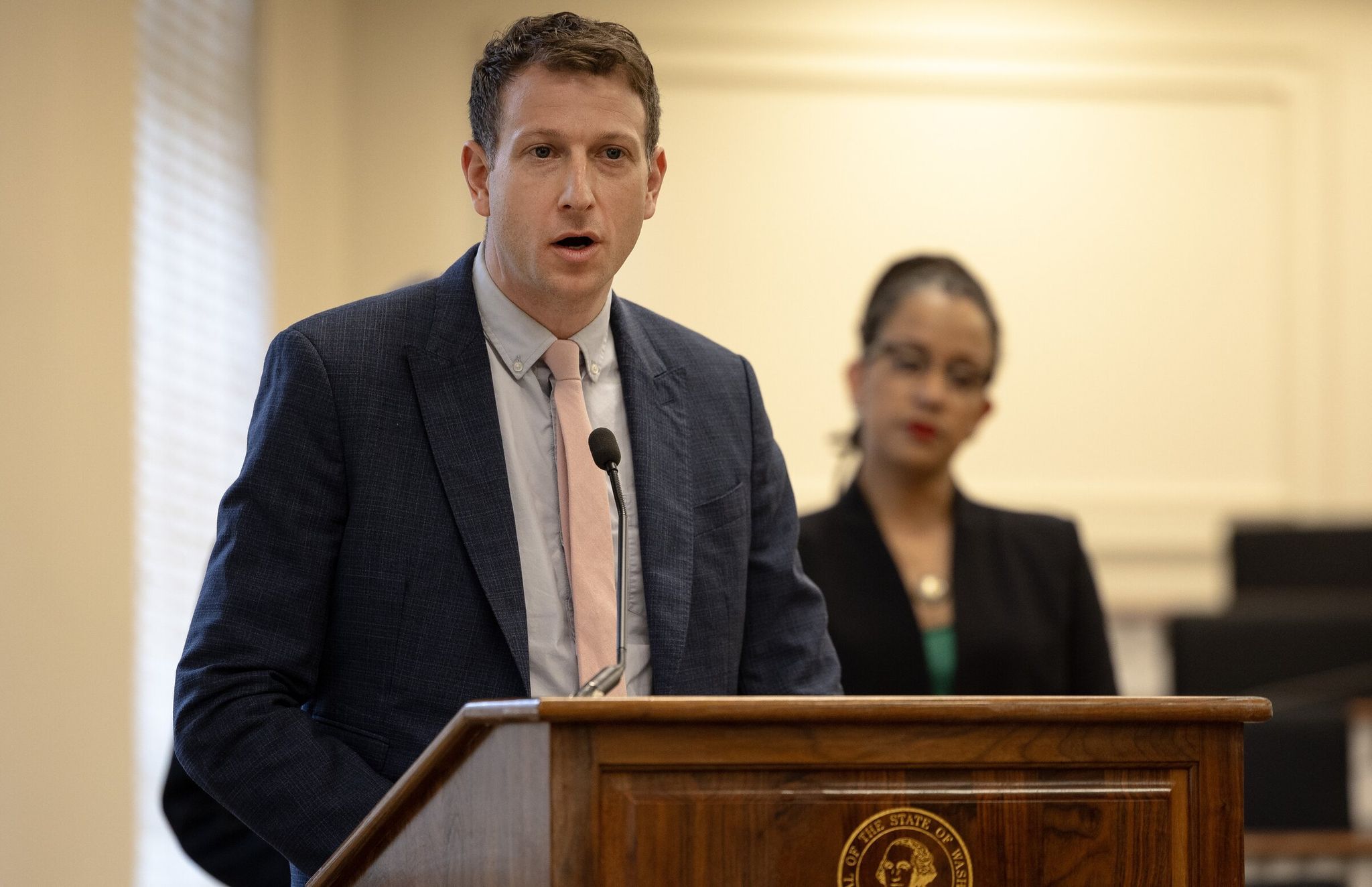
A political scandal has erupted in Washington state over the conduct of a senior legislative official. House Majority Leader Joe Fitzgibbon, a Seattle Democrat, issued a public apology after appearing visibly intoxicated at an evening session of the budget committee. The incident, reported by The Seattle Times, calls into question professional standards and accountability for elected officials at a critical moment—while discussing and voting on supplemental operating budget measures.
The event occurred Wednesday evening at a House Appropriations Committee meeting that ran until about 10 p.m. TVW video of the lawmakers’ session captured Fitzgibbon with a glazed look and slurred speech as he addressed colleagues prior to the crucial vote to move the proposed budget out of committee. Reportedly he left his seat several times and at times sat slumped; a Republican lawmaker who requested anonymity said Fitzgibbon even slept during part of the discussion. In a Thursday statement, Fitzgibbon acknowledged a serious mistake, saying he “deeply” regrets having consumed alcohol before the committee finished its work and that “the result was obvious.” He noted his intoxication harmed his work and colleagues and promised it would not happen again.
Possible disciplinary action remains undecided. House Speaker Laurie Jinkins, also a Democrat, said the caucus expects professionalism in the workplace, and while Fitzgibbon did not meet that standard Wednesday, he acknowledged the misconduct and apologized. She added that Washington residents expect and deserve lawmakers to be fully focused on the work they do on their behalf, and that party leadership supports Fitzgibbon as he takes necessary steps to ensure his well-being. For context: Joe Fitzgibbon has served as a representative since 2010 and became majority leader in 2022, making him a key player in the state’s legislative process.
This incident goes beyond a personal lapse. It casts a shadow over the process of making major state decisions—in this case the budget, which determines funding for a variety of programs and services. A lawmaker’s intoxicated state during a vote raises doubts about the clarity of judgment and the ability to faithfully perform duties. Expressions of support from party leadership may be seen as collegial and understanding of human frailty, but they may also prompt questions about double standards and whether an apology is sufficient in such circumstances. The public has the right to expect the highest accountability from its elected officials, especially when it comes to the distribution of taxpayer money. This case is a painful reminder that public service requires constant vigilance and self-control, and that trust damaged by a single episode is far harder to restore than a public apology.