In today’s digest: the Seattle Mariners fired their hitting coach assistant Bobby Magallanes amid an offensive slump; journalists identified the three teams the club has never made a deal with under Jerry Dipoto; and the Seattle City Council delayed the launch of free meals for all public school students until 2027, introducing temporary meal vouchers for low-income families.
Seattle trade taboos: Which teams the Mariners have never traded with
Since Jerry Dipoto took over baseball operations for the Seattle Mariners in late 2015, the team has become one of the most active clubs on the trade market in Major League Baseball. In that time, the club has pulled off 205 trades—with everyone, except three specific organizations. Analysts and fans are left guessing why that has been the case.
Most striking is the absence of deals with division rivals. The Los Angeles Angels have never traded with Seattle during the Dipoto era. There are several reasons: first, they’re a direct competitor in the AL West, and second, Dipoto previously worked as general manager of the Angels and left under not-so-friendly circumstances. His departure in 2015 midseason, followed by a quick landing in Seattle, may have left a sour taste with club owner Arte Moreno, known for his headstrong style of management. In any case, the Angels have never finished with a winning record in that span, so the lack of mutually beneficial trades is unlikely to be a major loss.
The second club on the list is the Colorado Rockies. That’s especially intriguing given that Dipoto himself played for the Rockies as a pitcher from 1997 to 2000, when he appeared in the most games of his career. Even more, his path into management began in Colorado—after his playing days ended, he became a special assistant to the general manager, Dan O’Dowd. However, since then, leadership has changed, and the Rockies’ front office no longer has anything to do with that era. The team is headed toward its eighth straight season without the playoffs and finished fifth in its division for the fifth year in a row, so even here, potential deals wouldn’t have given Seattle much of a lift.
The third—and perhaps most surprising—team is the Detroit Tigers. From 2015 to 2023, the Tigers endured a nine-year postseason drought and were classic sellers at the deadline, while the Mariners often found themselves in the role of buyer. Now Detroit could be positioned to sell again: their top star, two-time Cy Young winner Tarik Skubal, a University of Seattle graduate, is set to become a free agent, and it’s unlikely they’ll keep him. Still, even against the obvious logic of a mutually beneficial trade, the sides have yet to find common ground.
It’s worth noting that an article from Seattle Sports mentions potential trade candidates involving these three teams—for example, powerful Angels outfielder Joe Adell, Rockies utility man Willy Castro, or Tigers right-handed hitter Gleyber Torres. But as practice shows, Seattle is more likely to focus on deals with the other 26 clubs with which it already has established working relationships. For instance, there have been 10 trades with the Toronto Blue Jays, 14 with the Los Angeles Dodgers, and a whopping 20 with the Tampa Bay Rays.
Why exactly those three teams have been left out remains an open question. Maybe it’s just coincidence, or maybe it’s a deliberate reluctance. Either way, the lack of trades hasn’t hurt the Mariners: all three clubs are in deep trouble and don’t pose a serious threat in their divisions. However, as noted in the Seattle Sports article, if an ideal trade opportunity ever arises, Seattle will have to break this unspoken rule. For now, fans can only speculate and wait for changes.
Chasing a spark: The Mariners fire an assistant hitting coach
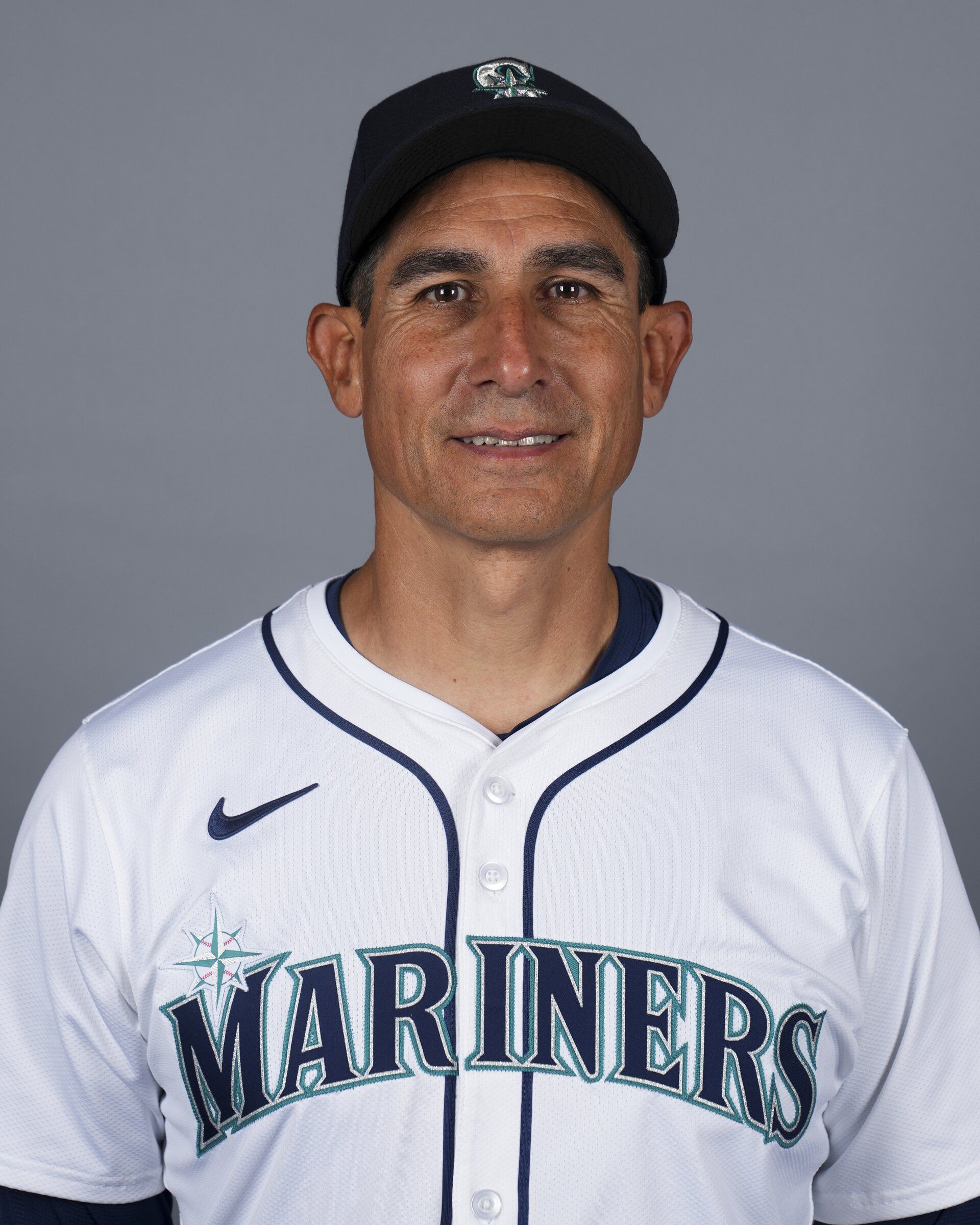
In an effort to energize one of the weakest offenses in Major League Baseball (MLB), the Seattle Mariners announced the firing of assistant hitting coach Bobby Magallanes. The decision was made ahead of a key series against the American League West leader, the Texas Rangers, and it underscores just how deep the team’s offensive crisis runs. At the time of his dismissal, the Mariners were last in all of MLB in batting average (0.229) and slugging percentage (0.377)—that is, their ability to drive in extra bases. The numbers speak for themselves: the team is on the verge of falling out of the playoff race with a 51–52 record, and management decided to take drastic measures.
Bobby Magallanes had worked in tandem with head hitting coach Kevin Seitzer since their time together in the Atlanta Braves, where they worked together starting in 2021. Both coaches were fired by Atlanta after the 2024 season and landed in Seattle within weeks. However, it appears that past success didn’t carry over. Seitzer remains in his role with the Mariners, and club legend Edgar Martinez will continue working part-time as senior director of hitting. Replacing Magallanes on the coaching staff is Ed Paparrelle, previously the hitting coordinator in the Mariners’ minor-league system. The shake-up suggests the club is leaning on internal resources to pull the offense out of a deep slump.
It’s worth explaining what slugging percentage means: it’s a statistical measure calculated by dividing the total number of bases earned by the hitter (with different bases worth different values per base) by the number of at-bats. A low slugging percentage (0.377 for the Mariners, compared with a league average of around 0.420) means players rarely produce more than singles—doubles, triples, and home runs happen far less often. In other words, the team simply can’t “move runners” around the bases, making scoring essentially impossible. Seitzer and Magallanes were trying to fix this, but without success.
The key takeaway from this move is that pressure on the Mariners’ management and coaching staff has surged. Firing an assistant while keeping the head hitting coach is often a warning sign: if things don’t improve, the next person could be Seitzer. In addition, bringing Ed Paparrelle up from the minor leagues is an attempt to introduce fresh ideas and techniques that may not have worked at the top level. As noted in a Seattle Times article, more updates are expected. The story is available here: Mariners fire assistant hitting coach - The Seattle Times. For now, the Mariners are hoping that the staffing change will spark the offense—otherwise the season could turn out to be a failure.
Seattle’s free meals for all students are delayed by a year
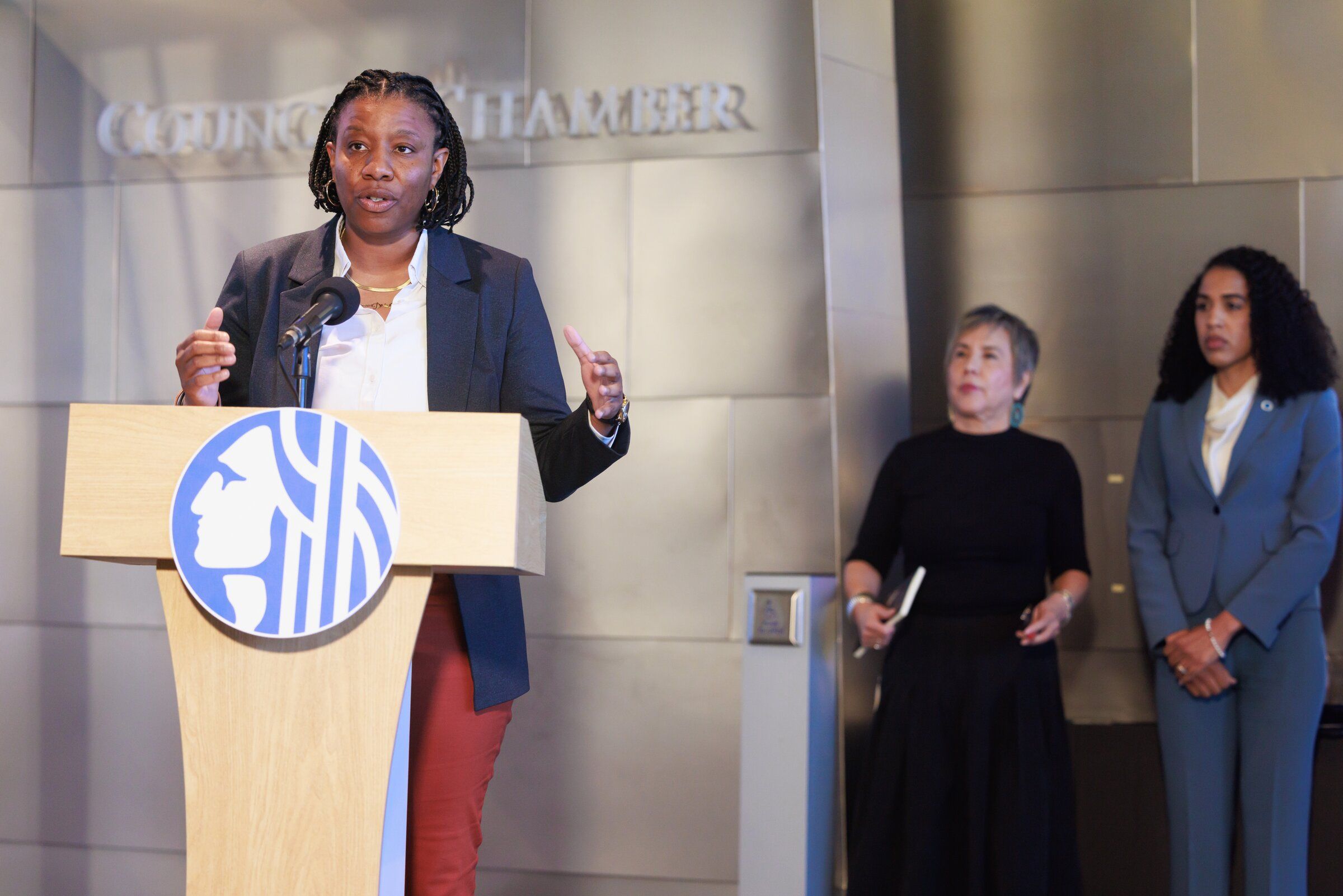
The Seattle City Council voted to postpone introducing universal free meals for all students in public schools, despite active support from Mayor Katie Wilson. The decision was made during a budget committee meeting: six council members supported an amendment that moves the start of the program from fall 2025 to the 2027–2028 school year, while three voted against it. Instead of full coverage for all students, a temporary voucher program for meals during weekends and school breaks will be introduced for low-income families. A final vote by the full council is scheduled for next week.
As reported by The Seattle Times, the main reason for the delay was concern about the sustainability of funding. The mayor’s plan assumed that the first two years would be covered by a six-year property tax approved by voters in November totaling $1.3 billion, and then money would come from a newly adopted state income tax on high earners. But that tax is currently being challenged in court and could be overturned by lawmakers, casting doubt on long-term funding.
Supporters of the delay, including council president Joy Hollingsworth, insist this is not about abandoning the idea of universal meals—rather, it’s about the need to build a sustainable system. “For me, this was never a question of whether universal meals happen or don’t happen,” she said. “It’s about an implementation strategy that will create a reliable food program.” The amendment’s author, council member Dyonne Foster, added that the delay will not harm the students who need it most, because those students will be the ones receiving meal vouchers on non-school days.
Opponents of the amendment argue that a voucher system would be more complicated and stigmatizing for low-income families, while universal meals are a simple and fair way to provide support. Council member Rob Saka, who voted against the delay, said: “We’re ready to start today. We have a mayor who supports speeding it up. We need to stick to the plan.” During the hearings, teachers and former educators spoke, saying hungry children learn worse and feel shame when they have to stand out from their peers.
Mayor Wilson expressed disappointment, but promised to work with the council and schools to prepare for launching the program by 2027. Right now, about half of the 106 Seattle schools already provide free meals to all students. In addition to school meals, the committee also approved a delay to a pilot voucher project for the preschool program, which allows low-income families to choose appropriate educational options. Council member Alexis Mercedes Rink called the debate over school meals “one of the most difficult and emotional political discussions” of her entire time on the council.
The central issue is how to ensure stable funding for social programs in the face of legal risks. The delay allows time to test the constitutionality of the “tax on the rich,” but during that time, thousands of students could be left without a guaranteed hot meal. At the same time, while vouchers are targeted, they don’t solve the problem of stigma and inequality in cafeterias. The City Council is counting on the financial foundation being stronger by 2027, so the universal program can finally operate at full scale.