
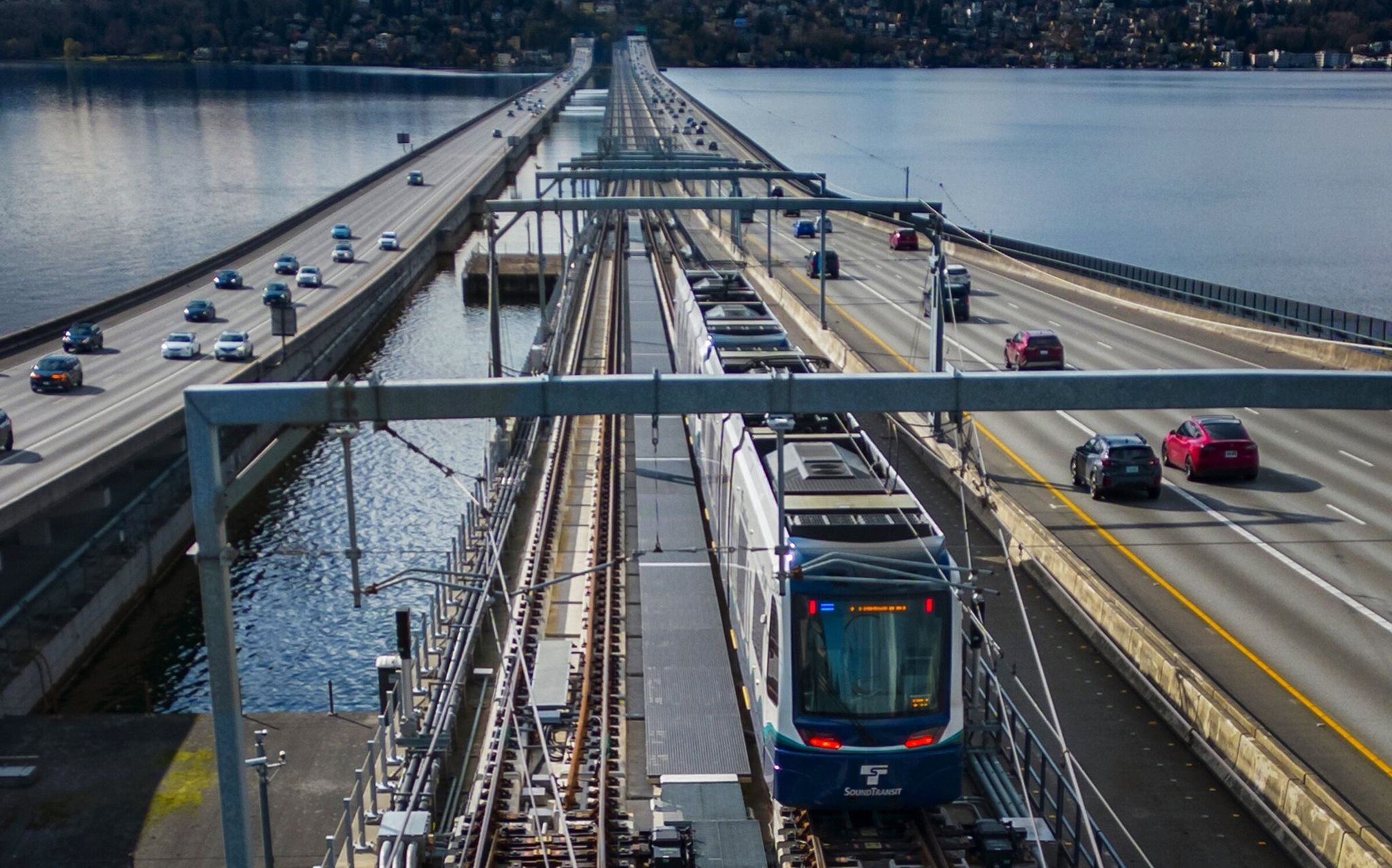
This week Seattle’s light rail system is making a historic leap, transforming from a local line into an extensive regional network. The key moment comes with the opening on Saturday of two new stations that, for the first time, will connect previously separated lines across Lake Washington. This large, deep lake geographically divides the city of Seattle from the fast-growing tech hubs on the east shore, such as Bellevue and Redmond, creating severe transportation challenges and some of the worst car congestion in the U.S. What makes the project truly unique is that the tracks are laid directly on a floating bridge and in the middle of an interstate highway — an engineering solution for rail transit that has never been attempted anywhere in the world, despite a six-year construction delay caused by technical difficulties related to the lake’s depth, seismic activity and the need to minimize environmental impact.
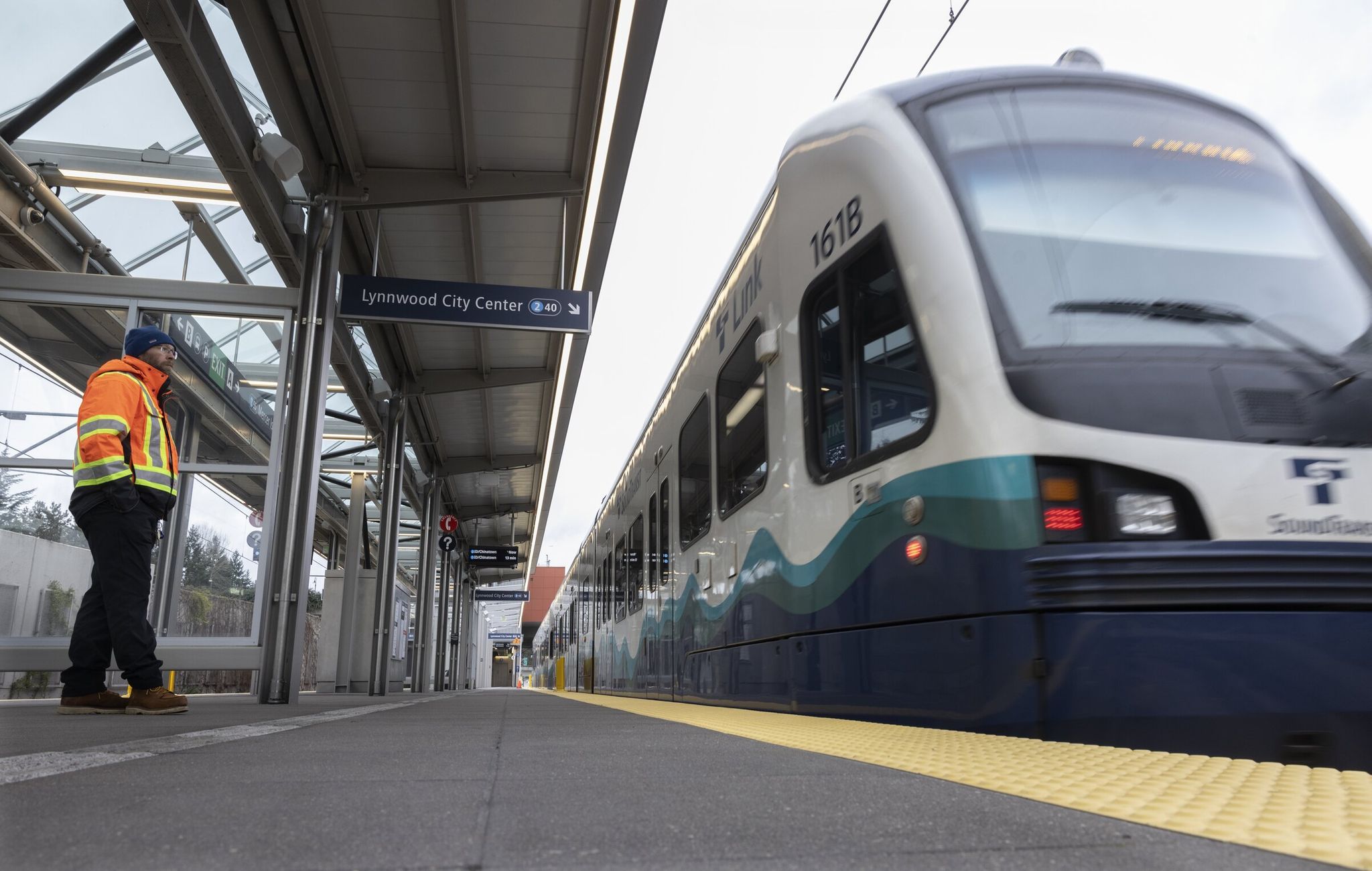
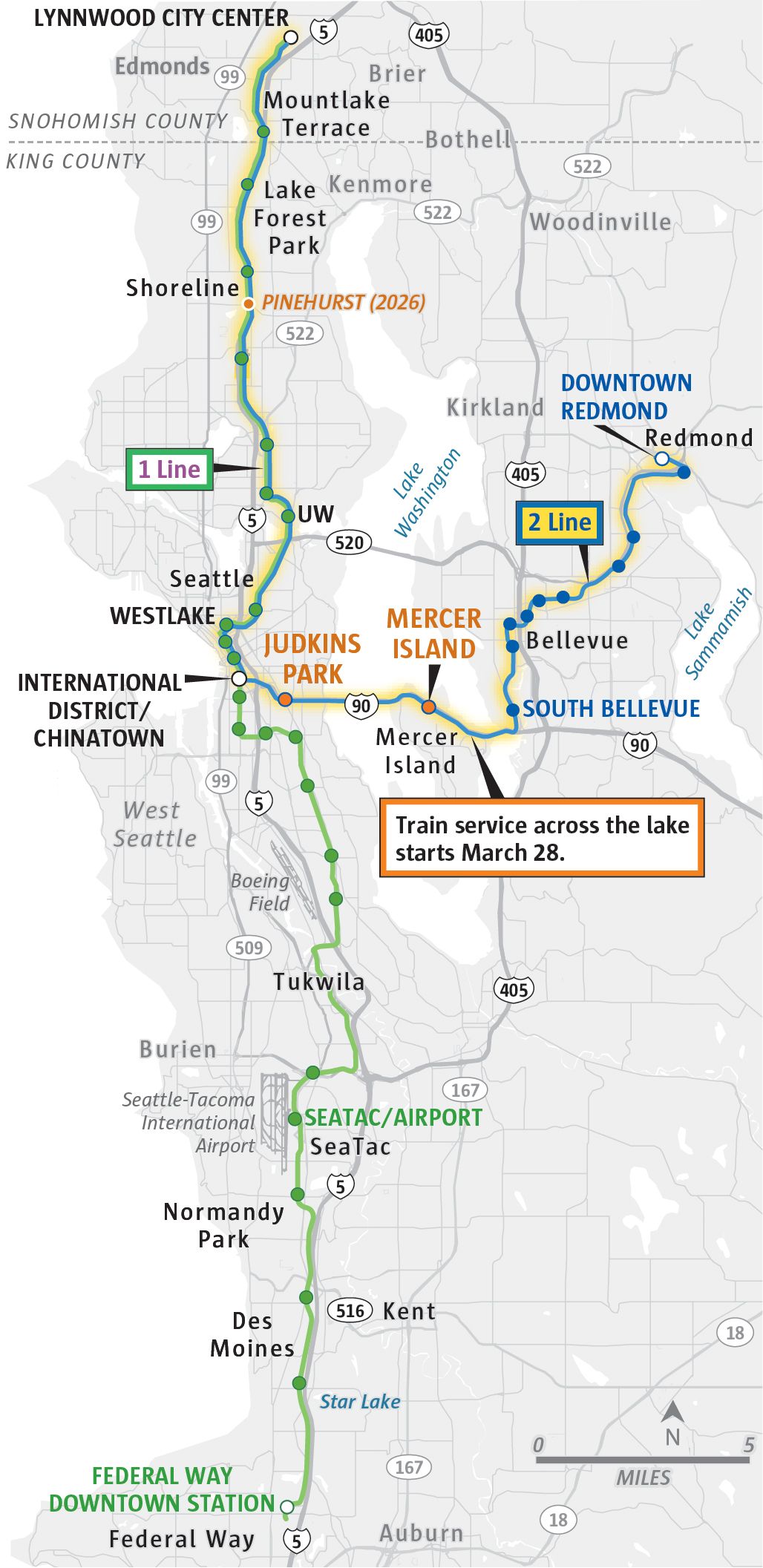
With the opening of Judkins Park in Seattle’s Central District and Mercer Island stations, a single 58-mile network is created. It will connect a concert venue at Marymoor Park, Bellevue restaurants, Mercer Island’s farmers market and Seattle’s museums, making these destinations accessible in a single $3 trip. The system now stretches from the Pierce County border in the south to Snohomish County in the north, and its new branch winds through fast-growing Eastside suburbs. The project is critical for linking the region’s major economic centers.
This moment is the culmination of a long journey that began 30 years ago when voters approved the plan. The first segment opened 17 years ago, connecting downtown Seattle with the airport. Since then, with repeated voter backing despite billions in costs and schedule setbacks, the network has gradually expanded: to the north toward Husky Stadium, to the south, and finally to the Eastside. The project has endured many debates and missteps but has been persistently implemented by regional transit agency Sound Transit. Created in 1996 to develop public transit across three counties, the agency often puts projects to referendums because major funding sources, such as tax increases, require taxpayer approval — reflecting a practice of local direct democracy.
Despite the technical triumph, the system still faces challenges, mainly related to power supply, which sometimes leads to substituting trains with buses. Nevertheless, Seattle, along with Los Angeles, is a leader in the U.S. for the pace of building urban rail in the 21st century. Sound Transit’s plans are even more ambitious: if the schedule holds, lines will reach West Seattle by 2032 and, by 2044, Tacoma, Everett, Ballard and other cities.
The opening of the line across the lake marks a new era for transit in the Seattle region, potentially changing the habits of hundreds of thousands of residents. On launch day journalists will cover the first passenger trips across the lake, reporting on the new stations and how major employers are preparing for shifts in commuting patterns. It’s a bold step into a future that has finally arrived for the region’s public transportation.
Based on: Seattle light rail is about to do something audacious and unique to transit