
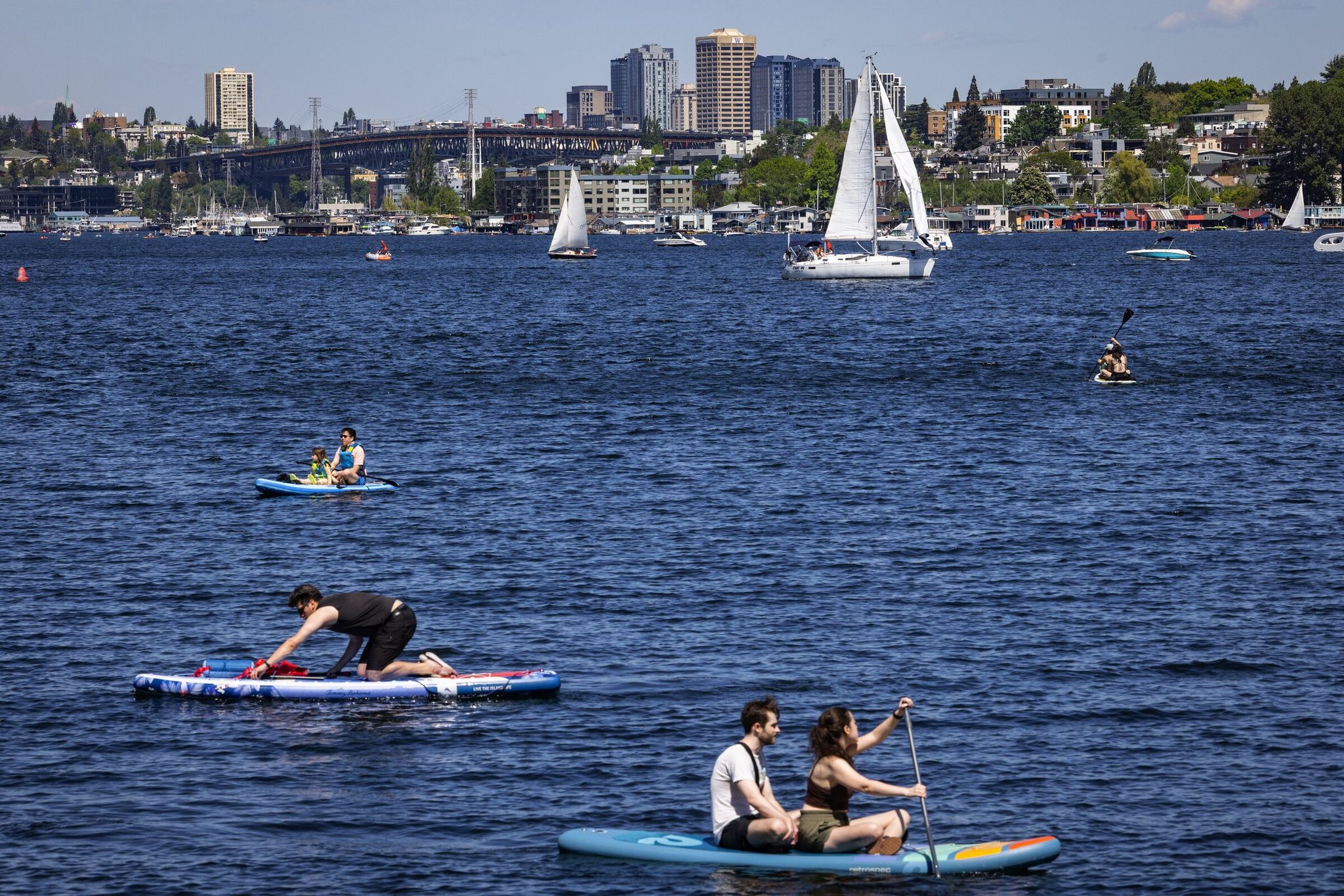
On Sunday in Seattle, the temperature reached 27 degrees Celsius (81°F) around 3 p.m. and held at that level into the evening, beating the previous 1992 record of 25°C (77°F). National Weather Service meteorologist Jacob DeFlitch noted that the previous record was relatively modest compared with typical May readings. Nevertheless, this event fits into a broader warming trend that has been ongoing for months and shows no sign of abating.
Washington state experienced its third-warmest winter on record, and snowpack, which lagged all season, is now well below normal and melting rapidly. In early April authorities declared an unprecedented fourth consecutive drought emergency — a declaration that came at the height of the season when snowpack typically peaks. The situation is worsened by the fact that Seattle’s water supply is 70% dependent on snowmelt from the Cascade Range, which serves as a natural reservoir. Snow accumulates in winter and melts slowly through spring and summer, feeding rivers and reservoirs. When snowpack is low, less meltwater is available, and the city faces water shortfalls — even with heavy rain in the city itself, because rainwater runs off too quickly into storm drains and the ocean instead of replenishing reservoirs.
Climate change is accelerating these processes: in the Pacific region, precipitation increasingly falls as rain rather than snow. Rainwater cannot be fully stored in the state’s relatively few and small reservoirs. Warm winters also lead to earlier snowmelt. Together these factors create conditions for drought: summers become hotter and drier, start earlier, and reduced snowpack means less water for cities, farms and ecosystems. Since March, the average temperature in Seattle has been 11.8°C (53.3°F) — well above normal.
The federal Climate Prediction Center expects temperatures to remain above normal through mid-May, and precipitation to be below normal. The situation could be exacerbated by El Niño, which brings warm tropical air masses to the region. It is expected in the coming weeks or months, which could lock in hotter, drier conditions through the summer. If the trend continues, spring 2024 could become the fifth-warmest since 1945.

Based on: Seattle tops record high temperature Sunday as spring warm trend continues