
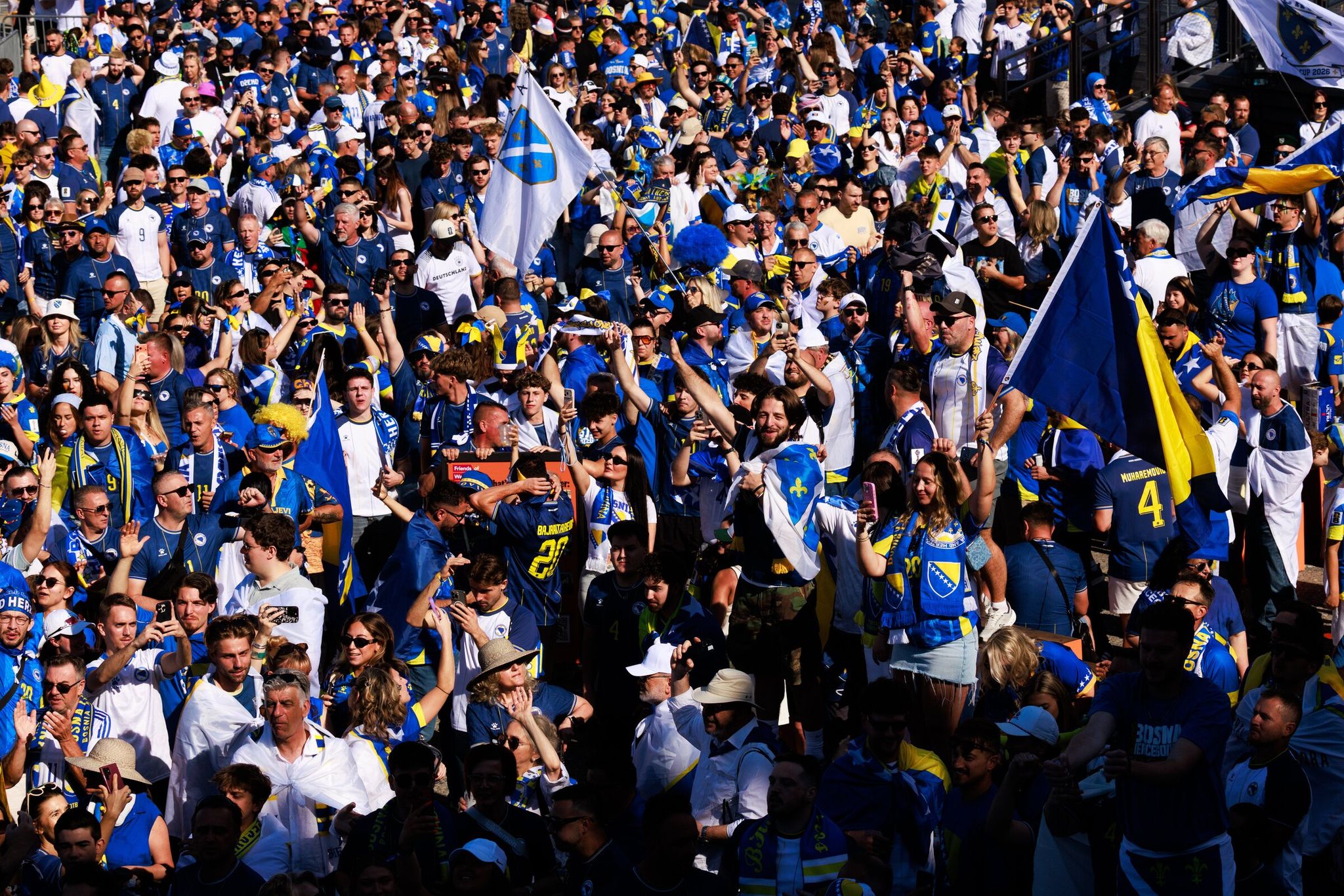
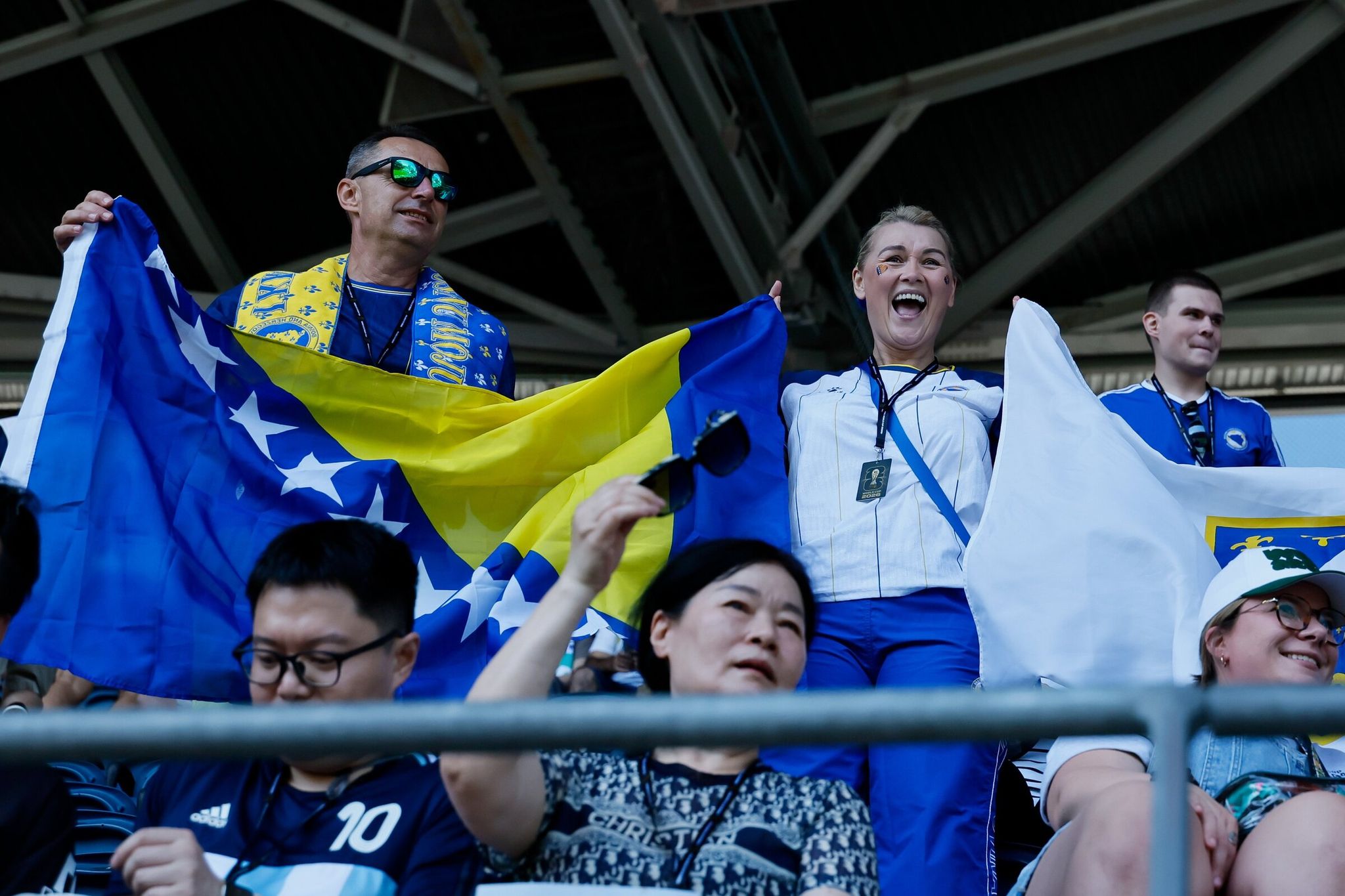
On Wednesday in Seattle, something local Bosnian Americans described as “out of the body” happened: the Bosnia and Herzegovina national team thrashed Qatar 3-1 in the group stage of the FIFA World Cup. Thousands of members of the Bosnian diaspora poured onto the city streets with flags, songs, and tears of joy—for them, the match was not just a game, but a symbol of hope and gratitude toward a new home.
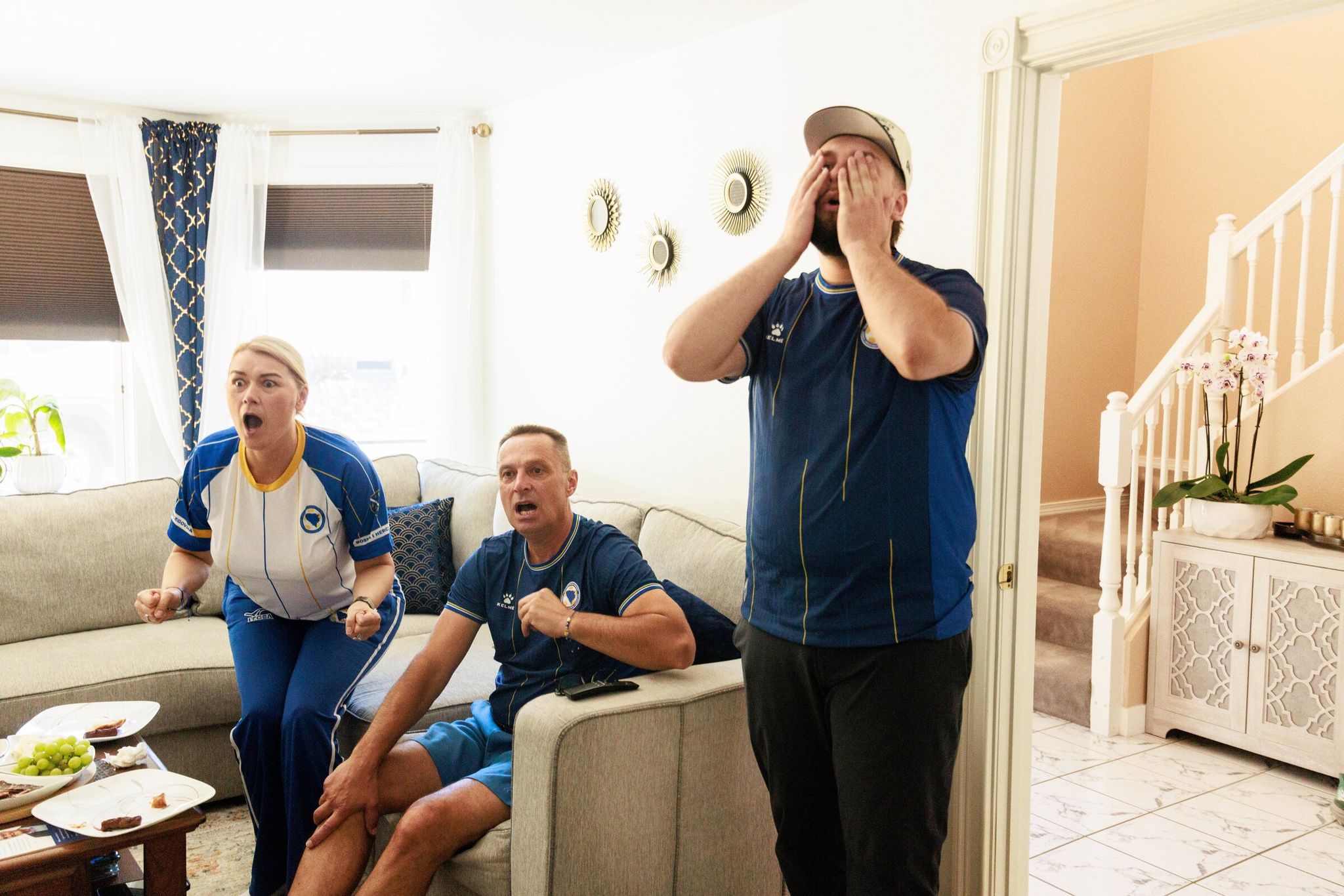
Elvira Vojinovich, one of the first Bosnian refugees to arrive in Seattle in the 1990s, struggled to believe what she was seeing. She fled war and ethnic cleansing, not knowing a word of English and having no one in a foreign country. “You have to understand what soccer means to people who have spent years being told that our nation won’t survive,” she said ahead of the match.
Elvira’s story began in Prijedor, a city that once was known for its diversity. When Yugoslavia broke apart, Bosnia was engulfed by war marked by concentration camps and mass graves. Elvira escaped by sheer luck: a soldier pulled her out of the crowd, but an elderly woman managed to grab the girl back. Many of her friends and relatives died. “Either you stay and die, or you leave,” she recalls.
In the United States, Elvira came through a refugee camp in Croatia, where she met her future husband, Amir. The six-month relationship was all it took—before they knew it, they were flying to New York, not even knowing which city they would be sent to. At the airport, Elvira struggled to find Seattle on a map—and immediately fell in love with the region, which is not without reason called the “Emerald City”: a mild maritime climate, evergreen conifer forests, plenty of parks, and scenic views of Puget Sound make it one of the greenest cities in the United States. With a Croatian immigrant’s help, they found English classes and work.
When there were very few Bosnians in Seattle, the Vojinovich family helped create the Bosnian Community Center—an organization that today supports newly arrived settlers: it offers language classes, advises on employment, hosts cultural events, and provides social support. A Bosnian soccer club was also founded—such as “Seattle Bosnian”—where children and adults can play sports. Elvira works at the PCC Community Markets grocery chain, a customer-owned cooperative supermarket known for backing local farmers, environmental initiatives, and returning profits to cooperative members. Amir works in construction; the couple raised two sons. Both boys have played soccer since childhood, and today the 55-year-old Amir still heads out onto the field. “The first thing a baby gets is a soccer ball,” Elvira smiles.
Bosnians came to the match from all over America and Europe. Zlatán Sehic, a 67-year-old Bosnia native, traveled from Idaho—his hands were shaking with excitement as he smoked at Pike Place Market, one of the oldest public markets in the United States, founded back in 1907. The site became a symbol of Seattle thanks to the famous “fish throwing,” and for immigrant communities it has also been an economic hub: you can buy ethnic goods, share your culture, and start businesses with people who have come from all kinds of countries. Admir Alic, from Atlanta and a member of a group of super-fans, didn’t hide his passion: “We went through a lot in the 90s. We just want to show the world that we’re still here—on a positive note.”
The atmosphere at the stadium was celebratory: sunny weather, a mix of cultures—Qatar fans in white and Bosnians in blue. When Qatar scored, its fans erupted in joy alongside everyone else. Said Jusuf, born in Qatar and moved from Minnesota, said: “Soccer is in my blood.” But this day was especially meaningful for Bosnians. Seattle was chosen as one of the host cities for the 2026 World Cup because of its strong sports infrastructure, including Lumen Field stadium, experience hosting major tournaments, and support from local authorities—group-stage matches are expected here, and possibly a round of 16 as well.
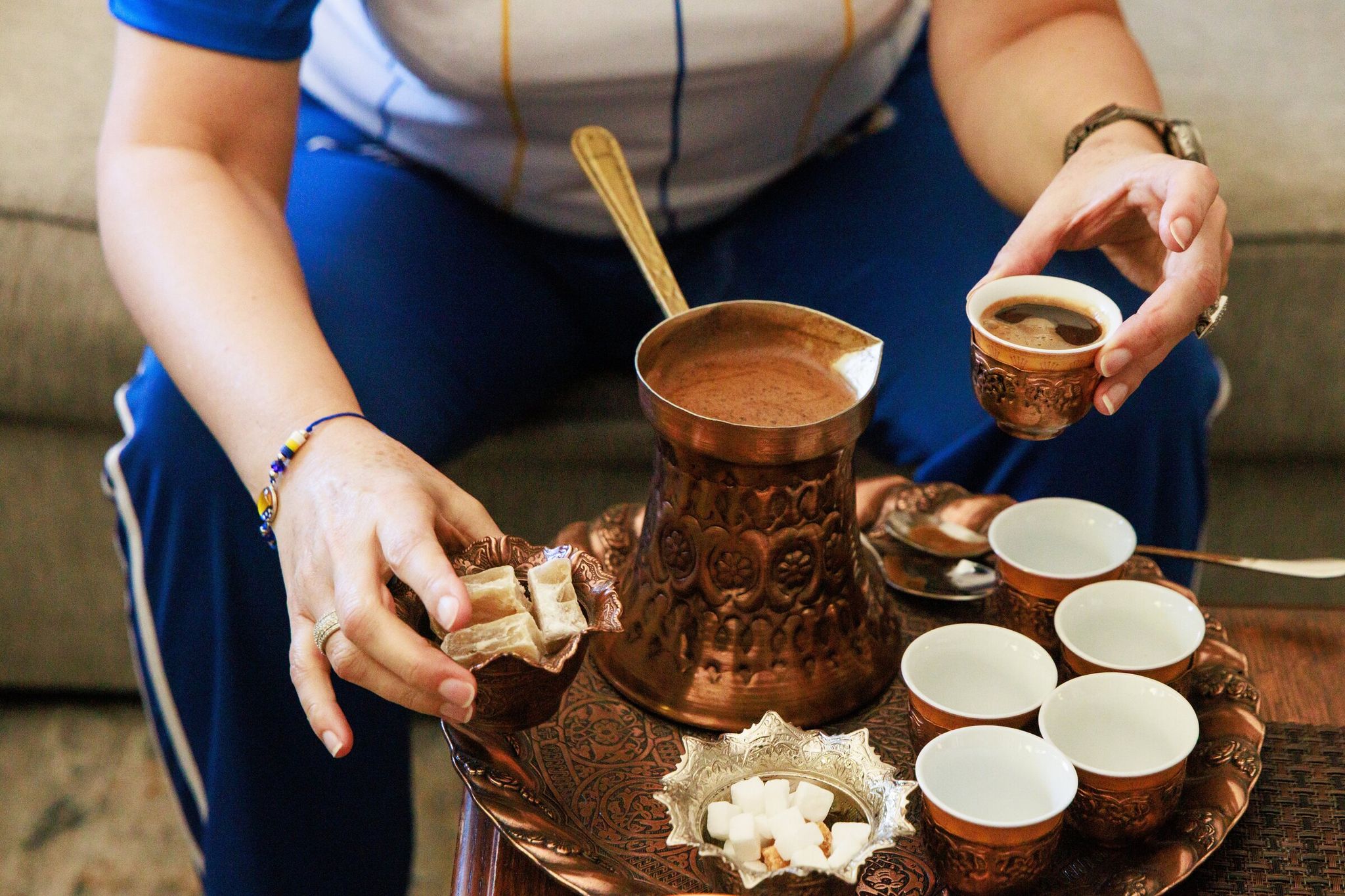
Before the match, Elvira noticed a banner that read “PRIJEDOR,” and her heart skipped a beat. Memories rushed in, but now they blended with pride. As Bosnia’s team took the field to the sounds of the song “Take Me to America,” fans sang along together with a marching band, and Vojinovich prepared traditional ćevapi—small sausages made from minced meat (lamb, beef, or pork) that are grilled and served with flatbread, onions, and ajvar. In Seattle, you can try Bosnian cuisine at specialized restaurants, such as Balkan Grill or Meša, and you can also buy frozen ćevapi and other products (Bosnian cheeses, pastries) at ethnic stores like European Foods. Elvira watched Edin Džeko play, her breath caught.
A special surge of emotion came from a goal by young forward Kerim Alajbegović, who after a virtuoso dribble sent the ball into Qatar’s net. For Elvira, it became a symbol: the team includes players from different ethnic backgrounds, including from the diaspora—just like sons of families who went through hell. “Here we are, playing under one flag, at the World Cup in Seattle—this is incredible!” she exclaims.
Amir Vojinovich couldn’t catch his breath until the third goal—only then did he exhale: “I was able to breathe.” After the final whistle, the stadium emptied, and tears streamed down Elvira’s cheeks. “Honestly, I don’t care whether they win their next match,” she admitted. “For me, that was the peak.”
Based on: Seattle-area Bosnian Americans savor historic World Cup match