
Seattle Mayor Katy Wilson signed Ordinance 127515 on October 5, banning large grocery chains, big-box stores and delivery services from setting individualized prices based on a shopper’s digital footprint. The new rules, which take effect on September 1, 2027, are intended to curb a practice in which an algorithm can determine exactly how much a particular person pays for the same basket of groceries.
In a traditional supermarket, the price of an item was long treated as almost a physical property: a number on the shelf, visible to everyone who walked by. Digital commerce has changed that unwritten rule. In a store or delivery app, a price can change not only in response to supply costs or demand, but also according to what the system assumes about the shopper: where they live, what they searched for online, which offers they previously accepted, and what conclusions the algorithm has drawn about their income or willingness to pay.
Seattle is now banning precisely this practice — “algorithmic price discrimination.” The law covers grocery companies with 20 or more locations worldwide, as well as large delivery services operating in the city. For big-box stores, the ban applies to groceries, diapers, personal-care products and over-the-counter medicines. It also covers electronic shelf labels in stores: technology must not turn the phone in a shopper’s pocket into a source of a personalized price premium.
Among the events that prompted the city debate was a 2025 study by Consumer Reports, Groundwork Collaborative and More Perfect Union. Thirty-nine volunteers used Instacart to assemble the same 20-item basket from a Seattle Safeway. Depending on the user, the total ranged from $114.34 to $123.93. The study itself did not establish which personal details determined each participant’s price, but it vividly demonstrated how opaque a digital storefront can be.
Wilson’s administration introduced the bill in July. In the City Council, it was sponsored by Alexis Mercedes Rinck, Dionne Foster and Rob Saka. After consideration by the relevant committee, the council approved the measure on September 22 by a vote of 7–2. Maritza Rivera and Bob Kettle voted against it. They supported banning price increases based on personal data but warned that the broad wording could affect loyalty programs and targeted discounts that many families rely on to save money.
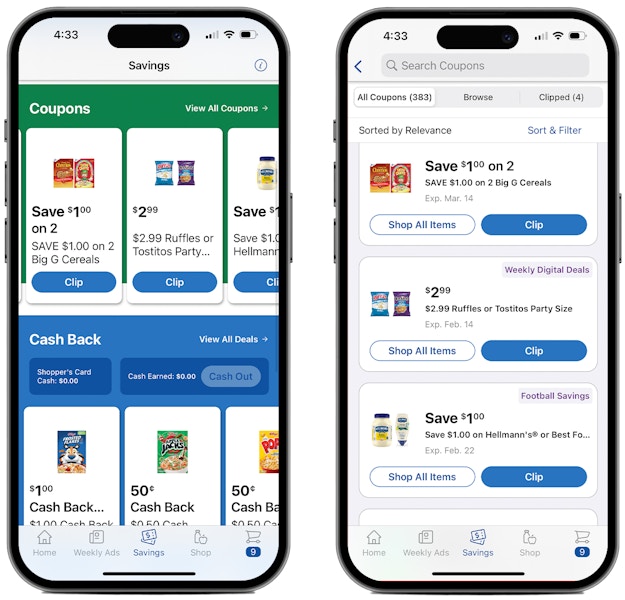
The final text includes significant exceptions. The law does not prohibit ordinary coupons, provided the seller does not use personal data to determine the size of the discount or who receives it. Publicly available promotions, as well as discounts for students, seniors, veterans and other clearly defined groups, are allowed. Loyalty programs are also preserved, but their discounts must be offered to all members or to understandable categories of members formed solely from purchase history — without inferences about income, psychological profiles or an individual’s price sensitivity. Different delivery rates are also permitted when they are genuinely explained by distance, time, weather, traffic or order size.
The Washington Retail Association argued that the new restrictions could weaken personalized discount programs and ultimately deprive shoppers of some savings. Supporters of the law responded that a discount available only to people whom the system considers especially responsive to a particular price may be the flip side of a hidden markup imposed on everyone else. The dispute is therefore about more than technology. It concerns an old question in commerce: Who owns information about a shopper, and can that information invisibly change the price of basic goods?
To comply with the law, companies will have to retain records of discount rules, the data used and customer categories for at least three years. If the required records are missing, a court may presume a violation unless the seller rebuts it with clear and convincing evidence. The city attorney will have the authority to investigate complaints and seek documents through the courts. Fines may reach $3,000 per violation and $10,000 for a repeated violation involving each affected person.
Shoppers and their representatives will also be able to sue, although that right is more narrowly defined: for grocery chains, it applies to companies controlling at least 25 stores in Washington state. City officials must annually compare the cost of a grocery basket in Seattle with prices in Bellevue, Burien, Issaquah, Kirkland, Renton and Shoreline, while also tracking the availability of loyalty programs. When the law takes effect in fall 2027, the city will assess not only whether secret personalized price tags have disappeared, but also the more difficult question: Has the figure at the checkout become clearer and fairer for the people who need that most?


Based on: Seattle mayor signs grocery ‘fair pricing’ into law, bans surveillance