
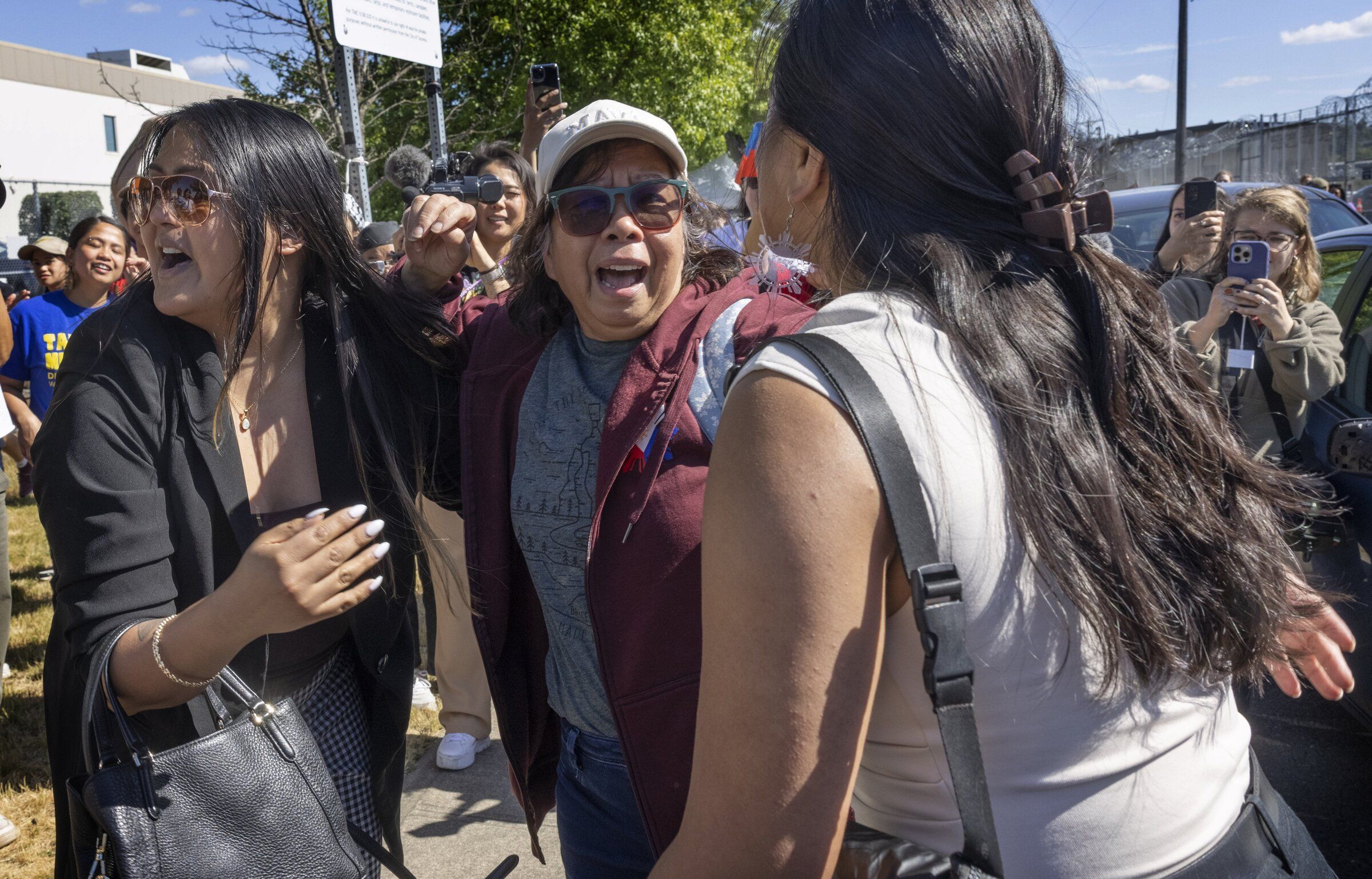
Lewelyn Dixon, who had a green card for years and was detained last year by U.S. Customs and Border Protection officers at Seattle-Tacoma Airport, is now a U.S. citizen. The airport—located roughly halfway between Seattle and Tacoma—is known in everyday talk as Sea-Tac: it serves not just Seattle, but the entire Puget Sound region, where cities and suburbs have merged into a single metro area. Notably, a separate city called Seatac has grown up next to the airport. This is where Dixon returned from a trip to the Philippines in February 2025, and where she was arrested. It was one of the most high-profile detentions in the first weeks of Donald Trump’s sweeping campaign of arrests and deportations: Dixon, whom friends and family call “Auntie Lynn,” immigrated to the United States more than 50 years ago and held a green card for decades. Her case reflected the administration’s aggressive approach—targeting people who previously would not have been pursued.
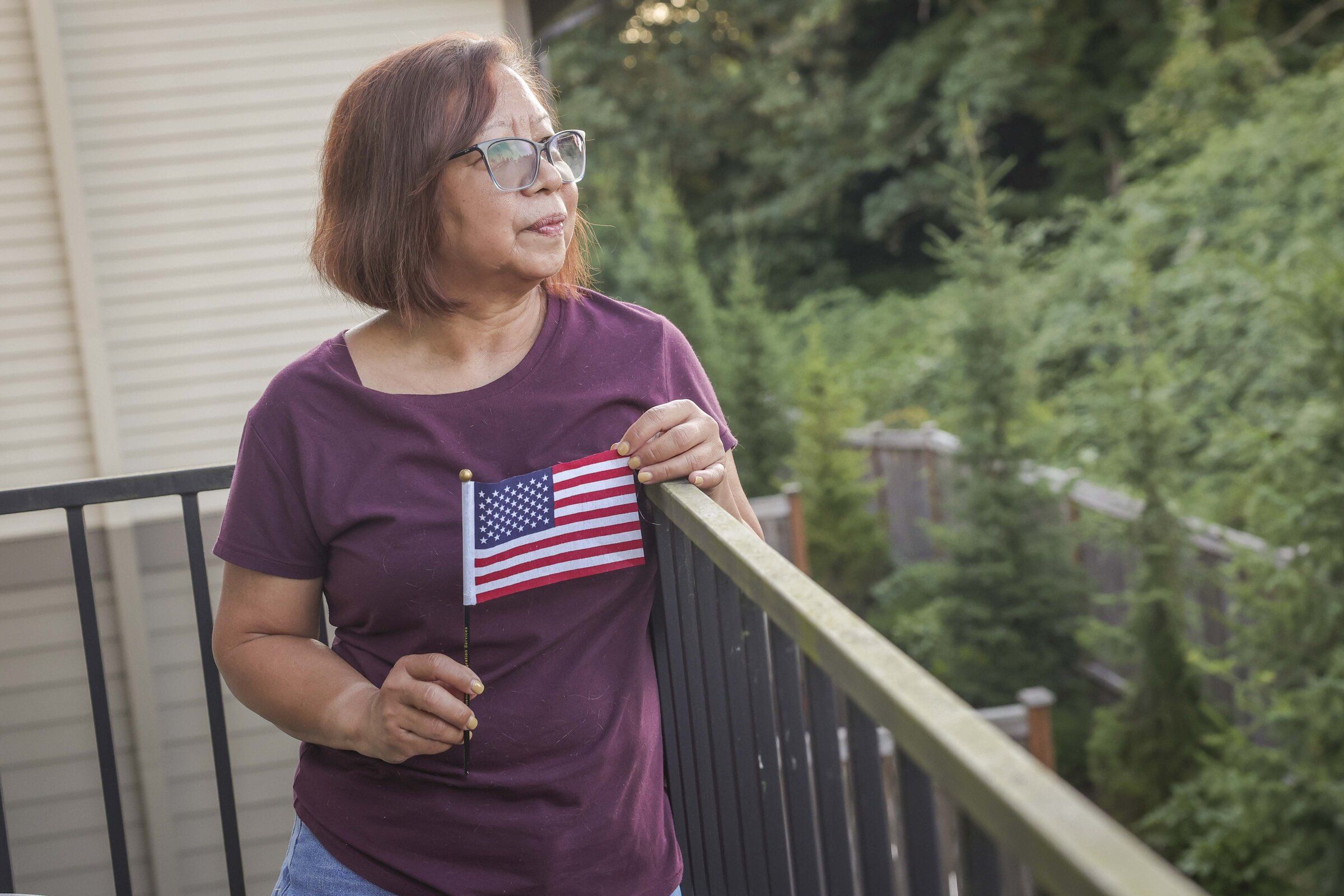
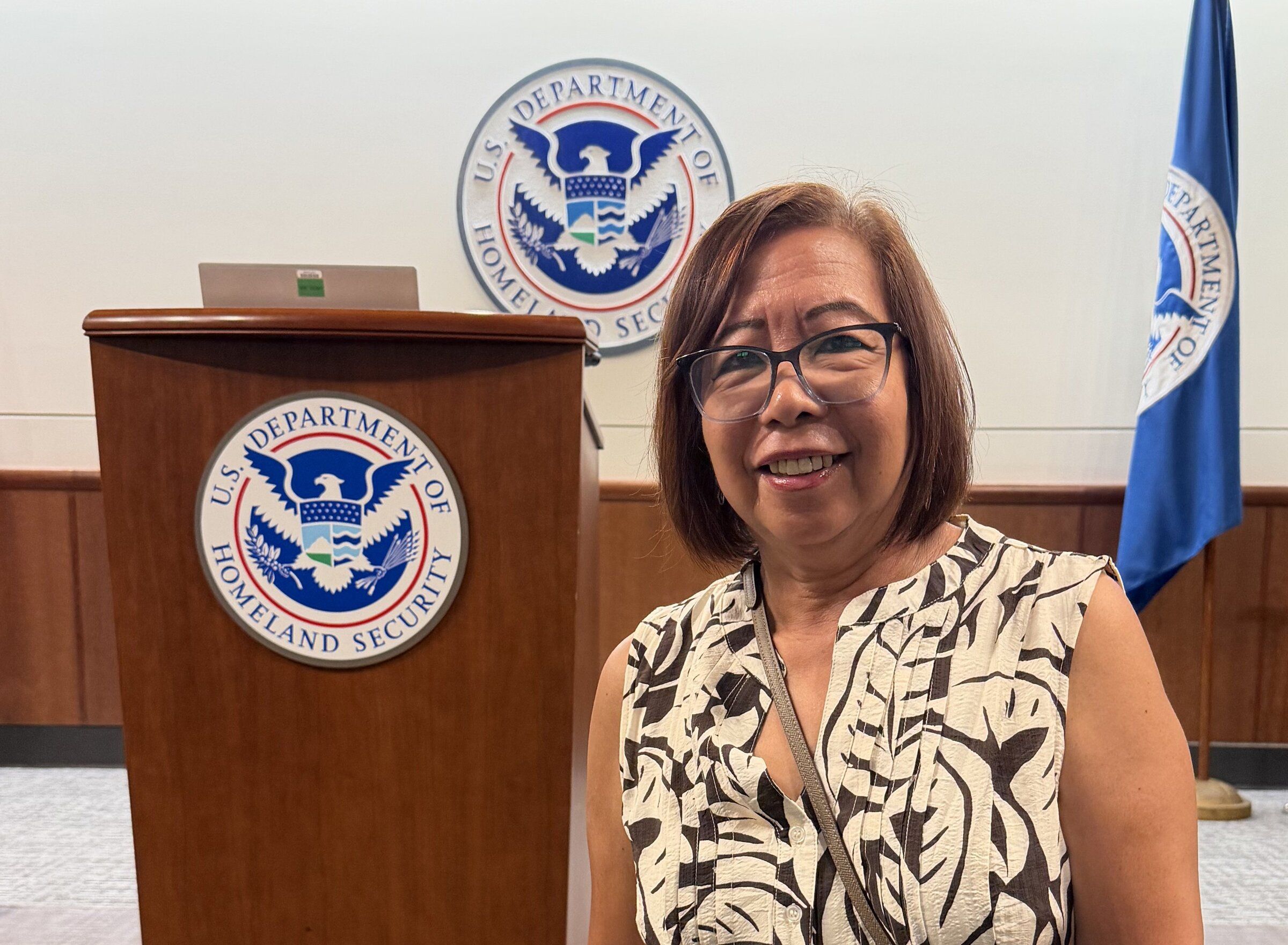
Just a little over a year after being released from a detention center in Tacoma, Dixon took her oath, gaining all the legal rights and protections tied to citizenship. Coincidentally, the ceremony took place on her 66th birthday. “This is amazing. I still can’t believe it,” Dixon said in a recent interview. “I’m looking at my citizenship document and thinking, ‘Wow, it’s real—I really am here.’”
Dixon spent three months at the Northwest ICE Processing Center (a private lockup under contract with U.S. Immigration and Customs Enforcement, or ICE), where people are held while their deportation cases are pending. The center houses asylum seekers and people who violated visa rules. Because it is privately run, has harsh conditions, and faces constant criticism from human rights advocates, the center has become a symbol of the hardline U.S. immigration policy. For Dixon, that time was a defining event that showed how the system works.
In immigration court, authorities pointed to two criminal cases involving Dixon; the more serious was a 2001 conviction for embezzling about $6,500 from Washington Mutual, where she worked as a cashier in a vault. Washington Mutual was a major savings bank and mortgage lender founded in Seattle in 1889. It was one of the largest banks in the United States and an important employer in the city—until it collapsed in 2008 during the mortgage crisis: it became the largest bank failure in U.S. history, and its assets were bought by JPMorgan Chase. Dixon did not serve jail time: by court order, she spent 30 days in a rehabilitation center and returned the stolen money. Previously, those convictions had not prevented her from renewing her green card and traveling abroad, but this time they drew the attention of immigration authorities. In May 2025, Judge Tammy Fitching ruled that Dixon should not be deported, granting a form of protection that lawful permanent residents with at least five years of status can qualify for, provided they have not committed certain serious crimes.
“Now I can breathe a sigh of relief, because she has papers and won’t have to go through it again,” Dixon’s niece, Donna Cristóbal, said. “It was really hard for us—for our whole family.” A week after her release, Dixon returned to full-time work at the University of Washington, where she works as a lab assistant. It is the state’s oldest and largest public university, one of the leading research institutions in the United States, and a major engine of Seattle’s economy. Working there is considered stable and prestigious, thanks to public funding, social safety nets, and retirement programs. About a month after her release, Dixon filed an application for citizenship.
When asked why she decided to naturalize, Dixon joked, “Well, why not?” Her niece, Melania Madiaga, was more specific: “We knew she constantly needed to travel to the Philippines, but there was no protection. We weren’t going to take that risk anymore.” Dixon had long been eligible to apply, but she didn’t do it—she had promised her father in 1974 that she would not give up her Philippine citizenship and would not risk the family’s land. The laws have since changed, and the Philippines now allow dual citizenship, but Dixon did not know that.
In the weeks and months after her release, the family stayed on high alert for the threat of another arrest. Relatives warned Dixon to never speed and not post anything on social media that could draw authorities’ attention. Every day they messaged to ask where she was. For her naturalization interview in October, Dixon showed up with family members and an attorney, having heard stories about other green card holders who were detained during such interviews. Dixon was also afraid that the time she spent at the detention center would raise questions with immigration officials. She passed the exam, but the officer said that additional background checks would be required. The family anxiously waited for months: the number of immigrants becoming citizens had been dropping sharply, and by the end of 2025, USCIS tightened screening and paused processing applications from a set of countries that the Trump administration considered “high-risk groups.” In May, the agency approved a record-low number of naturalization applications—17,038, compared with more than 82,100 the year before.
Fortunately, in January, Dixon received notice that her application was approved and that she would have her oath ceremony within 30 days. Thirty days passed, but no date appeared, and she started to worry again—especially after other future citizens reported unexpected cancellations of ceremonies. Finally, she was given a date, and on July 20 Dixon became a citizen of the country that had tried to deport her just a little more than a year earlier. “Hooray, it’s finally over,” she said.
After her oath, Dixon went to the office of the Pierce County Executive to apply for a passport. In Washington, counties are major administrative units that handle matters beyond individual cities—courts, elections, vital records, healthcare, and passport applications. City governments handle police, parks, and roads within city limits, while Pierce County includes Tacoma and its surrounding areas. An employee was impressed by how organized Dixon had been, bringing all the required documents. “I told them, ‘I was just really excited,’” Dixon recalls. “I still can’t believe that from being detained I got to this—and actually became a citizen.”
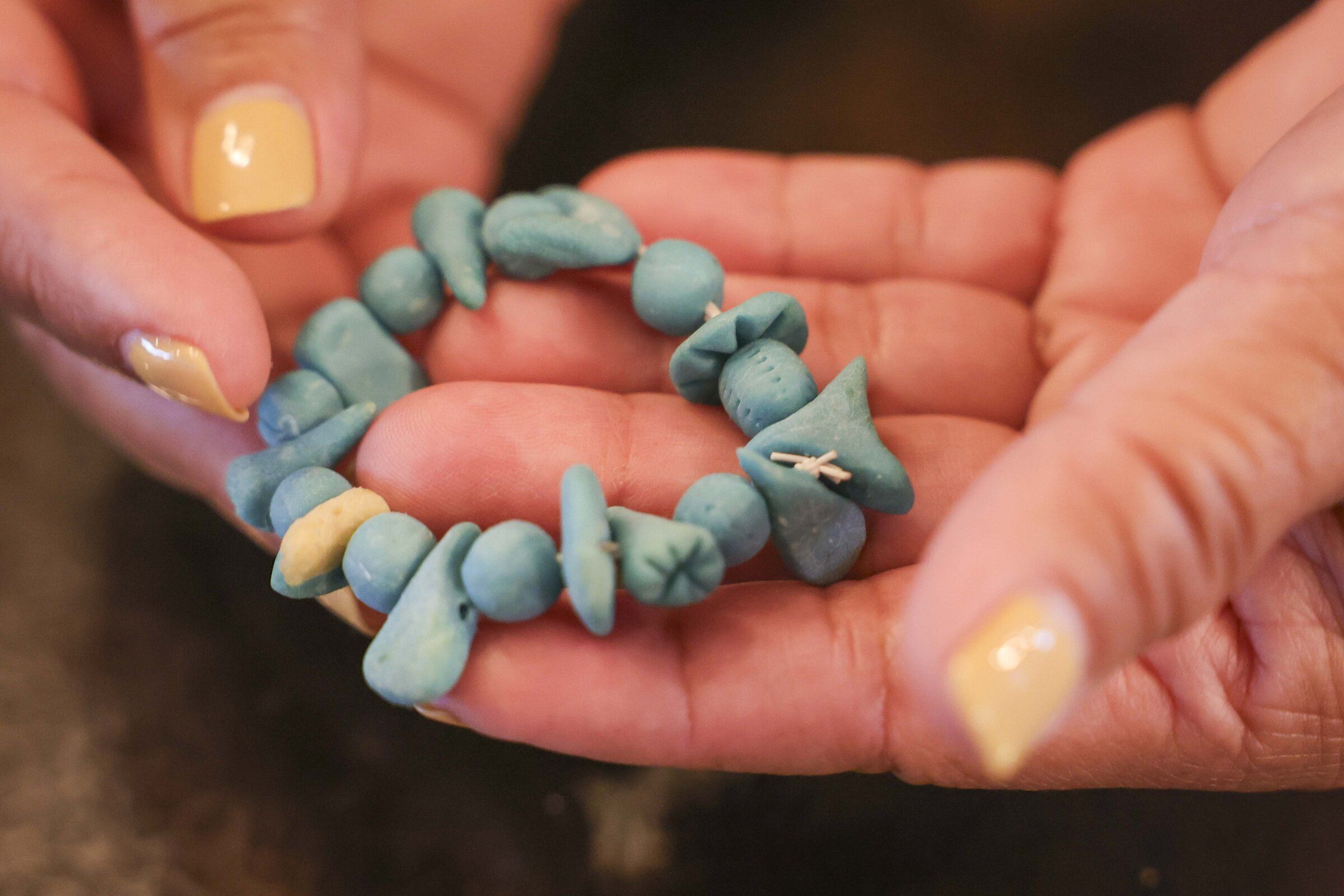
Dixon keeps memories of her time in detention, along with stories of ingenuity and survival from other detained women. She no longer likes the ramen she used to buy often from the jail store because of how bad the food was, and she can’t stand the sight of bologna. She remembers women making dinner from leftovers from other meals, microwaving tamales, and someone plucking her eyebrows with thread made from unused tampons. She cherishes a small beaded bracelet given to her by an Afghan woman: it is made from a belt elastic, and the beads are made from dried rice paste and colored pencils.
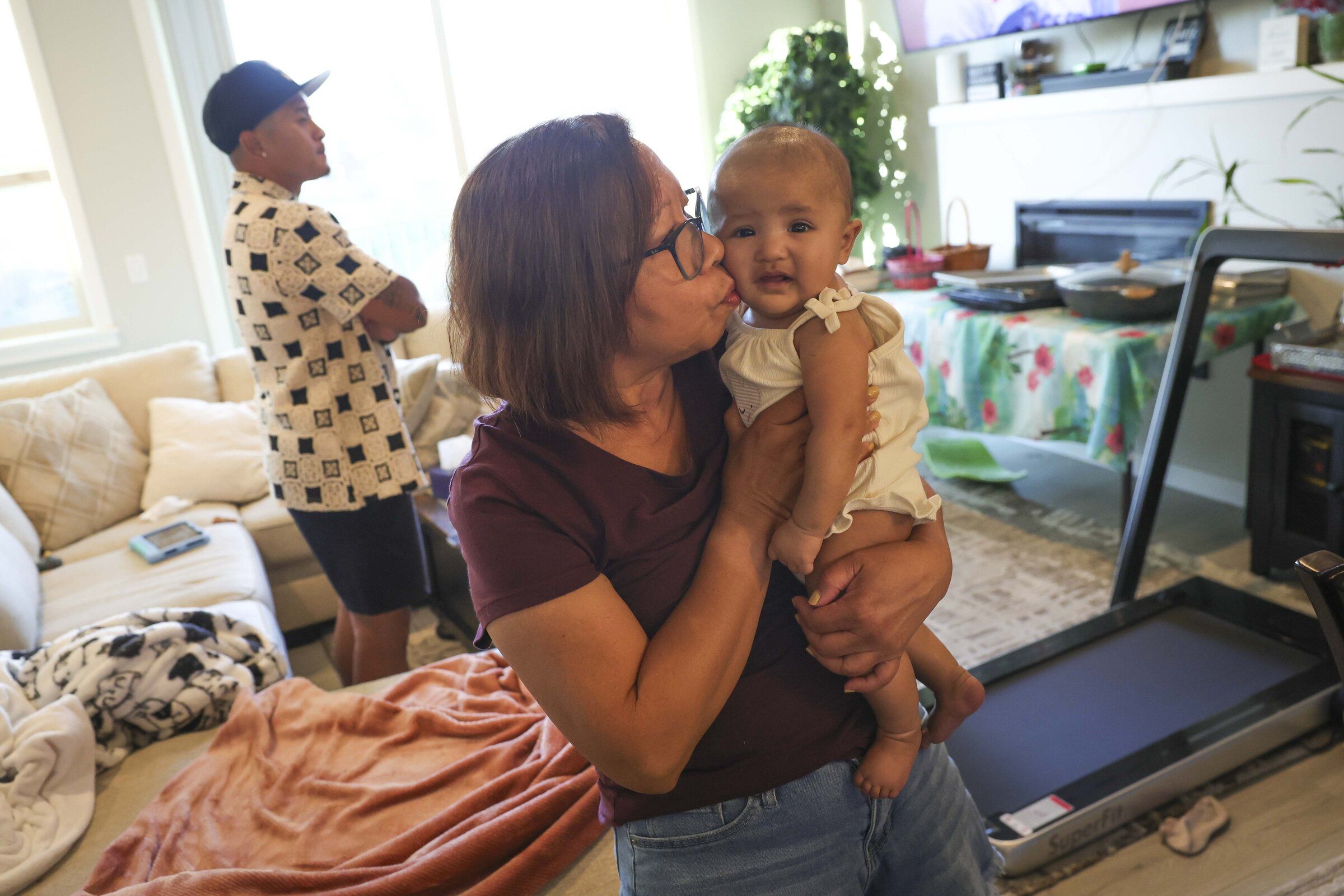
Deep down, Dixon and her family still fear that citizenship could be taken away. The Trump administration has launched an unprecedented campaign to denaturalize people officials say received citizenship unlawfully. “Naturalization protects you, but fully—right?” Madiaga asks. “This administration is so unpredictable.” Despite the worries, life goes on. On a recent Friday evening, Dixon gathered at her home in Edgewood with her nieces, their children, and grandchildren—while a pot of chicken adobo was simmering on the stove and a Seattle Mariners game played on television. In the region, the Mariners are part of family culture: baseball is slow and leisurely, T-Mobile Park sits right in the middle of the city, and the team that arrived in 1977 has long been a symbol of Seattle—even without a championship. Love for the team is passed down from generation to generation, recalling the era of Ken Griffey Jr. and Ichiro. Above, Dixon let her cat, Mozzy—named for a character in her favorite show, White Collar—down onto the floor, and the family laughed about his size. Her grand-niece Yasmin Antonio, the daughter of a niece, joked, “Sorry you were detained. We didn’t know how to feed him. I don’t have a cat!” Later, as the family filled plates with lumpia and shrimp toast, Dixon noticed the busy bustle and said, watching the action, “This is my loud, lively family. My support. My forever.” Dixon plans to retire at the end of this month, and in October she plans to go on vacation to the Philippines.


Based on: WA resident Lewelyn Dixon, held by ICE for 3 months, now U.S. citizen