In Seattle a decommissioned Boeing 747 will become an art installation and office. In May the city will host a star-studded figure skating show featuring Olympic champion Alysa Liu. Also taking place is an Indigenous basketball tournament in the spirit of "March Madness."
Boeing 747 becomes an art installation and coworking space in the heart of Seattle
In the very center of Seattle, in the Denny Triangle neighborhood, an unusual architectural element has appeared that is already drawing the attention of residents and tourists. Between two residential complexes at 1200 Stewart Street, suspended roughly four meters above a spacious atrium, the fuselage of a legendary Boeing 747 now hangs permanently. This large-scale art object—76 meters long and nearly 20 meters tall—is more than decoration: it will eventually be transformed into a unique office space for the buildings’ residents.
As KING5.com reports, the story of this plane began in the skies and continued at the famous aircraft graveyard in Victorville, California. The airliner once flew as part of the United Airlines fleet and, after being retired, was dismantled. Transporting it to Seattle required 39 semi-trucks. The idea for such an ambitious project belongs to Canadian developer Ian Gillespie, founder of WestBank from Vancouver. He saw in the retired fuselage not scrap metal but a symbol of the region’s aviation heritage and the potential to create a public space. However, as often happens with large art installations, the project ran into financial difficulties, and it has now passed into the hands of a different developer.
This project is more than just creative design. It embodies Seattle’s deep connection to aviation, since Boeing’s headquarters is located here. The fuselage suspended in the atrium becomes a bridge between the city’s industrial history and its contemporary form, where former industrial zones are turning into tech hubs and residential neighborhoods. The concept of turning the airplane cabin into a coworking space is a bold move. Imagine: instead of standard office cubicles—portholes, curved ceilings, and the atmosphere of flight. It could become one of the world’s most unusual workplaces, offering an inspiring environment for freelancers, startups, or remote workers.
For context: the “airplane graveyard” in Victorville is a huge desert area where airlines store and dispose of retired aircraft. The dry climate is ideal for preserving equipment. And a “coworking” space is a shared work environment rented by different professionals or companies, often with shared infrastructure. The project demonstrates a trend of redevelopment and the use of industrial artifacts in urbanism. It not only gives a giant object a second life but also creates a new city attraction, enlivening the space between buildings. Despite the change of owner, the very fact that the fuselage has been installed shows the idea is still alive. Now it remains to wait until the interior of the former airliner fills with people, laptops, and new ideas, floating high above the ground right in downtown Seattle.
Figure skating stars, including Olympic champion Alysa Liu, to perform in Seattle
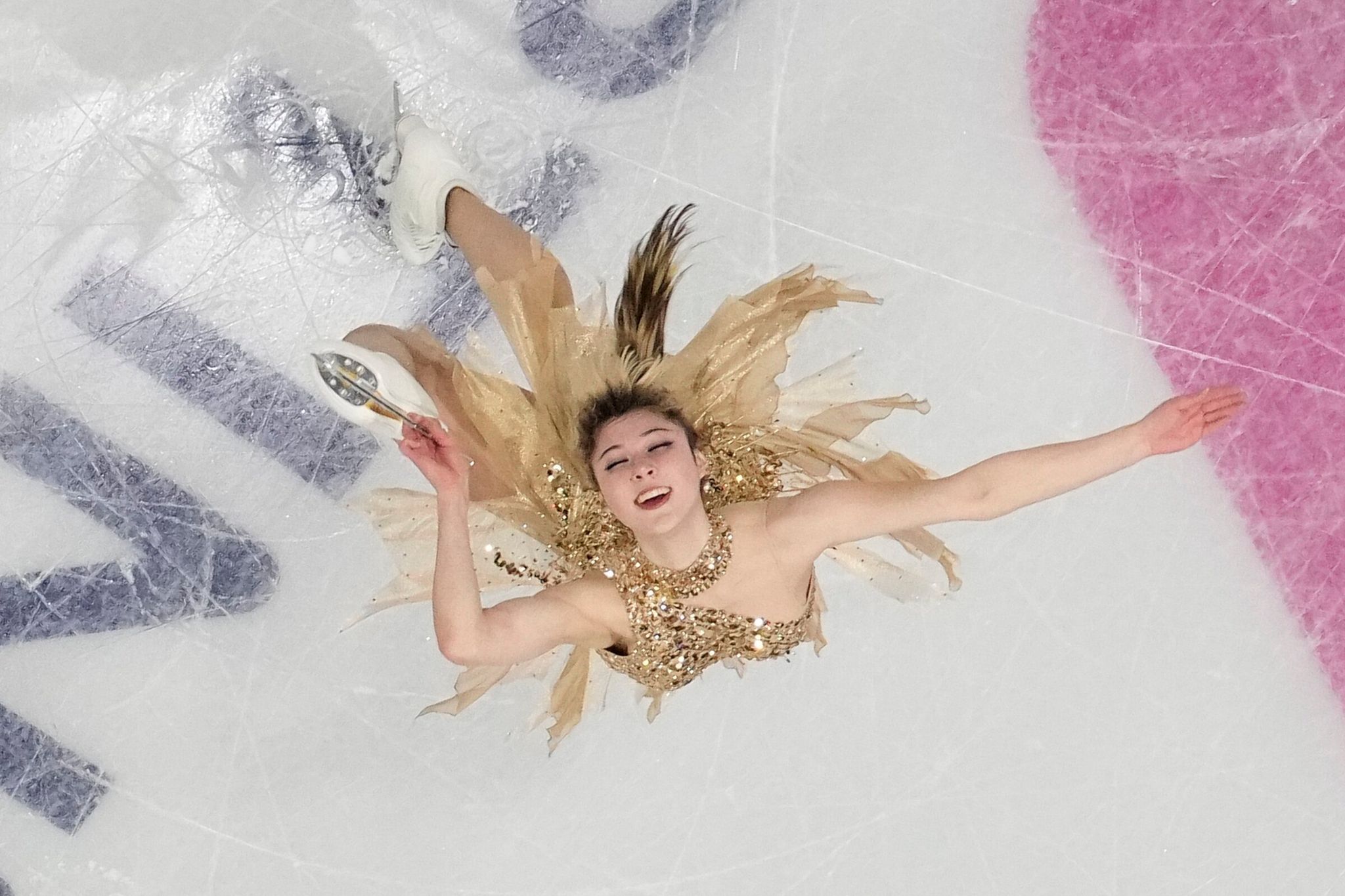
This spring Seattle will host an exciting event for figure skating fans: the legendary show "Stars on Ice" will bring a constellation of Olympic champions to the city on its 2026 tour. The main star will be Alysa Liu, who has sparked a real revolution in American figure skating. Joining her on the ice at Climate Pledge Arena will be decorated athletes such as Ilia Malinin, Madison Chock, and Evan Bates. This will be more than a sporting performance; it will be a true celebration combining top-level skill, artistry, and the important social issues these athletes raise.
Alysa Liu, the 20-year-old skater whose name is known worldwide, will be the centerpiece of the Seattle show on May 23. Her path to Olympic gold at the 2026 Milan Games was neither easy nor straightforward, and it was inspiring. As The Seattle Times reports, Liu became the first American since 2006 to win an individual Olympic medal in women’s singles and the first American gold medalist in figure skating since 2002. But her story extends far beyond athletic achievements. At 16, already recognized as a prodigy, Alysa Liu made a surprising decision—she stepped away from elite competition. That choice, driven by the need to care for her mental health, was a loud statement in the world of professional sports, where intense demands and burnout are common. Her return to figure skating on her own terms, along with her barrier-breaking style and independent program choices, sparked broad cultural discussions about self-worth, self-expression, and self-care among athletes. After the Olympics Liu said, "I hope all this attention will help raise awareness about mental health in sports and beyond. I think my story is really cool. I hope I can inspire some people." Her words emphasize that modern champions are not only idols but also important voices changing how athlete well-being is perceived.
"Stars on Ice" is always a spectacular blend of sport and art, where Olympic champions can reveal a more creative side, free from the strict confines of competition. In addition to Alysa Liu, other ice titans will perform. Ilia Malinin, known for his incredible quadruple jumps, and ice dance Olympic champions Madison Chock and Evan Bates—their presence guarantees an exceptionally high level of showmanship. For Seattle audiences this is a unique chance to see these athletes perform live in a festive atmosphere. Tickets for the performance are already on sale, starting at $29. Organizers also offer fans an extra opportunity to purchase tickets for meet-and-greets with skaters before or after the show. The "Stars on Ice" tour will also stop in Spokane, Wenatchee, and Portland, but the Seattle show at the modern Climate Pledge Arena in Seattle Center promises to be one of the season’s brightest events—symbolizing a new era in figure skating where victory goes hand in hand with mindfulness and personal story.
Indigenous basketball tournament in the spirit of "March Madness"
In the world of sports, where large tournaments often attract widespread attention, there are events that, while somewhat in the mainstream’s shadow, carry deep cultural and social significance. One such event is the Indigenous basketball tournament held in the spirit of the famous "March Madness"—the iconic U.S. college championship. As KIRO 7 News Seattle reports, this tournament is not just a sporting competition but a powerful unifying force for Indigenous communities, emphasizing their identity, traditions, and love of the game.
"March Madness" is the colloquial name for the NCAA basketball tournament for men’s and women’s teams, held in March and April, which generates huge excitement in the U.S. The Indigenous-styled tournament borrows the thrilling format and competitive spirit of that event but fills it with special meaning. For many participants and spectators it is an opportunity not only to compete for victory on the court but also to celebrate their culture and strengthen ties between different tribes and generations. Basketball historically holds a special place in many Indigenous communities in North America, being a popular and accessible sport around which community life is built.
Such tournaments serve as important platforms for visibility and recognition of Indigenous peoples, whose voices and stories are often on the margins of mainstream sports narratives. They demonstrate the power of sport as a tool for preserving cultural heritage and mentoring youth. In contexts where communities face various social challenges, these events become oases of positivity, pride, and unity. They show that sporting passions can be closely intertwined with questions of identity and community, creating a unique and inspiring atmosphere. Holding this tournament during the widespread attention to "March Madness" is also a symbolic gesture, emphasizing that the sporting arena is diverse and includes the rich traditions of all peoples.