In Seattle, a dispute has erupted over banning algorithmic pricing, Delta is opening a new nonstop route to Tokyo, and the baseball “Mariners” suffer a humiliating 0–11 defeat at the hands of “Detroit.”
Seattle at a crossroads: cracking down on algorithmic pricing threatens discount programs
In Seattle, an intriguing standoff is unfolding between city officials who have decided to ban so-called “surveillance pricing,” and retail chains that argue that an overly broad ban would wipe out loyalty programs, coupons, and personalized discounts that millions of shoppers have come to expect. The city council is preparing to put forward an ordinance on fair pricing and transparency, aimed at blocking the use of artificial intelligence and personal data to set individual product prices. The idea sounds noble: no one wants to pay more for the same product just because an algorithm decided you’re able to pay. But, as often happens with good intentions, the devil is in the details—and those details are now fueling heated arguments.
At face value, the initiative is simple: prohibit companies from using personal information and AI so that one consumer is shown a higher price than another, based on their digital profile. Supporters of the ban cite alarming examples of how online retailers can vary prices depending on geolocation, device type, or even the language of a browser. This practice, which the U.S. Federal Trade Commission has dubbed a “shadow ecosystem,” has long been a concern for regulators and lawmakers. Senator Josh Hawley, a Republican from Missouri, delivered an especially charged description of it during a recent hearing before the Senate Judiciary Committee, calling it “an unholy trinity of everything Americans hate”: spying on people, ripping them off, and destroying jobs. In his view, this ranks among the biggest deceptions in American history, driven by the marriage of the AI industry and mega-corporations trying to profit from every consumer.
However, there’s another side to the coin—and retail representatives are speaking out loudly. Amanda Dalton, president of the Northwest Grocers Association, representing 455 retailers in Washington, is sounding the alarm: in its current form, the ordinance is too vague and puts essentially all discount programs, coupons, and bonuses at risk. She emphasizes that her members do not use personal data to manipulate grocery prices; instead, they use it for perfectly harmless targeting. If you buy cat food every week, you receive coupons for cat food—not dog food. In her words, consumers voluntarily participate in these programs because they want to save money, and if the law is written incorrectly, it will be the shoppers who are harmed first.
Retailers have already launched the Protect Seattle Savings campaign, urging the city council to return to the negotiating table. They proposed their own amendments which, they say, would ban the use of personal data to raise prices while preserving discount and bonus systems. But judging by a statement on the coalition’s website, the document submitted to the council does not take those proposals into account. The situation is a classic conflict of interpretations: lawmakers want to kill the dragon of price discrimination, while retailers fear that along with the dragon, all the “princesses” in the form of discounts will perish too. In this context, as Dalton correctly notes, the only guaranteed loser under a badly drafted law will be the consumer—who would lose both protection from manipulation and the familiar ways to save. More details are covered by KOMO News, which notes that the debate in Seattle could become a precedent for the entire country as it tries to strike a balance between technological progress, data protection, and business interests.
Delta launches new nonstop flight Seattle — Tokyo: what it means for travelers
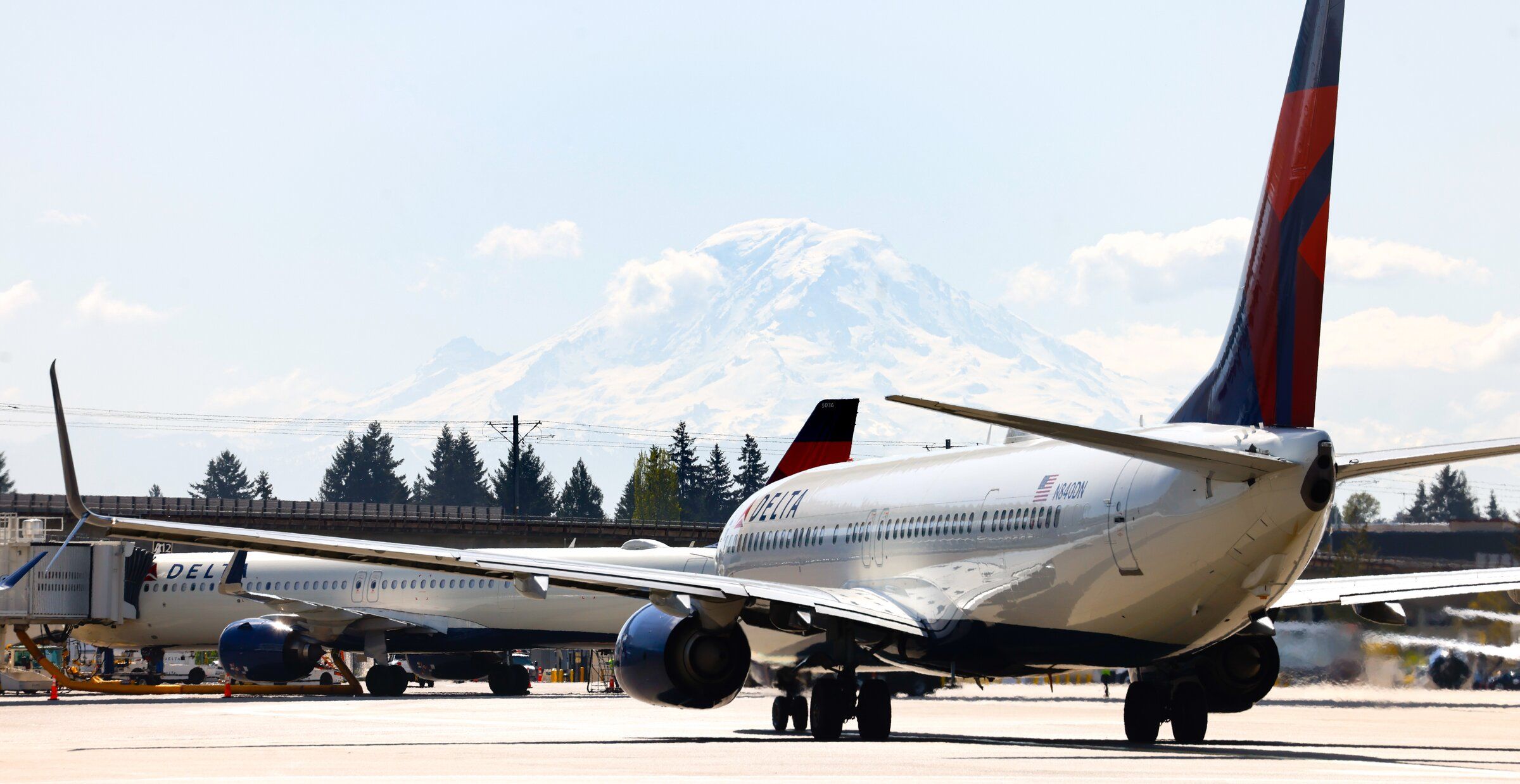
Delta Air Lines has announced the launch of a new daily nonstop flight between Seattle and Tokyo’s Narita Airport. Flights will begin in late March, and tickets will go on sale soon. This is important news not only for tourists, but also for business circles in both countries: Japan remains one of the key destinations in the airline’s international network, and expanding the route map between the two largest airports in Tokyo gives passengers far more flexibility and convenience.
The new route will be served by a modern widebody Airbus A330-900neo. On board, passengers will be offered four service classes: Delta One (business class with fully lie-flat seats), Delta Premium Select (an upgraded economy class), Delta Comfort (economy class with extra legroom), and standard Delta Main. This range lets the airline serve both corporate customers and travelers with different budgets.
A key point in the announcement is that Delta already operates a nonstop route between Seattle and another Tokyo airport—Haneda. Now the airline will serve both of Tokyo’s main air hubs at the same time. Narita is traditionally considered a major international hub that handles many flights from around the world, while Haneda is located much closer to the center of Tokyo and is convenient for those who want to reach the city faster. Having two flight options is not just an additional choice, but a real competitive advantage: travelers will be able to select a flight based on their final destination, arrival timing, and even price.
Delta says demand for business travel between the United States and Japan remains consistently high. A company spokesperson, Jeff Arinder, vice president of international network planning, called Japan one of the most important and favorite destinations in the airline’s global network. In turn, Seattle Port Commissioner Toshiko Hasegawa said that expanding service to Narita and Haneda strengthens economic and cultural ties between Japan and the U.S. Pacific Northwest. The new flight also significantly increases cargo capacity between American and Japanese markets—especially important for exporting fresh products, electronics, and other goods where delivery speed is critical.
Against this backdrop, it’s worth noting the competitive landscape. Today, Delta is the largest international carrier at Seattle–Tacoma Airport, serving more than 62 destinations. At the same time, local carrier Alaska Airlines, often seen as Seattle’s “home” airline, also offers flights to both Tokyo airports—but through its partners. Last year, Alaska launched its first daily route to Japan’s largest city. As a result, competition on the Seattle — Tokyo route is fairly intense—which ultimately benefits passengers: it typically leads to more flexible fares and improved service quality.
It’s also helpful to explain how the two Tokyo airports differ, since that often causes confusion. Narita is located about 60 kilometers east of downtown Tokyo, in Chiba Prefecture. Getting from there to the city is possible by train or bus, but the trip takes anywhere from about an hour and a half to as long as 1.5 hours. Haneda, by contrast, sits almost within the city itself, just 15–20 minutes by car from the central districts. However, historically Narita has long been Japan’s main international gateway, and many airlines maintain flights there. For passengers traveling to Tokyo, choosing the airport can be decisive: if you have meetings in the business district, Haneda is more convenient, while if you’re traveling with transfers to other Asian destinations, Narita may be logistically easier.
As for the Airbus A330-900neo aircraft, it is one of the most modern mid-range jets. The “neo” stands for new engine option—new engines that allow for significant fuel savings and reduced noise compared with previous generations. For passengers, that means a quieter flight and better cabin humidity, which is especially important on long routes of around nine hours.
The arrival of the new route is not just about convenience for travelers; it also signals the recovery of international air travel after pandemic restrictions. Japan long remained one of Asia’s most closed-off countries for tourists, and the gradual reopening of borders is being accompanied by airlines ramping up frequencies. For Seattle—a major technology and cultural hub on the U.S. West Coast—strengthening links with Tokyo has strategic importance. The city has historically had a large Japan–U.S. diaspora, and companies in IT, aviation, and biotechnology maintain close business ties with Japanese partners.
Ultimately, launching the new flight expands options for thousands of passengers who regularly fly between North America and Asia. With Delta serving Narita and already serving Haneda, travelers will have more choices in departure and arrival times, and they can also select the airport based on their specific plans. As noted in a The Seattle Times report, the airline’s decision reflects sustained demand for the Japanese route and strengthens Seattle’s position as an important international aviation hub. Now it remains only to hope that competition and the growing number of flights will lead to more affordable ticket prices—which would be great news for everyone dreaming of a trip to the Land of the Rising Sun.
Detroit routs Seattle 11–0 and moves within striking distance of a wild-card spot
On Thursday, the Detroit Tigers handed the Seattle Mariners a statement-making beating at their home ballpark, finishing the game 11–0. The visitors didn’t just win big—they did it at a crucial point in the season: the Tigers won their fifth game in their last six and now trail the Texas Rangers by just one game in the race for the final spot in the American