
The Seattle City Council unanimously voted to amend the municipal code to explicitly prohibit discrimination based on consensual nonmonogamous relationships, including polyamory. The legislation, introduced by Councilmember Alexis Mercedes Rinck, also clarifies protections for pansexual, asexual and nonbinary residents, while affirming that existing provisions apply to multigenerational families. The new provisions will take effect on June 1, 2027.
On Tuesday, discussion in the City Council chamber on Fourth Avenue focused less on the form of private life than on the price people sometimes pay for being open about it. One speaker, Richard Gilmore, said he would soon mark 26 years in a polyamorous relationship involving two men and two women. Over the years, he said, members of their family had repeatedly feared prejudice, especially at work. The council responded with a unanimous vote — a rare instance of procedural clarity on an issue that can easily become a flashpoint in the culture wars outside the chamber.
The measure does not establish polygamy, alter state family law or create a new form of marriage. It incorporates the protection into the existing definition of sexual orientation in the city code. That definition now explicitly includes consensual relationships with multiple partners, including nonmonogamous relationships. Pansexuality and asexuality were added to the same section, while language previously tied to male and female sex was replaced with broader wording.
The practical effect of the changes will be felt wherever private life becomes visible to others: in hiring, housing, access to public places and city services. The law also applies to rules governing municipal employees, licensed businesses, parks and certain interactions with city government. Complaints about discrimination within Seattle are handled by the city’s Office for Civil Rights.
At the same time, the council preserved an important boundary. Employers are not required to extend health insurance, leave or other benefits to an employee’s multiple partners; the text specifically states that the new provisions do not expand existing benefit packages. The measure is not about legally recognizing every relationship, but about prohibiting people from being denied housing, employment or services because of the structure of their consensual relationships.
More broadly than polyamory, the law reflects how the language of family has changed. Its preamble lists families with multiple parents or partners, blended and multigenerational families, single parents, adults who co-parent children and chosen families. For households where grandparents, parents and children live together, the council clarified that the already protected status of shared living arrangements should be interpreted broadly. This is especially significant in a city where housing is expensive and day-to-day solidarity often requires people to live outside the familiar “two adults and children” model.
The initiative grew out of a campaign by the Seattle Coalition for Family & Relationship Equity and support from the Seattle Human Rights Commission. Activists argued that fear of exposure forces people to hide their partners from colleagues, landlords and even social services. According to studies cited by supporters of the law, between 10% and 20% of North American residents have been in consensually nonmonogamous relationships at some point, while about 5% are currently in one. These figures do not turn every unconventional family into a distinct political group, but they help explain why the issue has moved beyond small communities.
Seattle became the 10th U.S. city with such protections and the largest among them. Similar measures were previously adopted in Olympia, Portland, Oakland, Berkeley, West Hollywood, Cambridge and Somerville. For the city, the move continues its own legal tradition: in the 1970s, Seattle was among the first cities in the country to establish local protections for LGBTQ residents, and in 2023 it became the first in the United States to explicitly prohibit discrimination based on caste.
Before next June, city departments will have to prepare for the new rules, while the Office for Civil Rights will explain to residents and employers how they will work in practice. The law’s most important test will not be high-profile statements, but the first ordinary cases: a conversation with a landlord, a job interview or a service denial in which someone must show that their private life cannot be used as grounds for exclusion from public life.
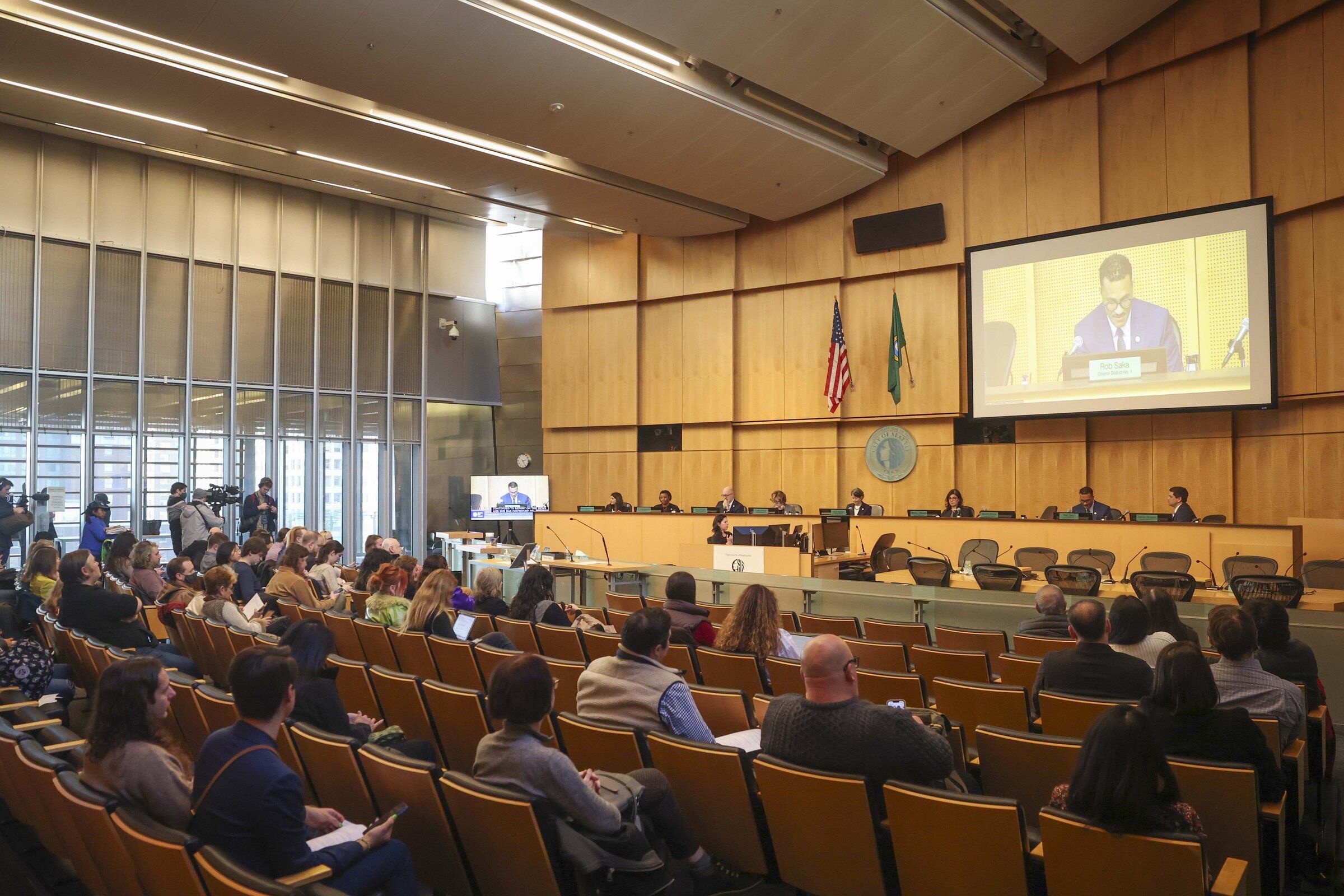
Based on: Seattle bans discrimination against polyamorous, nonmonogamous people