Residents in Seattle’s south end are demanding that authorities address safety concerns amid a growing number of tent encampments. Meanwhile, the city has embraced the 2026 World Cup on a grand scale: despite the U.S. men’s team’s defeat, a three-week festival of football will be remembered for record own goals, political drama, and incredible fan support.
Seattle’s south end: residents demand the city address homelessness and safety
Residents in Seattle’s south end have urged city officials to take urgent steps to improve safety as the homelessness crisis grows. A meeting attended by members of the city council and representatives from King County was another chapter in a years-long conflict between local communities’ needs and a systemic crisis rooted in a lack of affordable housing. In a statement to city leadership published on KOMO News, residents stressed that tent encampments in North Beacon Hill and the Mount Baker area have become a source of increased crime: thefts, assaults, and open drug use create an atmosphere of fear even in daylight. Particular concern is raised by makeshift settlements that lack infrastructure and sanitary conditions.
During the discussion, participants offered specific proposals: increase police patrols, conduct regular raids to clear encampments, and speed up the construction of temporary shelters with medical support. However, attendees say that without a systemic approach — building permanent affordable housing and offering treatment programs for addiction — the situation won’t change. The complexity of the problem is that many people experiencing homelessness refuse help because of strict rules at shelters or fear losing their belongings. In the Seattle context, the term “homelessness crisis” means not just having no roof over one’s head, but a complete rupture of social ties—often worsened by mental health issues and chemical dependency. Ahead of the World Cup, which will be held in Seattle in 2026, city officials are under pressure: they need to clear the streets and present a prosperous face to visiting guests. Residents, meanwhile, want not just short-term fixes, but a long-term strategy that will allow them to feel safe without turning away from those who have fallen to the margins of life.
The Seattle carnival: how the football festival eclipsed the U.S. team’s loss to Belgium
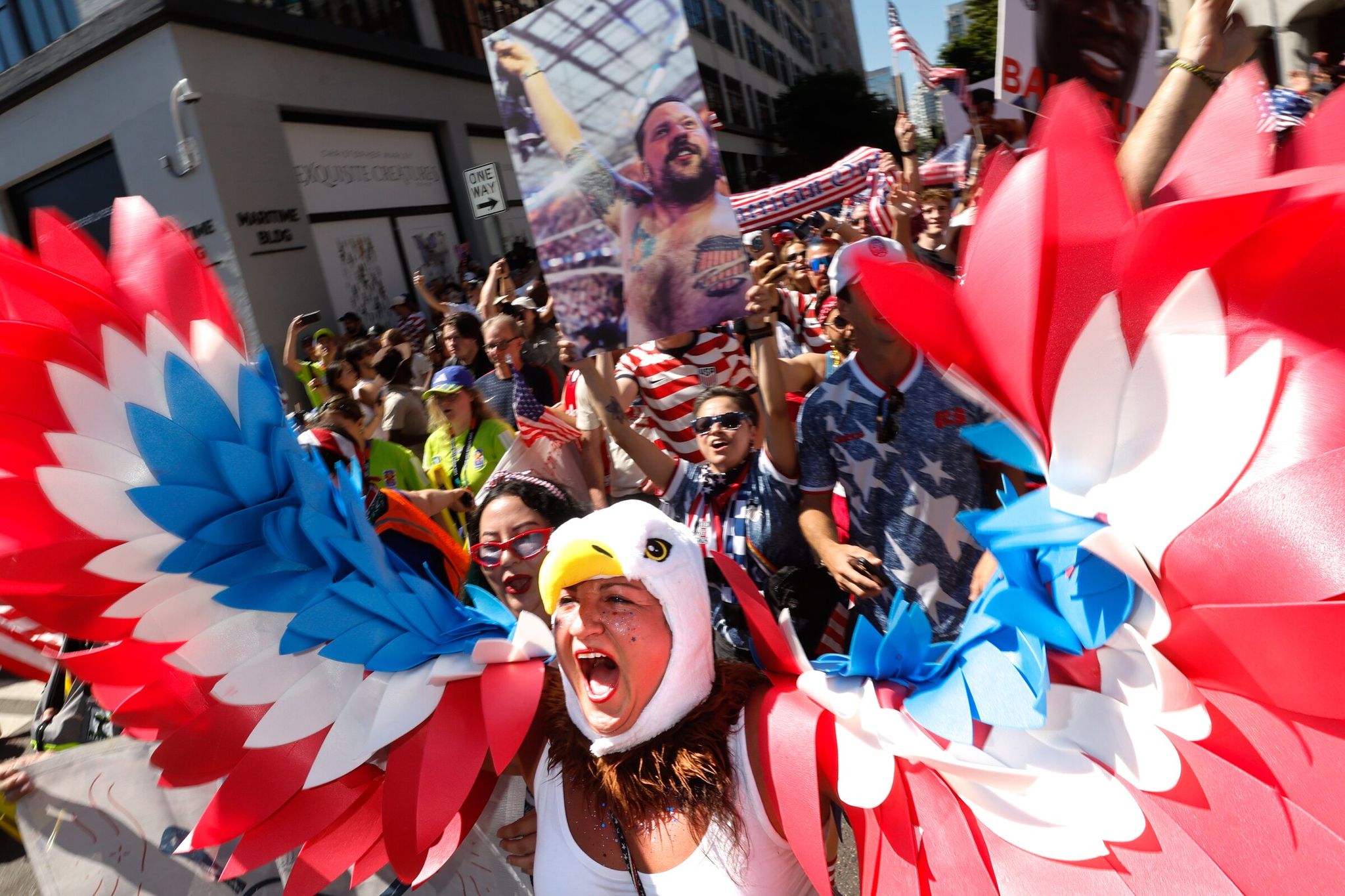
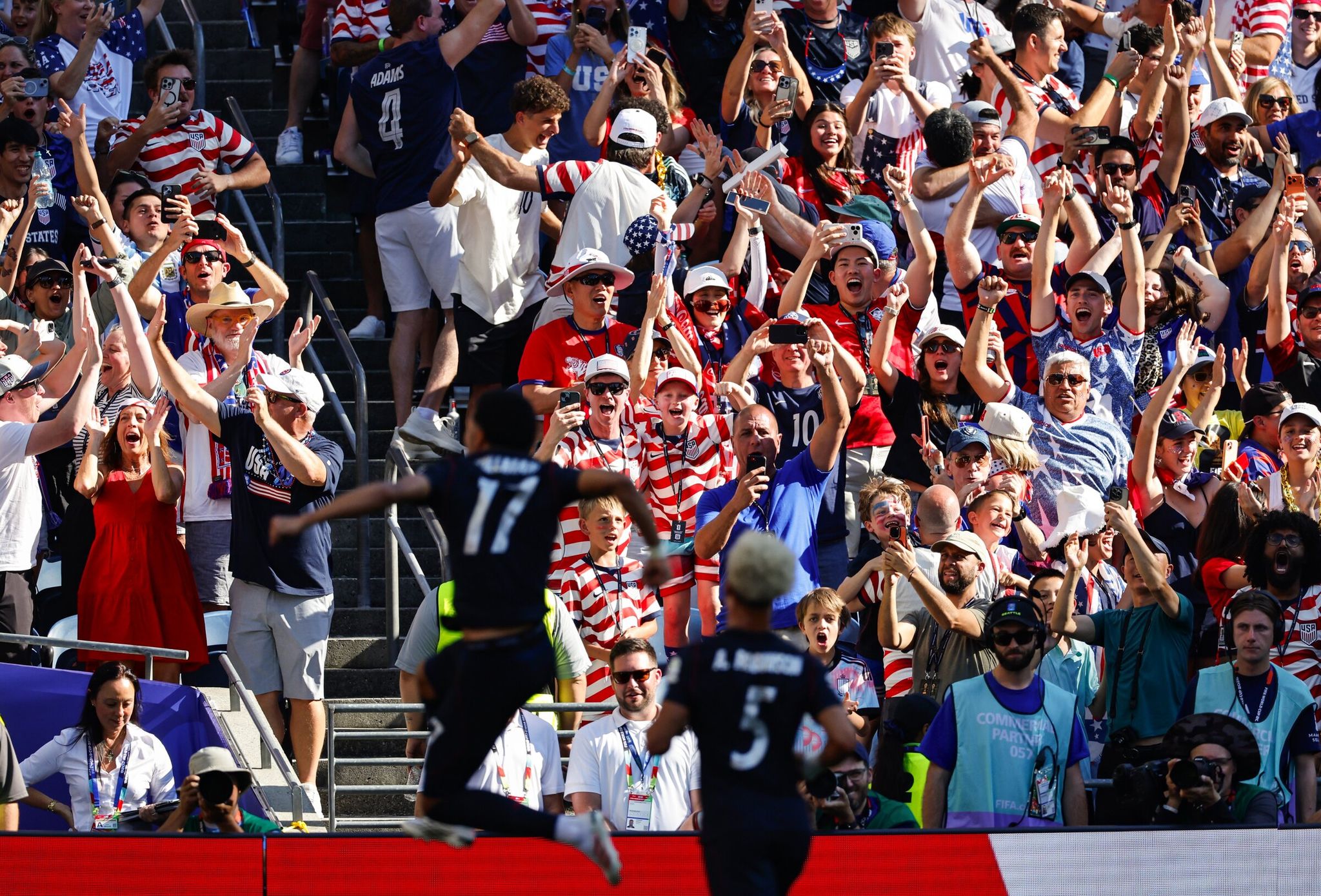
On Monday afternoon, on Occidental Avenue, a street musician in a blue jacket with American stars played the piano version of “Party in the U.S.A.”, while the line to enter the fan zone stretched from Pioneer Square to T-Mobile Park. It was the greatest sports party in Seattle history—bigger than NFC finals or Super Bowl parades, bigger than the walk-off home run in Game 5 of the 2025 championship. Sadly, the U.S. men’s national team was too small for this scale. Losing to Belgium 1–4 in the World Cup round of 16 cut short the celebration.
An article from The Seattle Times (read the original here) isn’t so much about the match itself as it is about the unique atmosphere that swept through the city for three weeks. The author tries to shift the reader’s attention from the bitterness of defeat to memories of the three-week spectacle. The U.S. men again exited in the round of 16—already the fourth consecutive time they’ve been eliminated at a tournament stage they qualified for. Neither the red card (and then the suspension of it) for star forward Folarin Balogun, nor the deafening anthem at a packed stadium, nor the magic of coach Mauricio Pochettino helped. After the game, captain Tim Ream offered a philosophical note: “We knew what kind of impact we could make if we were winning. That stopped—but the conversation about our level isn’t going anywhere.”
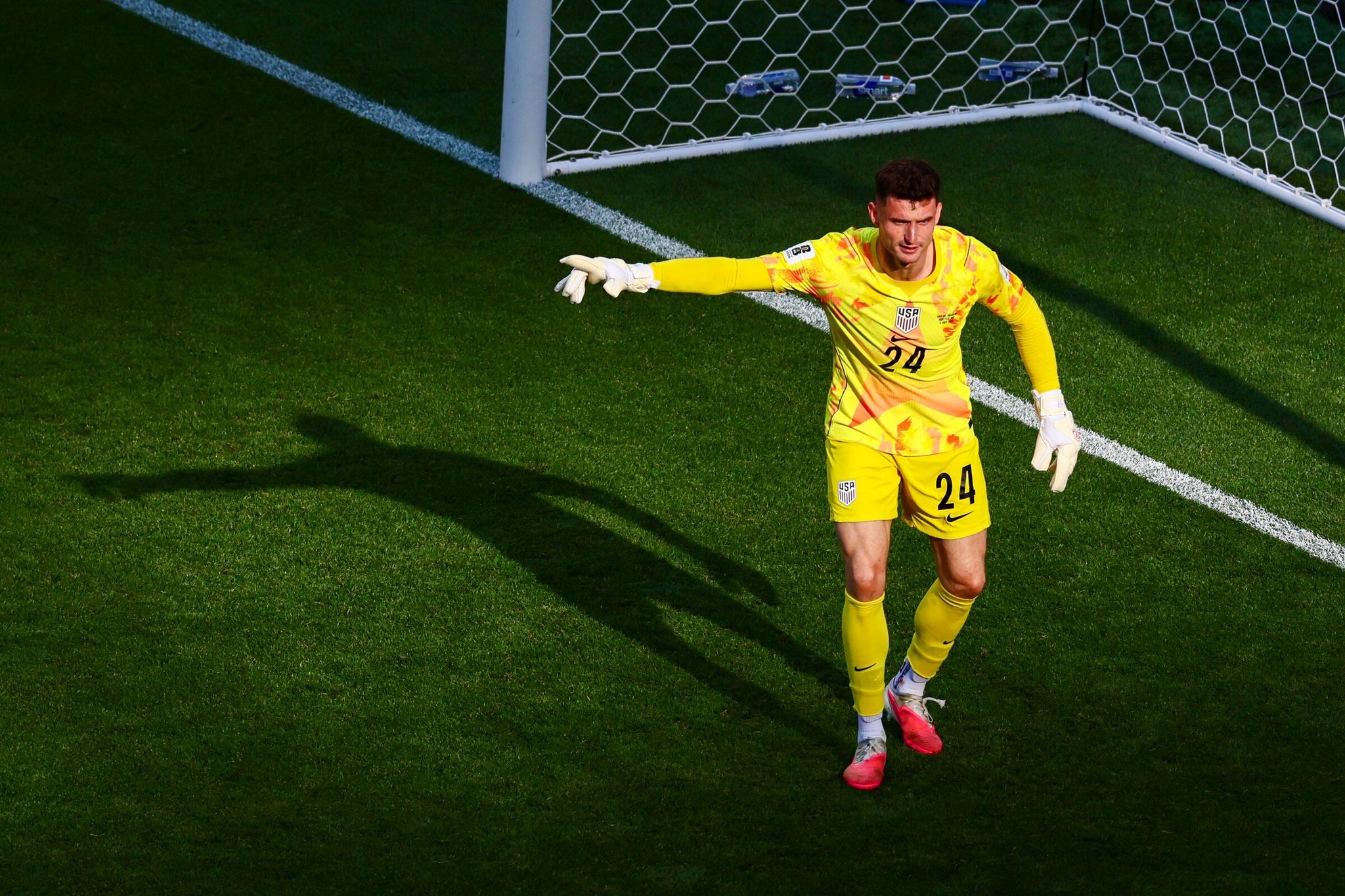
The score was opened in the ninth minute: Charles De Ketelaere smartly received a pass and finished past the goalkeeper. He added a second with a header, jumping onto Ream’s back. The third was a quirky incident caused by a mistake by Matt Freese, who cleared the ball poorly straight onto Hannes Vanaken’s foot. And in extra time, Romelu Lukaku—yes, the powerful forward who knocked the U.S. out of the playoffs twelve years ago—scored the fourth and, with a hand to his ear, taunted the hushed stadium. The only goal for the Americans was scored by Malik Tillman from a free kick; the ball ricocheted off a Belgian player and went into the net.
But what will be remembered more than the score is something else. How the 38-year-old Ream stood motionless after a goalkeeper’s mistake. How Balogun covered his face with his shirt. And how, it seems, the whole country was feeling it in that moment. Still, the author insists: “I hope the true legacy of this World Cup in Seattle is not pain, but a celebration.” He recalls a bus from Ballard filling up with patriots at every stop, temporary screens at restaurants and alleyways that turned the city into one big fan zone, and a man holding a sign that said “Let’s Make a Deal” offering three nights in his mountain cabin for tickets for his grandchildren. And of course, the scenes after the Iran vs. Egypt match, when fans of the Iranian team—despite the VAR-ruled-out winner’s goal in stoppage time—danced right in the streets.
Refereeing controversies also didn’t spare the tournament: first an inconsistent red card for Balogun, then a call from U.S. President Donald Trump to FIFA president Gianni Infantino—after which the suspension was partially lifted. Tim Ream, commenting on that pressure, said it didn’t affect the team: “We know how to block out the outside noise.” In the end—exactly the same ceiling as always. But for those who were in Seattle, the main memory will be the three-week carnival. Beautiful, imperfect, contradictory—just like football itself. And even if the U.S. team’s performance was fake, like the voice of a street pianist, the singing didn’t stop.
Seattle cemented its reputation as a soccer city during the 2026 World Cup
Seattle hosted matches from the 2026 FIFA World Cup and, judging by the evidence, fully lived up to its reputation as a soccer city. Over 22 days at the stadium—temporarily without sponsor branding, simply called “Seattle Stadium”—six matches drew more than 400,000 spectators. The city saw both brilliant on-field moments and political and human dramas inseparable from the tournament itself. The most memorable was the farewell match of the U.S. team, which ended its run in the round of 16 but left to applause from fans still in the stands. As U.S. goalkeeper Matt Freese put it, the energy and support from fans over five weeks were “inexpressible,” and playing for them was an honor.
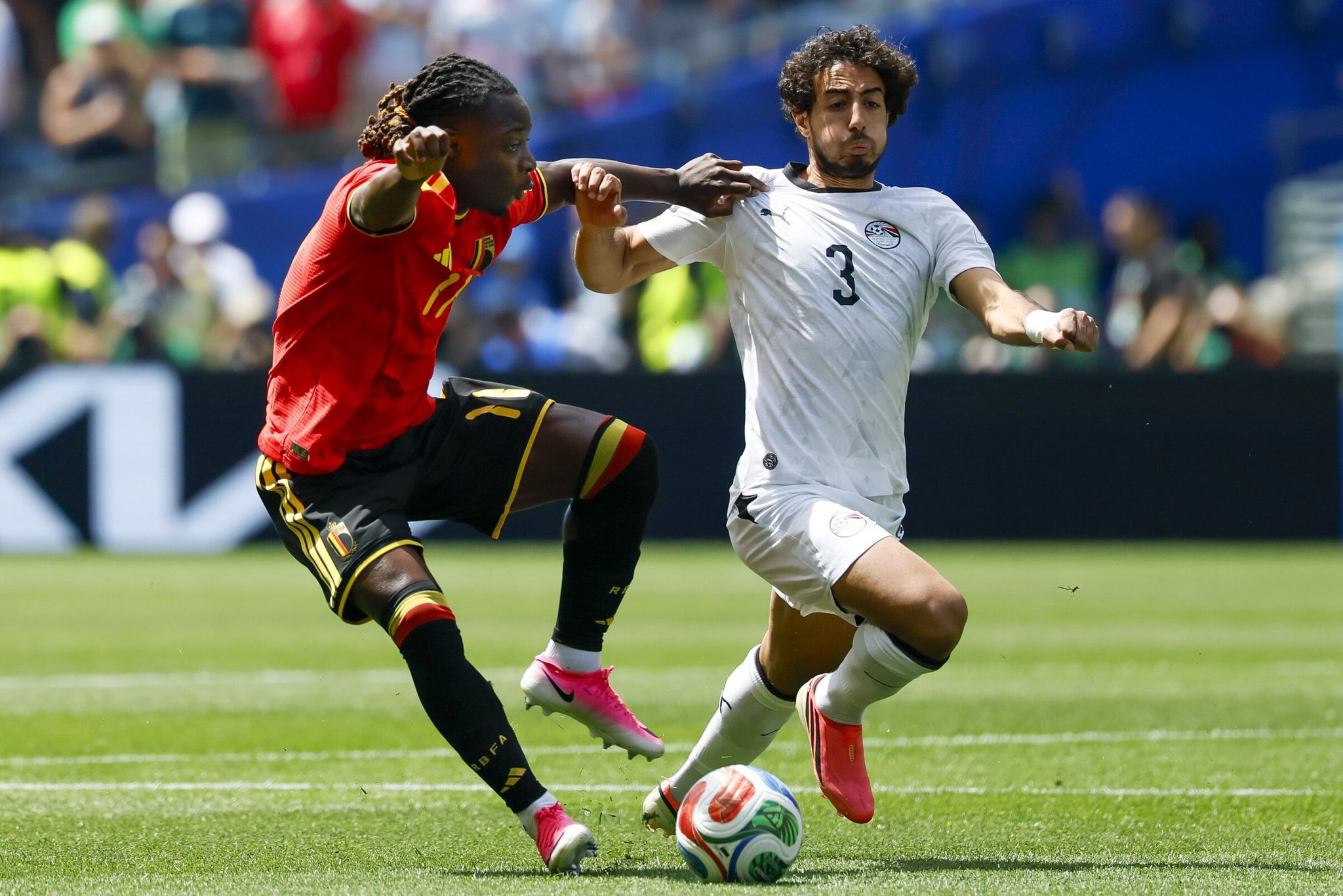
On the pitch, Seattle delivered plenty of historic moments for viewers. Right here, Youri Tielemans scored the latest goal in the 96-year history of the World Cup—an 130th-minute penalty that sent Belgium into the playoffs and broke Senegal’s hearts. In the Iran vs. Egypt match, everything came down to millimeters between the toe of an Asian defender and the elbow of an African forward—an unusual case where the offside rule was interpreted correctly, but in an unexpectedly strange way. Seattle also set a record for own goals: of 14 total tournament own goals, the city was directly responsible for three— including Egypt’s Mohamed Hany, the first player in history to score two own goals at a single World Cup, who began his sad streak here. All six matches were played with real stakes for the tournament, something not all host cities can say.
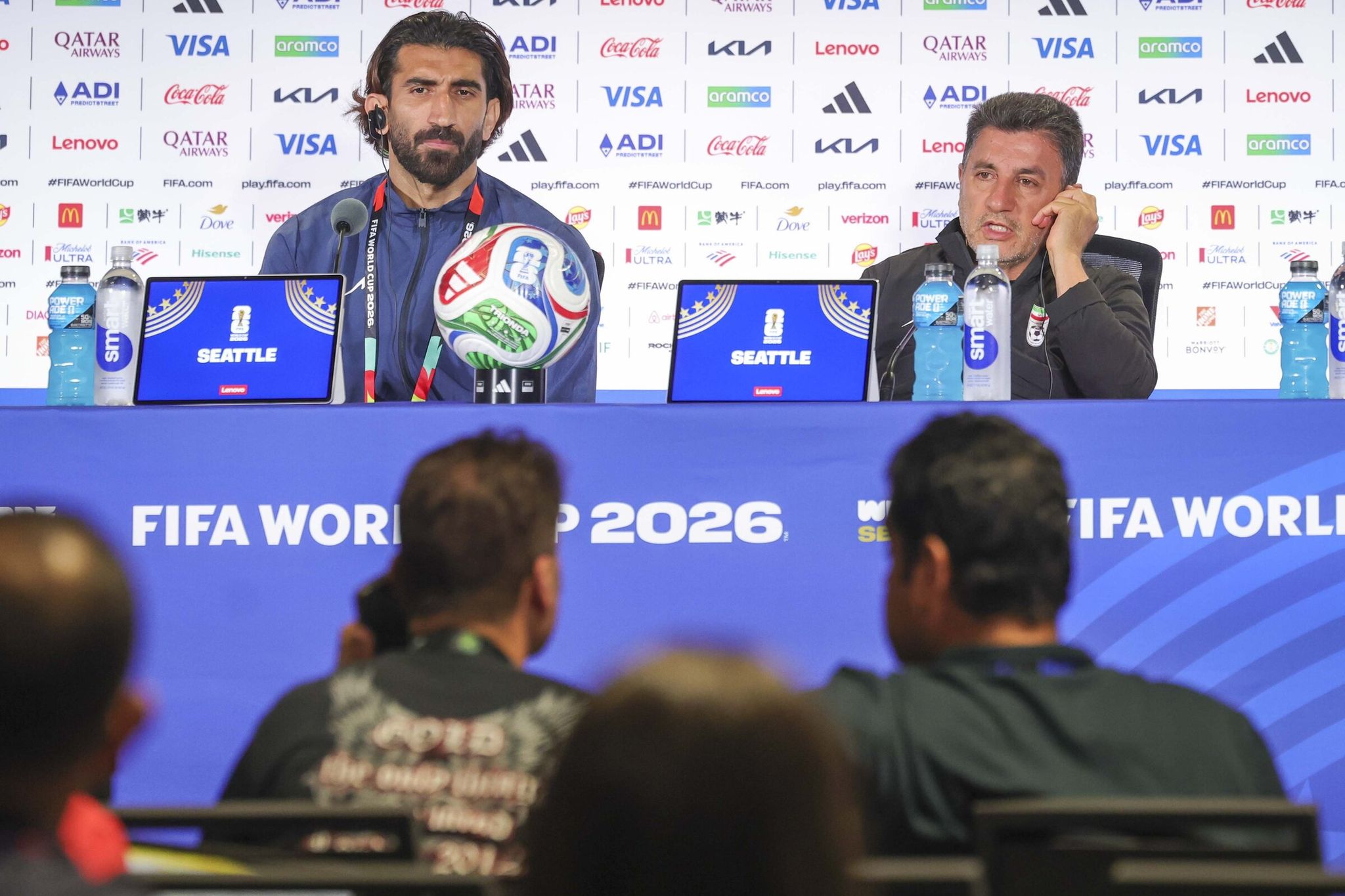
Off the pitch, Seattle dove into the politics that come with the World Cup. From the painted-over sign of the stadium “Lumen Field” to the controversial treatment of Folarin Balogun in the match against Belgium, and even the pre-revolutionary Iranian flags that appeared alongside rainbow pride themes despite FIFA officials’ efforts. Iran coach Amir Ghalenoei, from the stands, urged FIFA not to allow host countries to treat teams so poorly in the future—hinting at the bureaucratic and logistical problems his team faced, which was playing in the World Cup for the first time during a war with the host country. And forward Mehdi Taremi, answering a question about a special “Pride Match” organized by city authorities, diplomatically noted that their religion does not accept LGBTQ people, but they respect all people: “We’re here to play football.”
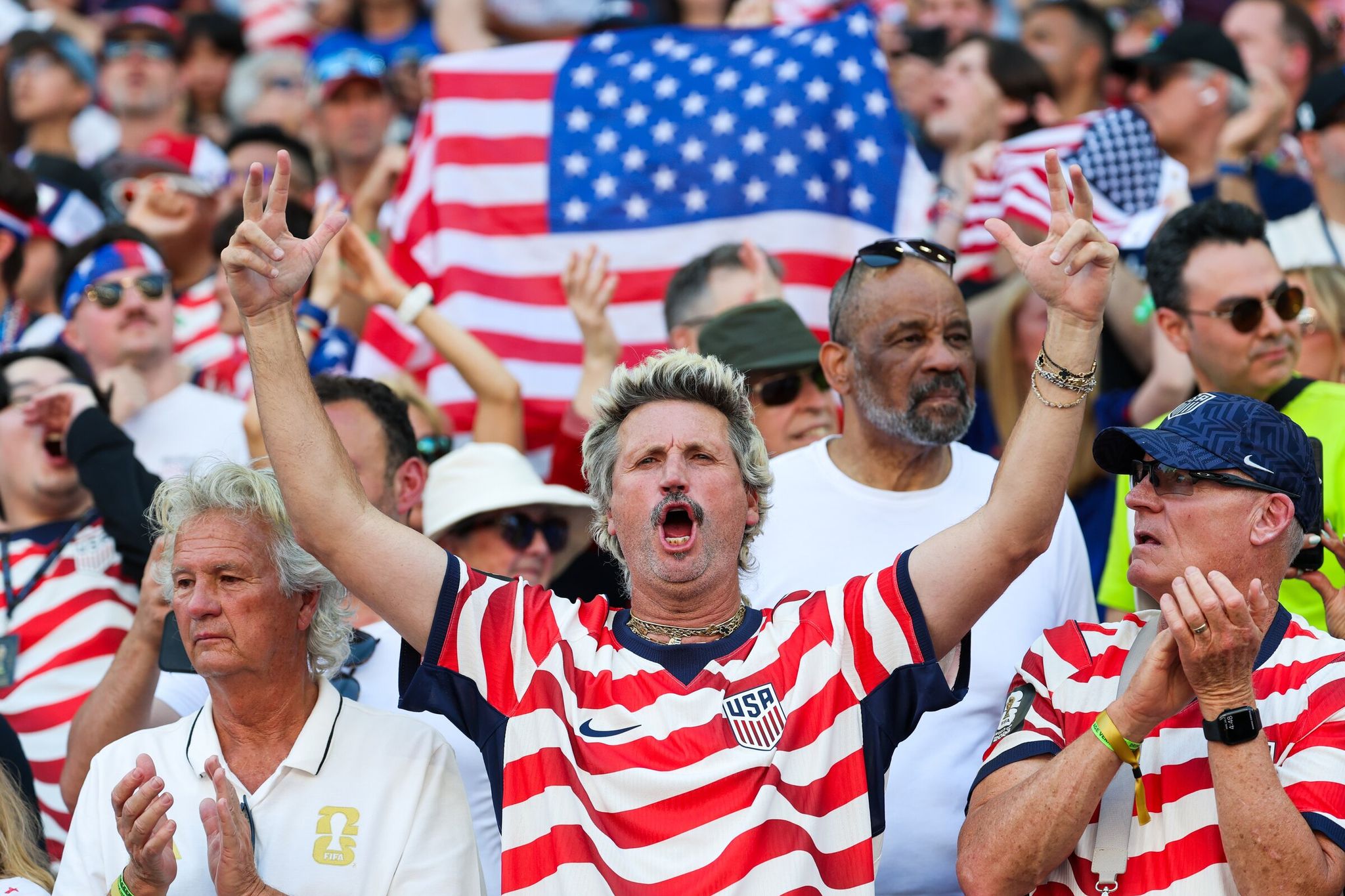
Human stories made Seattle part of football’s legacy in Egypt—where Mohamed Salah was finally allowed to shine—and in Bosnia and Herzegovina, which reached the playoffs for the first time in its history. Bosnia’s coach Sergei Barbarez, in his native language, admitted that there are no words to describe his happiness in representing a country made up of players born still in Yugoslavia, raised in diaspora across Europe and even in the United States, and those too young to remember the war. As for the U.S. team, Seattle became the best arena on the U.S. West Coast: unlike Los Angeles’ faceless domes and the stadium in San Francisco, far from the city, the “Cathedral of Cascadia” under skyscrapers and Mount Rainier delivered an incredible atmosphere. After beating Australia, fans sang “Take Me Home, Country Roads” so loudly they reportedly triggered seismic activity. And in the round-of-16 match, the U.S. anthem was sung so powerfully it drowned out the speakers. As Christian Pulisic said, the fan support this summer was unbelievable—and he will keep those memories forever.
The article in The Seattle Times breaks down every aspect of the World Cup’s time in Seattle— from record own goals and dramatic shootouts to political gestures and tears of joy from a small Balkan country.