
On November 21, masked U.S. Immigration and Customs Enforcement (ICE) agents detained a father and daughter on an airport jet bridge at Seattle-Tacoma International Airport. The video sparked outrage across the country and once again drew attention to years-long delays in immigration case processing and ongoing tough enforcement measures.
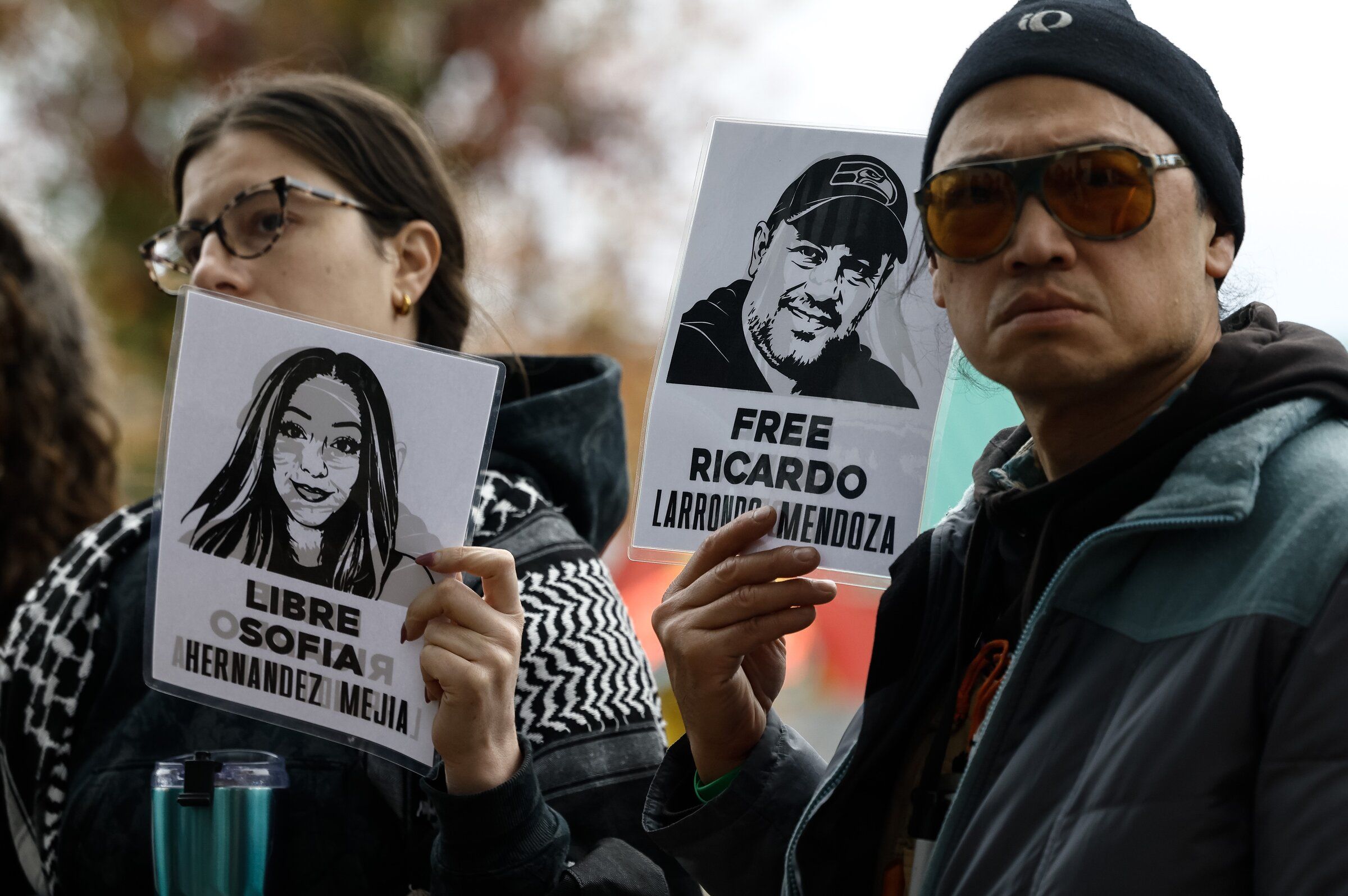
Ricardo Larrondo Mendoza legally entered the United States from Mexico in 2015 and filed an asylum application within a year, including his daughter Sofia, who was 14 at the time. According to the family’s lawyer, Olya Katala, authorities never ruled on the application over the next ten years. In spring 2026, about 1.4 million asylum applications and more than 12 million immigration cases overall were awaiting decisions in the United States. While cases are pending, people can wait for years.
Among the backlog is Sofia’s application, filed after she married a U.S. citizen in 2025. According to the American Immigration Council, the Trump administration is processing cases at roughly half the pace of the Biden administration. Asylum seekers are entitled to remain in the country and obtain work permits while they await a decision, lawyer Matt Adams noted. ICE said the father’s and daughter’s visas had expired, but, according to their lawyer, neither has a criminal record.
The detention took place at Sea-Tac, the Puget Sound region’s main major airport, which connects Seattle and neighboring cities with destinations across the United States and abroad. The airport is also important for tourism, business travel and cargo. Major carrier Alaska Airlines operates numerous routes and connecting flights there.
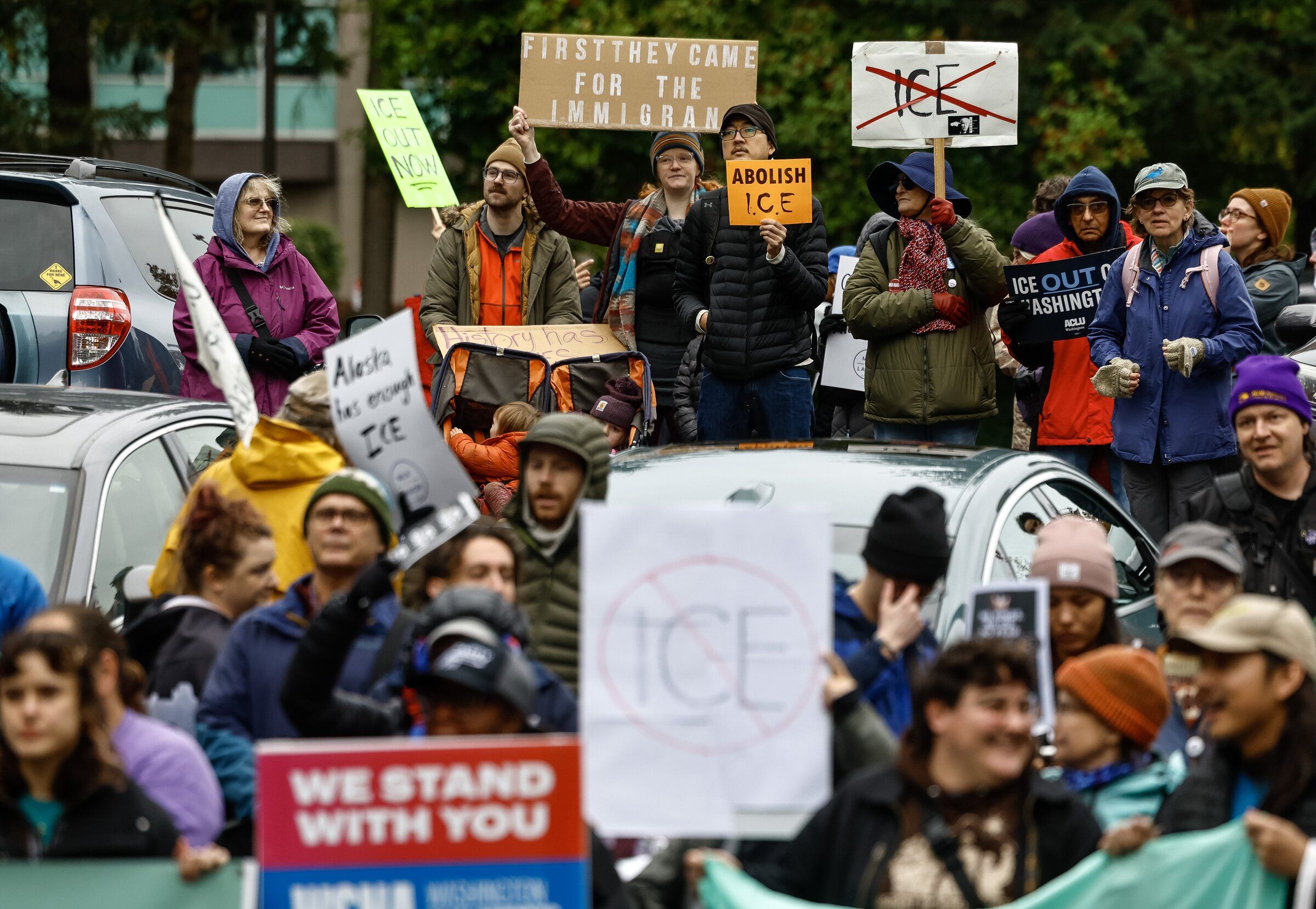
The Democrats’ victory in the midterm elections raised hopes of a softer immigration policy, but the Sea-Tac detention showed no sign of a change in course. Agents arrived without warning as passengers were boarding a flight to Los Angeles and, according to reports, walked past an Alaska Airlines employee who asked to see their credentials. Video shows the father and daughter being detained; Sofia is crying. The family was on its way to a baptism ceremony. ICE continues to make arrests elsewhere and is also expanding its network of detention centers.
The incident raised questions about whether procedures were followed and how officers are trained. The lawyer said the agents did not identify themselves at first. An airline spokesperson said ICE had not notified the airline of the detention, as required by the rules. It is unclear whether there was an arrest warrant for the father; there was none for the daughter. The New York Times reported that a federal watchdog sharply criticized the easing of training requirements for new ICE officers. According to Adams, class-action lawsuits have been filed across the country over arrests made without judicial warrants.
Sea-Tac is owned and operated by the Port of Seattle, a Washington state public agency that also oversees seaports and economic development. The Port is responsible for airport infrastructure, terminals and local access rules, but it cannot override federal law or restrict the authority of immigration agencies. ICE’s access to secure areas, including jet bridges, is governed by federal rules: agents can enter from the airfield.
After the arrests, Port of Seattle Commission Chair Ryan Calkins backed the “Traveling Without Fear” bill, which would require ICE to obtain a judge-signed warrant before carrying out operations at airports. The Port Commission, an elected body that governs the Port, can discuss rules for using local facilities and accessing areas under airport control, but those rules must not conflict with federal law or security requirements. The dispute over the detention has once again raised questions about protecting the rights of people whose immigration cases remain unresolved for years.

Based on: What the Sea-Tac ICE arrests tell us about today’s immigration system